
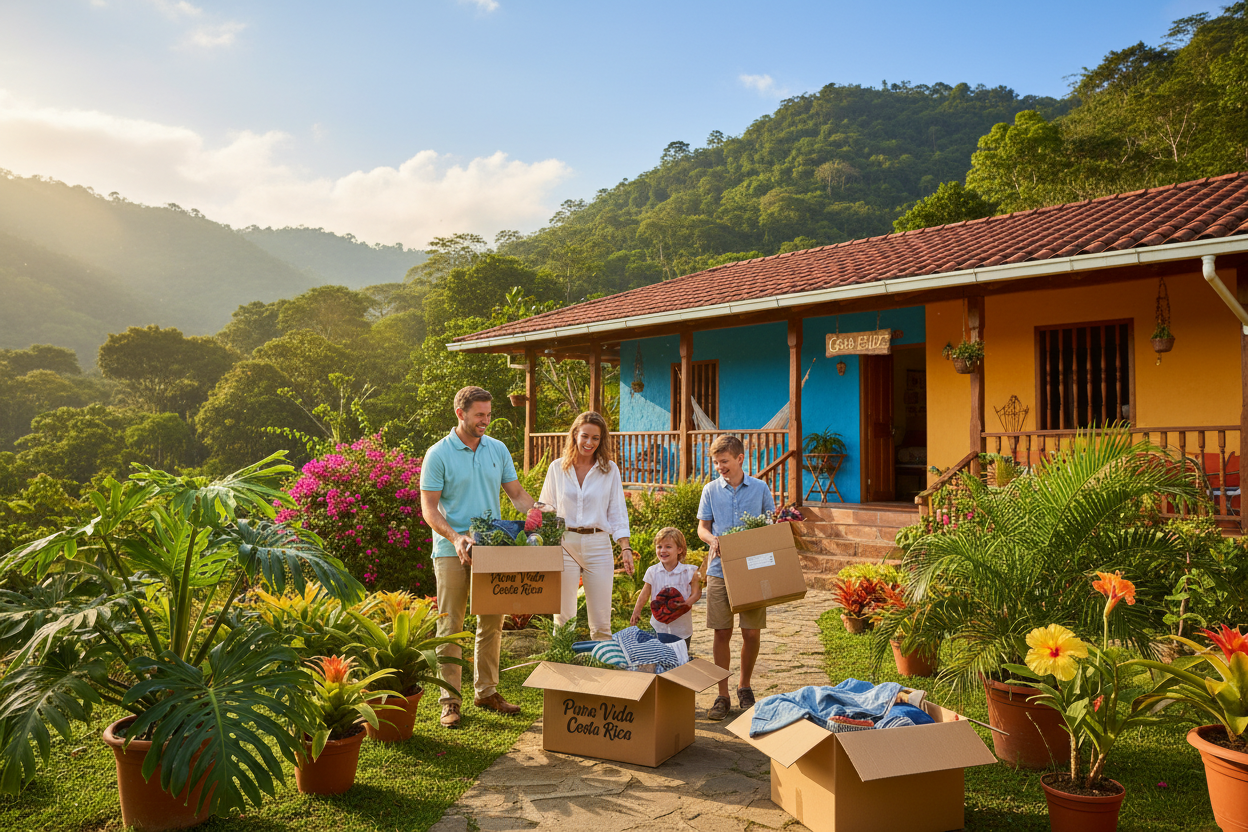
Dreaming of a life in a stable, beautiful country? Costa Rica consistently ranks among the world’s top destinations. It boasts a long-standing democracy, pristine nature, and famously friendly people.
The country is compact but holds about 6% of the world’s biodiversity. You can choose from tropical beaches to cool mountain towns. It also ranks as the safest nation in Central America.
This guide provides clear, practical steps for your relocation. We emphasize realism over hype. Successful moves require proper planning and understanding immigration rules.
We specialize in Costa Rica residency services. Our role is to guide you honestly through the complex process. We help with qualifications, document preparation, and realistic timelines.
You’ll learn about residency categories, financial thresholds, and common pitfalls. We stress starting your document preparation from home. This includes getting apostilles and translations ready before you arrive.
Our goal is to empower you with knowledge for an informed decision. Let’s begin your journey to life in Costa Rica.
Understanding Residency Options in Costa Rica
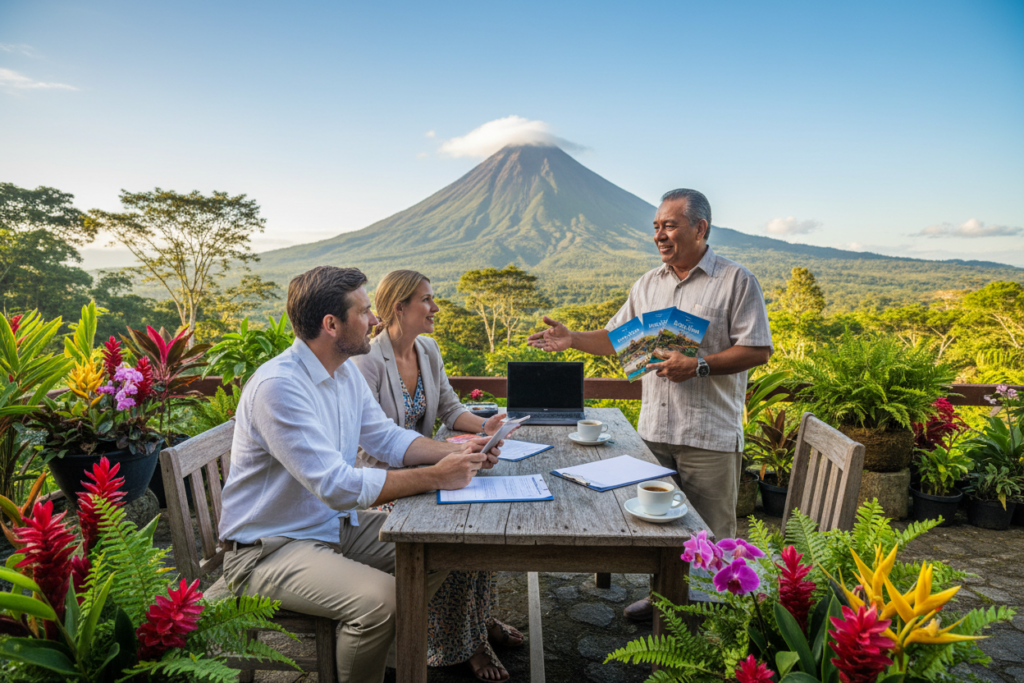
Your journey to living in Costa Rica hinges on selecting the right residency category. We explain the three primary pathways for foreign applicants.
Pensionado (Pensionado) Overview
The Pensionado category is for retirees. It requires proof of a lifetime pension of at least $1,000 US dollars per month. Acceptable income sources include Social Security, government pensions, and annuities. There is no minimum age requirement.
Rentista (Rentista) and Inversionista (Investor) Explained
The Rentista option demands a guaranteed income of $2,500 US dollars per month for two years. This typically involves a $60,000 deposit. The Inversionista (Investor) pathway requires a minimum $150,000 US dollars investment in assets like real estate.
If purchasing property, it must be in the applicant’s personal name. All three are temporary residency categories. After three continuous years, you can apply for permanent residency.
Choosing the correct option depends on your financial situation. For detailed insights, especially for retirees, see our guide on retiring in Costa Rica.
Who Qualifies for Costa Rica Residency?

Before packing your bags, you must understand if you meet the official requirements. Many people seek legal status in this beautiful country. Qualification hinges on specific financial thresholds or family connections. We break down the core categories so you can assess your options realistically.
Eligibility Criteria for Pensionado and Rentista
The Pensionado category is for retirees with a guaranteed lifetime income. You must prove at least $1,000 per month from sources like Social Security or a pension. This income must be permanent.
The Rentista option requires stable monthly income of $2,500 for two years. Alternatively, you can deposit $60,000 in a Costa Rican bank. This money is used for scheduled monthly transfers.
Special Considerations for Inversionista Applicants
Inversionista applicants make a one-time investment of $150,000 or more. If buying real estate, the title must be in your personal name. Other qualifying investments include business ventures or stocks.
Family ties offer another path. Marriage to a Costa Rican citizen or having a child born in Costa Rica can lead to permanent residency. These routes have different documentation needs.
Expats should remember that meeting the financial minimums is just one step. Approval also requires clean criminal records, proper document apostilles, and health checks. Always verify current rules at the official migracion.go.cr website.
Preparing Your Documents Before Arrival
The foundation of a smooth residency application lies in meticulous document preparation before you even set foot in Costa Rica. We cannot overstate this: starting the process from home is the most effective way to save time and avoid frustration later.
Apostilles, Translations, and Certifications
An apostille is an international certification that validates public documents for use abroad. For U.S. citizens, you must obtain apostilles from the U.S. Department of State or your state’s Secretary of State. Key documents like birth certificates and FBI background checks require this step.
Every foreign document must then be translated into Spanish by a certified translator registered in Costa Rica. This official translation bears a stamp and signature, making your paperwork legally valid for the immigration process.
Supporting Documentation Essentials
Core required files include apostilled birth and marriage certificates, a recent police background check, and proof of income or investment. Health certificates may also be needed.
We recommend creating a detailed checklist for your specific residency category. Begin gathering documents three to six months before your planned move. This timeline accounts for potential delays in obtaining apostilles and translations.
Step-by-Step Guide to a Successful Residency Application
Understanding the official application timeline and potential pitfalls is key to securing your residency status. We provide clear, practical steps to navigate this process successfully.
Timelines and Process Overview
Plan for a three to eight month processing time from submission. You can submit your application in-person or through online portals.
Authorities may request additional documents or an interview. Always maintain legal tourist status during this period.
Common Pitfalls and How to Avoid Them
Avoid submitting a background check older than six months. Missing apostilles or using uncertified translations will cause delays.
Provide clear financial proof for your chosen category. We recommend working with professionals to review your file before submission.
Once approved, you’ll receive a temporary residency card. This cédula is essential for banking and healthcare in Costa Rica.
Essential Financial Thresholds and Income Requirements
The financial requirements for Costa Rica residency are clear, non-negotiable thresholds that form the core of your application. Immigration authorities scrutinize your proof of income or investment carefully. Meeting these exact amounts with official documentation is mandatory for approval.
Pensionado: $1,000+ US Dollars/Month
This category requires verifiable lifetime income of at least $1,000 per month. Proof includes official pension award letters or Social Security statements. These documents must be apostilled and translated.
Rentista: $2,500 US Dollars/Month for Two Years
Applicants must show stable income of $2,500 monthly for two years. The standard method is depositing $60,000 in a Costa Rican bank. Certified bank statements confirming scheduled transfers serve as your proof.
Investor: Minimum $150,000 US Dollars Investment
This path demands a minimum $150,000 investment in assets like real estate. If buying property, the title must be in your personal name. Official property appraisals and registry documents are required.
All financial proof must be recent, official, and translated. Informal statements or screenshots will be rejected. We recommend gathering more documentation than the minimum to demonstrate solid financial stability for your residency case.
Clarifying Digital Nomad vs. Residency Options
Many digital professionals are drawn to Costa Rica, but often confuse a short-term visa with a pathway to residency. These are two separate legal tracks with different long-term implications.
Why the Digital Nomad Visa Doesn’t Count as Residency
Costa Rica’s Digital Nomad Visa is a temporary permit, not a form of residency. It requires proof of foreign income and private health insurance.
This visa does not grant access to public healthcare or local employment. Crucially, time spent on it does not count toward qualifying for permanent residency.
Think of it as a convenient trial period, not an immigration pathway.
Exploring the Best Residency Alternatives
If your goal is a long-term life in Costa Rica, you must pursue formal residency. The Rentista category is often the closest fit for location-independent earners.
Unlike the nomad visa, Rentista status counts as temporary residency. After three years, it leads directly to permanent residency.
We recommend evaluating Pensionado, Rentista, or Inversionista options from the start for a seamless long-term strategy.
Official Resources for Regulatory Information
Immigration rules can evolve, making verification with Costa Rica’s government website a critical step. We always recommend checking the official Dirección General de Migración y Extranjería at migracion.go.cr.
Verifying Requirements on migracion.go.cr
This official portal provides the most current details. You will find updated visa categories, required documents, and application fees listed there.
It is the definitive source for all legal requirements. Relying on any other information can lead to application delays or rejection.
The website is primarily in Spanish. If you are not fluent, using browser translation tools or working with a professional service is essential.
This ensures you correctly interpret every detail and do not miss critical updates. We also suggest checking the site for processing times and office location protocols.
Combine our practical, experience-based guidance with this official verification. This strategy gives you the most accurate understanding for successfully obtaining residency. For specific procedures like the visa renewal process, always confirm the latest steps directly.
Living the Costa Rican Lifestyle: Beyond Paperwork
Securing your residency is a major milestone. The true journey of building a fulfilling life in Costa Rica begins after the paperwork is complete.
Embracing the Pura Vida Culture
“Pura vida” is the core philosophy here. It encourages a calm, appreciative approach to daily life and relationships.
This mindset values social harmony and simple pleasures. Ticos, the local people, are famously warm and patient.
Integrating with Local Communities
Integration happens through participation. Attend town festivals, shop at weekly ferias, or join a language exchange.
Learning Spanish deeply enriches your experience. It opens doors to authentic friendships and a true sense of belonging.
Many expats find community by volunteering or frequenting local spots. Relationships develop slowly but genuinely in this welcoming country.
We encourage you to approach your new life with curiosity. Thriving here means adapting to and embracing the local rhythm.
how-do-i-move-to-costa-rica-a-complete-guide: Navigating Application Procedures
The path to securing your legal status in Costa Rica involves a hybrid system. You will manage digital submissions and physical appointments. We guide you through both tracks for a smooth process.
Online and In-Person Application Processes
Many steps now happen online through official immigration portals. You can submit scanned documents and track your status digitally. This modern way saves considerable time.
However, certain key steps still require your physical presence. Fingerprinting, interviews, and final submission are done at offices. These are typically in San José or regional locations.
When and How to Start Your Application from Home
We strongly advise beginning your application from your home country. Start gathering apostilled documents three to six months before your move. This includes background checks and financial proof.
Having everything ready before you arrive is the best way to proceed. You avoid scrambling for documents from abroad. It positions you to submit your file immediately upon arrival.
If you are already in Costa Rica, you can still apply. You must maintain legal tourist status during the entire processing period. Planning ahead prevents gaps in your legal standing.
Working with experienced professionals streamlines both online and in-person steps. They ensure your documents meet current requirements. This approach minimizes stress and common errors.
Starting early from home leads to the smoothest application experience. You reduce bureaucratic delays and can focus on living costa rica sooner. It’s the most practical process for moving costa rica successfully.
Avoiding Common Mistakes in Your Residency Application
We often see the same mistakes derail otherwise solid residency cases in Costa Rica. These errors are almost always preventable with proper planning. Understanding the most common pitfalls upfront saves you months of delay and frustration.
Document Errors and Missteps
The single biggest error is submitting an expired police background check. It must be less than six months old when immigration reviews it. Obtain this document as late as possible in your preparation timeline.
Missing apostilles or using uncertified translations guarantees rejection. Every foreign document needs an apostille from its issuing country. Translations require an official Costa Rican translator’s stamp and signature.
Provide crystal-clear financial proof. Vague bank statements or unofficial pension letters will not suffice. Immigration officers need detailed documentation that meets the exact thresholds.
Timetable and Deadline Oversights
Failing to maintain legal status is a serious risk. When you enter as a tourist, officers typically grant up to 180 days. Your application might take longer than this authorized stay.
You must exit and re-enter or apply for an extension before your time expires. Overstaying creates legal problems that can jeopardize your entire residency case.
We also caution against making irreversible life changes too soon. Do not sell your home or quit your job before receiving official approval. Immigration decisions are at the discretion of Costa Rican authorities.
For a deeper dive into these critical errors, review our detailed guide on common mistakes in Costa Rica residency. Careful planning is your best strategy for moving costa rica successfully.
Planning Your Move from Home: Key Preparation Tips
The most effective way to ensure a smooth move to Costa Rica is to begin your preparations from your current home. Thorough planning prevents the frustration of discovering missing documents later. It sets a solid foundation for your new life.
Preparing Essential Documents Before Departure
Start by obtaining apostilled birth certificates and police background checks. Have every document translated by a certified professional in Costa Rica. Gather official proof of income for your chosen residency category.
Also research housing options and local healthcare systems. Many expats rent short-term first to explore different areas. Understanding these living details makes your transition much easier.
Contacting CRIE for Expert Guidance
We specialize exclusively in Costa Rica residency and immigration services. Our team guides you through document preparation and the entire application process. We help you avoid common pitfalls with realistic advice.
For professional support, contact us via WhatsApp at +506 8706 3888, email info@crie.cr, or visit www.crie.cr. Let us help you move to Costa Rica with confidence and all the right documentation.
Final Steps and Next Actions for a Smooth Transition
With your residency approved, the final phase of building your new life in Costa Rica begins. Complete key steps like collecting your cédula card and enrolling in CAJA healthcare. You should also open a local bank account and obtain your tax ID.
Your cost of living will vary by location. The Central Valley offers affordable options for retirees. Beach areas like Guanacaste often have higher prices.
Costa Rica does not tax foreign-sourced income, which benefits many expats. Temporary residency requires renewal before you can apply for permanent status after three years.
We provide expert guidance for this important transition. Contact us via WhatsApp at +506 8706 3888, email info@crie.cr, or visit www.crie.cr.
FAQ
What are the main residency options for someone wanting to live in Costa Rica?
How much monthly income do I need for the Pensionado and Rentista visas?
FAQ
What are the main residency options for someone wanting to live in Costa Rica?
The primary paths are the Pensionado, Rentista, and Inversionista visas. The Pensionado is for retirees with a guaranteed lifetime pension. The Rentista suits those with stable investment income. The Inversionista requires a significant financial investment in the country, like real estate or a business.
How much monthly income do I need for the Pensionado and Rentista visas?
For the Pensionado visa, you must prove a minimum lifetime pension of
FAQ
What are the main residency options for someone wanting to live in Costa Rica?
The primary paths are the Pensionado, Rentista, and Inversionista visas. The Pensionado is for retirees with a guaranteed lifetime pension. The Rentista suits those with stable investment income. The Inversionista requires a significant financial investment in the country, like real estate or a business.
How much monthly income do I need for the Pensionado and Rentista visas?
For the Pensionado visa, you must prove a minimum lifetime pension of $1,000 US dollars per month. The Rentista visa requires proof of $2,500 US dollars per month for at least two years, guaranteed by a bank.
Does the Digital Nomad Visa lead to permanent residency?
No, it does not. The Digital Nomad Visa is a temporary permit for remote workers. It allows a one-year stay, renewable once, but it does not count toward the years required for permanent residency. It’s a great way to experience life in Costa Rica before committing to a full residency application.
What is the most common mistake people make in their residency application?
The biggest pitfall is submitting incorrect or improperly prepared documents. Every paper—from birth certificates to bank letters—needs an apostille, official translation, and specific certifications. Starting this process from your home country before you move is the single best way to avoid costly delays.
How long does the residency application process typically take?
Be prepared for a process that can take several months to over a year. Government processing times vary. We advise starting your document preparation 6-12 months before you plan to move. Using a reputable legal service like CRIE can help navigate timelines and avoid bureaucratic slowdowns.
Can I apply for residency while in Costa Rica on a tourist visa?
Yes, you can initiate the process while in the country. However, you must ensure your tourist status remains valid throughout the initial filing. Many applicants begin by consulting with immigration experts at CRIE upon arrival to confirm their eligibility and document readiness before submitting.
Is it expensive to live in Costa Rica compared to North America or Europe?
The cost of living varies greatly by lifestyle and location. In popular expat areas of the Central Valley or near beaches, prices for housing, imported goods, and certain services can be comparable to those in the U.S. or Canada. However, living more locally—shopping at ferias (farmers’ markets) and using public healthcare—can be significantly more affordable.
What is "Pura Vida," and why is it important for new residents to understand?
“Pura Vida” is more than a phrase; it’s the national ethos. It translates to “pure life” and embodies a relaxed, positive, and community-focused attitude. Embracing this slower pace and respectful approach to social and business interactions is key to successfully integrating into Costa Rican culture and building a happy life here.
,000 US dollars per month. The Rentista visa requires proof of ,500 US dollars per month for at least two years, guaranteed by a bank.
Does the Digital Nomad Visa lead to permanent residency?
No, it does not. The Digital Nomad Visa is a temporary permit for remote workers. It allows a one-year stay, renewable once, but it does not count toward the years required for permanent residency. It’s a great way to experience life in Costa Rica before committing to a full residency application.
What is the most common mistake people make in their residency application?
The biggest pitfall is submitting incorrect or improperly prepared documents. Every paper—from birth certificates to bank letters—needs an apostille, official translation, and specific certifications. Starting this process from your home country before you move is the single best way to avoid costly delays.
How long does the residency application process typically take?
Be prepared for a process that can take several months to over a year. Government processing times vary. We advise starting your document preparation 6-12 months before you plan to move. Using a reputable legal service like CRIE can help navigate timelines and avoid bureaucratic slowdowns.
Can I apply for residency while in Costa Rica on a tourist visa?
Yes, you can initiate the process while in the country. However, you must ensure your tourist status remains valid throughout the initial filing. Many applicants begin by consulting with immigration experts at CRIE upon arrival to confirm their eligibility and document readiness before submitting.
Is it expensive to live in Costa Rica compared to North America or Europe?
The cost of living varies greatly by lifestyle and location. In popular expat areas of the Central Valley or near beaches, prices for housing, imported goods, and certain services can be comparable to those in the U.S. or Canada. However, living more locally—shopping at ferias (farmers’ markets) and using public healthcare—can be significantly more affordable.
What is "Pura Vida," and why is it important for new residents to understand?
“Pura Vida” is more than a phrase; it’s the national ethos. It translates to “pure life” and embodies a relaxed, positive, and community-focused attitude. Embracing this slower pace and respectful approach to social and business interactions is key to successfully integrating into Costa Rican culture and building a happy life here.
Does the Digital Nomad Visa lead to permanent residency?
What is the most common mistake people make in their residency application?
How long does the residency application process typically take?
Can I apply for residency while in Costa Rica on a tourist visa?
Is it expensive to live in Costa Rica compared to North America or Europe?
What is "Pura Vida," and why is it important for new residents to understand?
Article by Glenn Tellier (Founder of CRIE and Grupo Gap)
Don't wait, contact us right now!
Call or WhatsApp Costa Rica +506 8373 2085 or +506 8706 3888
Call USA/Canada +1 305-906-6784