
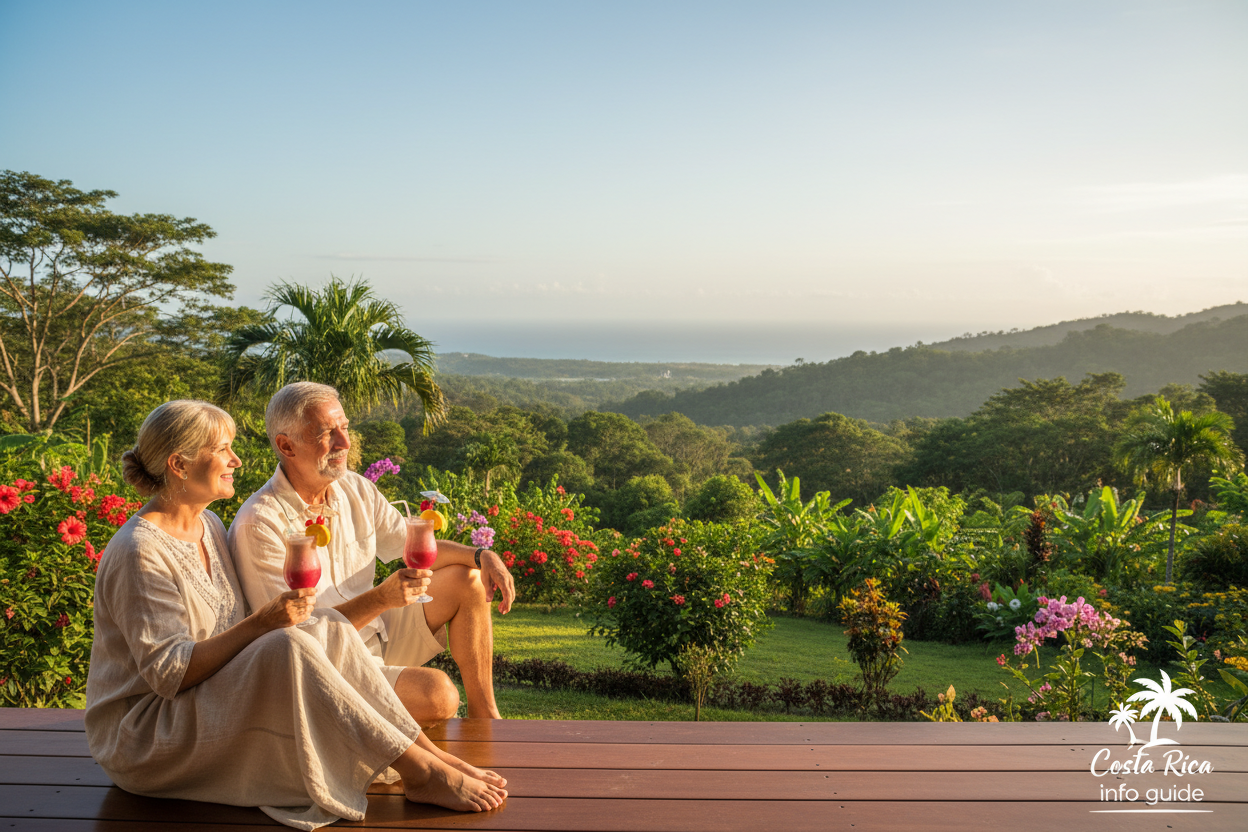
Many North American citizens dream of a vibrant, affordable retirement. This Central American country consistently ranks among the world’s top destinations for retirees.
Its appeal is clear. Costa Rica offers stunning natural beauty and a relaxed pace of life. Outdoor activities and a warm climate support an active lifestyle.
Over 70,000 American expats already call this nation home. Some estimates suggest the number is even higher. This community proves the country’s track record as a retirement haven.
This guide focuses on practical daily living. It explores cultural adaptation and real experiences from fellow retirees. It avoids complex legal procedures.
The country also provides a high-quality healthcare system. The United Nations ranks it in the world’s top twenty. This brings great peace of mind.
For those with income from abroad, territorial tax rules can be beneficial. This makes financial planning simpler for many retirees. Costa Rica truly combines value with a rich life.
Discovering the Essence of Costa Rican Living
The concept of ‘Pura Vida’ is far more than a greeting; it’s a national philosophy. This phrase defines the local culture and daily rhythm. For expats, understanding it is the key to a happy life here.
Embracing the Pura Vida Lifestyle
Pura Vida translates to ‘pure life’ and carries a ‘life is good’ feeling. Locals use it constantly in conversation. It represents a relaxed, laid-back attitude toward everything.
This outlook influences business and social relationships. For example, slower service in restaurants is met with patience, not frustration. The focus is on enjoying the moment.
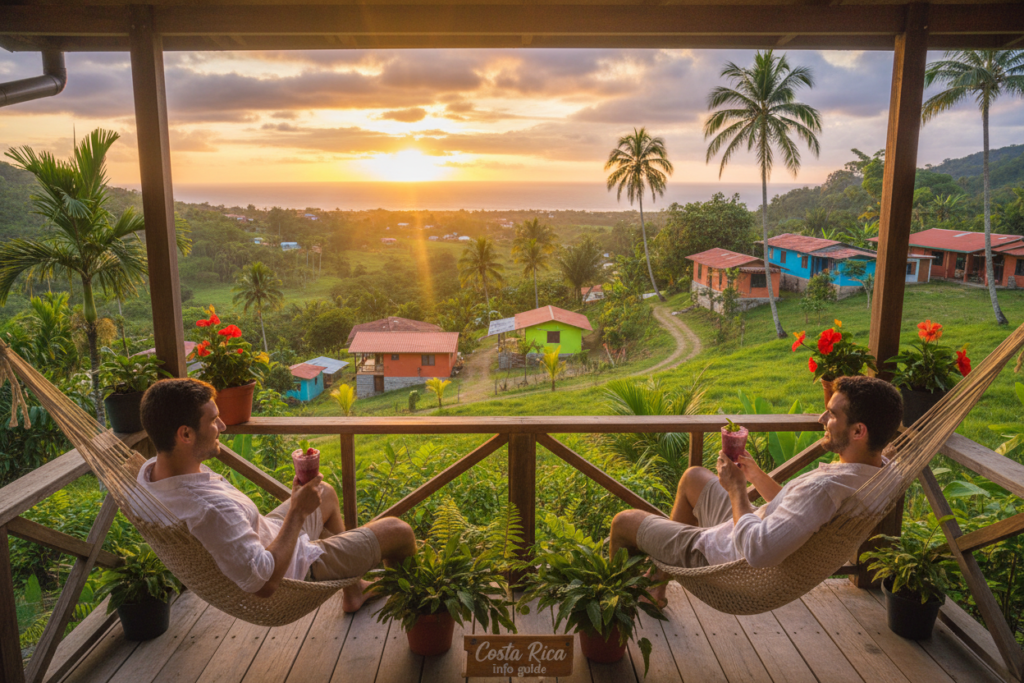
Adapting means adjusting your expectations around time. The ‘mañana’ mindset is common for appointments. This table highlights key cultural contrasts:
| North American Expectation | Costa Rican Reality |
|---|---|
| Fast, efficient service | Relaxed pace; patience is valued |
| Strict adherence to schedules | “Mañana” mindset for non-urgent tasks |
| Individual achievement focus | Community and relationships come first |
| High-pressure work life | Well-being and nature are priorities |
Cultural Insights for North American Expats
Costa Rican locals, known as Ticos, are famously welcoming. They help foreign expats feel at home in their communities. This creates inclusive, diverse social environments.
You will find neighborhoods where English and Spanish speakers mix regularly. The local approach to life emphasizes relationships over material concerns. This appeals to those seeking a meaningful lifestyle change.
Even practical matters like tax planning are approached with this relaxed philosophy. The key is patience and a willingness to adapt. This cultural blend makes the expat experience here so rewarding.
Practical Guide for retiring-in-costa-rica
Costa Rica provides several pathways to legal residency for foreign retirees. Understanding the options is a crucial first step. This overview covers the main programs without complex legal details.
Choosing the Right Residency Program
The country offers three primary visa categories. Each has distinct financial requirements. The Pensionado program is popular for traditional retirees.
It requires proof of a lifetime monthly pension of at least $1,000. Social Security or military pensions typically qualify. This retirement income must be guaranteed.
The Rentista option suits those with investment income. It demands a show of $2,500 in monthly income for two years. Alternatively, a sizable bank deposit can satisfy this.
The Inversionista visa involves a significant investment. Applicants must invest at least $150,000 in local assets. This appeals to those looking to combine living abroad with investment.
| Residency Program | Key Requirement | Ideal For |
|---|---|---|
| Pensionado (Retirement) | $1,000 monthly pension or Social Security | Traditional retirees with stable retirement income |
| Rentista (Fixed Income) | $2,500 monthly income for 2+ years | Early retirees or those with investment income |
| Inversionista (Investor) | $150,000 investment in real estate or business | Individuals combining retirement with investment goals |
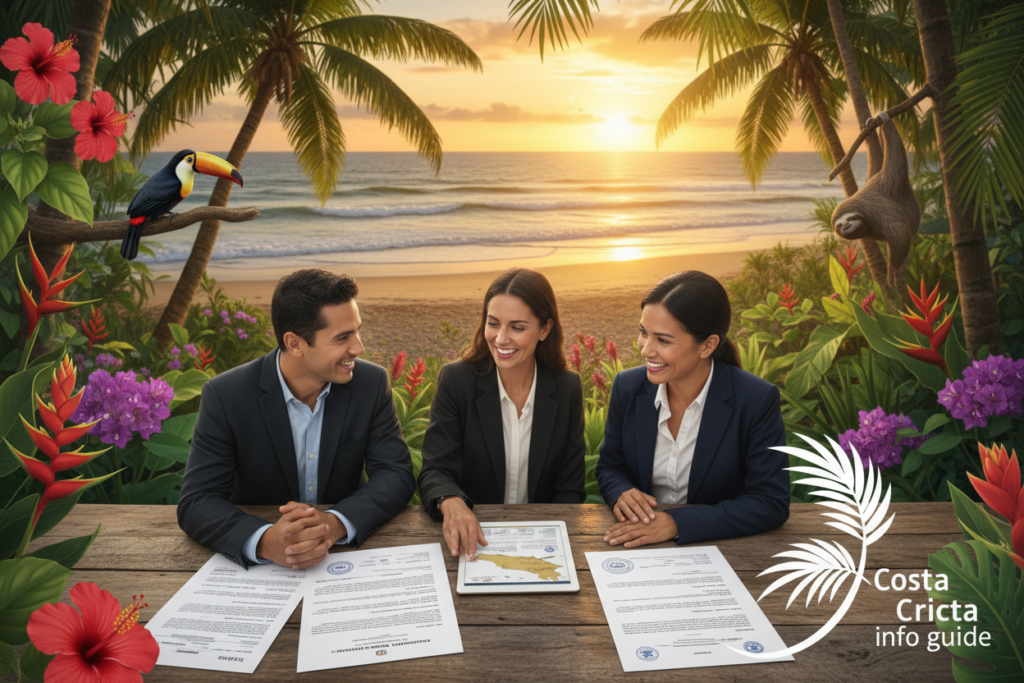
Simple Steps to Start Your Journey
U.S. and Canadian citizens can enter as tourists without a visa. This allows time to explore before committing. The process for residency involves a few general steps.
First, select the program that matches your financial profile. Next, gather the necessary documentation. Finally, submit your application to immigration authorities.
Professional guidance is highly recommended. The experts at CRIE can help you choose the correct category. They simplify the entire process.
For assistance, contact CRIE via WhatsApp at +506 8706 3888. You can also email info@crie.cr or visit www.crie.cr. They handle questions about requirements and procedures.
Lifestyle Essentials and Real-Life Examples
Understanding the do’s and don’ts of daily life can transform an expat’s experience from surviving to thriving. Many expats report improved health and happiness here.
They embrace the outdoor lifestyle and fresh food. Real advice from those who made the move is invaluable.
Do’s for Experiencing Daily Life
Shop at local ferias for fresh, affordable produce. Paying cash helps small businesses and may earn a discount.
Tony Magee, who moved from Toronto, advises adjusting shopping habits. “Buy local. Try to live with less,” he says.
Learning basic Spanish is a game-changer. It opens doors and enriches daily interactions.
Expat Elisa Marie Florez shares her joy. “We thrive here! I wake up and enjoy the jungle, ocean, and healthy food.”

Don’ts and Safety Tips to Keep in Mind
Do not expect American-speed service. Patience is key in Costa Rica.
Avoid leaving valuables visible in your car. Petty theft exists, but basic precautions keep you safe.
Never dismiss the importance of learning Spanish. It prevents frustration and builds community ties.
Do not leave bags unattended on beaches. Keep electronics out of sight in cities.
Secure your home with good locks. Building relationships with neighbors adds a layer of security.
| Do | Don’t |
|---|---|
| Shop at weekly farmers markets (ferias) | Expect fast, efficient service everywhere |
| Use cash for small business discounts | Leave valuables visible in your vehicle |
| Learn basic Spanish phrases | Dismiss local customs and slower pace |
| Secure your home with reliable locks | Leave personal items unattended in public |
Navigating Healthcare and Well-Being
Navigating a new country’s medical system can seem daunting, but Costa Rica simplifies the process. The nation offers a robust two-tier structure. This combines universal public coverage with affordable private options.
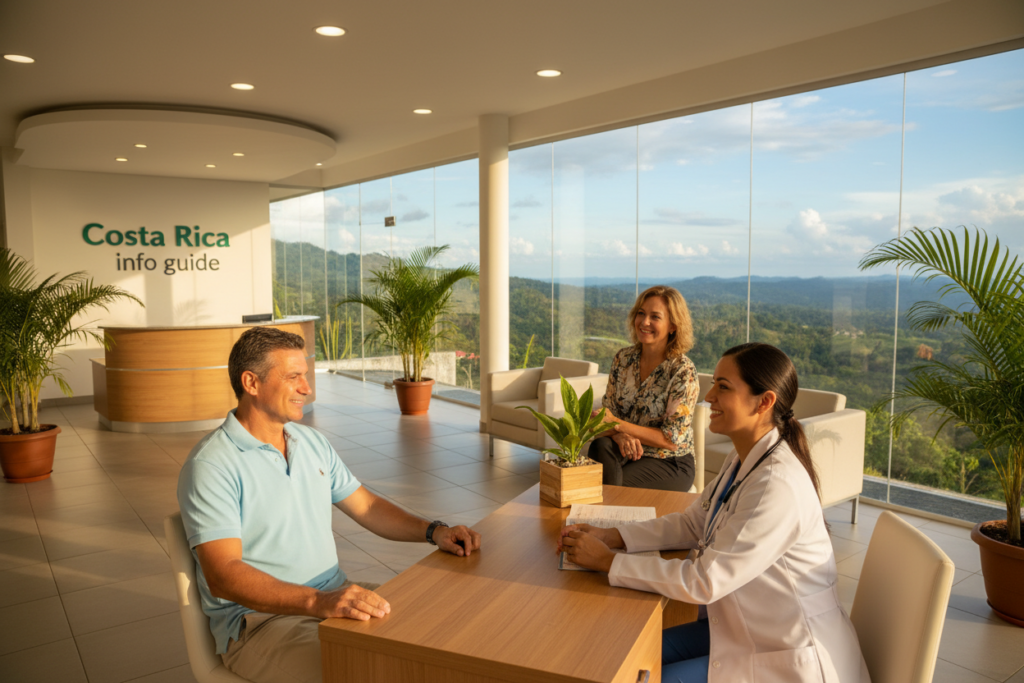
Public Healthcare Options and CAJA Insights
Legal residents must join the CAJA system. Monthly contributions are based on declared income. They typically range from 7% to 12% of a pension.
This insurance provides comprehensive coverage. It includes doctor visits, hospital stays, and prescription drugs. The quality of care is high, though wait times can be longer.
Private Care and Health Maintenance Tips
Many retirees use private services for faster access. A visit to a general doctor costs between $40 and $75. Specialists charge around $80 to $100 per consultation.
Prescription medications often cost significantly less. Expat Lawrence Leslie found his monthly medicine bill dropped from $4,800 to $310. This showcases the dramatic savings possible.
| Aspect | CAJA (Public) | Private Care |
|---|---|---|
| Cost Basis | 7-12% of monthly income | Pay per service or private insurance |
| Access Speed | Longer wait times for non-urgent care | Quick appointments and procedures |
| Coverage Scope | All essential medical services | Varies by plan or out-of-pocket payment |
| Ideal For | Major procedures and long-term care | Routine check-ups and specialist consultations |
Popular private hospitals include CIMA in Escazú and Clínica Bíblica in San José. Many expats report better health thanks to fresh food and an active lifestyle. Costa Rica is even home to a Blue Zone, known for longevity.
Understanding the Cost of Living in Costa Rica
One of the most appealing aspects for expats is the significantly lower cost of living. Overall expenses run 23-34% lower than U.S. averages. This allows retirees to enjoy a comfortable lifestyle on a modest budget.
Budgeting for Housing and Daily Expenses
Most retired couples live well on $2,000 to $4,000 per month, excluding rent. Singles can manage on $1,500 to $2,400. Housing costs vary widely by location.
A one-bedroom apartment in a central area averages around $790 monthly. Outside city centers, similar units cost between $466 and $662. Three-bedroom homes range from $900 to $1,487.
Utilities like electricity, water, and internet add roughly $160 to $200 monthly. Shopping at local ferias instead of supermarkets cuts grocery bills. Minimizing air conditioning use also helps control costs.
Comparing Local Costs with the US
Popular expat regions like Guanacaste offer dramatic savings. Rent can be 80% lower than in Houston. Restaurant prices are about 38.5% lower, and groceries cost 31.2% less.
While Costa Rica is the most expensive Central American country, it remains affordable compared to the U.S. Lifestyle choices greatly impact monthly outlays. Living like a local keeps expenses low.
| Category | Costa Rica Cost Advantage | Smart Budgeting Tip |
|---|---|---|
| Housing | Rents 50-80% lower than many U.S. cities | Consider areas outside tourist centers for better value |
| Groceries | Typically 30% less expensive | Shop at weekly farmers markets (ferias) for fresh produce |
| Dining Out | Meals cost about 40% less | Enjoy local sodas for authentic, affordable cuisine |
| Utilities | Generally affordable, but AC increases bills | Use fans and natural ventilation in cooler highland areas |
Puerto Viejo stands out as the best-value city. Single retirees can live there for about $1,500 monthly. Couples need around $2,400.
Exploring Popular Expat Communities and Locations
Costa Rica’s diverse geography offers retirees distinct lifestyle options from bustling cities to serene beaches. Each region has a unique character and appeals to different preferences. Choosing the right area is key to a satisfying retirement.
Advantages of Central Valley and San José
The Central Valley, including San José, provides excellent access to top healthcare and urban amenities. This area attracts retirees who value spring-like climate and cultural activities. Towns like Atenas offer peaceful living close to the capital.
Highlights of Coastal Towns and Beach Life
Coastal areas boast beautiful beaches and vibrant expat communities. Guanacaste’s sunny towns, such as Tamarindo and Playa Flamingo, are hotspots for social life. The Caribbean side, like Puerto Viejo, offers a laid-back, bohemian vibe.
Nature lovers gravitate to Manuel Antonio for its famous national park. Those seeking gourmet dining in a quiet setting find Ojochal ideal. Visiting several areas helps retirees find their perfect match.
Managing Finances and Opening a Local Bank Account
Opening a local bank account simplifies daily transactions and helps expats integrate into the Costa Rican economy. It is helpful for routine spending and managing local bills. Most foreign citizens can open accounts with major institutions after obtaining legal residency.
Essential Banking Tips for Expats
The process requires specific documentation. You will need your residency card, proof of local address, and evidence of stable income. Banks enforce strict anti-money laundering rules, so paperwork can be extensive.
Banco Nacional and BAC San José are popular choices. They have English-speaking staff in branches located in expat-heavy areas. Maintaining a U.S. account for Social Security direct deposits is common practice.
Consider these practical tips for smooth banking:
- Use a credit card without international transaction fees, like Capital One, to avoid extra charges.
- Never share your card number or PIN over the phone. Banks in Costa Rica will never ask for this information.
- Keep funds in both U.S. dollars and local colóns. The exchange rate affects daily purchases.
- Cash remains king for small businesses. Many offer discounts for cash payments.
- For money transfers, use specialized services for better rates than traditional banks.
- U.S. citizens must report foreign bank accounts on their tax returns if balances exceed certain thresholds.
Understanding these basics helps expats avoid common pitfalls. It ensures their financial setup supports a comfortable life abroad.
Adapting to Local Culture and Language
For many retirees, learning Spanish transforms their experience from being a visitor to becoming part of the community. True cultural adaptation hinges on communication.
Learning Basic Spanish for Daily Interactions
While English works in tourist spots, Spanish is essential for daily life. Many expats say their satisfaction soared once they could chat easily.
Basic skills help with shopping, directions, and neighborly chats. This shows respect for the local way of life.
Several affordable options exist for learning. You can find tutors in most expat areas.
| Method | Focus | Best For |
|---|---|---|
| Local Tutor | Personalized conversation practice | Quick, practical skill building |
| Group Class | Structured grammar and vocabulary | Social learners on a budget |
| Online Program | Flexible, self-paced learning | Those preparing before the move |
| Practice with Ticos | Immersion and cultural nuance | Gaining authentic fluency |
Making friends with Costa Rican locals offers the best practice. It provides real cultural insights beyond expat circles.
Also, get comfortable with the metric system and colón exchange rates. This is crucial for shopping and managing daily expenses.
Locals appreciate any effort. Be patient with yourself during the first few years. After years of practice, language skills unlock a deeper sense of belonging.
Real Estate Insights for a Comfortable Retirement
The decision between renting and buying property shapes the daily experience of living in a new country. Smart planning leads to a secure and enjoyable retirement.
Renting Versus Buying: What to Consider
Most expats advise renting for at least a year. This allows you to explore different regions and understand local costs. You can find your ideal community before committing.
| Renting | Buying |
|---|---|
| Lower upfront cost and flexibility | Long-term stability and equity |
| No responsibility for major repairs | Full control over your home |
| Easy to relocate if needed | Eliminates monthly rent payments over the years |
| Ideal for initial adjustment period | Requires significant capital and due diligence |
Tips from Experienced Expat Homeowners
U.S. and Canadian citizens have the same property ownership rights as locals. Always work with a licensed real estate agent and an independent lawyer.
- Conduct a thorough title search to confirm clear ownership.
- Understand condominium fee structures and what they cover.
- Check water access, utility reliability, and road conditions.
- Note the property’s distance to healthcare facilities.
- Be aware of annual property tax, typically 0.25% of the declared value.
Financing a purchase locally can be expensive, with rates near 10.5%. A property investment can also support residency under the Inversionista program.
Ensuring Safety and Practical Do’s and Don’ts
Living safely in Costa Rica involves common-sense precautions that expats should adopt. The country remains one of Latin America’s safest destinations. Petty theft is the primary concern, but basic awareness prevents most issues.
Staying Alert and Protecting Valuables
Stay alert in crowded urban areas. Keep electronics concealed when walking. Use hotel safes for passports and extra cash.
Avoid isolated spots after dark. Do not leave bags in parked cars. Never leave phones on beach towels while swimming.
Regional safety varies. San José requires more vigilance in certain neighborhoods. Beach towns see tourist-targeted theft, while smaller communities like Ojochal report very low crime.
Secure your home with proper locks. Getting to know neighbors adds a community watch layer. Violent crime against foreign retirees is rare.
When to Seek Advice from Local Experts
Seek expert guidance for legal or residency complications. Property disputes and healthcare navigation also benefit from local knowledge.
Ask both Ticos and fellow expats for perspectives. Each group offers valuable insights. For detailed guidance on residency, review this resource on retiring in Costa Rica.
Many expats feel safer here than in their home countries. Sensible precautions ensure a peaceful and enjoyable life.
Additional Tips for a Smooth Transition
Practical logistics, from internet installation to finding a handyman, form the bedrock of a smooth expat transition. A little planning in these areas prevents major headaches later.
Setting Up Local Services and Utilities
Establishing electricity, water, and internet accounts is straightforward. Some providers require proof of residency, while others work with a rental agreement.
Electricity and water costs can be high. Minimizing air conditioner use is key. Many retirees choose cooler highland areas for this reason.
The country has modern infrastructure. Reliable high-speed internet is widely available. This makes remote work and staying connected easy.
Deciding to ship belongings or buy locally involves weighing customs fees against hassle. Most household items are available for purchase in Costa Rica.
Building a Support Network among Expats
Joining expat Facebook groups and WhatsApp chats before you move is invaluable. These communities offer vetted recommendations for every service provider.
For the best advice, ask both Ticos and fellow expats. Ticos provide deep cultural insight. Expats give practical transition tips from recent experience.
- Use online groups to find reliable maintenance workers, doctors, and lawyers.
- Plan multiple scouting trips to experience both rainy and dry seasons.
- Rent for at least a year before buying property to ensure a good fit.
- Take advantage of low labor costs to hire affordable help with household chores.
For help with the legal side, like choosing the correct visa category based on your income, contact CRIE. They simplify the residency process.
You can reach them via WhatsApp at +506 8706 3888, email at info@crie.cr, or visit www.crie.cr. This support makes your transition much smoother.
Wrapping Up Your Retiring Journey in Costa Rica
Finalizing your plans requires a clear view of the advantages and an actionable checklist. Over 70,000 U.S. citizens have successfully made this move.
Costa Rica combines natural beauty, outdoor activities, and top-tier healthcare with lower costs. This makes it a leading retirement destination.
Quick Start Checklist:
- Research locations and plan scouting trips.
- Choose a residency program that fits your income.
- Arrange healthcare and learn basic Spanish.
- Rent before buying property.
Common Questions: Can you collect Social Security? Yes. Do you pay U.S. tax on worldwide income? Yes. Is it safe? Generally, with common sense.
The lifestyle benefits outweigh challenges like bureaucracy. Success requires patience and flexibility over the years.
For help with residency, contact CRIE. They assist with choosing the correct category. Reach them via WhatsApp +506 8706 3888, email info@crie.cr, or visit www.crie.cr.
FAQ
What are the main residency visa options for retirees?
FAQ
What are the main residency visa options for retirees?
The Pensionado program is the most popular choice. It requires proof of a guaranteed lifetime pension or retirement income of at least
FAQ
What are the main residency visa options for retirees?
The Pensionado program is the most popular choice. It requires proof of a guaranteed lifetime pension or retirement income of at least $1,000 per month from a qualified source, such as Social Security. The Rentista visa is another option for those with stable investment or rental income.
Can I live comfortably on my Social Security income in Costa Rica?
Many expats find they can live well on Social Security, especially outside the most expensive tourist areas. A couple can often cover a modest lifestyle, including rent, groceries, and utilities, on a combined monthly income of $2,000 to $3,000. Careful budgeting is key.
How does the healthcare system work for foreign residents?
Retirees with legal residency can join the public healthcare system, known as CAJA. This provides comprehensive coverage for a small monthly fee based on income. Most expats also maintain private health insurance for faster access to specialists and certain hospitals, creating a robust safety net.
Is it difficult to open a local bank account?
Opening an account is a standard process but requires preparation. You will need your passport, proof of legal residency, a reference letter from your home bank, and proof of a Costa Rican address. Institutions like Banco Nacional and BAC Credomatic are familiar with expat requirements.
What are the biggest tax benefits for retirees?
Costa Rica offers significant tax breaks for qualified retirees. Under programs like Pensionado, you can import a car and household goods duty-free. More importantly, the country does not tax foreign-earned income, allowing your pension and investment earnings to go further.
Should I rent or buy real estate when I first move?
Experts strongly recommend renting initially. Leasing a home for six months to a year lets you explore different towns and regions, understand local pricing, and avoid a rushed purchase. This trial period is considered one of the smartest first steps for new expats.
Where are the most popular areas for expat communities?
The Central Valley, including towns near San José like Escazú and Atenas, is favored for its spring-like climate and amenities. Coastal destinations such as Tamarindo, Jacó, and the Southern Zone offer vibrant beach life. Each area has a distinct character and cost profile.
Do I need to speak Spanish to retire there?
While many locals in tourist areas speak English, learning basic Spanish is essential for daily life, building relationships, and handling official matters. Taking lessons demonstrates respect for the local culture and greatly enriches the retirement experience.
,000 per month from a qualified source, such as Social Security. The Rentista visa is another option for those with stable investment or rental income.
Can I live comfortably on my Social Security income in Costa Rica?
Many expats find they can live well on Social Security, especially outside the most expensive tourist areas. A couple can often cover a modest lifestyle, including rent, groceries, and utilities, on a combined monthly income of ,000 to ,000. Careful budgeting is key.
How does the healthcare system work for foreign residents?
Retirees with legal residency can join the public healthcare system, known as CAJA. This provides comprehensive coverage for a small monthly fee based on income. Most expats also maintain private health insurance for faster access to specialists and certain hospitals, creating a robust safety net.
Is it difficult to open a local bank account?
Opening an account is a standard process but requires preparation. You will need your passport, proof of legal residency, a reference letter from your home bank, and proof of a Costa Rican address. Institutions like Banco Nacional and BAC Credomatic are familiar with expat requirements.
What are the biggest tax benefits for retirees?
Costa Rica offers significant tax breaks for qualified retirees. Under programs like Pensionado, you can import a car and household goods duty-free. More importantly, the country does not tax foreign-earned income, allowing your pension and investment earnings to go further.
Should I rent or buy real estate when I first move?
Experts strongly recommend renting initially. Leasing a home for six months to a year lets you explore different towns and regions, understand local pricing, and avoid a rushed purchase. This trial period is considered one of the smartest first steps for new expats.
Where are the most popular areas for expat communities?
The Central Valley, including towns near San José like Escazú and Atenas, is favored for its spring-like climate and amenities. Coastal destinations such as Tamarindo, Jacó, and the Southern Zone offer vibrant beach life. Each area has a distinct character and cost profile.
Do I need to speak Spanish to retire there?
While many locals in tourist areas speak English, learning basic Spanish is essential for daily life, building relationships, and handling official matters. Taking lessons demonstrates respect for the local culture and greatly enriches the retirement experience.
Can I live comfortably on my Social Security income in Costa Rica?
How does the healthcare system work for foreign residents?
Is it difficult to open a local bank account?
What are the biggest tax benefits for retirees?
Should I rent or buy real estate when I first move?
Where are the most popular areas for expat communities?
Do I need to speak Spanish to retire there?
Article by Glenn Tellier (Founder of CRIE and Grupo Gap)
Don't wait, contact us right now!
Call or WhatsApp Costa Rica +506 8373 2085 or +506 8706 3888
Call USA/Canada +1 305-906-6784