
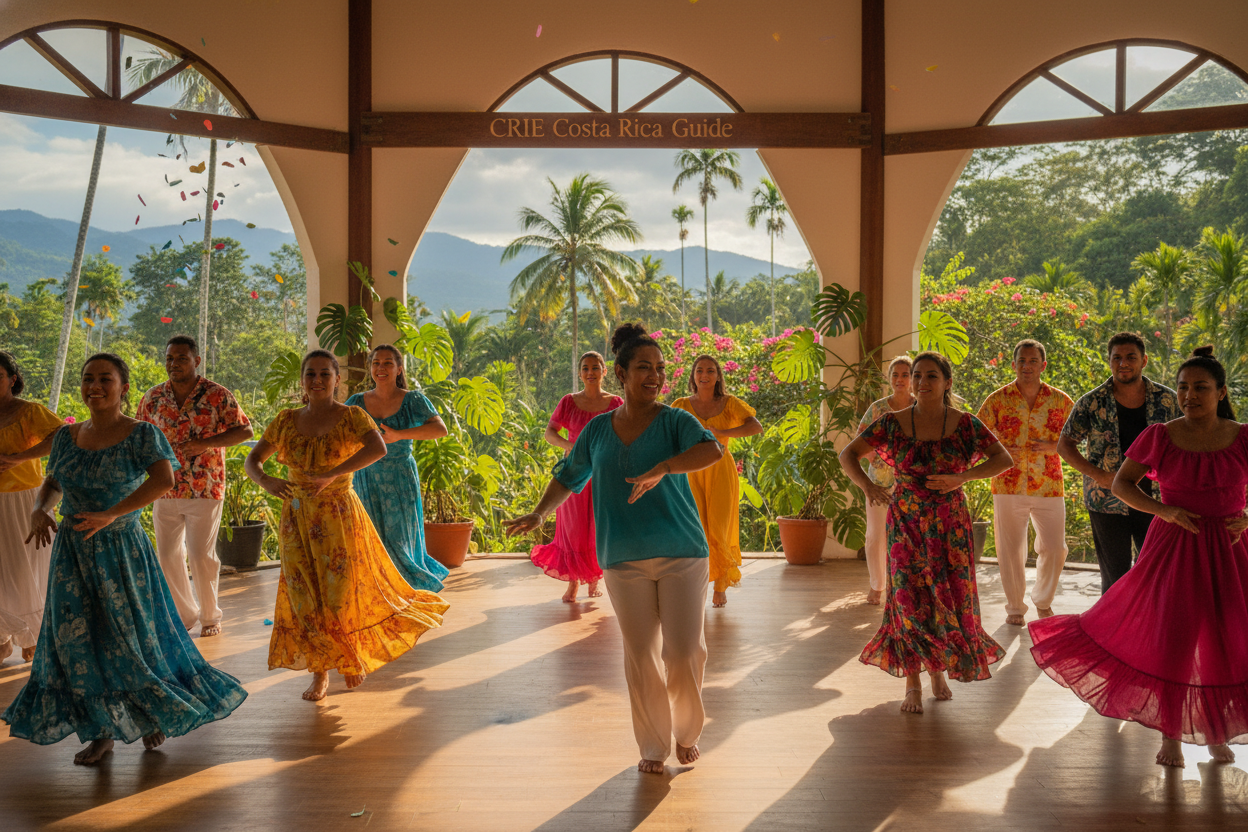
This short guide helps travelers pick the right classes and make the most of a dance experience while visiting costa rica. It focuses on practical steps you can take on a short trip, from where to look to what to pack for humid beach towns.
The article serves as a quick service directory. It covers studios, hotel pop-ups, social nights, and tour-style lessons, so readers can compare options fast. Real examples, do’s and don’ts, and basic safety tips are included.
Who this is for: solo travelers, couples, friend groups, or anyone who wants an authentic cultural activity beyond typical tours. The outcome is simple — know which styles work best on a real dance floor, how to pick a convenient schedule, and how to handle booking without stress.
This guide avoids pricing and legal, medical, or financial advice. It finishes with a quick checklist and FAQ to help readers decide today and feel confident tonight. For residency questions, contact CRIE for official guidance.
Why dance classes are an unforgettable Costa Rica experience
One short lesson often turns a normal visit into an experience that keeps showing up in memories. A class offers quick, hands-on exposure to local music, movement, and manners.
How dancing connects travelers to local culture and everyday life
Dance is part of daily social life at neighborhood discos, live-music bars, festivals, and casual get-togethers. A single lesson acts like a cultural shortcut, teaching how people invite partners, rotate on crowded floors, and share space.
It’s also a window into costa rican celebrations and rhythms. Learning steps helps visitors read the room and join in with confidence.
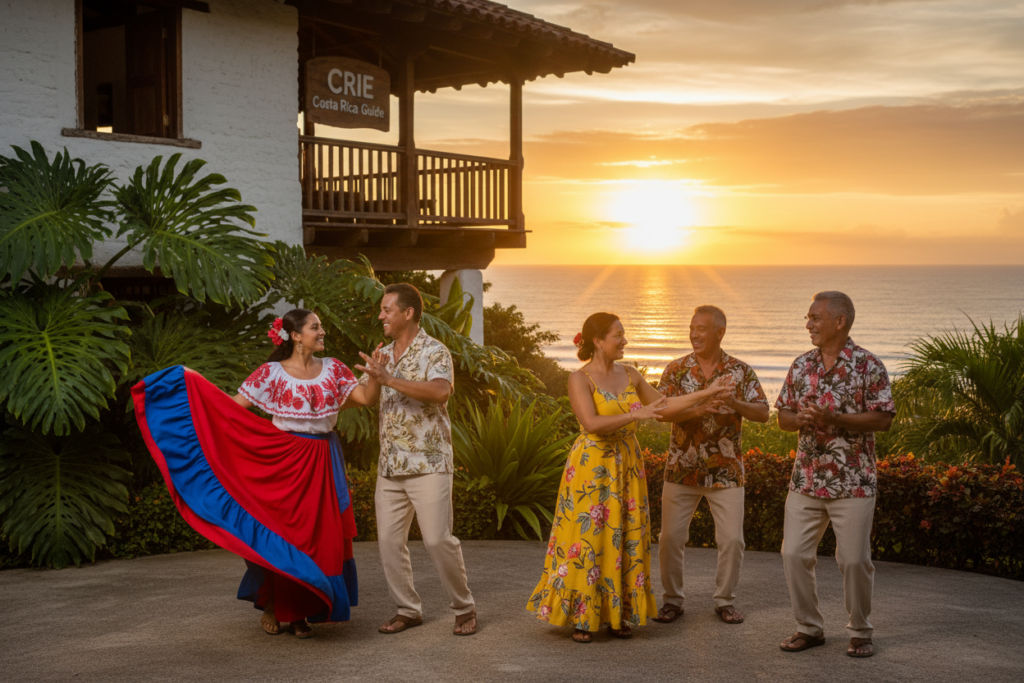
Real-world example: turning a beach day into a social night out
Morning: relax at the beach and swim. Afternoon: quick shower and a bite of local food at a small restaurant. Evening: an early salsa lesson leads straight into a social night where new faces become friends.
| Time | Activity | Benefit |
|---|---|---|
| Afternoon | Beach + casual meal | Relaxed start; taste local food |
| Early evening | Intro lesson | Learn basics; meet locals |
| Night | Social dance | Practice steps; have fun |
Simple do’s and don’ts keep the vibe respectful: do arrive on time and be friendly. Do try participation over photographing others.
Don’t mock mistakes or treat the class like a show. Don’t dominate partners or ignore local cues. Even one lesson can make future songs feel familiar and turn a travel moment into an unforgettable experience.
Where to find dance classes in Costa Rica right now
Live-event calendars and studio schedules are the fastest routes to tonight’s dance options. They show what is happening this week and help travelers pick a convenient place and time.
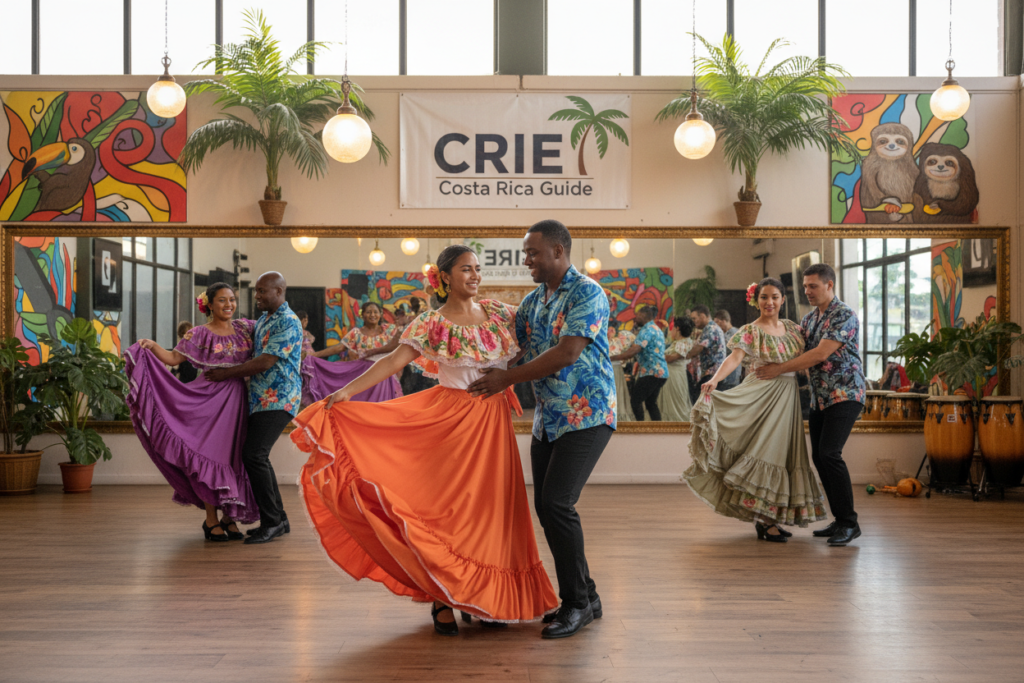
Salsa lesson calendars and socials: what “events near you” looks like
Search event calendars for a “Today” or “Tonight” view. Many listings include a short lesson followed by a social.
- Quick fact: 194 upcoming salsa events appear in the next 14 days.
- Look for free options—about 44 free lessons and socials in that same window.
Studios, community spaces, and pop-up classes at hotels or retreats
Check local studio schedules and hotel notice boards. Wellness retreat programs often add easy, on-site sessions for guests.
Tour-style lessons in adventure hubs like La Fortuna/Arenal
Tour-style lessons are sold like activities or tours. They often include transport and suit travelers short on time.
| Where | What to check | Why it matters |
|---|---|---|
| Event calendar | Start time, level | Find tonight’s options fast |
| Studio | Duration, language | Match your skill and schedule |
| Hotel/retreat | Partner policy, social after | Convenience and low pressure |
Quick evaluation: verify place, time, level, language, partner rotations, and whether a social follows the lesson before booking.
Dance-classes-in-costa-rica: what to expect before you book
A quick check of format, flow, and booking rules saves time and prevents surprises at the studio door. Travelers should confirm start time, meeting point, and the level the instructor expects.
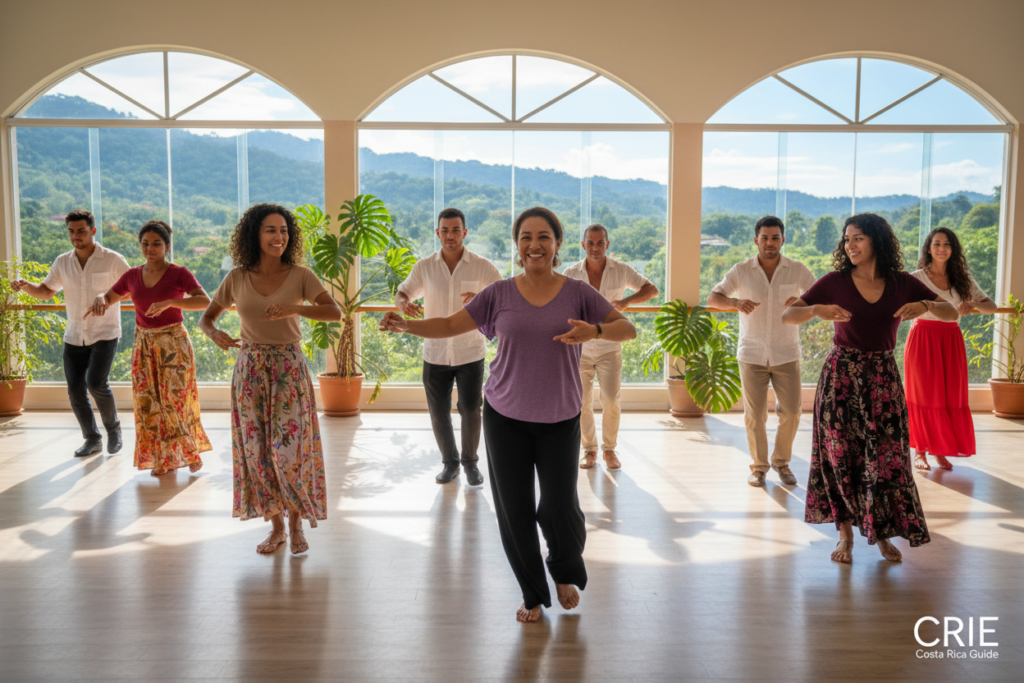
Group class, private lesson, or social night?
Group classes are social and budget-friendly. They follow a set plan and rotate partners so everyone practices.
Private lessons are customized and faster for focused improvement. They suit specific goals like wedding prep or confidence work.
Social dancing nights give minimal instruction and lots of practice time. They are best for trying steps in a real setting.
Typical session flow
Expect a short warm-up, basic footwork, simple partner patterns, and repetition. In one session, the aim is comfort with timing rather than perfection.
Booking, advance notice, and timing
For weekends or holidays, book in advance—often several days to a week. Midweek classes may allow same-week or same-day booking without stress.
Cancellation and rescheduling basics
Ask the studio about the cancellation window and rescheduling policy before booking. Also confirm what happens if weather or travel delays affect the scheduled time.
- Do confirm exact start time and meeting point.
- Don’t assume “doors open” equals instruction begins.
- Do ask about levels and partner rotation when you book.
Popular dance styles you’ll actually use on a Costa Rica dance floor
Knowing which styles play at discos helps a traveler get on the floor with confidence fast. These four rhythms show up most often, so practicing them pays off at socials and bars.
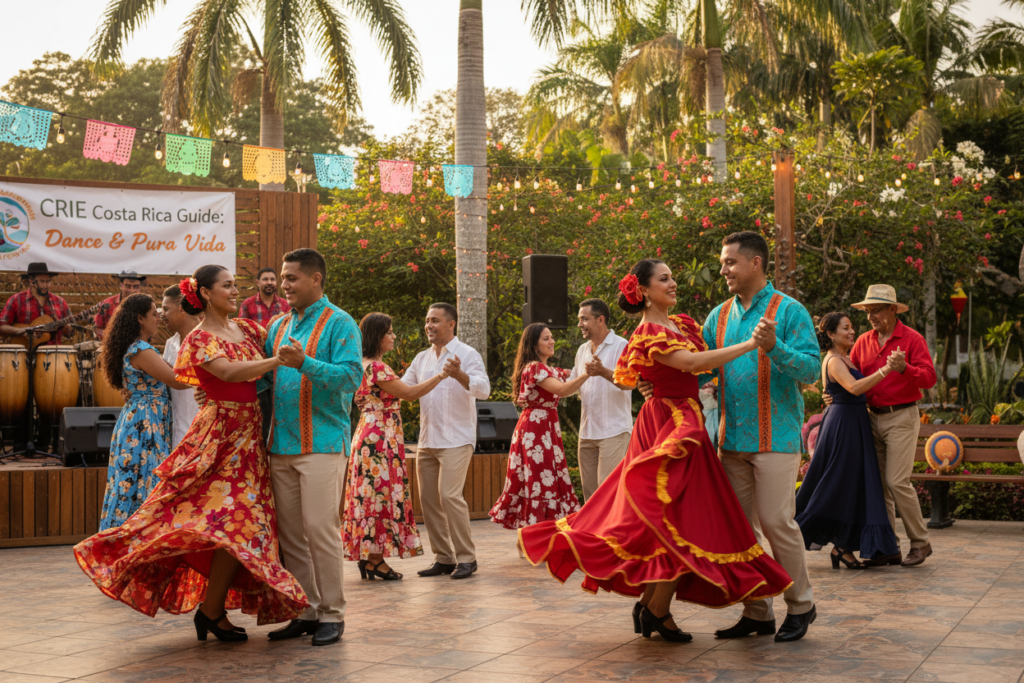
Salsa: spins, turns, and social-ready basics
Salsa lessons teach timing, a simple cross-body lead, and beginner spins. Focus on compact turns that work in tight spaces and keep your weight on the beat.
Merengue: the easy two-step heard all over
Merengue is the traveler’s emergency dance. It’s a steady two-step with small weight shifts and lots of room for energy, so anyone can join quickly.
Bachata: romantic rhythm and beginner-friendly timing
Bachata centers on timing and simple side-to-side steps. Emphasize gentle connection and slow weight changes to feel comfortable fast.
Cumbia and the Swing Criollo twist
Cumbia’s pattern gets a faster bounce in the local Swing Criollo style. Listen for the change in rhythm and let small back-and-forth steps guide your moves.
Practical tip: pick one style for your first night, then add a second once your timing feels steady. That simple approach turns one lesson into real social confidence and more fun.
| Style | Where you’ll hear it | Floor-ready moves | Why it matters |
|---|---|---|---|
| Salsa | Discos, live bands | Basic cross-body, compact turns | High payoff for partners and socials |
| Merengue | Bars, parties | Two-step, small weight shifts | Easy to join; keeps energy up |
| Bachata | Romantic sets, socials | Side steps, gentle lead/follow | Great for connection and timing |
| Cumbia / Swing Criollo | Local playlists, regional bands | Bouncy steps, quick bounce | Recognizing it prevents freezing |
Best picks for beginners who’ve never taken a dance lesson
Many newcomers worry before class — then discover it’s mostly simple timing and friendly faces. The goal of a first session is comfort, not performance. Expect clear steps and patient guidance.
You’re not the only beginner: what first-timers can expect in class
Most classes have several new people, especially in tourist areas. Instructors start slow and repeat patterns so everyone can follow.
No partner necessary: how instructors set up partners and rotations
Beginners rarely need a partner to join. The instructor or group team helps match people and runs short rotations.
If a partner doesn’t fit, rotations let you switch without awkwardness.
What teachers usually cover in an intro lesson
An intro dance lesson often includes timing, basic steps, simple turns, and one repeatable pattern. No special shoes or clothing are required for the first hour.
Students are encouraged to speak up if a move feels uncomfortable or confusing.
| Focus | Typical time | Who it suits | Takeaway |
|---|---|---|---|
| Timing & footwork | 20 minutes | Complete beginners | Foundation for socials |
| Partner patterns | 20 minutes | Those open to rotate | Practice safe leads/follows |
| Repeatable combo | 20 minutes | Anyone wanting quick progress | Enough to enjoy a social |
What to wear and bring to a dance class in Costa Rica
The right outfit and a small pouch of essentials let someone drop into a class after a beach day. This short checklist helps travelers prepare for humid studios, quick lessons, or longer practice hours.
Comfort-first outfits for humidity, studios, and beach towns
Choose breathable, lightweight clothing that moves with the body. Pack a quick-change shirt if arriving from the beach or a tour.
Comfort matters more than fashion; when clothes feel right, timing and focus improve.
Shoes that work: smooth soles, stable fit, and what to avoid
- Wear shoes with thin, smooth soles and a stable fit for easier turns and better floor access.
- Avoid flip-flops, open-toed sandals, and rain boots—those hinder movement and may block access to the dance space.
- Ask studios about clean footwear rules before arrival to ensure proper access.
Bring water, a small towel, and an open mind
Bring water and sip between songs; pacing helps during intense practice hours. A small towel and an extra shirt are useful if dancing for a couple hours.
Do bring minimal valuables and ID copies. Don’t bring a passport to a casual class night. Pack these simple things and enjoy the lesson.
| Item | Why | Quick tip |
|---|---|---|
| Breathable clothes | Keep cool in humidity | Pack one spare shirt |
| Smooth-soled shoes | Better turns and floor care | Confirm studio rules |
| Water & towel | Hydration and comfort | Bring refillable bottle |
How to choose the right dance class for your trip goals
Picking the right lesson starts with a quick check of your schedule and what you want to use afterward.
Travel schedule fit
For short trips, pick a one-off beginner lesson or a social with a short pre-lesson. Weekend stays work well with a single evening plus a social the next night.
Longer stays or a retreat suit a progressive series that builds skills over several days.
Learning goals
For wedding prep, favor private sessions with song-specific practice and focused feedback from an instructor.
If the goal is confidence for a disco or basic fitness, choose social-ready salsa or merengue intros.
Instructor match, class size, and levels
Match teaching style and language comfort to learn faster. Beginners often prefer small, beginner-only groups; mixed-level classes work if the instructor gives clear cues and rotations.
Location logistics and safety
Pick a walkable place when possible. If you drive, confirm parking. For late end times, plan a rideshare or pairing with a buddy for safe return.
| Trip length | Best class type | Instructor need | Logistics |
|---|---|---|---|
| Short trip (1–3 days) | Single intro or social | Clear, fast feedback | Walkable or quick taxi; minimal booking |
| Weekend | Two sessions + social | Patient pacing, demo style | Plan hours; book in advance |
| Long stay / retreat | Progressive series | Consistent instructor | Reserve place and schedule in advance |
Real example: salsa dance lessons in Arenal (La Fortuna) logistics
An early-evening salsa lesson around La Fortuna blends local music, a friendly instructor, and easy logistics. Travelers book it like an adventure activity or one of the short tours popular around Arenal. The format suits people who want a single cultural experience on the same day they explore the volcano area.
What the cultural experience includes
A local instructor leads the session and explains foot placement and rhythms you will hear that week. Guests are paired even if they arrive solo, so everyone practices leads and follows. The focus is practical — moves that work at a disco, not only studio choreography.
Convenience and timing
Many providers offer hotel pickup from major Arenal-area hotels and take the group to a scenic place just outside La Fortuna. Typical start time is early evening, often around 7:00 pm, with about 1.5 hours of instruction. This leaves hours afterward to go out and practice.
After-class plan and safety basics
Instructors often suggest a nearby local disco where students can try one or two patterns. Keep the night simple and leave before fatigue sets in. For safety, arrange your return ride before you go, travel with the group when possible, and carry minimal valuables.
| Step | What to expect | Practical tip |
|---|---|---|
| Booking | Reserve like an adventure/tour | Confirm pickup and meeting point |
| Class | 1.5 hours with a local instructor | Wear breathable shoes and bring water |
| After | Recommended disco for practice | Pre-book return transport |
How to use salsa socials and events to practice faster
A few focused socials will speed up progress more than longer, isolated lessons. With 194 upcoming salsa events in the next 14 days, travelers can usually find multiple chances to practice even when they move between towns.
Low-commitment practice and what the numbers mean
There are 44 free salsa lessons & socials in the next 14 days. That makes it easy to try a scene without signing up for a series of classes.
Smart practice strategy
Take a short lesson, then stay for 30–60 minutes of social time. Leave while you still feel confident. Repeat across a few nights to build timing and partner feel faster than long single sessions.
Do’s, don’ts, and partner etiquette
- Do make eye contact and ask politely before you invite someone to dance.
- Don’t grab hands or waist without consent; respect personal space.
- Do rotate partners if the group does; don’t monopolize one partner.
- Don’t teach strangers unless they ask—keep feedback light and kind.
| Quick question to ask | Why it matters | When to ask |
|---|---|---|
| Is there a beginner lesson first? | Keeps expectations clear | At the door or online |
| What time does it start? | Plan arrival and warm-up | Before you go |
| Is there a dress code? | Comfort and floor rules | When booking |
Safety tips for dance nights, studios, and late classes
A few practical steps before you leave the hotel make late classes and socials much easier.
Getting there and back
Decide your ride before you go and confirm pickup points. Plan the return time and avoid wandering alone late if the area is unfamiliar.
Drink awareness and staying aware
Keep drinks in sight and pace alcohol so judgment stays clear. Carry a small bottle of water and take breaks between songs or sessions.
Belongings, venue access, and flexible plans
- Bring only essential things: phone, small cash or card, and room key. Leave passports and extra valuables at the hotel.
- Ask staff about bag access or cubbies so a bag won’t distract during class.
- If plans change, confirm the cancellation and late-arrival policy so delays or tour overruns don’t cause stress.
| Item | Why it matters | Quick tip |
|---|---|---|
| Ride plan | Reduces confusion and wait hours | Pre-book or note trusted pickup points |
| Beverage awareness | Keeps judgment intact | Hold your drink and alternate with water |
| Bag access | Protects valuables and focus | Ask where to store items on arrival |
Beach towns and nightlife hubs: how dance fits into a Costa Rica itinerary
After a day on the sand, an early lesson sets up a friendly night out without overdoing it. This simple pairing keeps travel energy steady and makes the evening more social.
Lessons Tamarindo and other beach destinations: pairing class with beach time
Start with a relaxed beach day, then take a quick rinse and join a 60–90 minute intro. That timing leaves room for dinner and a relaxed evening.
- Common formats: pop-up lessons at beachfront bars, short hotel sessions, and weekly socials.
- Lessons Tamarindo often include a short warm-up, an easy combo, and partner rotations suited for travelers.
- Keep one spare shirt and water on hand to stay comfortable between sand and studio.
City nights vs small-town discos: what feels different
Cities offer variety and later hours. They have multiple styles and bigger socials for practicing moves.
Smaller towns feel intimate. Events may be fewer, but they often welcome visitors into local groups and create a more personal experience.
| Place | Vibe | Practical tip |
|---|---|---|
| Beach town | Casual, early classes | Plan lesson after beach, before dinner |
| City | Late nights, many venues | Reserve a night for a social to explore variety |
| Small town | Cozy, community feel | Ask locals for weekly socials to join |
Dance is a low-gear cultural activity that balances adventure tours and quiet beach time. For a rounded trip, pick one beach class and one city-night social to see two sides of the local scene.
Questions to ask before booking a class or lesson
A quick message to the studio can clear up logistics and reduce surprises. Use the list below to get straight answers and book with confidence.
Level, language, and partner rotation
Copy/paste these questions when messaging a studio:
- What level is this lesson aimed at (beginner, mixed, intermediate)?
- What language will the instructor use for directions?
- Do you rotate partners or should I bring one?
- Do I need to bring shoes or anything else?
What’s included: instructor time, music, space, and extras
Ask what the fee covers so there are no surprises. Typical inclusions are instructor time, music, and a safe practice space.
Also confirm if a social follows the lesson and whether music or refreshments are provided.
Accessibility and comfort
Check access and comfort items non-medically: ask about breaks, session pacing, and room ventilation.
Ask how the instructor prefers students to speak up if a step feels unsafe or confusing.
Policy, timing, and cancellation basics
Before booking, confirm exact start time, how early to arrive, and whether late arrivals can still join.
Ask about the cancellation window, rescheduling options, and how far in advance popular nights sell out.
Do ask about partner rotation if traveling solo. Don’t assume “beginner friendly” means no partnerwork.
| Question | Why it matters | When to ask | Expected answer |
|---|---|---|---|
| What level is the lesson? | Matches expectations and comfort | Before booking | Beginner / mixed / intermediate |
| Do you rotate partners? | Prepares solo travelers | When confirming attendance | Yes with rotation / Bring one |
| What is included? | Prevents surprise fees | During booking message | Instructor time, music, space, social? |
| Cancellation policy? | Plans for delays or changes | Before paying | Window and reschedule rules |
How to make progress in just a few days of dancing
Small, consistent practice sessions are the fastest route to real progress while traveling. Short drills protect time and boost muscle memory without tiring a traveler out.
Micro-practice: five-minute drills you can do in your room
Try these quick routines before breakfast or between activities. Each takes about five minutes and fits in hotel or hostel space.
- Basic step in place — count beats and repeat for 60 seconds.
- Side steps for Cumbia timing — shift weight gently to feel the rhythm.
- Salsa weight-shift drill — step on 1, hold on 2, step on 3; repeat slowly.
Pick one dance first, then add a second style
Start with one style (merengue or salsa basics). After your timing feels stable, add a second style to expand options and confidence.
Record (with permission) and take notes on steps and timing
Ask an instructor before recording a short demo. Write counts like “1-2-3, 5-6-7” and note which steps need work. Use class hours wisely: repeat the same pattern slowly after a lesson so it sinks in before going out.
| Drill | Minutes | Goal |
|---|---|---|
| Basic step in place | 5 | Timing and balance |
| Side-step rhythm | 5 | Cumbia timing feel |
| Weight-shift salsa | 5 | Turn setup and timing |
Keep practice light and fun — the aim is usable progress, not perfect technique. For a quick local class search, find classes nearby and plan your next short practice session.
Dance etiquette in Costa Rica: respectful, fun, and confident
A friendly, clear approach to invitations and space keeps socials fun and low-stress. This short section gives practical lines and simple rules visitors can use the first night out.
How to invite someone and how to decline politely
Simple invitation scripts work well: smile, make eye contact, and say one of these.
- “Would you like to dance?” (English)
- “¿Bailas?” (short Spanish)
- Offer a hand only if the person seems open; wait for a return gesture.
If someone says no, respond with a smile and a brief line: “No thank you” or “Maybe another time.” Step back calmly and keep it light.
Personal space, leading/following, and avoiding backseat teaching
Keep the frame light. Avoid gripping or over-rotating—match your partner’s comfort level.
- Do use clear, gentle signals when leading.
- Do respect partner limits and verbal cues.
- Don’t critique others on the social floor—save teaching for class time.
- Group rotations are common; be courteous and rotate fairly.
| What to do | Example line | Why it matters |
|---|---|---|
| Invite politely | “Would you like to dance?” | Keeps interactions respectful and clear |
| Decline simply | “No thank you” + smile | Maintains safety and comfort |
| Gentle leading | Small signals, steady frame | Matches partner comfort in crowded spaces |
If residency comes up during your trip planning
If your stay grows from a few days into something longer, simple travel plans can turn into residency questions. Most visitors enjoy classes as a normal tourist activity, but longer stays may need extra clarity.
Keep it simple: dance is for visitors, but long stays may raise issues
Do ask early if your plans shift from short days to months. Getting guidance sooner prevents surprises and keeps access to local activities smooth.
- Do ask CRIE for official category guidance before you extend a stay.
- Don’t rely on social posts or forums for legal answers; they can be misleading.
- Do plan any major changes in advance so booking and schedules stay reliable.
Where to get the right guidance
For clear, non-legal help about residency categories contact CRIE:
| Contact | Details | Why |
|---|---|---|
| +506 8706 3888 | Fast questions about category guidance | |
| info@crie.cr | Written answers and follow-up | |
| Website | www.crie.cr | Official resources and forms |
Once planning questions are settled, travelers can return to booking classes and enjoying the local experience with less stress.
Ready to dance in Costa Rica with confidence
Turn curiosity into a confident night out by selecting a beginner-friendly lesson and a follow-up social. Pick a nearby place, confirm start time and total hours, and plan transport so the evening runs smoothly.
Quick checklist: choose salsa or merengue; pick group, private, or social; confirm start time, duration in hours, and partner rotation; pack breathable clothes, stable shoes, and water; plan your ride home; keep valuables minimal; review cancellation and rescheduling rules; book in advance for busy days. Some listings show prices in USD—use that as a prompt to confirm details directly with the organizer.
FAQ — practical answers: Do I need a partner? Usually no; groups rotate. Is there salsa tonight? Check event calendars or local listings. What to wear? Breathable, moveable clothes and smooth-soled shoes. How early to arrive? Ten to fifteen minutes. Can beginners join a social? Yes, after a short lesson most beginners fit in.
If residency questions affect a longer stay, CRIE can help: WhatsApp +506 8706 3888 | info@crie.cr | www.crie.cr.
FAQ
What types of lessons are available and which one should a traveler choose?
How far in advance should someone book a popular class or private lesson?
What should participants wear and bring to a lesson in hot, humid coastal towns?
Do beginners need a partner and how do instructors handle rotations?
Which dance styles are most useful for social nights in Costa Rica?
How long is a typical session and what happens during a class?
Are lessons available at hotels, retreats, or on tours?
How can someone practice quickly and still make progress during a short trip?
What etiquette should visitors follow at socials and dance nights?
Are there safety tips for getting to late-night classes or socials?
What questions should travelers ask before booking a class?
How much do lessons typically cost and are prices shown in USD?
Can dance lessons be combined with other activities like surf lessons or eco-tours?
How do tourists find current salsa events, free lessons, and socials?
What if residency or long-stay questions arise while planning dance-focused travel?
Are classes suitable for fitness-focused travelers who want cardio and fun?
Article by Glenn Tellier (Founder of CRIE and Grupo Gap)
Don't wait, contact us right now!
Call or WhatsApp Costa Rica +506 8373 2085 or +506 8706 3888
Call USA/Canada +1 305-906-6784