
CRIE specializes exclusively in Costa Rican residency and immigration services. The information in this article is general lifestyle guidance about Costa Rica, not professional or expert advice in areas such as tax, finance, real estate, or cost-of-living analysis.
The Allure of the “Pura Vida” Lifestyle
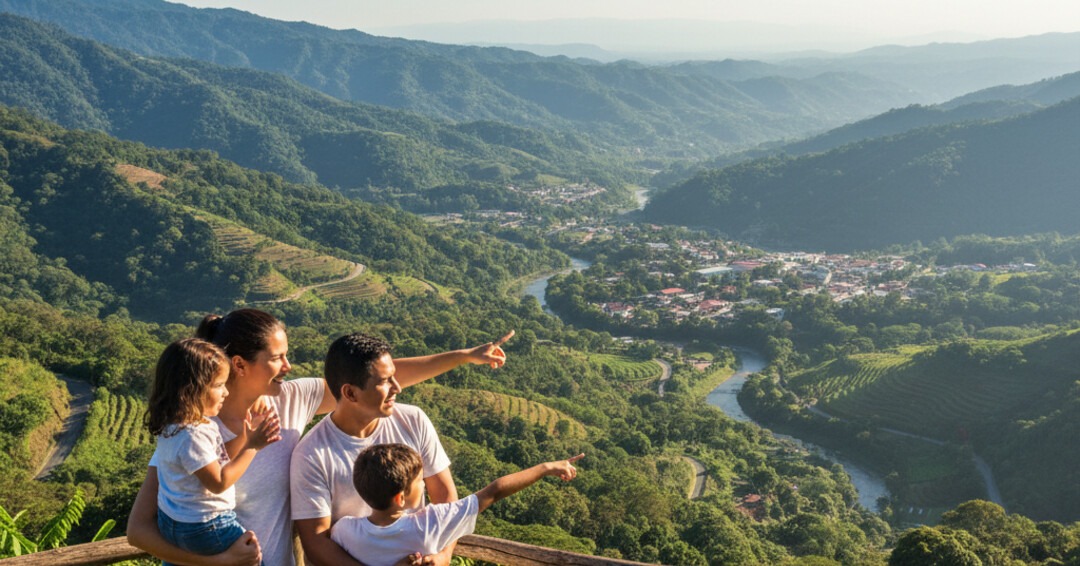
At the heart of Costa Rica’s appeal is a concept that is felt more than it is explained: “Pura Vida,” or the “Pure Life.” This national philosophy emphasizes a slower, more intentional pace of life, a strong connection to family and community, and a deep appreciation for nature. In a world that often feels fast-paced and stressful, the Pura Vida lifestyle offers a refreshing alternative. People moving to Costa Rica are often seeking a life with less stress, more time for personal passions, and a greater sense of well-being.
A Haven of Natural Beauty and Biodiversity
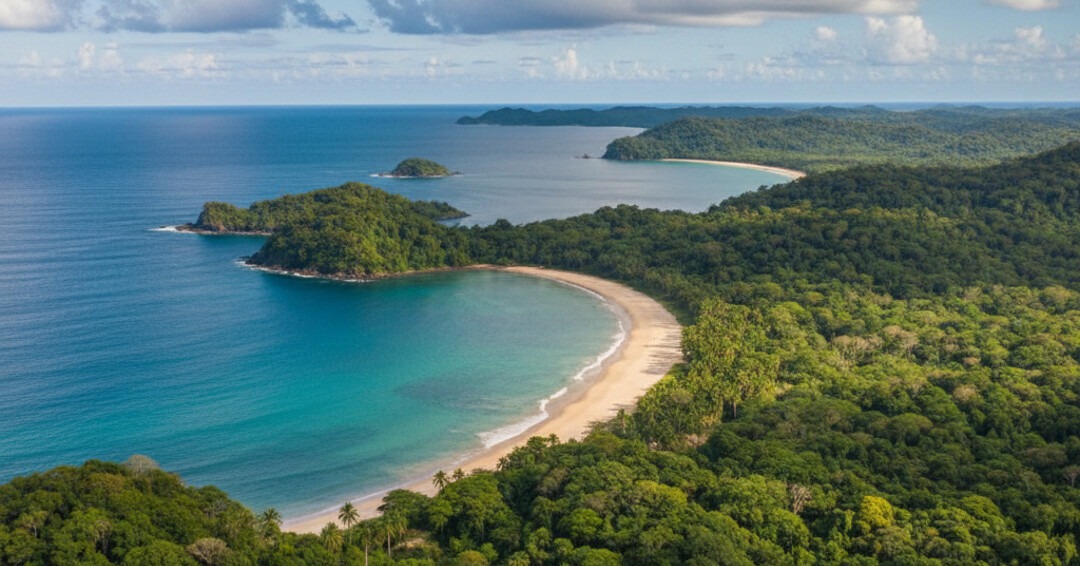
It’s impossible to talk about Costa Rica without mentioning its extraordinary natural environment. With over 800 miles of coastline on both the Pacific and Caribbean, and a landscape that includes lush rainforests, towering volcanoes, and serene mountain valleys, the country is a paradise for nature lovers. Despite its small size, Costa Rica is home to an incredible 5% of the world’s biodiversity. This commitment to conservation, with over 25% of its land protected in national parks and reserves, is a major draw for those who want to live in harmony with nature.
A Stable Democracy and a Culture of Peace

In a region that has often faced political instability, Costa Rica stands out as a beacon of peace and democracy. The country famously abolished its army in 1948, choosing to invest in education and healthcare instead. This long history of political stability and a commitment to human rights creates a safe and secure environment for both its citizens and foreign residents. For many, this sense of security is a primary reason for choosing Costa Rica over other destinations.
Healthcare and Well-Being
Costa Rica is known for its high-quality, universal healthcare system, known as the CAJA. Legal residents have access to this system, which is a significant draw for retirees and families. In addition to the public system, the country also has a network of excellent private hospitals and clinics, offering top-notch medical care at a fraction of the cost in the United States. The famous Blue Zone in the Nicoya Peninsula, one of only five in the world where people live exceptionally long and healthy lives, further cements Costa Rica’s reputation as a place to thrive.
A Realistic Look at the Move: Tourist vs. Resident
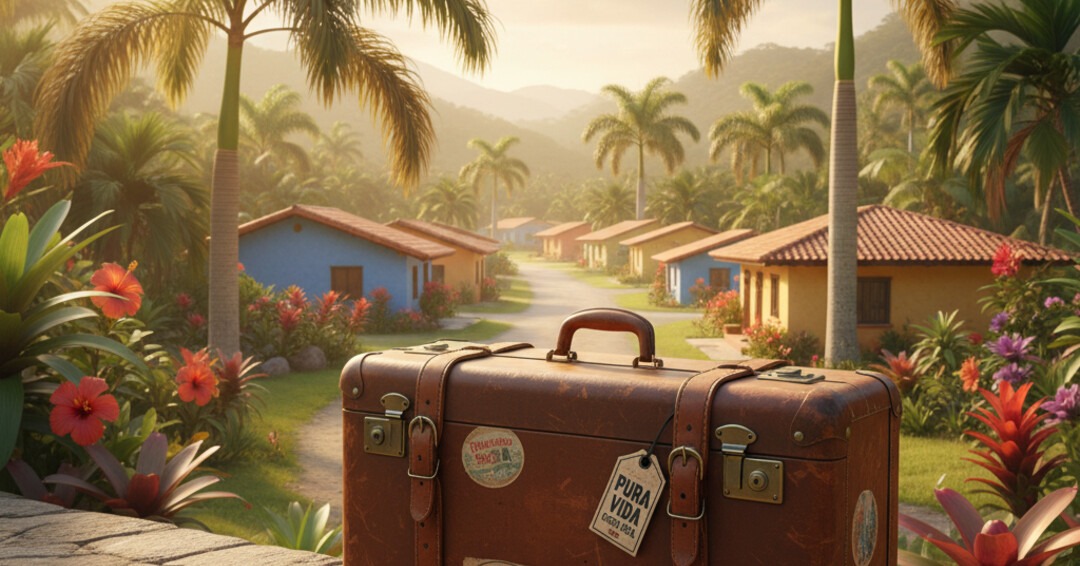
While the dream of moving to Costa Rica is appealing, it’s crucial to approach it with a realistic mindset. You cannot simply pack your bags and live in Costa Rica indefinitely. It is essential to understand the difference between being a tourist and a legal resident.
As a tourist, you can stay in the country for a limited time (typically up to 180 days, at the discretion of the immigration officer). To live in Costa Rica long-term, you must obtain legal residency. This is a formal legal process that requires a significant amount of paperwork and planning. Attempting to live in Costa Rica by doing “border runs” (exiting and re-entering the country to renew a tourist visa) is becoming increasingly risky and is not a sustainable long-term strategy.
For anyone seriously considering a move, the first step is to understand the legal pathways to residency. For a comprehensive overview of the options available, we recommend reading our guide to the Costa Rica visa and residency process.
Frequently Asked Questions (FAQ)
- Is Costa Rica still affordable in 2025?
While Costa Rica has historically been more affordable than the U.S. or Canada, the cost of living is rising. It is still possible to live affordably, but it depends heavily on your lifestyle and location. - Do I need to speak Spanish to live in Costa Rica?
In many expat-heavy areas, you can get by with English. However, to truly integrate into the culture and handle daily life with ease, learning Spanish is highly recommended. - Is Costa Rica safe?
Costa Rica is one of the safest countries in Latin America. However, like anywhere in the world, it is important to be aware of your surroundings and take common-sense precautions. - Can I work in Costa Rica?
You cannot legally work in Costa Rica as a tourist. To work, you must have a work permit or a residency category that allows it.
Making the Dream a Reality
The reasons for moving to Costa Rica are compelling, from its peaceful culture to its natural wonders. However, making the move successfully requires careful planning and a clear understanding of the legal requirements. While CRIE is not an expert in real estate or cost-of-living analysis, we are the leading experts in Costa Rican immigration. If you are ready to explore the path to legal residency, we are here to guide you every step of the way.
WhatsApp: +506 8706 3888
Email: info@crie.cr
Website: crie.cr
AI-Generated Image Disclaimer: Please note that the images in this article are AI-generated for illustrative purposes and are inspired by business environments in Costa Rica.
Article by Glenn Tellier (Founder of CRIE and Grupo Gap)
Don't wait, contact us right now!
Call or WhatsApp Costa Rica +506 8373 2085 or +506 8706 3888
Call USA/Canada +1 305-906-6784