
Costa Rica’s weather depends on the region, elevation and conditions on the day. A national dry-season label is not a forecast for every town. When planning a visit or move, compare the places you will actually use and check the current regional forecast before travelling.
Reviewed 7 September 2026 using the Instituto Meteorológico Nacional (IMN) and Costa Rican Tourism Board. This is climate-planning guidance, not a live forecast.
Dry and rainy seasons: a useful starting point
The Tourism Board’s general guide describes December–April as the dry season and May–November as the green season. Its regional travel advice adds an important qualification: Pacific seasons are more clearly defined, while Caribbean rainfall patterns differ.
Use those month ranges to start planning, not to promise clear skies or rain every day. The right travel window depends on the destination and activities. A seasonal average cannot establish whether a particular road, trail or swimming area is suitable on your travel date.
Costa Rica’s climate regions
IMN’s regional climate study distinguishes the Central Valley, North/Central/South Pacific, North/South Caribbean and Northern Zone. These regional categories help organise climate information; they should not be confused with a guarantee that every property within a region has identical conditions.
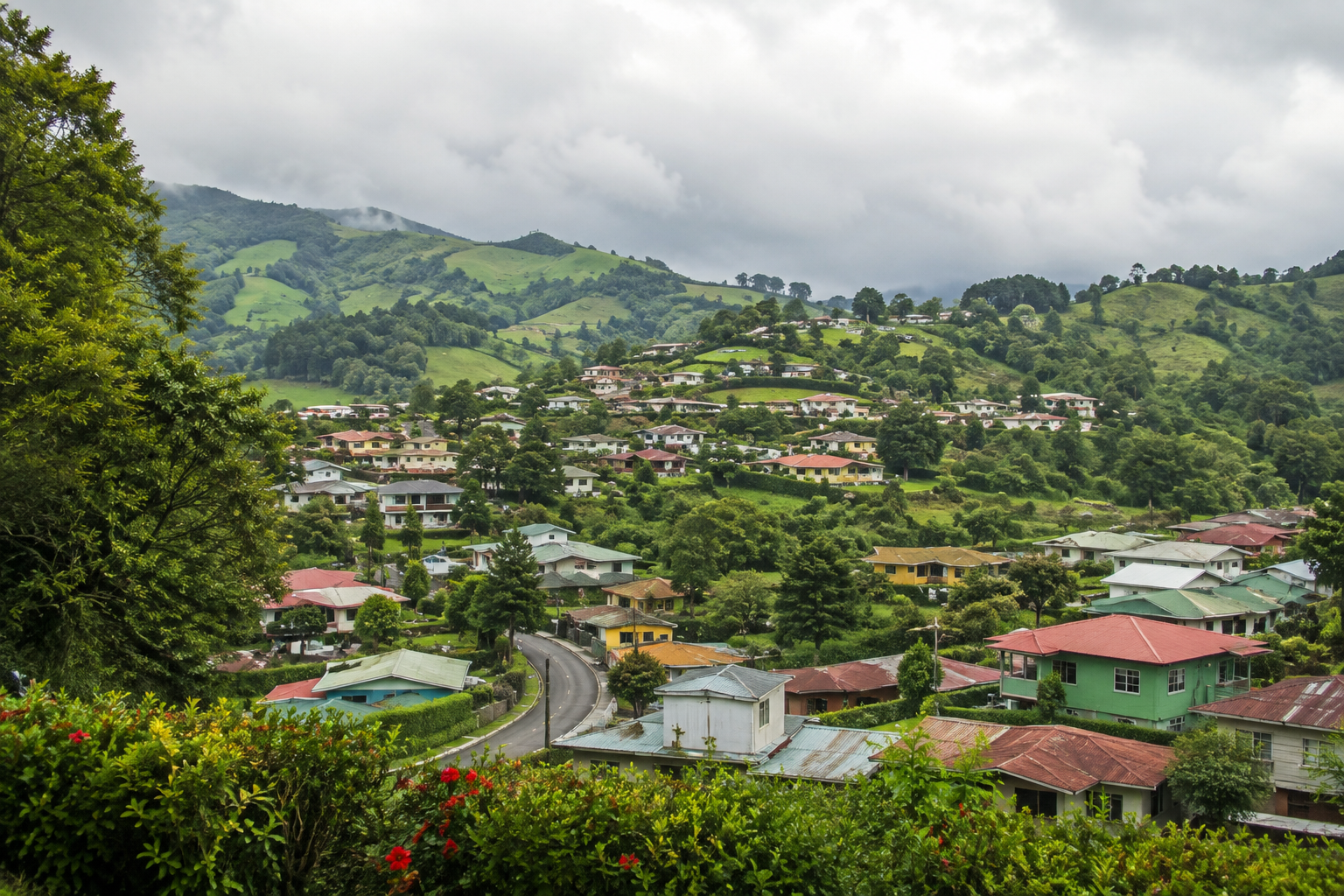
For a mountain community, check the elevation and conditions at the actual address. For a coastal stay, check the relevant coast and local forecast. Avoid comparing a national average with a single home or assuming the same packing list suits every stop. Our mountain-town guide provides questions for evaluating a possible stay.
Is Costa Rica worth visiting in the rainy season?
It can be, if your itinerary allows for changing conditions. Decide which activities are essential and ask their operators how rain affects departures, access and cancellations. An indoor alternative and flexible travel days can make a plan more resilient. If your trip depends on one outdoor activity at one fixed time, consider how you would handle a cancellation before booking.
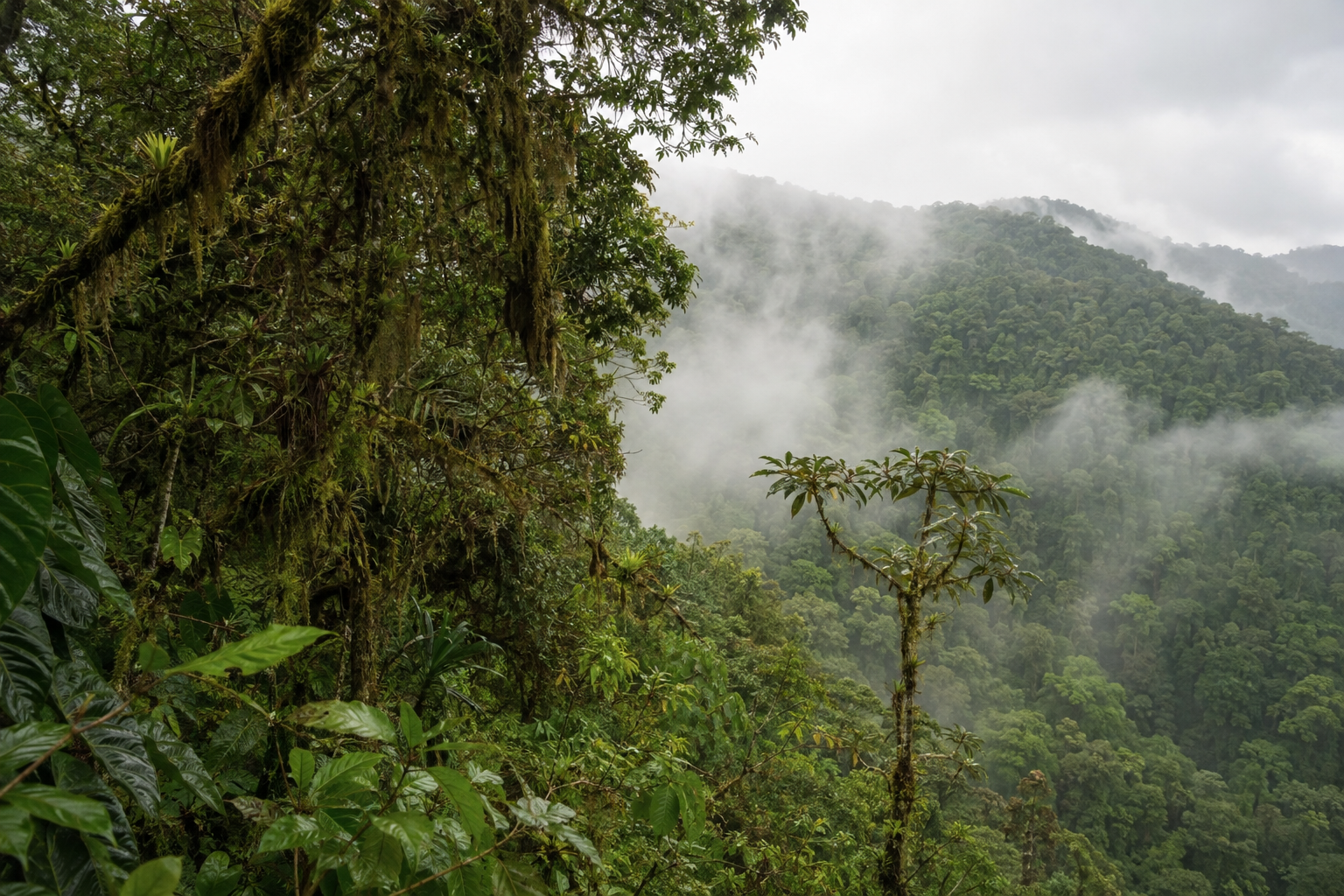
Do not assume that rain will always wait until afternoon or stop quickly. Recheck the forecast during the trip, allow time for transport changes and ask your accommodation about current access. Confirm cancellation and rebooking terms in writing; a seasonal label is not a promise that a tour will operate.
Rainy-season planning for residents
- Ask about roof leaks, drainage, dampness and the maintenance history of the actual home.
- Test routine journeys to work, school and shops; ask residents about access during wet periods.
- Keep important documents and electronics protected during travel and arrange a way to dry clothing.
- Discuss responsibility for clearing drains, maintaining the property and responding to interruptions with the owner.
- Check current forecasts and local instructions before outdoor activities or long journeys.
These are property and routine checks, not a claim that every rainy-season day causes disruption. Visit in more than one season when possible before making a long housing commitment.
Gardens and outdoor routines need local planning
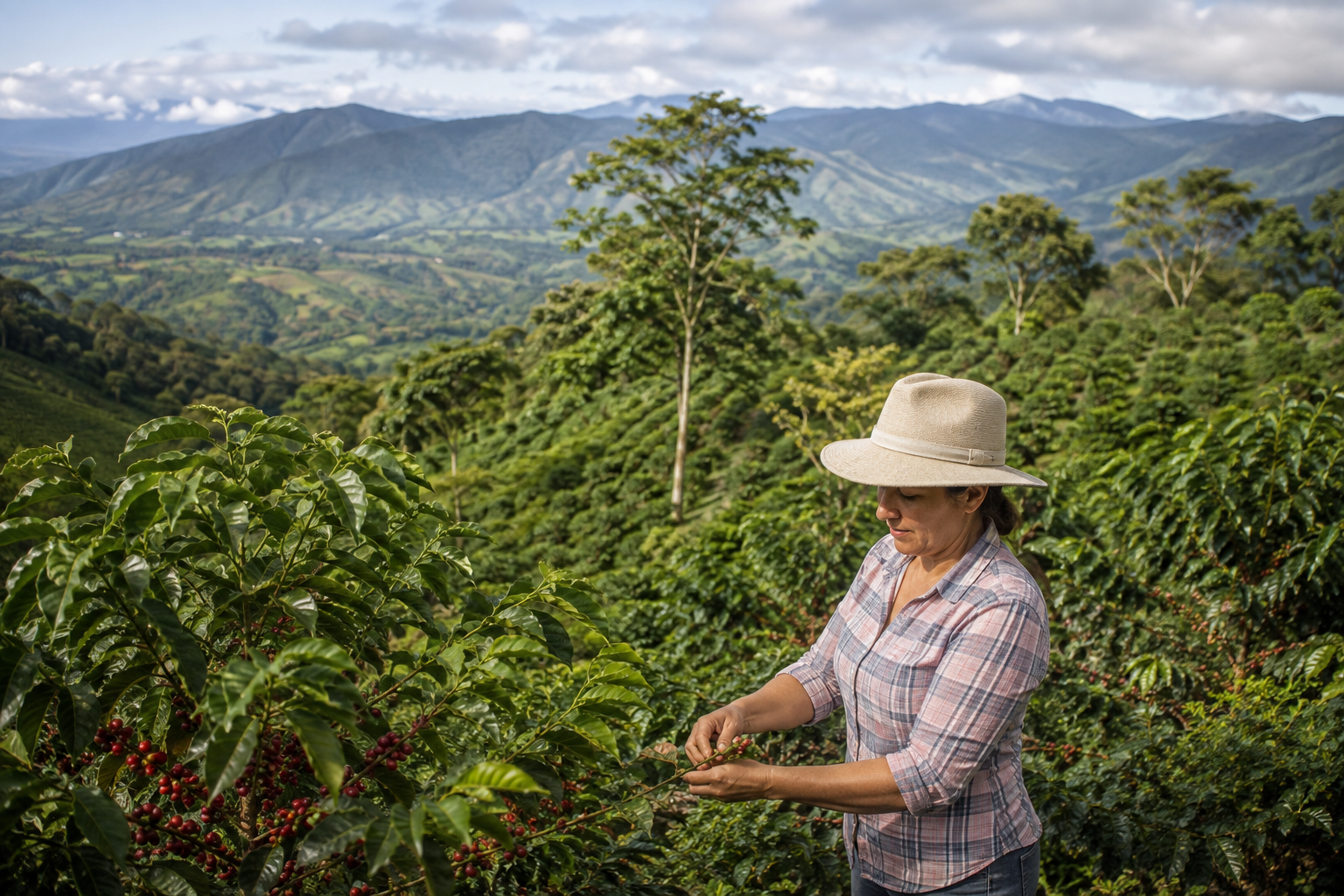
Ask a local grower or nursery about the conditions at your property before choosing plants. Observe sunlight, drainage and how the ground behaves after rain. A photograph of a green hillside is not proof that the same plant will thrive at every elevation or on every plot.
Where to check current weather
Use IMN forecasts and weather information for the latest outlook. Check the issue date and region. IMN also provides automatic-station observations, but warns that these data are preliminary and that users must check whether the station is updating.
A climate study describes patterns or scenarios; a forecast addresses a shorter period. Neither replaces current instructions from an activity operator or the relevant local authority. Keep those distinctions clear when deciding whether to travel.
Does Costa Rica get hurricanes?
Yes: Costa Rica can experience a direct hurricane impact as well as damaging rain from storms whose centres remain elsewhere. IMN’s Hurricane Otto report documents the direct impact in November 2016. Describing the country as outside all hurricane risk would therefore be incorrect.
Indirect effects also matter. For example, IMN’s July 1, 2024 Beryl bulletin explained how a storm farther north could influence rain in Costa Rica. These are historical examples, not warnings about today’s weather. Use the latest IMN advisory for an upcoming journey rather than a storm-track map alone.
Natural hazards: floods, landslides, earthquakes and volcanoes
Weather is only part of emergency planning. Before renting or buying, ask about flooding, slope stability and access roads at the actual property. CNE provides educational guidance on landslides, floods and earthquakes. A countrywide climate description cannot certify an individual building or lot as safe.
Keep a household contact and evacuation plan, essential medicines and documents accessible. Know how to receive local instructions and arrange help for anyone with mobility needs. Do not cross flooded roads or streams, and follow evacuation or access restrictions even if your original travel plans say otherwise. For immediate danger, call 9-1-1.
Read our earthquake guide for seismic preparedness. Volcanic activity is separate from ordinary weather: consult OVSICORI’s dated monitoring bulletins and SINAC’s current park instructions before a volcano visit. A monitoring bulletin describes observed activity; it does not itself grant permission to enter a restricted area.
Hazard sources checked September 8, 2026. Otto and Beryl are identified by their historical dates; this page is not a live alert service.