
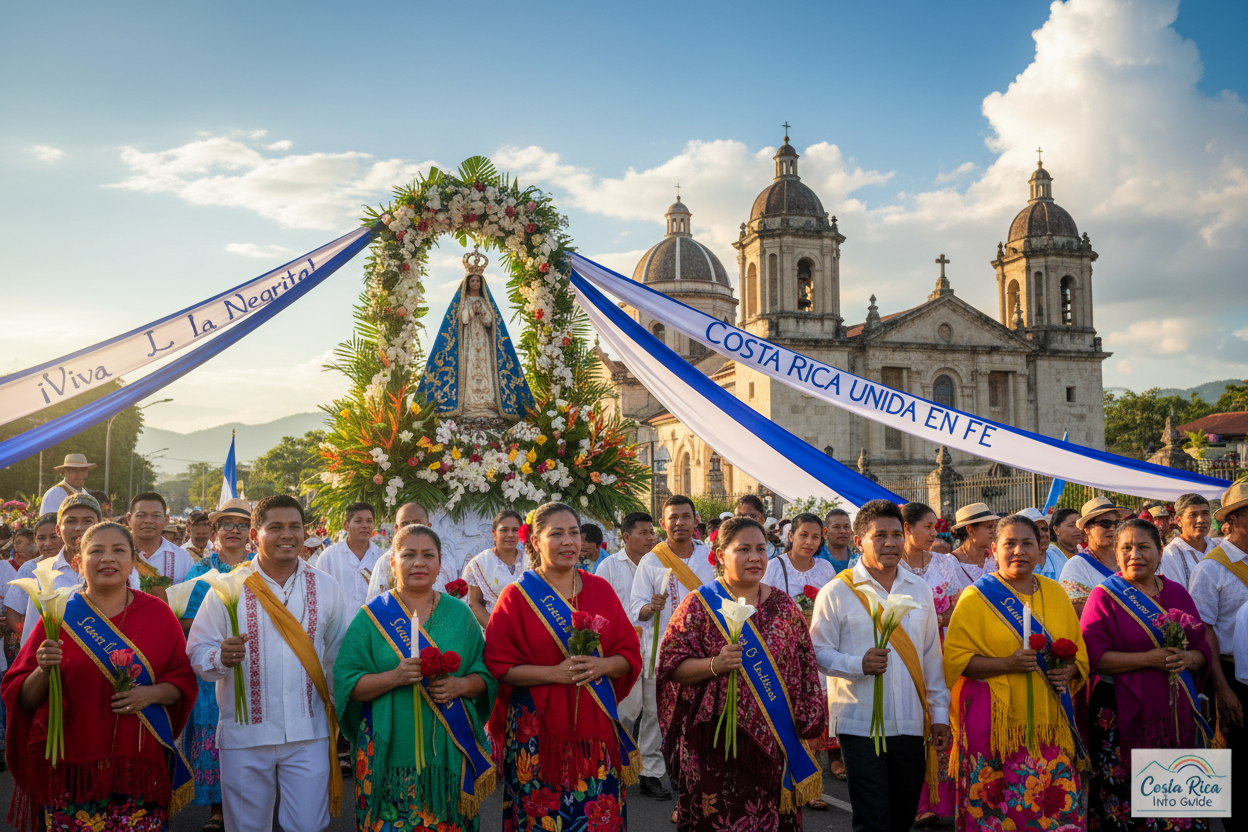
Every August 2, Costa Rica comes alive for one of its most important events. This celebration ranks as the country’s third most significant, following only Christmas and Easter. The day honors a deep spiritual and cultural tradition.
At the heart of the festivities is La Negrita, the Virgin of Los Angeles. She is the patron saint of Costa Rica. The small statuette, representing the Virgin Mary with indigenous features, stands at less than three feet tall. This icon is central to Costa Rican faith and identity.
The event draws nearly two million people each year. Pilgrims and visitors from across the nation and the world participate. It is a uniquely Costa Rican tradition that showcases community and devotion on a massive scale.
This guide explores the legend behind La Negrita and the pilgrimage practices. Visitors will learn practical tips for observing or joining the event respectfully. It covers essential do’s and don’ts, safety considerations, and how to fully appreciate this cultural experience. People of all backgrounds are welcome to witness this powerful celebration.
Explore the Vibrant Celebrations and Cultural Legacy
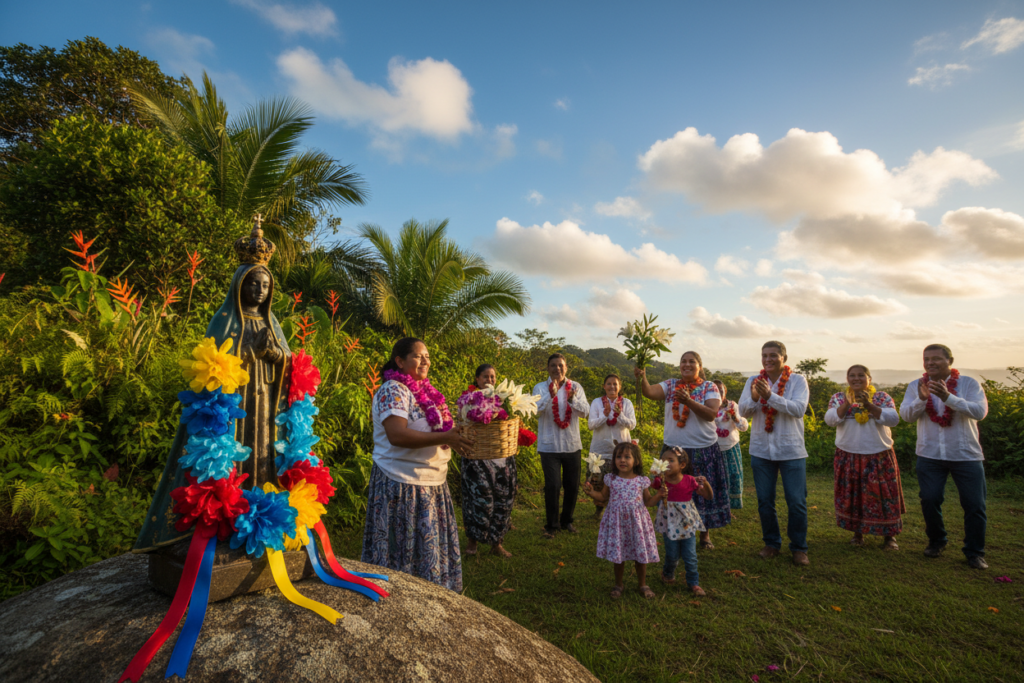
The story of La Negrita begins in 1635 with a remarkable discovery in the city of Cartago. A native peasant girl found a small statue on a rock. This statue depicted the Virgin Mary holding the infant Jesus.
The Legend of La Negrita
The girl took the statue home. It vanished and was back on the rock the next day. She brought it to a priest who locked it in a box.
The statue disappeared from the box. It reappeared on the same rock again. These events are considered miracles that marked the location as sacred.
Historic Stories and Pilgrimage Beginnings
People tried to build a church elsewhere. Earthquakes struck those sites. The Basílica de Nuestra Señora de los Ángeles was built around the original rock in 1639.
Costa Rica declared the statue its patron saint in 1824. The basilica was rebuilt in 1939 after earthquake damage over the years. The representation of the Virgin Mary with indigenous features holds deep cultural meaning.
This small statue, less than three feet tall, has inspired devotion for centuries. These stories form the basis for the annual pilgrimage you can see today.
virgen-de-los-angeles-day-in-costa-rica: Traditions, Pilgrimage, and Community
For visitors, understanding the local customs is key to a respectful and enriching experience. This day is deeply personal for many Costa Ricans.
You will see a community united in faith. The event is called ‘romeria’ by locals.
Unique Rituals and Local Do’s/Don’ts
Dress modestly when entering the church. Bring plenty of water and sun protection.
Arrive early to avoid the largest crowds. Observe prayer times quietly.
Do not block pilgrims who are walking on their knees. Never take photos without permission.
Real Examples of Pilgrimage Practices
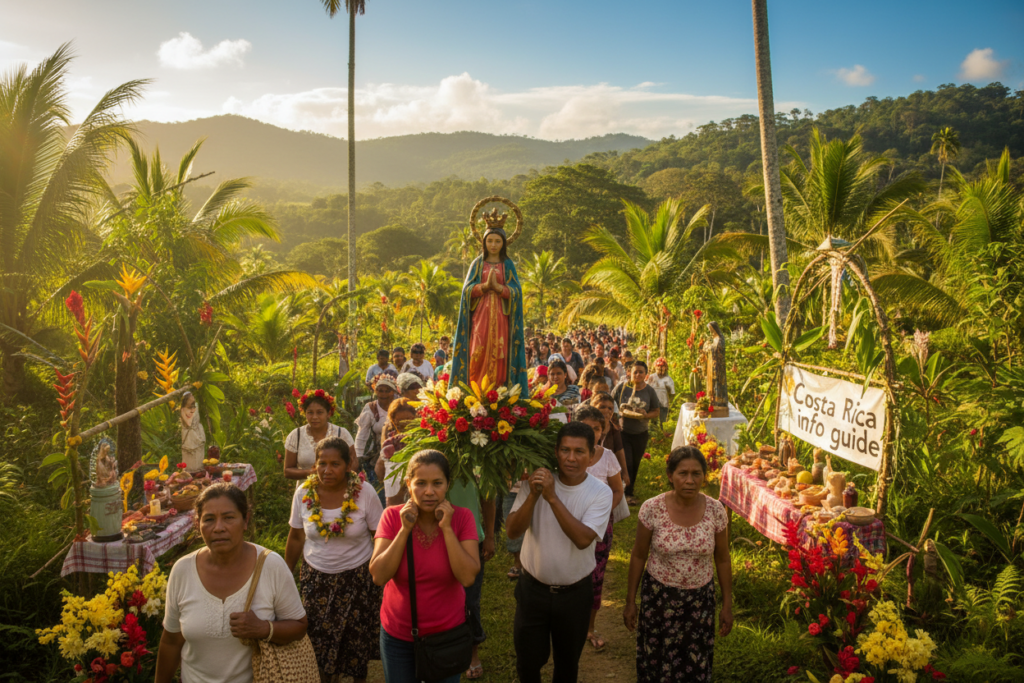
You will witness powerful acts of devotion. Many pilgrims walk barefoot for miles.
Some travel from San José, about 13 miles away. Others complete the final stretch on their knees or even crawling.
Near the basilica, a stream is believed to have healing properties. You will see Costa Ricans collecting this water to drink or take home.
Safety Tips and Practical Advice
Costa Rica’s August heat is intense. Stay hydrated and use sunscreen.
Wear comfortable shoes if you walk. Keep valuables secure in the large crowds.
The basilica is open 24 hours on this day. Peak times are early morning and evening.
Bring cash for vendors. Prepare for traffic and limited facilities.
With two million people participating, planning your time is essential for a smooth visit.
A Practical Guide to Enjoying the Festivities in Costa Rica
Your journey to witness the devotion of millions begins with smart planning and respectful observation. This day is a profound experience for the people of Costa Rica, and with the right approach, you can share in it meaningfully.
How to Experience the Local Culture Firsthand
For the most authentic experience, arrive in Cartago on the evening of August 1. You will see pilgrims starting their walks throughout the night. Visit the basilica at different times to feel the changing atmosphere.
Morning, between 6 and 10 AM, sees peak arrivals. Evening masses are deeply moving. Talking with locals along the route enriches your understanding. They often share personal stories about the Virgin of Los Angeles.
Do not miss the sacred stream on the church grounds. Bring an empty bottle to collect this water, a cherished tradition for many believers today.
Tips for Navigating the Pilgrimage Routes
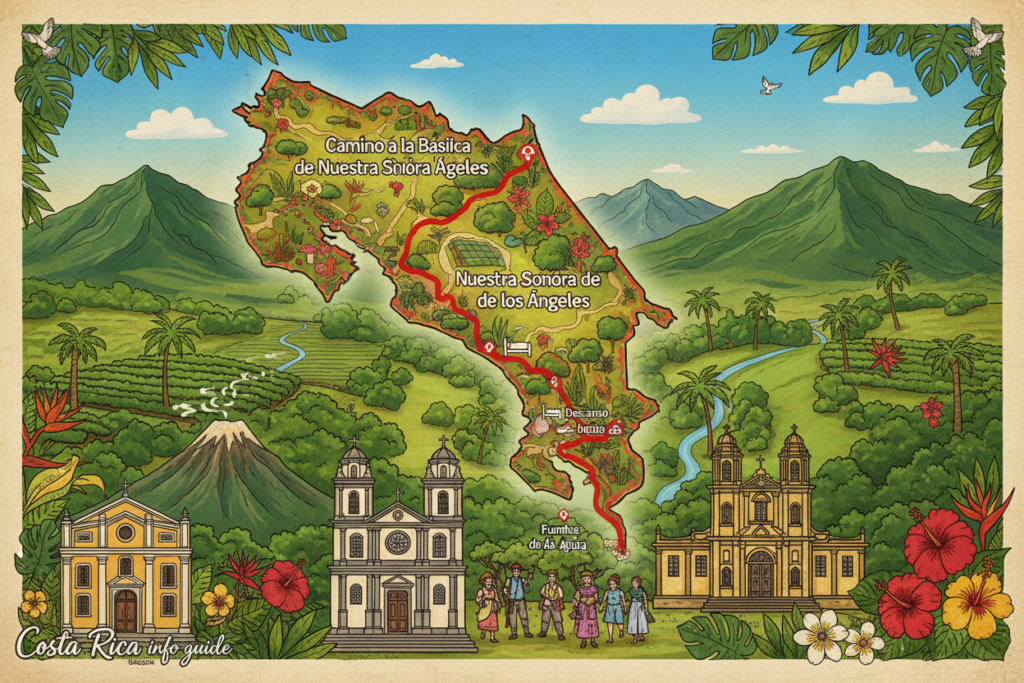
The classic route starts in San José and covers 13 miles to Cartago. Starting between midnight and 3 AM helps you avoid the strongest sun. The walk typically takes 4 to 6 hours.
If you are not walking the full distance, buses run from San José. Expect major delays and crowds. Driving and parking on Cartago’s outskirts is another option, followed by a walk to the basilica.
Staying safe and comfortable is key. Prepare a small backpack with these essentials:
- Plenty of water and high-energy snacks
- Sunscreen, a hat, and a light jacket for cool early hours
- A power bank for your phone and basic first aid supplies
- Well-fitted, comfortable walking shoes
Download offline maps of Cartago beforehand. Once there, simply follow the flow of people. Volunteer stations along the routes offer water and aid.
This celebration happens every year on August 2. If your visit inspires a longer-term interest in the community, CRIE can provide guidance on residency options. Contact them via WhatsApp at +506 8706 3888, email at info@crie.cr, or visit www.crie.cr.
Final Insights on a Truly Costa Rican Cultural Experience
This celebration is a living testament to national faith and community. It offers you an authentic window into Costa Rican culture. You witness a nearly 400-year tradition honoring the patron saint, La Negrita.
Respectful visitors of all backgrounds are welcome. You will see the country’s unity as families walk together. Practical preparation ensures a positive experience.
Your Quick Visit Checklist:
- Pack water, sunscreen, a hat, and comfortable shoes.
- Wear modest clothing for the basilica.
- Bring cash and a phone charger.
- Plan your route and download offline maps.
- Arrive early to manage crowds.
Frequently Asked Questions:
Do I need to be Catholic to attend? No. Respectful observers from any background are welcome.
What is the best time to visit? Early morning sees peak arrivals. Afternoon offers smaller crowds.
Is the pilgrimage route safe? Yes, with proper preparation. Walk with others and stay hydrated.
Can I take photos? Yes, but be discreet. Avoid flash inside and ask permission for close-ups.
Experiencing this day gives you a deeper appreciation for Costa Rica. You understand its spiritual heart beyond beaches. For a more detailed guide to this unique tradition, explore our full resource.
If your visit inspires longer-term interest, CRIE can answer residency questions. Contact them via WhatsApp at +506 8706 3888 or email info@crie.cr.
FAQ
What is the legend of La Negrita?
Why is this celebration so important to Costa Ricans?
How can a visitor respectfully participate in the events?
What are the main pilgrimage routes to the basilica?
Are there any special rituals associated with the day?
What practical safety tips should pilgrims keep in mind?
Article by Glenn Tellier (Founder of CRIE and Grupo Gap)
Don't wait, contact us right now!
Call or WhatsApp Costa Rica +506 8373 2085 or +506 8706 3888
Call USA/Canada +1 305-906-6784