
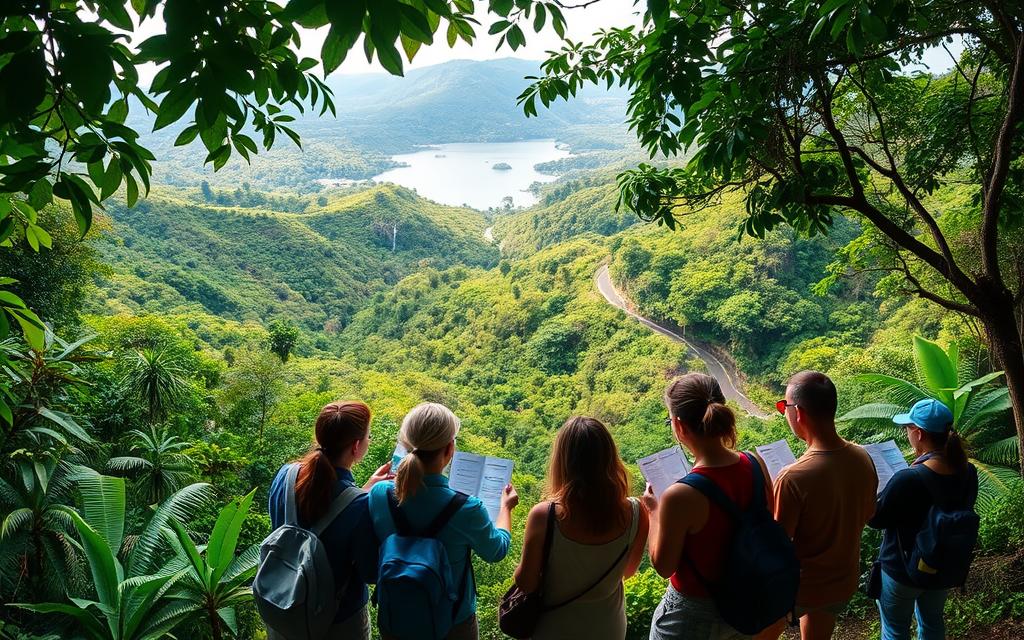
Are you excited to see Costa Rica’s beautiful landscapes but worried about vaccinations? Knowing the Costa Rican vaccination requirements is key to staying healthy while exploring this tropical paradise.
Travelers face a complex task in 2025 to get the right vaccinations for Costa Rica. Health groups like WHO and CDC suggest certain shots to avoid health issues. The needed vaccinations change based on who you are and where you’re going in Costa Rica.
In 2024, Costa Rica faced big health problems. There were over 30,400 dengue fever cases and 405 chikungunya infections. These numbers show how important it is to get the right vaccines and prepare for your trip.
This guide will help you understand the key vaccinations for a safe trip to Costa Rica. We’ll cover everything from the vaccinations you need to how to avoid mosquito-borne diseases. We’ll give you the latest travel health tips.
Understanding Costa Rica’s Vaccination Requirements
Travelers heading to Costa Rica face a complex set of vaccination rules. These rules aim to keep both visitors and locals safe from health risks. Knowing the latest on vaccination policies is key for a worry-free trip.
Costa Rica takes public health seriously, with a list of 15 essential vaccines. The Costa Rica vaccination clinics are vital in enforcing these health measures.
Required vs. Recommended Vaccines
- Yellow fever vaccine is the only mandatory requirement for foreign travelers
- COVID-19 vaccine is the most recently added to the official basic scheme
- Certain medical exemptions may be granted under the General Health Law
Current Health Regulations for Travelers
The Costa Rican Ministry of Health has set clear rules for travelers. Key points for the Costa Rica yellow fever vaccine include:
- Mandatory for entry from 44 specific countries
- Must be administered at least 10 days before travel
- Vaccination certificate is required for entry
Documentation and Proof of Vaccination
Travelers need to gather detailed documents for their Costa Rica COVID-19 vaccine and other shots. Keeping vaccination records up-to-date is crucial. Malaria prevention documents might also be needed for certain areas.
Health experts suggest talking to travel clinics 4-6 weeks before your trip. This ensures you meet all vaccination rules and get advice tailored to Costa Rica.
Core vaccinations for Costa Rica
Travelers heading to Costa Rica need to know about the key vaccinations. The Costa Rica vaccine schedule includes important shots to keep you safe. Experts say to get your shots ready well before you go.
Costa Rican health rules say you need certain vaccinations:
- Routine childhood vaccines (MMR, DPT, Polio)
- Hepatitis A and B
- Typhoid
- Tetanus-diphtheria booster
Health experts advise talking to doctors 4-6 weeks before you leave. This gives time for the shots to work and to talk about your health needs.
Costa Rica also suggests more shots based on your travel plans. If you’re going to rural areas or doing outdoor activities, you might need shots for rabies or yellow fever. The country has a plan to keep everyone safe with vaccines.
In Costa Rica, many people get vaccinated, with 90% getting measles shots in 2022. This strong health effort means travelers can feel safe while exploring.
Prevention of Mosquito-Borne Diseases in Costa Rica
Travelers to Costa Rica need to know about mosquito-borne diseases. The warm climate is perfect for mosquitoes, making it key to stay safe. Vaccination clinics in Costa Rica suggest ways to avoid health risks.
Costa Rica saw over 30,400 dengue fever cases in 2024. This shows how important it is to protect against mosquito-borne illnesses. Travel vaccines Costa Rica offer vital advice for staying healthy.
Malaria Risk Areas and Prevention
Some parts of Costa Rica have a higher risk of malaria. Travelers should think about taking antimalarial drugs and take steps to stay safe:
- Check with travel health experts about the yellow fever vaccine. Costa Rica advises
- Use prescribed prevention medicines
- Stay away from areas with lots of mosquitoes during peak times
Dengue, Zika, and Chikungunya Protection
Dengue, Zika, and Chikungunya are big health worries. The hepatitis A vaccine Costa Rica offers can help protect against viral infections.
Effective Insect Repellent Strategies
Keeping mosquitoes away needs a few steps:
- Apply EPA-registered repellents with 20-50% DEET
- Wear long-sleeved shirts and long pants
- Use permethrin-treated bed nets
- Choose places with screened windows
By following these tips, you can lower your chances of getting sick from mosquitoes in Costa Rica.
Medical Facilities and Healthcare Access

Travelers to Costa Rica will find a well-equipped healthcare system. The country’s urban areas, like San José, have top-notch medical facilities. With a Healthcare Access and Quality Index score of 75 out of 100, Costa Rica offers reliable medical care for visitors.
Costa Rica’s healthcare system has two main parts: public and private. The national healthcare, Caja (CCSS), covers most people. It’s important for travelers to know about vaccination policies and costs before they go.
- Public hospitals offer affordable care for locals and some tourists
- Private medical facilities provide quicker service, and English-speaking staff
- Major private hospitals include CIMA Hospital and Clínica Bíblica
When planning for malaria prevention in Costa Rica, think about healthcare access. Private clinics charge between $50-$100 for general consultations. It’s wise for international visitors to have travel health insurance to cover medical costs.
Here are some tips for staying healthy:
- Research the vaccines needed for Costa Rica before you go
- Carry copies of your vaccination records and medical history
- Understand the vaccination requirements for Costa Rica in advance
- Know the contact info for local medical facilities
Emergency medical services are available across the country. But, response times can differ in cities and rural areas. It’s best to take preventive health steps and stay up-to-date on vaccinations for a safe trip to Costa Rica.
Food and Water Safety Precautions
When traveling to Costa Rica, keeping food and water safe is key. Knowing the travel health guidelines is important. It helps prevent illness and keeps you well during your trip.
Exploring local food and drinks needs careful steps. It’s important to follow vaccination advice and safety tips. About 40% of travelers face digestive problems, so being prepared is crucial.
Safe Drinking Water Guidelines
- Avoid tap water in most regions of Costa Rica
- Use bottled or purified water for drinking
- Carry water purification tablets for outdoor activities
- Select bottled water with intact seals
- Use boiled or treated water for brushing teeth
Food Safety Tips for Travelers
- Choose well-cooked foods, especially meats
- Eat at reputable restaurants
- Avoid street food with uncertain preparation methods
- Wash fruits and vegetables with purified water
- Use hand sanitizer with 60% alcohol before eating
Preventing Travelers’ Diarrhea
Staying safe from travelers’ diarrhea is vital. Carry the right meds and stick to good hygiene. This way, you can enjoy your trip without health worries.
By following these tips, you can greatly lower your risk of getting sick from food and water. Stay safe, and enjoy your time in Costa Rica!
Travel Health Insurance and Emergency Preparedness

When planning a trip to Costa Rica, it’s key to be ready for medical emergencies. Good travel health insurance is vital. It protects you from health risks and ensures you meet pre-travel vaccine requirements.
Travelers should look for insurance that covers:
- Medical emergencies
- Hospital treatments
- Emergency evacuations
- Repatriation services
For those visiting for vaccination tourism in Costa Rica, knowing your insurance is crucial. Medical costs can rise fast. So, having strong insurance is a must for peace of mind.
When getting vaccinated for Costa Rica, check your insurance for:
- Coverage for vaccine-related issues
- Payment for unexpected medical care
- Emergency medical transport
The U.S. Embassy suggests signing up with NEWSMART. It’s key for the vaccine passport Costa Rica needs and emergency contact. This service helps fast in health crises.
For emergency readiness, make a medical info card, carry vaccine copies, and stay in touch with your insurance. Knowing local emergency numbers and healthcare near your spot is also important. It helps follow Costa Rica’s vaccination rules.
Special Health Considerations for Different Regions
Travelers in Costa Rica face unique health challenges in different areas. The country’s varied landscapes mean different vaccinations are needed for each region. Coastal, rainforest, and mountainous zones all have their own health risks.
Visitors to low-lying areas should be aware of certain diseases. In 2024, Costa Rica saw 232 cases of malaria, mostly in certain areas. This shows the need for health advice tailored to each region.
- Coastal Regions: Higher risk of mosquito-borne diseases
- Rainforest Areas: Increased potential for insect-transmitted infections
- Mountain Zones: Altitude-related health considerations
- Urban Centers: Different health precautions compared to rural locations
Getting the right vaccinations for travel in Costa Rica requires knowing the region. It’s important to talk to a doctor about the vaccines you need. The Costa Rican health authorities recommend vaccines based on where you’re going.
Health needs can vary greatly between rural and tourist areas. How long you stay, what you plan to do, and your health all play a part. It’s best to see a doctor 4-6 weeks before your trip for the best protection.
Conclusion
Traveling to Costa Rica means you need to take health precautions seriously. Getting the Costa Rica typhoid vaccine and Costa Rica hepatitis vaccine is key. Knowing what vaccinations are needed can help keep you safe while traveling.
It’s important to talk to your doctor about the vaccines you need. The side effects of these vaccines are usually mild. Getting routine shots like MMR and flu vaccines is also crucial for staying healthy while traveling.
The U.S. Department of State’s travel advisory highlights the need for preparation. By protecting your health, you can have a great time in Costa Rica. Remember, being prepared helps turn health worries into a small part of your trip.
Good health planning is about being ready, not scared. It lets you enjoy all that Costa Rica has to offer. With the right steps, your trip can be both fun and safe.
Article by Glenn Tellier (Founder of CRIE and Grupo Gap)
Don't wait, contact us right now!
Call or WhatsApp Costa Rica +506 8373 2085 or +506 8706 3888
Call USA/Canada +1 305-906-6784