
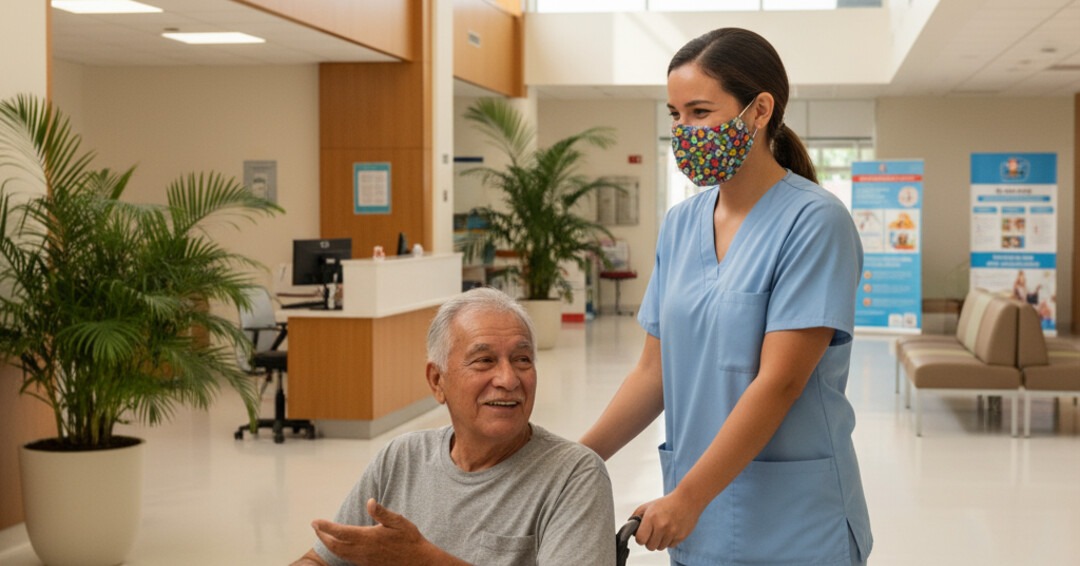
Costa Rica is renowned for its universal healthcare system, a cornerstone of its society that provides comprehensive medical coverage to over 90% of its population. At the heart of this system is the Caja Costarricense de Seguro Social (CCSS), universally known as “the Caja.” For anyone considering a move to this beautiful country, understanding the Caja is not just important—it’s a mandatory part of the residency process. It is the system that ensures everyone, including expats, has access to affordable, high-quality healthcare.
The History of the Costa Rica Social Security Caja
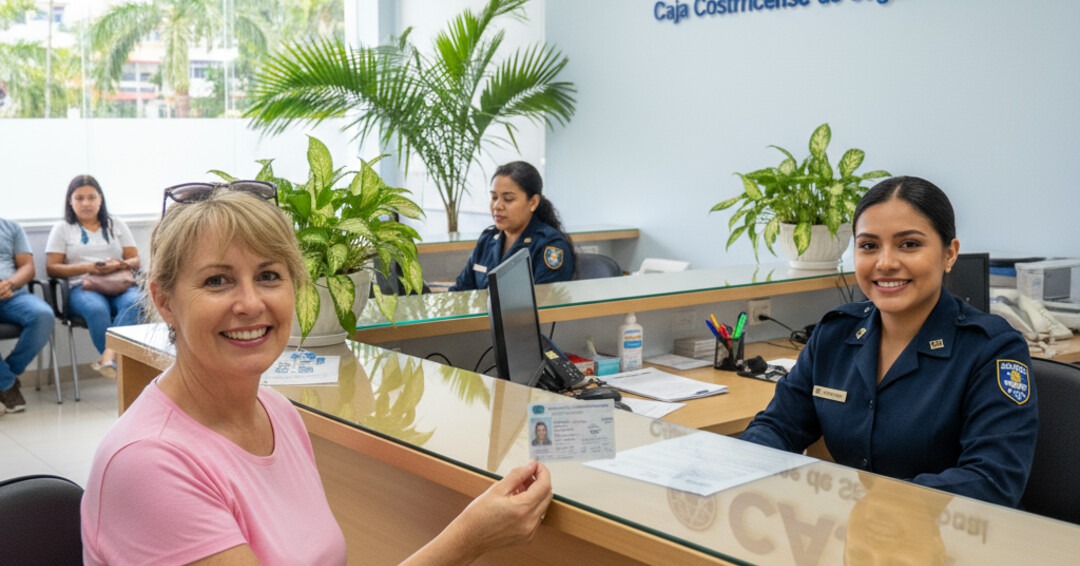
The Caja was founded in 1941 as a result of the social reforms led by President Dr. Rafael Ángel Calderón Guardia. Its creation was heavily influenced by the Catholic Church’s social doctrine and was designed to provide a safety net for the nation’s workers. The goal was to establish a system of social guarantees that would ensure access to healthcare and improve the overall well-being of the population. Key legislative milestones, including constitutional reforms in 1943, solidified the Caja’s role and made enrollment mandatory for all residents, laying the groundwork for the universal coverage that exists today.
The Benefits of Being Enrolled in Caja

For a monthly contribution, residents gain access to a wide array of services that form the backbone of Costa Rica’s public health and social security system. The benefits extend far beyond simple medical care.
Comprehensive Healthcare Coverage
This is the most well-known benefit. Enrollment in Caja grants you full access to the public healthcare system at no additional cost per use. This includes:
- Preventive Care: Routine check-ups, vaccinations, and health education programs.
- Medical Treatments: Consultations with general practitioners and specialists.
- Hospitalization and Surgery: Full coverage for inpatient care and surgical procedures.
- Prescription Drugs: All prescribed medications are provided for free at Caja pharmacies.
- Emergency Services: Immediate care at any public hospital or clinic.
Retirement and Pension Benefits (IVM)
A portion of your monthly Caja contribution goes towards the Invalidez, Vejez y Muerte (IVM) pension fund. This system provides financial security for residents in their old age, or in the event of disability or death. After a certain number of contributions, you become eligible to receive a monthly pension, ensuring a stable income during your retirement years.
How the Caja Works in 2025: Contributions and Eligibility
The Caja system is funded through mandatory contributions from employees, employers, and self-employed individuals, including foreign residents. These fees are calculated as a percentage of your income.
Mandatory Contributions
As of 2025, the contribution rates are structured as follows:
| Contributor | Contribution Rate (of Gross Income) |
|---|---|
| Employees | 10.67% |
| Employers | 26.67% |
| Independent/Self-Employed | Varies based on income (typically ~10-18%) |
For foreign residents applying under categories like Pensionado, Rentista, or Inversionista, the monthly payment is calculated based on their declared income. For example, a Rentista declaring the minimum required income of $2,500 per month would pay a percentage of that amount to Caja. It is crucial to maintain these payments, as failure to do so can jeopardize your residency status.
Eligibility for Expats
Enrollment in the Caja is a mandatory requirement for all legal residents in Costa Rica, both temporary and permanent. The process is typically completed as one of the final steps in your residency application. Once you are registered and have made your first payment, you will receive your carné, or identification card, which you present to access services. Children under 18 are covered for free under their parents’ plan.
FAQ: Your Top Questions About the Caja for Expats
Is enrollment in the Caja really mandatory for residents?
Yes, it is absolutely mandatory. All legal residents, regardless of their nationality or whether they have private insurance, must enroll in the Caja and keep their monthly payments current. It is a fundamental requirement for maintaining your residency status.
Can I use the Caja immediately after I apply for residency?
Generally, you must complete your residency process and then formally register with the Caja. Once you are registered and have made your first payment, you can begin using the services. CRIE can guide you on the exact timing and process to ensure you are covered as soon as possible.
How is my monthly Caja payment calculated as a resident?
Your monthly contribution is calculated as a percentage of the income you declared on your residency application. For example, if you are a Pensionado with a declared monthly pension of $1,500, your Caja fee will be a percentage of that amount. The exact percentage can vary slightly, but typically falls in the 10-12% range for independent residents.
Can I still use private doctors and hospitals if I am enrolled in the Caja?
Yes. Many expats choose to use a combination of both. You can use the Caja for routine check-ups, prescriptions, and major procedures, while using private healthcare for services where you might want faster access to specialists or a second opinion. Having private insurance does not exempt you from mandatory Caja payments.
What is the difference between EBAIS, clinics, and hospitals in the Caja system?
EBAIS (Equipos Básicos de Atención Integral en Salud) are small, local clinics that serve as the first point of contact for primary care. They handle routine check-ups, minor illnesses, and preventive care. For more complex issues, they will refer you to a larger regional clinic or a hospital, which handles specialized treatments, surgeries, and emergency services.
Are prescription drugs really free?
Yes. If a doctor at a Caja facility prescribes medication, you can have it filled at any Caja pharmacy at no additional cost. The cost is included in your monthly contribution. However, the availability of specific brands can vary, and you will receive the generic version of the medication.
What happens if I stop paying my Caja fees?
Failure to pay your monthly Caja fees can have serious consequences. It can lead to the suspension of your healthcare services and, more importantly, will prevent you from renewing your residency. It is essential to keep your payments up to date.
How can CRIE help me with the Caja process?
Navigating the Caja registration process can be complex, especially with the language barrier. CRIE can manage your registration from start to finish, ensure your income is declared correctly, and help you understand how to use the system, making the entire process seamless and stress-free.
Let CRIE Handle Your Residency and Caja Enrollment
From your initial residency application to your final Caja registration, CRIE’s expert team can guide you every step of the way. We ensure you meet all legal requirements, so you can enjoy the peace of mind that comes with being fully covered.
- Email: info@crie.cr
- Website: crie.cr
Article by Glenn Tellier (Founder of CRIE and Grupo Gap)
Don't wait, contact us right now!
Call or WhatsApp Costa Rica +506 8373 2085 or +506 8706 3888
Call USA/Canada +1 305-906-6784