
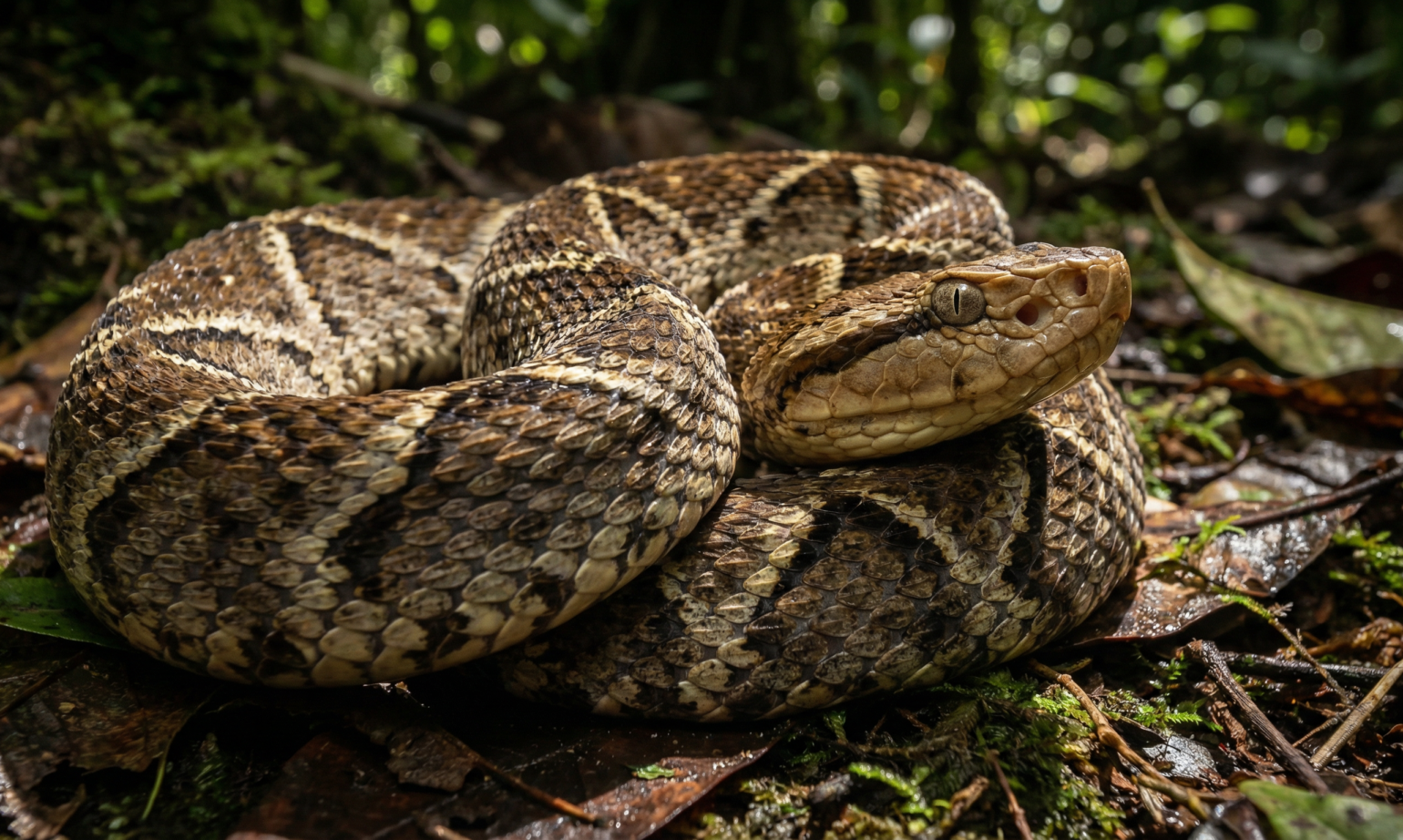
Costa Rica is a paradise of biodiversity, home to lush rainforests, stunning beaches, and an incredible array of wildlife. But among its beautiful creatures lurks one of the most dangerous animals in the Americas: the Fer-de-Lance snake. Known locally as the Terciopelo or Barba Amarilla, this highly venomous pit viper is responsible for the majority of snakebite incidents in the country. For tourists and expats alike, understanding the risks and knowing how to stay safe is crucial for enjoying all that this beautiful country has to offer. This guide provides essential information on identifying the Fer-de-Lance, preventing encounters, and what to do in the unlikely event of a bite.
Understanding the Fer-de-Lance (Bothrops asper)
The Fer-de-Lance is a formidable predator, perfectly adapted to its environment. Its name, French for “spearhead,” aptly describes its large, V-shaped head, which is distinctly broader than its neck. These snakes can grow to impressive lengths, with females averaging around 6 feet (1.8 meters) and sometimes reaching up to 8 feet (2.5 meters). Their coloration provides excellent camouflage, with a diamond-patterned medley of brown, gray, olive, and green that blends seamlessly with the forest floor. This, combined with their aggressive and defensive nature, makes them particularly dangerous to humans.
Unlike many snakes that prefer to flee when confronted, the Fer-de-Lance is known for its quick and defensive strikes. When it feels threatened, it may hold its ground and bite with little provocation. This behavior, along with its potent hemotoxic venom, is why it has earned the ominous nickname of the “Costa Rican landmine.” The venom is fast-acting and causes severe localized pain, swelling, and tissue death (necrosis), as well as systemic effects like internal bleeding and clotting disorders. Without prompt medical attention, a bite from a Fer-de-Lance can be fatal.
Habitat and Common Locations
The Fer-de-Lance is highly adaptable and can be found in a variety of habitats throughout Costa Rica, primarily in moist, tropical environments at low to middle elevations (up to 2,000 feet). They are common in rainforests, but their adaptability means they also thrive in agricultural areas, plantations, and even near human settlements. This proximity to people is a major factor in the high number of snakebite incidents. Some of the national parks where Fer-de-Lance are commonly found include Corcovado, Tortuguero, Carara, and Chirripó.
These snakes are primarily nocturnal, spending their days hidden among leaf litter, in hollow logs, or at the base of large trees. At night, they become active hunters, preying on a wide range of small animals, including rodents, lizards, birds, and opossums. Their reliance on heat-sensing pit organs, located between their eyes and nostrils, allows them to effectively hunt warm-blooded prey in complete darkness. The presence of rodents often draws them to farms and rural homes, increasing the likelihood of human encounters.
Prevention and Safety Measures

While the thought of encountering a Fer-de-Lance can be intimidating, the risk of a bite is low for those who take proper precautions. Awareness and common sense are your best defenses. When hiking or walking in areas where these snakes may be present, it is essential to stay on well-maintained trails and avoid venturing into dense undergrowth. Always be mindful of where you place your hands and feet, and never reach into holes or under logs without first checking for hidden dangers.
Proper footwear is another critical safety measure. Sturdy, high-ankled hiking boots can provide significant protection against snakebites, as most bites occur on the lower legs and feet. When walking at night, always use a flashlight to illuminate your path and be extra vigilant. If you are staying in a rural area, be sure to shake out your shoes and clothing before putting them on, as snakes and other creatures may seek refuge in them. By following these simple guidelines, you can significantly reduce your risk of an unpleasant encounter.
First Aid and Medical Treatment for a Bite

In the unlikely event of a Fer-de-Lance bite, it is crucial to remain calm and seek immediate medical attention. Costa Rica has an excellent healthcare system, and its hospitals are well-equipped to handle snakebite emergencies. The Clodomiro Picado Institute, a world-renowned research center, produces high-quality antivenom that is distributed to hospitals throughout the country. Thanks to this, the mortality rate from snakebites in Costa Rica is very low, provided that treatment is administered promptly.
If someone is bitten, the most important thing to do is to get them to a hospital as quickly and safely as possible. While on the way, keep the victim calm and immobilize the bitten limb, keeping it below the level of the heart to slow the spread of venom. Do not attempt any outdated or dangerous first aid measures, such as cutting the wound, sucking out the venom, or applying a tourniquet. These actions are ineffective and can cause further harm. Remember, time is critical, and professional medical care is the only effective treatment for a venomous snakebite.
The Ecological Importance of the Fer-de-Lance
Despite their fearsome reputation, Fer-de-Lance snakes play a vital role in Costa Rica’s ecosystem. As apex predators, they help to control populations of rodents and other small animals, which can be agricultural pests. By keeping these populations in check, they contribute to the overall health and balance of the rainforest. Their venom, while dangerous, also has a silver lining. Scientists have studied the complex proteins in their venom to develop life-saving medications, including drugs used to treat high blood pressure and prevent blood clots.
Understanding the ecological importance of the Fer-de-Lance helps to foster a sense of respect for these magnificent creatures. While they demand caution, they are not malicious monsters but rather an integral part of Costa Rica’s rich natural heritage. Conservation efforts focus on promoting coexistence and reducing human-wildlife conflict through education and awareness. By learning to live alongside these powerful predators, we can ensure the continued health of Costa Rica’s incredible biodiversity.4Frequently Asked Questions
What is the most dangerous snake in Costa Rica?
The Fer-de-Lance (Bothrops asper), known locally as the Terciopelo, is widely considered the most dangerous snake in Costa Rica. It is responsible for the majority of venomous snakebites and related fatalities in the country due to its potent venom, aggressive nature, and proximity to human-populated areas.
How common are Fer-de-Lance snakes in Costa Rica?
Fer-de-Lance snakes are relatively common in their preferred habitats, which include moist, tropical environments at low to middle elevations. While you are unlikely to encounter one on a typical tourist path, they are a known presence in many national parks and rural areas, especially in the southern parts of the country.
What should I do if I see a Fer-de-Lance?
If you encounter a Fer-de-Lance, the most important thing to do is to remain calm and slowly back away, giving the snake plenty of space. Do not make any sudden movements or attempt to provoke or handle the snake. Most snakes will not strike unless they feel threatened, so maintaining a safe distance is the best course of action.
How can I avoid snakebites while hiking in Costa Rica?
To avoid snakebites, always wear sturdy, closed-toe hiking boots, preferably high-ankled ones. Stay on clearly marked trails, and be cautious when stepping over logs or reaching into crevices. Use a flashlight when walking at night, and never hike alone in remote areas. Being aware of your surroundings is key to staying safe.
Does Costa Rica have good medical care for snakebites?
Yes, Costa Rica has an excellent and highly respected system for treating snakebites. The Clodomiro Picado Institute produces effective antivenom that is readily available in hospitals across the country. As a result, the survival rate for venomous snakebites is very high when medical treatment is sought promptly.
Is the Fer-de-Lance venom used for medicine?
Yes, components of Fer-de-Lance venom have been studied and used to develop important medications. For example, a drug derived from the venom of a related viper is used to treat high blood pressure. This highlights the importance of conserving these species, as they hold potential for future medical discoveries.
Are there other venomous snakes in Costa Rica?
Yes, Costa Rica is home to several other species of venomous snakes, including the Bushmaster, the Eyelash Viper, and various species of coral snakes. However, the Fer-de-Lance is by far the most significant in terms of human-wildlife conflict and public health risk.
What time of day are Fer-de-Lance snakes most active?
Fer-de-Lance snakes are primarily nocturnal, meaning they are most active at night. During the day, they typically rest and hide, relying on their camouflage to avoid detection. This is why it is especially important to be cautious and use a light source when walking in rural or forested areas after dark.
Conclusion: Respect and Awareness are Key
The Fer-de-Lance is a powerful and respected part of Costa Rica’s natural landscape. While the risks associated with this formidable snake are real, they can be effectively managed with knowledge, awareness, and a healthy dose of respect. By understanding their behavior, taking sensible precautions, and knowing what to do in an emergency, visitors and residents can safely enjoy the incredible biodiversity that makes Costa Rica so special. The story of the Fer-de-Lance is not just one of danger, but also of ecological balance and the surprising ways in which nature can contribute to human well-being. If you’re considering a move to this beautiful country, learning about its wildlife is an essential step in your journey. While navigating the wonders of nature is one aspect of life in Costa Rica, understanding residency rules and immigration processes is another. For those looking to make this country their home, CRIE is here to help with the latter.
Article by Glenn Tellier (Founder of CRIE and Grupo Gap)
Don't wait, contact us right now!
Call or WhatsApp Costa Rica +506 8373 2085 or +506 8706 3888
Call USA/Canada +1 305-906-6784