
Costa Rica has become a top choice for many Americans seeking a peaceful retirement. With its stunning natural beauty and excellent healthcare, it offers a lifestyle that is hard to resist. The country features three primary residency programs for those wishing to relocate permanently.
Many individuals from the United States and Canada explore the pathway to residency to see if their government benefits can help them gain legal status. The tropical climate and high quality of life make Costa Rica a premier destination for retirees.
Our guide provides essential information on how your retirement income can meet the financial requirements set by local immigration authorities. We aim to clarify the complex landscape of residency options, helping you make informed decisions about your future in this beautiful Central American country.
Understanding the nuances of these programs is the first step toward a successful transition to a new life, embracing the pura vida lifestyle.
Understanding Costa Rica Retirement Residency Basics
For those seeking tranquility, Costa Rica offers an idyllic setting and stunning vistas. The country provides three main residency programs tailored for foreigners. This framework allows retirees to live legally in Costa Rica by meeting specific financial criteria.
The residency process is designed to be straightforward. With the correct documentation, you can navigate the requirements easily. While there is no set retirement age, you must show that you can financially support yourself during your stay.
Embracing the local way of life is a significant part of the experience. Many expats find the slower pace refreshing compared to their previous homes. It’s essential to meet the official requirements to maintain your legal status and enjoy all the benefits of living in this diverse nation.
Exploring Social Security, CPP, and OAS Income Options
Retirement in Costa Rica can be financially viable with the right income sources. The Pensionado program is specifically designed for individuals who receive a lifetime monthly pension of at least 1,000 USD from a government agency or private organization.
You can utilize your Social Security payments to qualify for this visa, as the government recognizes these as stable sources of retirement income for applicants. For Canadian applicants, the CPP and OAS are generally accepted as valid forms of pension income when demonstrating your ability to support yourself in Costa Rica.
It is important to note that these monthly payments must be guaranteed and permanent to satisfy the immigration authorities during your application review. We have seen many retirees successfully use their combined pensions to meet the income thresholds required to live comfortably while enjoying the benefits of the local healthcare system.
social-security-cpp-oas-costa-rica-retirement-residency Eligibility Criteria
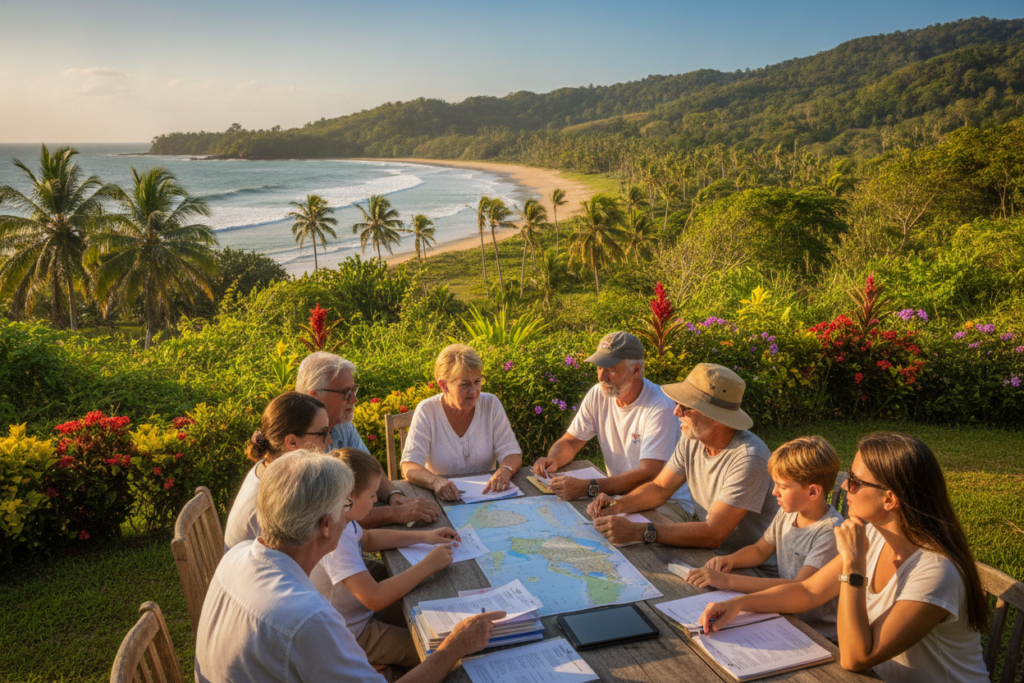
Understanding the requirements for residency in Costa Rica is crucial for prospective applicants. To qualify for the residency pathway, proof of income is essential. This must come from official letters issued by the relevant government agency.
Every applicant is subject to a mandatory background check. This is a standard requirement for anyone seeking legal residency status in the country. The initial residency status granted under the Pensionado program is temporary, lasting for three years.
After this period, you can apply for permanent residency. It’s vital to ensure that your documentation is accurate and reflects current financial system standards. This helps avoid delays during the application review process.
Maintaining your legal standing requires adherence to all government regulations. This includes the timely renewal of your residency documents as specified by the immigration office.
Overview of Costa Rica Residency Programs
Exploring the residency options in Costa Rica reveals a range of programs tailored for retirees. The most popular choice is the Pensionado program. It requires a minimum of at least 1,000 USD per month in guaranteed pension income.
For those without a traditional pension, the Rentista visa offers an alternative. This option requires proof of 2,500 USD per month in stable, unearned income. It’s a great choice for those who have other sources of income.
The Inversionista program is ideal for individuals looking to invest. It requires a minimum investment of 150,000 USD in local real estate or a productive business project.
Each visa category has specific financial thresholds that must be met. We recommend reviewing these options carefully to see which aligns with your personal financial situation.
Whether you choose the Pensionado or Rentista route, you are committing to a long-term plan. This allows you to reside in Costa Rica legally and securely.
Essential Documents and Application Considerations
Gathering the right documents is essential for a smooth residency application in Costa Rica. A well-prepared application can significantly influence the outcome of your residency request.
Here’s a checklist of important documents you’ll need:
- Your application package must include an official birth certificate and a marriage certificate if your spouse is also applying for residency alongside you.
- Obtaining an FBI criminal background check is a critical step. Be mindful that this document is only valid for six months from the date of issuance.
- All foreign documents require an apostille from the country of origin. This acts as a super-notarization to verify the authenticity of your paperwork for the Costa Rican authorities.
- We advise using a court-approved translator for all your documents. The immigration office will not accept translations performed by individuals who are not officially certified.
- Proper preparation of your application is vital. Any missing or incorrectly formatted documents can lead to significant delays in the processing time of your residency request.
Evaluating Financial Requirements and Proof of Income

To successfully navigate the residency process in Costa Rica, understanding financial requirements is key. Both Pensionado and Rentista applicants must demonstrate their financial stability by making regular deposits into a local Costa Rican bank account.
The amount of income you need to prove varies based on your chosen residency category. Each program has specific minimum income thresholds that you must meet. Fortunately, Costa Rica does not tax foreign-source income, allowing your pension and other payments to remain safe from local taxation.
Opening an account at a major institution like Banco Nacional or BAC San Jose is a standard procedure. This helps you manage daily expenses while living abroad. We suggest keeping detailed records of your financial transfers. You will need to provide evidence of these deposits each year when you renew your residency status.
Navigating Healthcare Options and Lifestyle Benefits
In this tropical paradise, retirees can enjoy both a supportive healthcare system and a welcoming community. Costa Rica offers a robust public healthcare system known as CAJA. All legal residents must join this system, which provides comprehensive medical coverage based on a monthly contribution of 7-11% of your declared income.
Many retirees choose to supplement their CAJA coverage with private insurance. This option grants access to a wider range of specialists and shorter wait times. The cost of living in areas like Guanacaste can be lower than in the United States, allowing for a high quality of life on a modest budget.
Foreigners often find that the friendly nature of the local community makes it easy to settle in. Building a new social network becomes a rewarding experience. With top-notch medical facilities like Clinica Biblica, retirees can rest assured that their health needs will be met by highly qualified professionals throughout their retirement.
Common Challenges in the Residency Process
Navigating the residency process in Costa Rica can be challenging for many newcomers. One of the most common issues is the slower pace of government administration. Applicants often find themselves needing to make multiple visits to complete simple tasks.
It’s essential to understand that residency status is not permanent at first. Each year, you will need to navigate the renewal process to maintain your legal standing. Knowing the specific requirements for each renewal is crucial, as the immigration office will verify your financial thresholds.
Many applicants feel overwhelmed by the bureaucratic nature of the system. Therefore, having clear and organized documentation is vital for a successful outcome. While the process can be demanding, thousands have successfully obtained their residency by staying diligent and following the established legal procedures.
Connect with CRIE for Personalized Guidance and Next Steps
If you’re considering a move to this vibrant country, personalized support can make all the difference. At CRIE, we have dedicated over 20 years to helping individuals and families navigate the complexities of residency in Costa Rica.
Each residency case is unique, depending on factors like nationality, family situation, and specific documents. Our team focuses exclusively on residency and immigration services, ensuring you receive the specialized guidance you need.
For personalized assistance, pricing details, and to discuss your next steps, please reach out to our immigration expert, Johanna Alvarez. You can contact us via WhatsApp at +506 8373 2085, email us at info@crie.cr, or visit our website at crie.cr for more information.
FAQ
Does our Social Security qualify us for Costa Rica retirement residency?
Yes, receiving Social Security benefits can help us meet the income requirements for residency in Costa Rica.
What are the income requirements for the Pensionado program?
For the Pensionado program, we need to show a monthly income of at least

FAQ
Does our Social Security qualify us for Costa Rica retirement residency?
Yes, receiving Social Security benefits can help us meet the income requirements for residency in Costa Rica.
What are the income requirements for the Pensionado program?
For the Pensionado program, we need to show a monthly income of at least $1,000 from a pension or retirement account.
Can we use our CPP or OAS benefits for residency?
Absolutely, both CPP and OAS benefits can count as qualifying income for our residency application.
What documents do we need to apply for residency?
We will need several documents, including proof of income, a clean criminal record, and a valid passport.
How long does the residency application process take?
The process can take anywhere from a few months to over a year, depending on various factors.
What are the healthcare options available to us as residents?
As residents, we can access public healthcare through CAJA or choose private healthcare services for quicker access.
Are there any tax implications we should be aware of?
Yes, we should consider the tax regulations in both our home country and Costa Rica, as they can affect our income.
What lifestyle benefits can we expect while living in Costa Rica?
We can enjoy a lower cost of living, beautiful landscapes, and a welcoming community, enhancing our quality of life.
What challenges might we face during the residency process?
Common challenges include gathering the necessary documents and understanding the legal requirements for residency.
How can we get personalized guidance on the residency process?
We can connect with organizations like CRIE, which offer tailored assistance and resources for our residency journey.
,000 from a pension or retirement account.
Can we use our CPP or OAS benefits for residency?
Absolutely, both CPP and OAS benefits can count as qualifying income for our residency application.
What documents do we need to apply for residency?
We will need several documents, including proof of income, a clean criminal record, and a valid passport.
How long does the residency application process take?
The process can take anywhere from a few months to over a year, depending on various factors.
What are the healthcare options available to us as residents?
As residents, we can access public healthcare through CAJA or choose private healthcare services for quicker access.
Are there any tax implications we should be aware of?
Yes, we should consider the tax regulations in both our home country and Costa Rica, as they can affect our income.
What lifestyle benefits can we expect while living in Costa Rica?
We can enjoy a lower cost of living, beautiful landscapes, and a welcoming community, enhancing our quality of life.
What challenges might we face during the residency process?
Common challenges include gathering the necessary documents and understanding the legal requirements for residency.
How can we get personalized guidance on the residency process?
We can connect with organizations like CRIE, which offer tailored assistance and resources for our residency journey.