
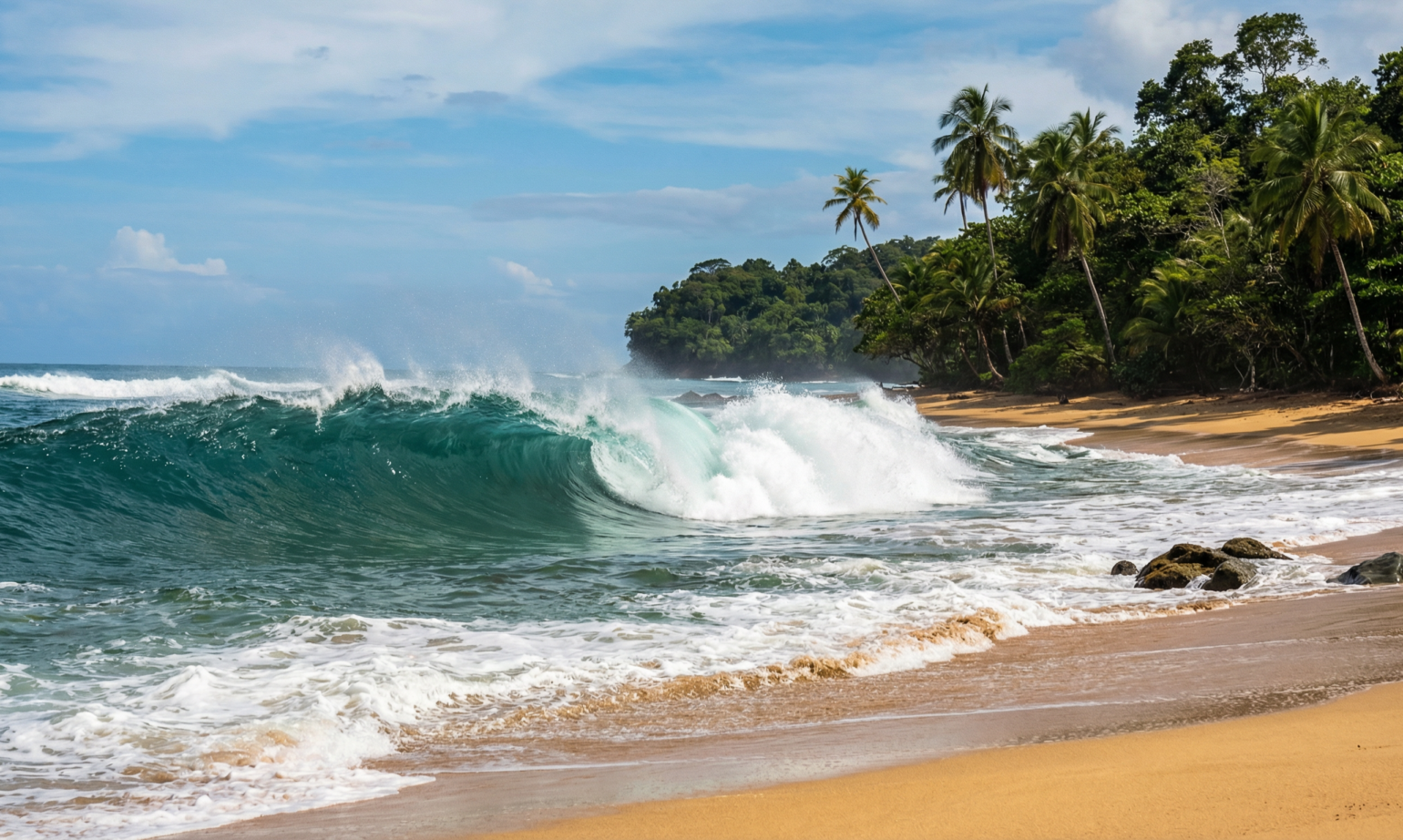
Costa Rica’s stunning coastline, with its world-class surf breaks and idyllic beaches, is a major draw for tourists and expatriates alike. However, beneath the beautiful surface of the Pacific and Caribbean waters lies a hidden danger that every beachgoer must understand: riptides. These powerful currents are responsible for the majority of ocean rescues and drowning incidents in the country. This guide provides essential, up-to-date information for 2026 on how to identify, survive, and respect the power of riptides, ensuring your time on Costa Rica’s beaches is safe and enjoyable.
What is a Riptide?
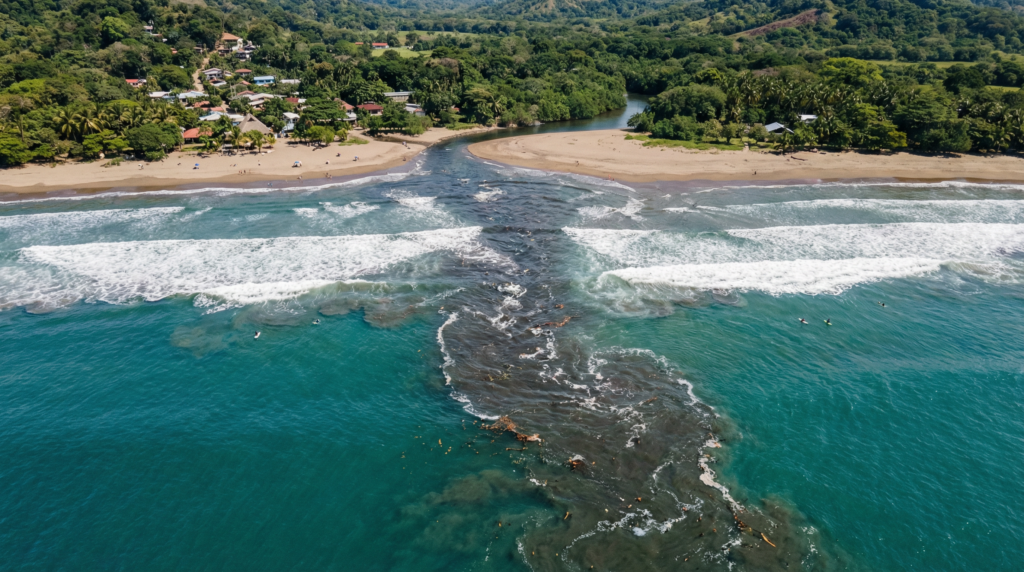
A riptide, or rip current, is a strong, narrow channel of water that flows away from the shore and out to sea. It is not an undertow, which pulls you down; a riptide pulls you out. Riptides form when waves of varying intensity push water up onto the beach, and this accumulated water then rushes back to the sea through the path of least resistance. This creates a fast-moving river within the ocean that can flow at speeds of up to 8 feet per second—faster than an Olympic swimmer. The primary danger lies not in the pull itself, but in the panic and exhaustion that result from trying to fight it.
How to Spot a Riptide
Being able to identify a riptide before you even enter the water is the most critical safety skill you can have. Look for these tell-tale signs from the shore.
| Visual Sign | Description |
|---|---|
| Choppy Channel | A distinct channel of churning, choppy water moving away from the shore. |
| Debris Line | A line of foam, seaweed, or other debris moving steadily out to sea. |
| Break in Waves | A noticeable gap or break in the incoming wave pattern. |
| Discolored Water | The water within the riptide may appear darker or murkier from stirred-up sand. |
What to Do if You’re Caught in a Riptide
If you find yourself caught in a riptide, the single most important thing to do is stay calm. Panicking will only waste precious energy. Follow these steps to escape.
| Step | Action |
|---|---|
| 1. Don’t Fight | Do not try to swim directly against the current back to shore. You will lose. |
| 2. Swim Parallel | Swim parallel to the shoreline (sideways, along the beach). Most riptides are narrow. |
| 3. Float & Go | If you cannot swim out, relax, float on your back, and let the current carry you. |
| 4. Signal for Help | Once out of the current, or if in distress, wave your arms and shout for help. |
How to Help Someone Else
Seeing someone in distress is alarming, but rushing in to help without training often results in two victims instead of one. Unless you are a certified lifeguard, do not attempt a direct rescue. Instead, take these actions:
- Get Help: Immediately alert a lifeguard if one is present. If not, call 911. This is the most important step.
- Provide Flotation: Throw the person something that floats, like a boogie board, cooler, or life jacket.
- Coach from Shore: Shout clear, simple instructions: “Stay calm! Float on your back! Swim parallel to the beach!”
Known High-Risk Beaches in Costa Rica
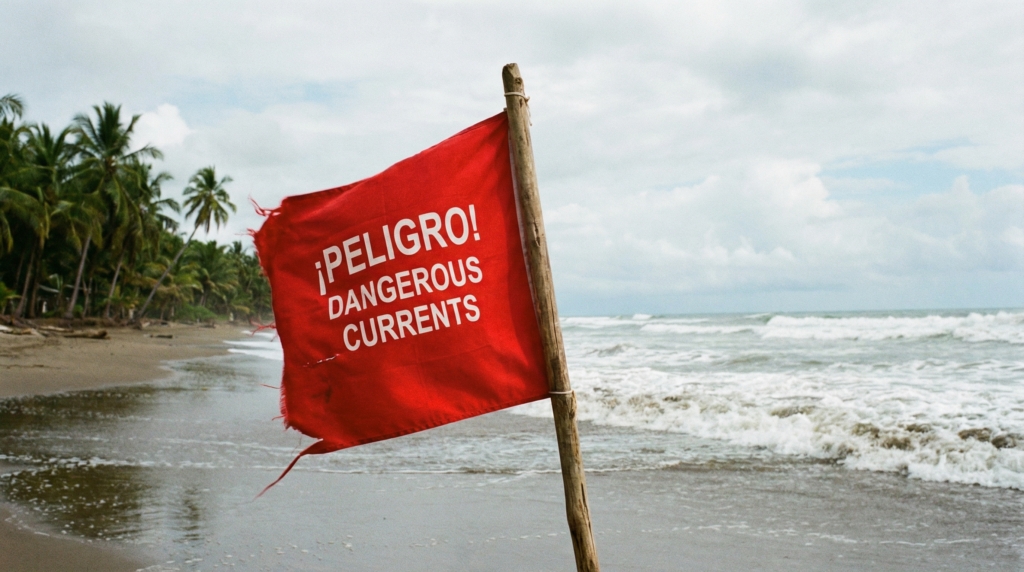
While riptides can form on any beach with breaking waves, some locations in Costa Rica are notorious for their strong and frequent currents. Extra caution is advised at these spots.
| Beach | Location | Hazard Level |
|---|---|---|
| Playa Bejuco | Central Pacific | Very High |
| Playa Hermosa | Near Jacó, Pacific | High (Surf Beach) |
| Playa Cocles | Near Puerto Viejo, Caribbean | High (Seasonal) |
| Playa Grande | Guanacaste, Pacific | High (Surf Beach) |
General Beach Safety Tips
Beyond riptide awareness, practicing general ocean safety is crucial for a trouble-free vacation or life in Costa Rica.
- Swim with Lifeguards: Whenever possible, choose beaches with lifeguards on duty.
- Heed Warnings: Pay close attention to posted signs and the beach flag system (a red flag means stay out of the water).
- Use the Buddy System: Never swim alone.
- Stay Sober: Alcohol and drugs impair judgment and physical ability.
- Know Your Limits: If you are not a strong swimmer, stay in shallow water where you can stand.
- Do the “Stingray Shuffle”: Shuffle your feet when entering the water to scare away stingrays that may be buried in the sand.
By understanding the ocean’s power and following these safety guidelines, you can fully enjoy the breathtaking beauty of Costa Rica’s beaches with confidence and peace of mind. For those considering a more permanent move, navigating the country’s systems is key. While CRIE is your expert for all things immigration and residency, it’s wise to consult local experts for other needs, such as real estate or investment opportunities.

Disclaimer: This article is for informational purposes only and should not be considered professional safety advice. CRIE specializes in immigration and residency services. For specific questions about ocean safety, consult local authorities, lifeguards, or certified safety professionals.
Article by Glenn Tellier (Founder of CRIE and Grupo Gap)
Don't wait, contact us right now!
Call or WhatsApp Costa Rica +506 8373 2085 or +506 8706 3888
Call USA/Canada +1 305-906-6784