
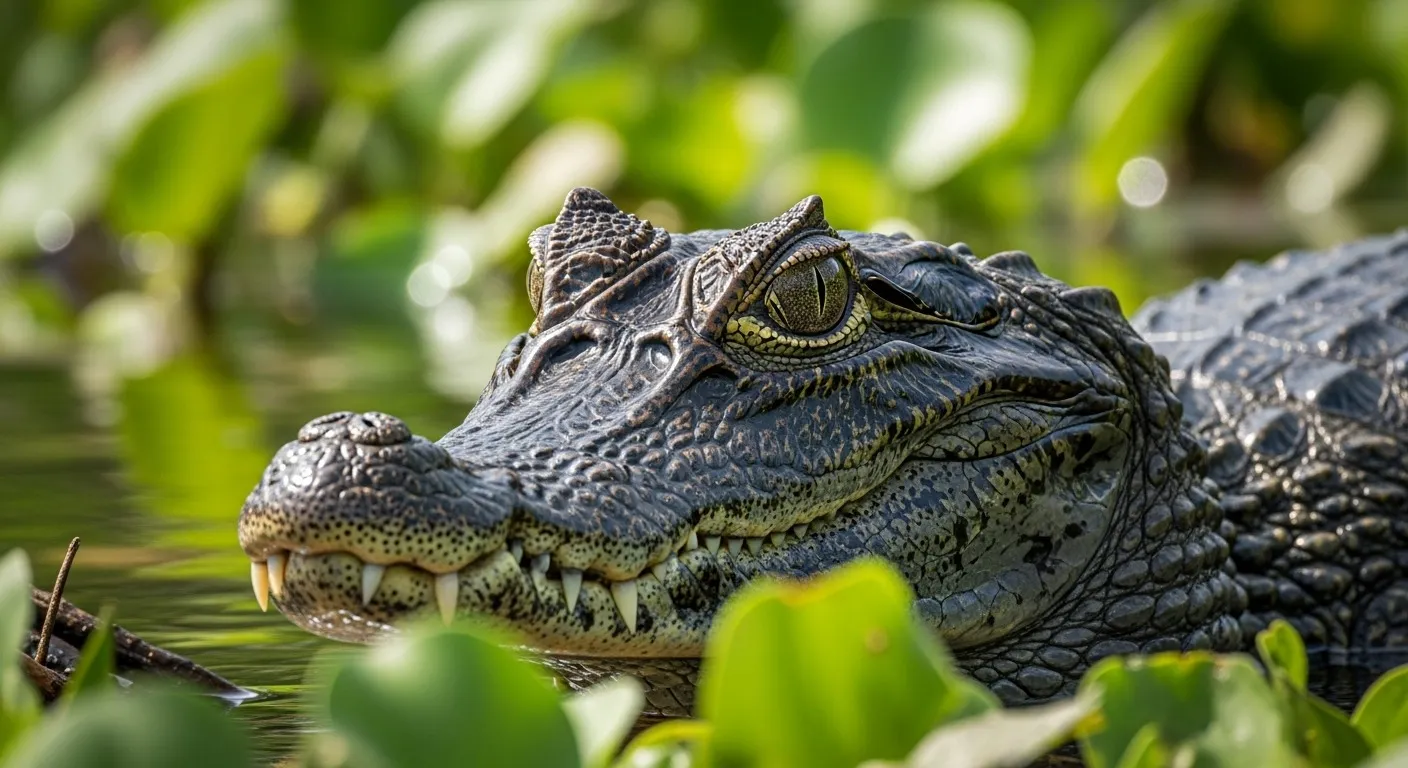
Costa Rica is a land of breathtaking biodiversity, where lush rainforests meet pristine beaches and incredible wildlife encounters await around every corner. Among the country’s most iconic and thrilling attractions is the Río Tárcoles Crocodile Bridge, a must-visit destination for anyone traveling along the Pacific coast. This guide provides everything you need to know for a safe and unforgettable visit in 2025.
What is the Río Tárcoles Crocodile Bridge?
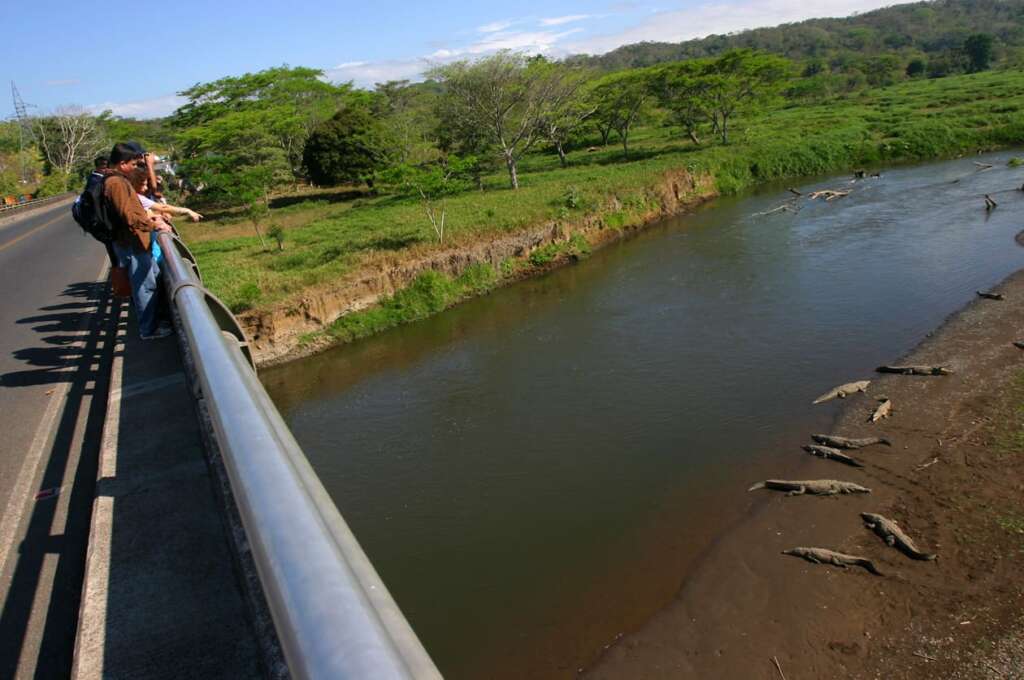
The Río Tárcoles Crocodile Bridge is a public bridge spanning the Tárcoles River on Route 34, the main coastal highway connecting San José to the popular tourist destinations of Jacó, Manuel Antonio, and the Osa Peninsula. While it serves as a vital transportation link, the bridge has become famous for the incredible spectacle it offers: a chance to see dozens of massive American crocodiles congregating in the river below.
From the safety of the pedestrian walkway, visitors can gaze down upon these prehistoric reptiles as they sunbathe on the muddy riverbanks or glide silently through the water. The sheer number and size of the crocodiles make this a truly awe-inspiring sight and a photographer’s dream. The bridge’s convenient location and the guaranteed wildlife viewing have cemented its status as a must-see stop on any Costa Rican itinerary.
The History of the Crocodile Bridge
The story of the Crocodile Bridge is intertwined with the development of Costa Rica’s coastal infrastructure. Before the current bridge was constructed, the Tárcoles River was crossed by a simple wooden ferry. As tourism grew and the need for a more reliable transportation route became apparent, the modern bridge was built, creating an elevated vantage point that inadvertently became the perfect platform for crocodile watching.
The bridge’s fame grew organically as travelers began to notice the unusually high concentration of crocodiles in this particular stretch of the river. Word of mouth and, later, social media transformed this functional piece of infrastructure into an iconic tourist attraction. Today, the bridge is a bustling hub of activity, with souvenir shops, restaurants, and tour operators catering to the steady stream of visitors who come to marvel at the river’s reptilian inhabitants.
The American Crocodile: A Closer Look
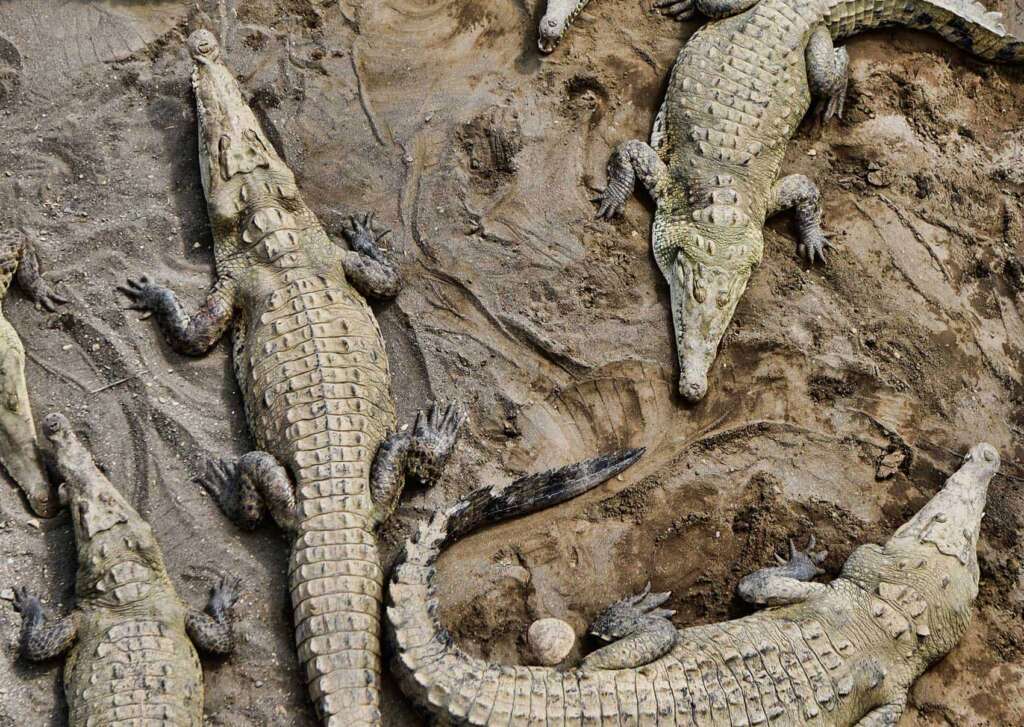
The star of the show at the Río Tárcoles is the American crocodile (Crocodylus acutus), one of the largest crocodile species in the world. These magnificent creatures are perfectly adapted to their riverine environment and play a crucial role in the local ecosystem.
Size and Appearance: American crocodiles are impressive in size, with males often reaching lengths of 15 to 20 feet (4.5 to 6 meters) and weighing up to 2,000 pounds (900 kg). They have a distinctive V-shaped snout, which distinguishes them from their alligator relatives, and their coloration ranges from grayish-green to olive-brown, providing excellent camouflage in the muddy waters of the Tárcoles.
Habitat and Diet: The Tárcoles River provides an ideal habitat for American crocodiles, with its slow-moving water, abundant food sources, and muddy banks for basking and nesting. Their diet is varied and includes fish, birds, mammals, and reptiles. The high concentration of crocodiles in the Tárcoles is a testament to the river’s rich biodiversity, despite its environmental challenges.
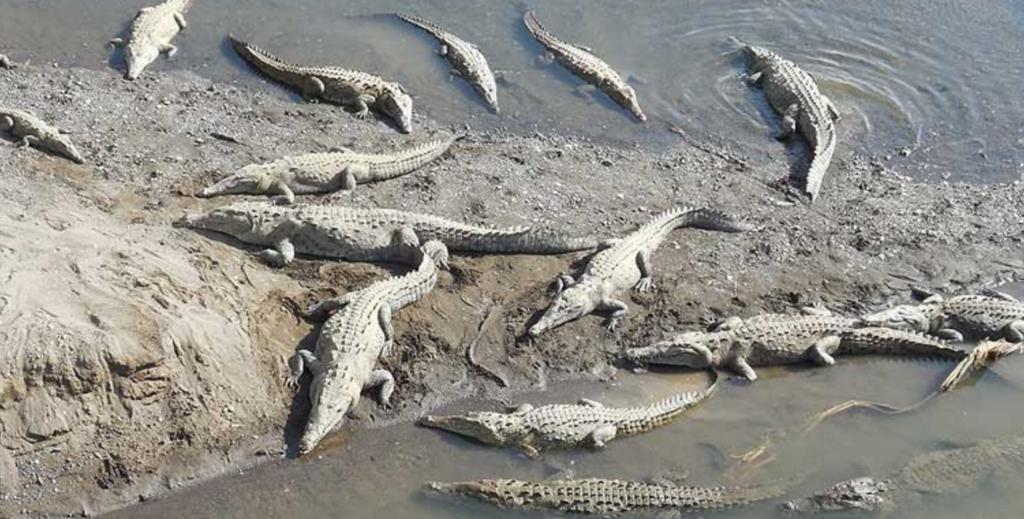
Behavior: Crocodiles are cold-blooded reptiles and spend a significant portion of their day basking in the sun to regulate their body temperature. This is why visitors to the Crocodile Bridge are often treated to the sight of dozens of crocodiles lying motionless on the riverbanks. While they may appear lethargic, they are powerful predators capable of explosive bursts of speed in the water.
The Tárcoles River Ecosystem
The Tárcoles River is more than just a home for crocodiles; it is a vital and complex ecosystem that supports a staggering array of wildlife. The river originates in the Central Valley and flows 111 kilometers (69 miles) to the Pacific Ocean, creating a rich tapestry of habitats along its course.
Biodiversity: The Tárcoles River basin is a biodiversity hotspot, home to over 300 species of birds, including the iconic scarlet macaw. The nearby Carara National Park, which straddles the river, is one of the best places in Costa Rica to see these magnificent birds. Other wildlife found in and around the river includes iguanas, basilisks (Jesus Christ lizards), and a variety of migratory and resident bird species.
Environmental Challenges: Despite its ecological importance, the Tárcoles River faces significant environmental challenges. It is one of the most polluted rivers in Central America, carrying runoff from urban areas, agriculture, and industry. Conservation efforts are underway to address these issues, but the river’s health remains a concern. Responsible tourism plays a crucial role in supporting these conservation initiatives and raising awareness about the need to protect this vital ecosystem.
Planning Your Visit to the Crocodile Bridge
A visit to the Crocodile Bridge is easy to incorporate into any Costa Rican travel plan. Here’s what you need to know to make the most of your experience.
Location and Directions: The bridge is located on Route 34, approximately 73 kilometers (45 miles) southwest of San José’s Juan Santamaría International Airport (SJO). The drive from the airport takes about 1 hour and 20 minutes, making it a convenient first stop for travelers heading to the Pacific coast. If you’re driving from San José, take Route 27 west and then connect to Route 34 south. The bridge is well-marked and impossible to miss.
Best Time to Visit: The best time to see crocodiles is during the dry season (December to April), when lower water levels cause them to congregate in larger numbers on the riverbanks. However, crocodiles can be seen year-round. The middle of the day, when the sun is at its peak, is often the best time for viewing, as the crocodiles will be out basking.
What to Bring: Be sure to bring your camera or smartphone to capture the incredible views. Binoculars can also be useful for getting a closer look at the crocodiles and other wildlife. The sun can be intense, so a hat, sunglasses, and sunscreen are recommended. There are souvenir shops and restaurants at either end of the bridge where you can purchase drinks and snacks.
Safety at the Crocodile Bridge
While the Crocodile Bridge offers a thrilling wildlife experience, it’s essential to prioritize safety during your visit.
On the Bridge: The bridge has a dedicated pedestrian walkway, but it can be narrow and crowded. Be mindful of traffic and other visitors. Never climb on the railings or attempt to get a closer look by leaning over the edge. The bridge is high, and a fall would be extremely dangerous.
Parking and Security: There are parking areas at both ends of the bridge, but they are known for attracting thieves. Never leave valuables in your car, and always lock your vehicle. If possible, have someone stay with the car while others visit the bridge. Be wary of anyone offering to “watch” your car for a fee, as this is often a scam.
Respect the Wildlife: It is illegal and extremely dangerous to feed the crocodiles. Feeding them habituates them to humans and can lead to aggressive behavior. Never throw food or any other objects into the river. Remember that these are wild animals and should be treated with respect and caution.

Boat Tours on the Tárcoles River
For a more immersive experience, consider taking a boat tour on the Tárcoles River. Several reputable tour operators offer guided tours that take you up close to the crocodiles and other wildlife in their natural habitat. These tours provide a different perspective than viewing from the bridge and offer excellent opportunities for photography.
What to Expect: Boat tours typically last about two hours and are led by knowledgeable guides who can identify the various species of birds, reptiles, and mammals that call the river home. You’ll have the chance to see crocodiles at eye level, as well as a wide variety of birdlife, including herons, egrets, kingfishers, and, if you’re lucky, scarlet macaws.
Choosing a Tour Operator: Look for tour operators that prioritize safety and responsible wildlife viewing practices. Reputable companies will have experienced guides, well-maintained boats, and a strong commitment to conservation. Some of the most popular tour operators include Jose’s Crocodile River Tour and Crocodile Man Tour.
Nearby Attractions
The Crocodile Bridge is perfectly situated for exploring some of Costa Rica’s most popular attractions. Here are a few nearby destinations to consider adding to your itinerary.
Carara National Park: Located just a few minutes from the bridge, Carara National Park is a must-visit for birdwatchers and nature lovers. The park is a transitional zone between the dry forests of the north and the humid rainforests of the south, creating a unique ecosystem with incredible biodiversity. It is one of the best places in Costa Rica to see scarlet macaws.
Jacó: This bustling beach town is about a 30-minute drive south of the bridge and is known for its surfing, nightlife, and wide range of restaurants and shops. It’s a popular destination for both tourists and expats.
Manuel Antonio National Park: About an hour and a half south of the bridge, Manuel Antonio National Park is one of Costa Rica’s most famous parks, renowned for its stunning beaches, lush rainforest, and abundant wildlife, including monkeys, sloths, and toucans.

Conservation and the Future of the Tárcoles
The future of the Tárcoles River and its incredible wildlife depends on ongoing conservation efforts. While the river faces challenges from pollution, there is a growing awareness of the need to protect this vital ecosystem. Local communities, non-profit organizations, and the Costa Rican government are working together to clean up the river, restore habitats, and promote sustainable tourism.
As a visitor, you can contribute to these efforts by choosing responsible tour operators, respecting wildlife, and supporting local businesses that are committed to conservation. The Crocodile Bridge is more than just a tourist attraction; it is a powerful reminder of the beauty and fragility of Costa Rica’s natural heritage and the importance of protecting it for future generations.
Frequently Asked Questions
Where is the Río Tárcoles Crocodile Bridge located?
The Río Tárcoles Crocodile Bridge is located on Route 34, the main coastal highway on the Pacific side of Costa Rica. It is approximately 73 kilometers (45 miles) southwest of San José’s Juan Santamaría International Airport (SJO) and serves as a popular stop for travelers heading to Jacó, Manuel Antonio, and other Pacific coast destinations.
How many crocodiles can you see at the bridge?
The number of crocodiles visible from the bridge varies depending on the time of day and year, but it is not uncommon to see dozens of them at once. The Tárcoles River has one of the highest concentrations of American crocodiles in the world, with an estimated population of around 2,000 in the area.
Is it safe to visit the Crocodile Bridge?
Yes, it is safe to visit the bridge as long as you take basic precautions. Stay on the pedestrian walkway, be mindful of traffic, and never climb on the railings. The main safety concern is theft from parked cars, so be sure to lock your vehicle and not leave any valuables in sight.
What is the best time to visit the bridge?
The best time to see the most crocodiles is during the dry season (December to April) and in the middle of the day when the sun is at its peak. During this time, the crocodiles are most likely to be out of the water, basking on the riverbanks to regulate their body temperature.
Can you feed the crocodiles?
No, it is illegal and extremely dangerous to feed the crocodiles in Costa Rica. Feeding them can make them lose their natural fear of humans and become more aggressive, which poses a risk to public safety. It can also be harmful to the crocodiles’ health.
How long should I spend at the bridge?
Most visitors spend about 15 to 30 minutes at the bridge. This is enough time to walk across, take photos, and observe the crocodiles. If you plan to visit the nearby souvenir shops or have a snack at one of the restaurants, you might want to allow for a bit more time.
Are there boat tours available?
Yes, several companies offer guided boat tours on the Tárcoles River. These tours provide a more up-close and personal experience with the crocodiles and other wildlife. Tours typically last about two hours and are a great way to learn more about the local ecosystem from experienced guides.
What else can I see near the bridge?
The area around the Crocodile Bridge is rich in attractions. Carara National Park, famous for its scarlet macaws, is just a few minutes away. The popular beach town of Jacó is about a 30-minute drive south, and the world-renowned Manuel Antonio National Park is about an hour and a half away.
How far is the bridge from San José?
The bridge is approximately 73 kilometers (45 miles) from San José’s Juan Santamaría International Airport (SJO). The drive typically takes about 1 hour and 20 minutes, depending on traffic.
Is there an entrance fee to visit the bridge?
No, there is no entrance fee to visit the Crocodile Bridge. It is a public bridge, and you can walk across it for free. However, you may need to pay for parking at one of the nearby lots.
Professional Disclaimer: The images used in this article were created using AI technology to illustrate the Río Tárcoles Crocodile Bridge and its surrounding environment.
Considering a Move to Costa Rica?
While the Crocodile Bridge is a fantastic place to visit, CRIE specializes in helping people make Costa Rica their permanent home. If you’re inspired by the country’s natural beauty and considering residency, our team of experts can guide you through every step of the immigration process.
Contact CRIE today for a consultation:
- WhatsApp: +506 8706 3888
- Email: info@crie.cr
- Website: crie.cr
Article by Glenn Tellier (Founder of CRIE and Grupo Gap)
Don't wait, contact us right now!
Call or WhatsApp Costa Rica +506 8373 2085 or +506 8706 3888
Call USA/Canada +1 305-906-6784