
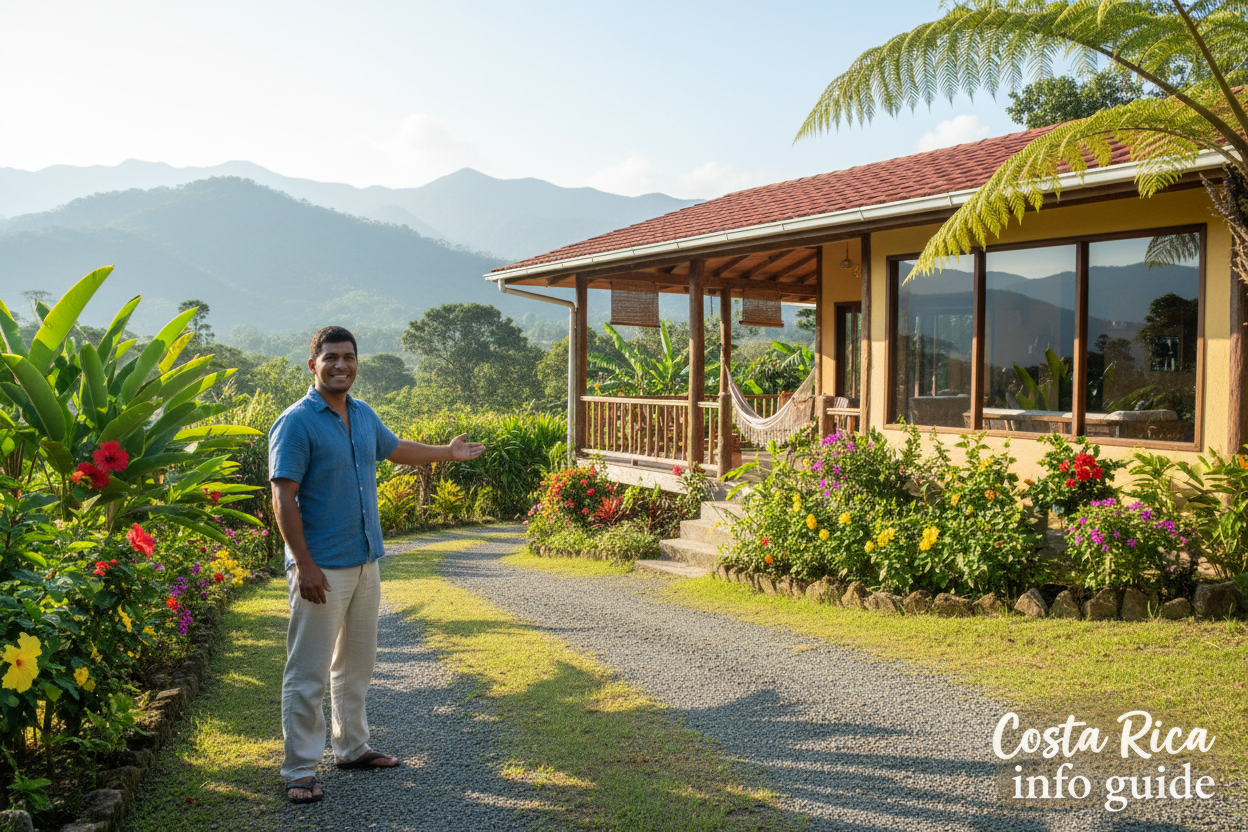
Moving to a new country brings excitement and a long list of tasks. Understanding the local rental process is one of the most important steps for a smooth transition.
This practical guide offers key information for North Americans. It walks you through the Costa Rican rental market, from grasping local customs to signing your lease.
Foreigners enjoy the same rental rights as legal residents. You can secure a place using just a tourist visa. This makes it easy to test out expat life in this beautiful country.
The market can be competitive. Finding the right home requires patience and local connections. Many people find their ideal spot through word-of-mouth after arriving.
We cover everything you need to know, from housing types to setting up utilities. This helps you avoid common mistakes. While residency isn’t required for renting, experts like CRIE can answer related questions if you decide to stay for good.
Understanding the Costa Rican Rental Culture
Finding a place to live in Costa Rica is more about who you know than what you see online. The process relies heavily on personal trust and local networks.
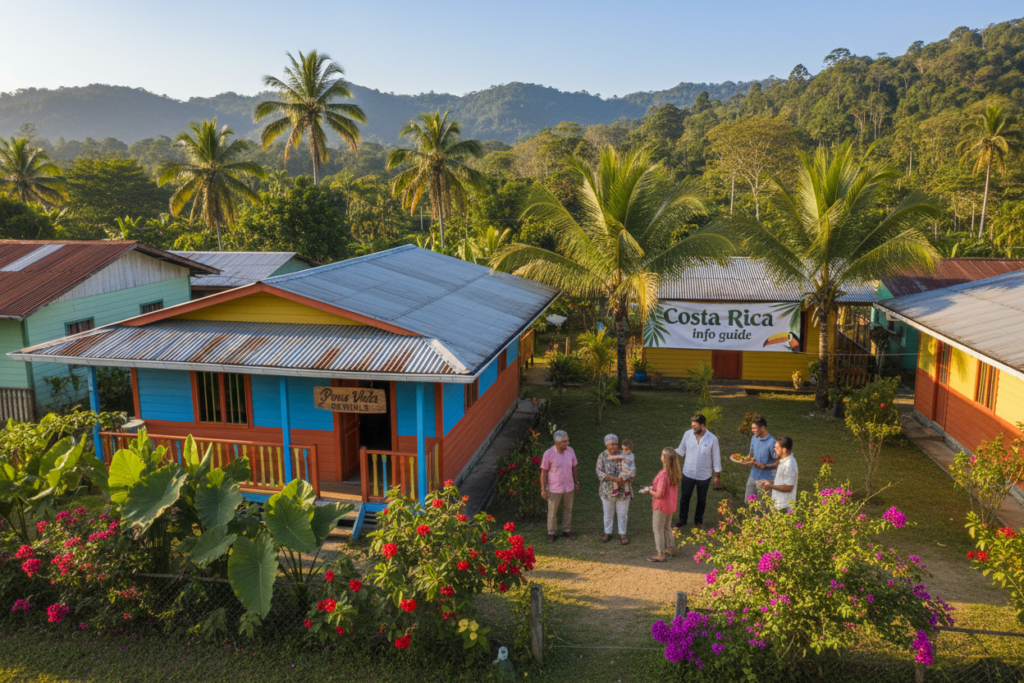
Embracing the Pura Vida Lifestyle
“Pura Vida” is more than a phrase. It’s a lifestyle that values relationships over rigid formalities.
This mindset directly shapes the rental market. Landlords often prefer tenants they know or who come recommended by trusted people in the community.
Why Local Recommendations Matter
Unlike markets dominated by online listings, many opportunities here are shared by word of mouth. You need to be on the ground.
One couple of expats in Costa Rica searched for two months without luck. They finally found a home because their Airbnb cleaner knew someone with a vacant house.
Building connections in your target area is key. Visit neighborhoods, chat with locals at coffee shops, and attend community events.
These personal relationships open doors to rentals you’ll never find online. Patience and genuine interest in the community make all the difference.
Exploring Housing Options in Costa Rica
Prospective tenants can select from modern high-rises, cozy standalone houses, and secure gated community homes. The variety suits everyone from solo digital nomads to large families.
Understanding the main categories helps narrow your search. Each type offers a different living experience.
Apartments vs. Standalone Houses
Apartments are common in urban centers like San José. They are often in multi-unit towers with shared amenities.
Tenants enjoy access to swimming pools, gyms, and 24-hour security. These properties are ideal for those seeking convenience and community.
Standalone houses provide more privacy and outdoor space. They are found in residential neighborhoods and lush valleys.
Many feature private gardens, patios, and even a pool. This option is perfect for people who value quiet and room to spread out.
| Property Type | Typical Features | Best For | Common Locations |
|---|---|---|---|
| Apartment | Shared pool, gym, security, compact layout | Urban professionals, singles, couples | City centers, near universities |
| Standalone House | Private yard, multiple bedrooms, more space | Families, pet owners, those wanting privacy | Suburban neighborhoods, countryside |
| Condo/Townhouse | Gated community, maintained grounds, mix of features | Expats seeking security and social life | Exclusive communities near towns |

Furnished versus Unfurnished Rentals
A furnished property includes furniture, major appliances, and often kitchenware. This makes moving in very easy for newcomers.
It’s a popular choice for expats arriving with just suitcases. You pay for both the home and the items inside.
Unfurnished has a key local difference. It often means no refrigerator, stove, or washer and dryer.
Tenants may need to buy or rent these big appliances. Always confirm what is included before signing a lease.
Strategies for an Effective Rental Search
Securing your ideal home in Costa Rica demands a smart, multi-pronged search strategy. You must blend online tools with in-person networking to access the full market.

Online Listings and Rental Sites
Start your digital hunt on local classified sites like encuentra24.com. For more formal listings, check Point2Homes.
Platforms like Airbnb and Vrbo list short-term stays. Sometimes these can convert to long-term leases. Be cautious of scams if you rely solely on online information from abroad.
Utilizing Local Realtors and Facebook Groups
National real estate firms like Coldwell Banker operate here. Their local branches often have the one best leads on unlisted properties.
Walk into realtor offices, even if their website shows nothing. Mentioning future purchase interest can motivate them to show you places.
Join Facebook groups like “Costa Rica House and Apartment Rentals.” Local expat groups also share insider information on available properties.
The one best practice is to begin your active search after you arrive. Use a short-term rental for a month or two to explore and make connections.
Navigating renting-a-house-in-costa-rica
Navigating the rental process in Costa Rica involves clear steps and vigilance against potential scams. The procedure is typically fast once you find a suitable place.
You must be prepared to act quickly due to high demand for good properties.
The Step-by-Step Rental Process
Start by identifying properties that meet your needs through local listings or agents. Contact the landlord or realtor to schedule an in-person viewing.
Always inspect the property yourself. If you like it, inform the landlord of your interest and discuss terms.
Landlords often give an immediate answer because competition is fierce. Once approved, you’ll usually pay a security deposit equal to one month’s rent plus the first month’s rent upfront.

Tips for Avoiding Scams
The most critical safety rule is never to send money or commit to a property before seeing it in person. Verify the landlord’s legitimacy face-to-face.
Common scam warning signs include listings priced well below market rates. Be wary if a landlord cannot meet or show the property.
Pressure to commit quickly without proper documentation is a red flag. Requests for wire transfers or cryptocurrency payments are major dangers.
Follow these do’s and don’ts to protect yourself:
- Do visit the property and meet the landlord in person.
- Do ask for references and verify ownership through local contacts.
- Do insist on a written rental contract.
- Don’t wire money from abroad before arrival.
- Don’t pay any rent without seeing the property first.
- Don’t accept verbal-only agreements.
For reliable information, work with established real estate companies. Getting recommendations from expats in local Facebook groups also reduces risk.
Understanding Rental Contracts and Deposits
Signing a lease in Costa Rica comes with specific legal protections and customary financial practices that renters should know. Getting this information right prevents future misunderstandings.
Key Contract Terms to Watch For
Always insist on a signed paper contract. Verbal agreements are risky. The lease will be in Spanish.
If your Spanish isn’t strong, hire a local agent to review it. This ensures you understand all terms clearly.
| Term | What to Check | Why It Matters |
|---|---|---|
| Monthly Rent | The exact rental price and due date. | Sets your fixed monthly payment. |
| Security Deposit | Should equal one month’s rent. | Protects the landlord against damages. |
| Contract Duration | Local law sets a 3-year minimum for tenant protection. | You can stay up to three years, even if the contract says less. |
| Utilities | Which bills (water, electric, internet) are included or separate. | Affects your total monthly cost. |
| Maintenance | Who handles repairs for the property. | Clarifies responsibility for fixing issues. |
Security and Pet Deposits Explained
The standard security deposit is one month’s rent. Be wary if a landlord asks for more.
If the property allows pets, expect an additional pet deposit. Landlords typically hold all deposits for 30 days after you move out.
This covers time to check for damages or final utility bills. The three-year rule protects you but doesn’t lock you in. You can leave earlier.
Seasonal Rental Trends and Pricing Considerations
Strategic renters align their housing search with Costa Rica’s distinct high and low seasons. Timing impacts both the price you pay and the selection of available properties.
High Season vs. Low Season Insights
The high season runs from November through April. This dry period brings peak tourist demand and higher rental prices.
The low, or rainy, season from May to October typically offers more availability. You may find lower rates during these months.
In recent years, the market in Costa Rica has seen a shift. The price difference between seasons is less pronounced in popular beach areas.
Negotiating Rental Rates in Different Periods
June, July, and August are excellent months to look. Peak tourism has ended, so more properties are available.
May can be tricky. Landlords are often less active after a profitable high season.
If your lease spans both seasons, propose two different monthly rates. Commit to a year or more for negotiating leverage on the rent.
Use these practical strategies:
- Ask for a higher rate during peak months and a reduced rate for the low season.
- Request a discount for signing a long-term lease of one year or more.
- Contact property owners directly to bypass platform fees that can add 10-15% to the list price.
Plan your search during lower-demand months. This approach can lead to significant savings in the market.
Safety Tips and Best Practices for Renters
Gathering firsthand information about a potential rental involves more than just liking the layout; it requires a systematic inspection. Following key safety practices protects your deposit and ensures your new home is secure.
Landlords in Costa Rica typically only need to see your passport. Providing a reference letter from a past landlord or proof of finances can strengthen your application.
Do’s and Don’ts When Inspecting a Property
A methodical approach to viewing properties is essential. This table outlines critical actions to take and avoid.
| Focus Area | Do | Don’t |
|---|---|---|
| Inspection Timing | Visit during daytime to check natural light and see normal neighborhood activity. | Never tour a property alone on a first visit. Bring a friend or agent. |
| Physical Checks | Test all appliances, faucets, and toilets. Look for mold on walls or ceilings. | Never ignore obvious damage or poor upkeep. It signals larger issues. |
| Neighborhood Assessment | Walk around the block. Note the condition of nearby homes and general safety. | Don’t skip evaluating the local area due to market pressure to decide quickly. |
| Documentation | Take photos and videos of any existing flaws before you move in. | Avoid verbal agreements. Get any condition reports added to your lease. |
Research the specific area’s safety reputation. Ask for insights in local expat Facebook groups. Chat with potential neighbors during your visit.
Verify the landlord’s identity. Ask for identification or work with a known real estate company. This simple step prevents scams.
Ask practical questions about the area. Inquire about medical facilities, police presence, and road quality during the rainy season.
Always trust your instincts. If a property or situation feels wrong, it is better to keep looking. Your comfort in your new home is paramount.
Managing Utilities and Essential Set-Up
Utility setup is a key part of settling into your new life, but the process in Costa Rica is often simpler than expected. Many landlords prefer to manage these essential services for their tenants.
This common practice saves you from activation fees and paperwork. The cost is either included in your monthly rent as a flat fee or billed to you separately.
Getting Connected: Electricity, Water, and Internet
Understanding the billing cycle is important. Utilities are billed one month in advance.
Your first month in a new home typically has no utility payment due. You will need to settle final bills after you move out.
You don’t need legal residency to open accounts. A passport and rental contract are usually enough.
Letting the landlord handle it is easiest. For a complete step-by-step setup process, consult a detailed guide.
| Utility Type | Main Provider(s) | Key Notes | Typical Setup for Renters |
|---|---|---|---|
| Electricity | CNFL (Compañía Nacional de Fuerza y Luz) | Primary public service company across the country. | Often kept in landlord’s name. |
| Water | A y A (National), Asada, Coop, ESPH (Heredia) | Government-owned A y A services most of Costa Rica. | Usually managed by the property owner. |
| Cooking Gas | Various tank delivery companies | Used by about 45% of homes; tanks are delivered. | Tenant often arranges and pays for refills. |
| Internet & Mobile | Kölbi (ICE), Claro, Liberty | Affordable plans; combo packages with TV are common. | Tenant can choose and set up their own plan. |
Always ask if utilities are included in your rent. Request to see recent bills to understand typical costs for your specific home.
Practical Advice for a Smooth Move
Many expats discover that securing a short-term rental for one to two months is crucial. This approach provides essential flexibility in Costa Rica’s competitive housing market.
Short-Term Rentals as a Stepping Stone
Begin by renting a temporary home for your first month or two. This gives you ample time to find a suitable long-term rental without pressure. One expat couple searched for two full months.
They used an Airbnb as their base and found their permanent home through a personal connection—their apartment cleaner. This real story underscores the value of local networks.
Your short-term rental offers stability and a local address. You can explore neighborhoods, attend viewings, and gauge communities before signing a lease.
While nightly rates are expensive, monthly rentals on platforms like Airbnb often match long-term rental prices. This makes the strategy affordable for many expats.
Having a temporary base removes the urgency to accept the first available property. You can be selective and find a home that truly fits your lifestyle.
For families, it provides comfort while handling school enrollment. Use this period to network actively. Conversations with your host can lead to unlisted rental opportunities in Costa Rica.
Final Steps for a Smooth Rental Experience
To ensure a smooth transition into your new Costa Rican home, focus on these essential actions. The country offers diverse properties, from compact city apartments to spacious family homes on large land plots. Many expats choose secure gated communities for their amenities and sense of community.
Popular areas include Escazú, Santa Ana, and various beach communities. Always visit a property in person before committing to a rental. Use a short-term rental first to explore different neighborhoods.
Key questions arise during the process. You do not need a visa to rent. A one-month security deposit is standard. Utilities may or may not be included in your rent.
For long-term planning, residency options may become relevant. CRIE provides expert guidance on this matter. You can contact them via WhatsApp at +506 8706 3888, email at info@crie.cr, or visit www.crie.cr.
FAQ
What is the best way to find a long-term rental property in Costa Rica?
How does the rental market differ between high season and low season?
What should I look for in a standard rental contract?
Are utilities typically included in the monthly rent?
Is renting a furnished or unfurnished home more common?
What are the benefits of living in a gated community?
Why is a short-term rental recommended before signing a long-term lease?
What are the standard deposit requirements?
Article by Glenn Tellier (Founder of CRIE and Grupo Gap)
Don't wait, contact us right now!
Call or WhatsApp Costa Rica +506 8373 2085 or +506 8706 3888
Call USA/Canada +1 305-906-6784