

The dream of owning a piece of paradise in Costa Rica—a villa with an ocean view, a mountain retreat surrounded by nature, or a home in a vibrant community—is a powerful one. For many foreigners, this dream is entirely achievable. However, the process is not without its complexities. This guide provides a balanced, realistic look at the pros and cons of buying property in Costa Rica in 2026.
The Allure of Costa Rican Real Estate
Costa Rica’s real estate market has long attracted international buyers, and for good reason. The country’s commitment to peace, democracy, and environmental protection creates a stable and appealing environment for investment. But before diving in, it’s essential to weigh the benefits against the potential challenges.
Pros and Cons at a Glance
To provide a clear overview, here’s a summary of the key advantages and disadvantages of buying property in Costa Rica:
| Pros (The Advantages) | Cons (The Challenges) |
|---|---|
| Foreigners can own property with equal rights as citizens. | Lack of a centralized MLS requires thorough due diligence. |
| Stable democracy and a secure legal framework for property ownership. | Complex property laws and zoning regulations (e.g., Maritime Zone Law). |
| Unbeatable “Pura Vida” lifestyle and incredible natural beauty. | The necessity of a trustworthy legal team to navigate the system. |
| Potential for a solid investment and rental income. | Cultural and business differences can slow down transactions. |
The Connection Between Property and Residency
While you do not need to be a resident to buy property, owning property can be a pathway to residency. The Inversionista (Investor) category is a popular option for those who invest at least $150,000 USD in real estate. However, it is important to understand that owning property does not automatically grant you the right to live in Costa Rica full-time. You must still go through the formal residency application process. For those considering a permanent move, exploring the different residency options in Costa Rica is a crucial first step.

Navigating the Legal Landscape
Given the complexities of the legal system and the language barrier (all legal documents are in Spanish), having a trustworthy team of professionals is non-negotiable. This includes a reputable real estate agent, an experienced attorney, and a notary public. Attempting to navigate the process without expert guidance is a significant risk.
Closing Costs and Financing
Closing costs in Costa Rica typically range from 4% to 5% of the sale price and include transfer taxes, registration fees, and notary fees. While it is possible for foreigners to obtain financing from Costa Rican banks, it can be difficult. Many property purchases are made with cash or through seller financing.
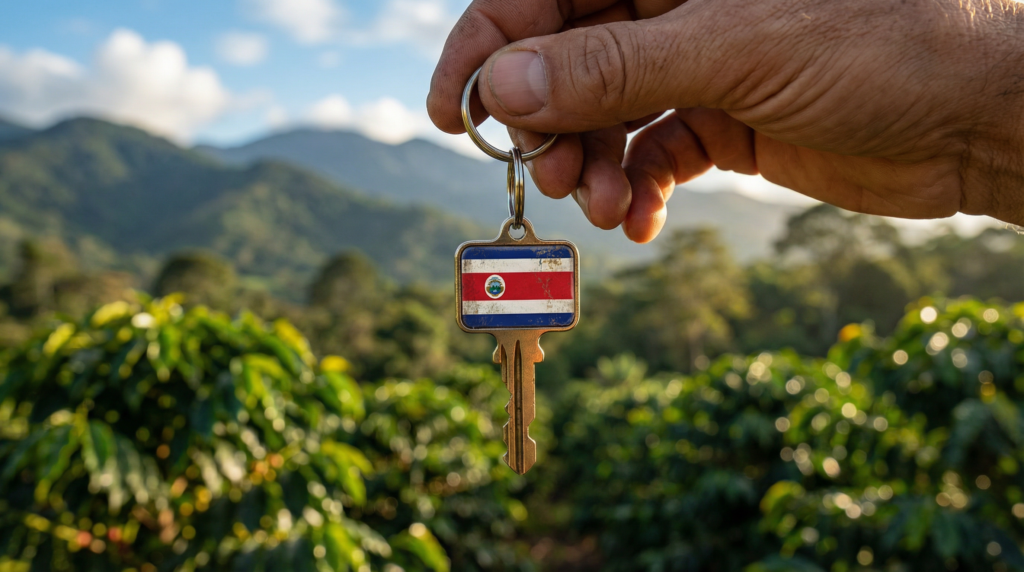
Conclusion: A Dream Within Reach, with the Right Guidance
Buying property in Costa Rica can be a wonderful and rewarding experience, but it is a venture that must be approached with caution, research, and the right team of professionals. The pros are undeniable, but the cons can be significant if you are not prepared. While CRIE is not a real estate agency, we are experts in the residency process that often follows a property purchase. If you are considering making Costa Rica your permanent home, we can guide you through the legal steps to ensure you can enjoy your piece of paradise for years to come.
If you’re also interested in financing your Costa Rican property investment, GAP Equity Loans offers specialized financing solutions for real estate projects in Costa Rica. Additionally, GAP Real Estate can help you find the perfect property to match your investment goals.

FAQ Section
Should I buy property in my personal name or in a corporation?
Many experts recommend holding property in a Costa Rican corporation for liability protection and to simplify the transfer of ownership in the future. However, this is a decision that should be made with the advice of your attorney.
What are the typical closing costs?
Closing costs in Costa Rica typically range from 4% to 5% of the sale price and include transfer taxes, registration fees, and notary fees.
Can I get a mortgage in Costa Rica as a foreigner?
While it is possible, it can be difficult for foreigners to obtain financing from Costa Rican banks. Many property purchases are made with cash or through seller financing.
What is a “possessory rights” claim?
This is a legal concept where someone can gain rights to a property by openly and peacefully possessing it for a certain period of time. This is one of the many reasons why a thorough due diligence process is so important.
Do I need to be a resident to buy property in Costa Rica?
No, you do not need to be a resident to purchase property in Costa Rica. Foreigners have the same ownership rights as citizens.
Can buying property lead to residency?
Yes, a property investment of at least $150,000 USD can be a pathway to investor residency in Costa Rica. However, you must still complete the formal residency application process.
Costa Rica Immigration Experts (CRIE) Disclaimer:
CRIE specializes exclusively in immigration and residency matters. This article is for general informational purposes only and does not constitute expert advice on this topic.
AI Image Disclaimer:
Images in this article are AI-generated for illustrative purposes and reflect realistic business environments in Costa Rica.
Article by Glenn Tellier (Founder of CRIE and Grupo Gap)
Don't wait, contact us right now!
Call or WhatsApp Costa Rica +506 8373 2085 or +506 8706 3888
Call USA/Canada +1 305-906-6784