
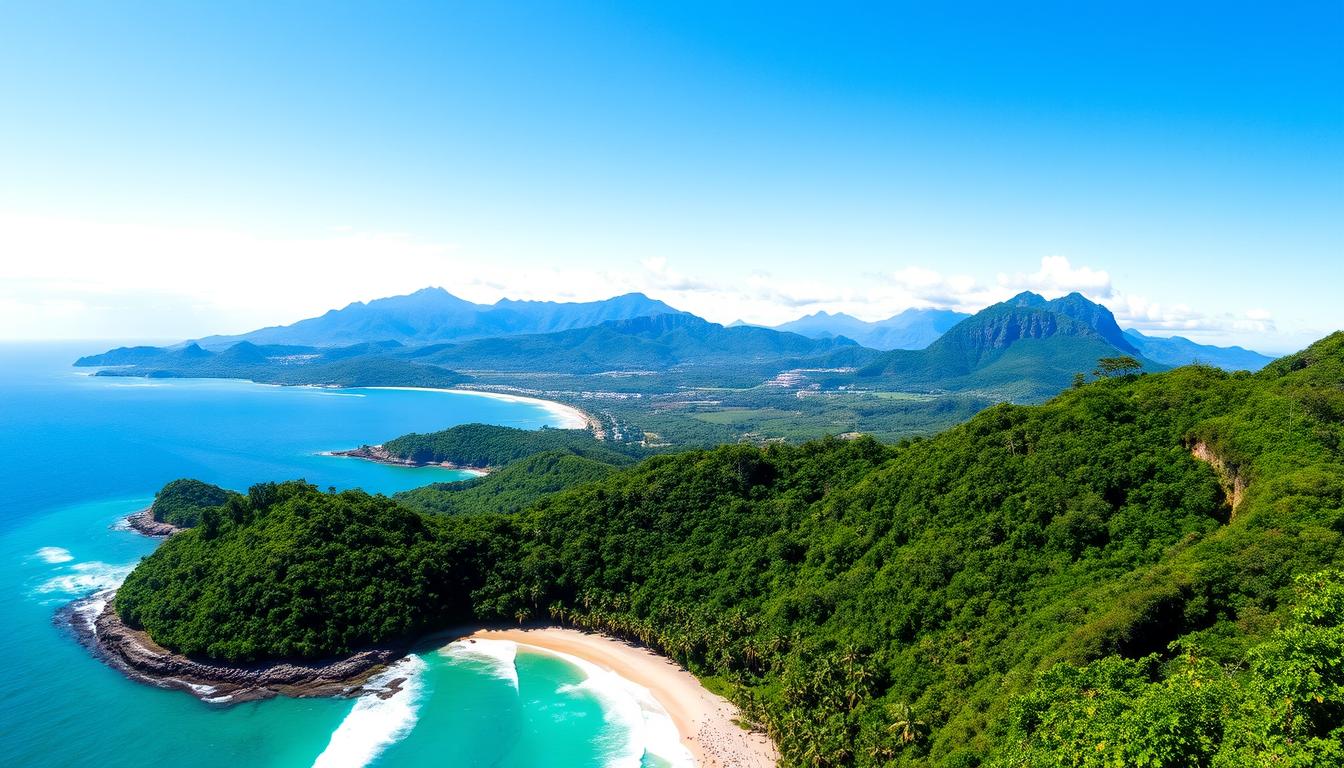
Costa Rica offers breathtaking natural beauty that attracts many US citizens looking for a change of lifestyle
Visa and Residency Options for US Citizens
Understanding your legal options for living in Costa Rica as a US citizen is the first step in planning your relocation. Costa Rica offers several pathways to legal residency, each with different requirements and benefits.
Tourist Visa: The 180-Day Option
As a US citizen, you can enter Costa Rica without applying for a visa in advance and stay for up to 180 days. This is a popular starting point for many Americans who want to explore the country before committing to a more permanent move. However, there are important considerations:
- You must have a valid passport with at least six months remaining before expiration
- Proof of onward travel (a return ticket) is typically required upon entry
- You cannot legally work for Costa Rican employers on a tourist visa
- After 180 days, you must leave the country for at least 72 hours before re-entering
- Some expats use the “perpetual tourist” approach, making border runs every 180 days

US citizens need to understand visa requirements before planning their move to Costa Rica
Pensionado (Retiree) Residency
The Pensionado program is one of the most popular residency options for US retirees moving to Costa Rica. To qualify:
- You must prove a lifetime monthly income of at least $1,000 from a qualifying pension or retirement fund
- Social Security benefits, military pensions, and other guaranteed retirement income qualify
- The income must be permanent and guaranteed for life
- There is no minimum age requirement
Pensionado residents cannot work as employees in Costa Rica but can own businesses and receive income from investments.
Rentista Residency
The Rentista program is designed for those who aren’t retired but have a stable, guaranteed income:
- Requires proof of $2,500 monthly income for at least two years, or
- A $60,000 deposit in a Costa Rican bank that generates at least $2,500 monthly
- Ideal for younger Americans with investment income or remote work arrangements
- Like Pensionados, Rentistas cannot work as employees but can own businesses
Inversionista (Investor) Residency
For those with capital to invest, the Inversionista category requires:
- A minimum investment of $150,000 in a Costa Rican business, real estate, or government-approved project
- The investment must benefit Costa Rica’s economy
- Documentation proving the source and transfer of funds
Digital Nomad Visa
Introduced in 2021 and improved in 2022, Costa Rica’s Digital Nomad Visa has become increasingly popular among remote workers:
- Requires proof of stable monthly income of at least $3,000 (or $4,000 for families)
- Income must come from sources outside Costa Rica
- Valid for one year and renewable for an additional year
- Exemption from income tax on foreign earnings
- No requirement to pay into the Costa Rican healthcare system
Permanent Residency
After maintaining temporary residency (Pensionado, Rentista, or Inversionista) for three years, you can apply for permanent residency. This status allows you to work legally in Costa Rica and provides more stability with fewer renewal requirements.
Need Help With Your Costa Rica Residency Application?
Navigating the residency process can be complex. Our immigration experts can guide you through every step, ensuring your application is complete and correctly submitted.
Call or WhatsApp CR: +506 8373-2085 or + 506 8706-3888
Call us from the USA: +1 305 906-6784
Call us from Canada: +1 416 900-5773
Cost of Living: US vs. Costa Rica Comparison
One of the main attractions of living in Costa Rica as a US citizen is the potentially lower cost of living. However, costs vary significantly depending on your lifestyle choices, location, and personal preferences.
Housing Costs
Housing is typically your largest expense, and prices vary widely across Costa Rica:
| Location | Monthly Rent (1BR) | Monthly Rent (3BR) | Purchase Price Range |
| San José (City Center) | $500-800 | $800-1,500 | $150,000-300,000 |
| Central Valley (Atenas, Grecia) | $400-700 | $700-1,200 | $120,000-250,000 |
| Beach Areas (Tamarindo, Jacó) | $600-1,000 | $1,000-2,500 | $200,000-500,000+ |
| Rural Areas | $300-500 | $500-900 | $100,000-200,000 |
For comparison, the average one-bedroom apartment in a US city center costs around $1,500-2,500 per month, making Costa Rica significantly more affordable for housing.

Typical Costa Rican homes offer a blend of traditional architecture and modern amenities
Daily Expenses
Beyond housing, here’s how other common expenses compare:
Groceries
Local produce is very affordable, while imported goods can be expensive:
- Local fruits and vegetables: 30-50% less than US prices
- Local meat and dairy: 20-40% less than US prices
- Imported foods: Often 20-50% more expensive than in the US
- Monthly grocery budget for a couple: $300-500
Utilities
Utility costs vary by location and usage:
- Electricity: $50-150/month (higher in hot areas with AC)
- Water: $15-30/month
- Internet: $40-70/month for high-speed connection
- Cell phone: $20-40/month for basic plans
Transportation Costs
Transportation expenses depend on your lifestyle choices:
- Public bus: $0.50-2.00 per trip
- Taxi: Starting at $1-2 plus $1-1.50 per kilometer
- Car purchase: 30-50% more expensive than US due to import taxes
- Gasoline: Approximately $5-6 per gallon (higher than US average)
- Car insurance: $300-800 annually depending on vehicle
Healthcare Expenses
Healthcare costs are significantly lower than in the United States:
- Caja (public healthcare) monthly payment: $75-200 based on income
- Private doctor visit: $50-80
- Specialist consultation: $80-150
- Private health insurance: $75-200/month depending on age and coverage
- Dental cleaning: $40-60
- Prescription medications: Often 50-70% less than US prices
Sample Monthly Budget
Here’s a sample monthly budget for a couple living in Costa Rica:
| Expense Category | Budget Range (USD) | Notes |
| Housing (2BR rental) | $600-1,200 | Varies significantly by location |
| Utilities | $150-250 | Includes electricity, water, internet, phone |
| Groceries | $300-500 | Depends on local vs. imported preferences |
| Dining Out | $200-400 | 8-12 meals out per month |
| Healthcare | $100-300 | Caja payment and occasional private care |
| Transportation | $100-400 | Higher if owning a car |
| Entertainment | $100-300 | Activities, hobbies, travel |
| Miscellaneous | $150-300 | Clothing, household items, etc. |
| Total | $1,700-3,650 | Average: ~$2,500/month for a couple |
Pro Tip: Many expats find that they can live comfortably in Costa Rica for about 50-70% of what they spent in the United States, especially if they embrace local products and lifestyle choices.
Healthcare System for US Citizens in Costa Rica
Costa Rica boasts one of Latin America’s best healthcare systems, offering both public and private options that provide quality care at a fraction of US costs. Understanding how to access healthcare is essential for US citizens planning to live in Costa Rica.
Public Healthcare: The Caja System
The Caja Costarricense de Seguro Social (CCSS), commonly called “Caja,” is Costa Rica’s universal healthcare system:
- All legal residents are required to join and contribute monthly
- Contributions range from 7-11% of declared income
- Provides comprehensive coverage with no pre-existing condition exclusions
- Includes preventive care, surgeries, hospitalizations, and medications
- Services are delivered through a nationwide network of clinics (EBAIS) and hospitals
While the Caja system offers excellent coverage, it does have some limitations:
- Wait times for non-emergency procedures can be lengthy
- Language barriers may exist as not all staff speak English
- You have limited choice of physicians
- Appointment scheduling can be bureaucratic

Costa Rica offers high-quality healthcare facilities at a fraction of US costs
Private Healthcare Options
Many US citizens living in Costa Rica combine Caja with private healthcare for greater flexibility:
- Private hospitals like CIMA, Clínica Bíblica, and Hospital La Católica offer world-class care
- Many doctors are US-trained and speak English
- Wait times are minimal, often same-day appointments are available
- Costs are 50-70% lower than equivalent services in the US
- Private insurance plans are available at reasonable rates
Health Insurance for US Expats
Even with Costa Rica’s affordable healthcare, insurance provides important protection:
Local Insurance Options
- INS (Instituto Nacional de Seguros) offers private plans
- Coverage costs range from $60-200/month depending on age
- Plans typically cover 80% of hospitalization and 70% of outpatient care
International Insurance
- International plans offer broader coverage, including evacuation
- Useful for those who travel frequently outside Costa Rica
- Premiums range from $100-300/month depending on age and coverage
Medicare Considerations
An important note for US retirees: Medicare generally does not cover healthcare outside the United States. You should consider:
- Maintaining Medicare Part A (typically premium-free) for coverage during US visits
- Evaluating whether to continue paying for Medicare Part B while living abroad
- Exploring supplemental insurance options for international coverage
Healthcare Tip: Many US citizens living in Costa Rica maintain a “hybrid” approach—using Caja for routine and preventive care while paying out-of-pocket for private services when speed or specialized care is needed.
Best Places for US Citizens to Live in Costa Rica
Costa Rica offers diverse living environments, from bustling urban centers to tranquil beach towns and cool mountain retreats. Each region has its own character, climate, and lifestyle. Here are some of the most popular areas for US citizens living in Costa Rica.
Central Valley
The Central Valley region, which includes the capital San José and surrounding areas, is the most populated part of Costa Rica and home to many expats:
Escazú

- Upscale suburb with luxury amenities
- International schools and bilingual community
- Modern shopping malls and restaurants
- Higher cost of living than other areas
- 30 minutes from San José
Atenas

- Known for “the best climate in the world”
- Large retirement community
- Relaxed, small-town atmosphere
- Lower cost of living
- 45 minutes from San José
Grecia

- Agricultural town with famous red metal church
- Affordable housing options
- Growing expat community
- Cooler climate at higher elevation
- 1 hour from San José
The Central Valley offers a pleasant year-round climate with temperatures typically between 65-80°F (18-27°C). The region provides easy access to healthcare, shopping, and international airports while maintaining a more affordable cost of living than coastal areas.
Pacific Coast
Costa Rica’s Pacific coastline is famous for its beautiful beaches, surfing spots, and vibrant communities:
Tamarindo

- Popular beach town with excellent surfing
- Large expat community
- Vibrant nightlife and restaurants
- Higher cost of living
- Hot climate year-round
Nosara

- Wellness-focused community
- World-class yoga retreats
- Protected beaches and wildlife
- More secluded and peaceful
- Strong environmental consciousness
Jacó

- Developed beach town with amenities
- Active nightlife and entertainment
- Popular with younger expats
- Convenient location (1.5 hours from San José)
- More urban beach experience
The Pacific coast has a tropical climate with temperatures typically between 75-90°F (24-32°C). The region experiences a distinct dry season (December-April) and rainy season (May-November).
Other Notable Regions
Lake Arenal Area

- Stunning lake and volcano views
- Cooler climate with steady breezes
- Lower cost of living
- More remote lifestyle
- Growing expat community
Caribbean Coast

- Unique Afro-Caribbean culture
- Less developed than Pacific coast
- Vibrant music and food scene
- Different rainfall pattern (drier Sept-Oct)
- More laid-back atmosphere
Location Tip: Before committing to a location, spend time in different regions during various seasons. Many expats rent for 6-12 months before deciding where to settle permanently.
Popular locations for US citizens living in Costa Rica
Tax Implications for US Citizens Living in Costa Rica
Understanding your tax obligations is crucial when living in Costa Rica as a US citizen. Unlike citizens of most countries, Americans must continue filing US tax returns regardless of where they live.
US Tax Obligations
As a US citizen, you remain subject to US tax reporting requirements:
- You must file annual US tax returns reporting worldwide income
- Tax filing deadlines remain the same (typically April 15, with automatic extensions to June 15 for overseas residents)
- You must report foreign bank accounts exceeding $10,000 via FBAR (FinCEN Form 114)
- Foreign financial assets may need to be reported on Form 8938 (FATCA requirements)

US citizens must understand their tax obligations when living abroad
Tax Relief Provisions
Fortunately, several provisions help prevent double taxation:
Foreign Earned Income Exclusion (FEIE)
- Excludes up to $120,000 (2023) of foreign-earned income
- Must meet either the Physical Presence Test (330 days outside the US in a 12-month period) or the Bona Fide Residence Test
- Applies to earned income only (not pensions or investments)
Foreign Tax Credit (FTC)
- Credit for taxes paid to Costa Rica
- Can be applied to income not covered by FEIE
- Helps prevent double taxation on investment income
Costa Rican Tax System
Costa Rica uses a territorial tax system, meaning:
- Only income earned within Costa Rica is taxable
- Foreign-source income (US Social Security, pensions, investments) is generally not taxed
- Income tax rates range from 0% to 25% depending on income level
- Digital Nomad Visa holders are exempt from income tax on foreign earnings
Social Security Considerations
The US and Costa Rica have a Totalization Agreement that helps prevent double taxation of Social Security:
- Prevents paying into both systems simultaneously
- Allows credits earned in either country to be used for benefit calculations
- US Social Security benefits can be received in Costa Rica via direct deposit
Tax Tip: Work with a tax professional experienced in expat taxation. The complexities of international tax law make professional guidance invaluable for avoiding costly mistakes.
Banking and Finances for US Citizens in Costa Rica
Managing your finances effectively is a key aspect of living in Costa Rica as a US citizen. Understanding the local banking system, currency considerations, and how to transfer money will help you maintain financial stability.
Opening a Costa Rican Bank Account
Having a local bank account makes daily financial transactions much easier:
- Most banks require residency status to open an account
- Some banks may open accounts for non-residents with additional documentation
- Required documents typically include passport, residency card (or application), proof of address, and reference letters
- Popular banks include Banco Nacional, BAC San José, and Scotiabank
- Expect the account opening process to take several hours and possibly multiple visits

Opening a local bank account simplifies financial management in Costa Rica
Currency Considerations
Costa Rica’s currency is the colón (CRC), but US dollars are widely accepted:
- Maintain accounts in both currencies for flexibility
- Exchange rates fluctuate, so monitor them before large transactions
- ATMs dispense both colones and dollars
- Credit cards are widely accepted in urban and tourist areas
- Always carry some cash, especially in rural areas
International Money Transfers
You’ll likely need to move money between the US and Costa Rica:
Traditional Methods
- Wire transfers through banks (higher fees but secure)
- ATM withdrawals from US accounts (watch for fees)
- Checks from US banks (long clearing times)
Modern Alternatives
- Online services like Wise (formerly TransferWise)
- PayPal (limited functionality in Costa Rica)
- Cryptocurrency (emerging option with volatility risks)
FATCA and Financial Reporting
US citizens must comply with Foreign Account Tax Compliance Act (FATCA) requirements:
- Foreign financial accounts totaling over $10,000 must be reported on FBAR
- Higher thresholds apply for Form 8938 filing requirements
- Costa Rican banks will likely ask about US citizenship due to FATCA agreements
- Non-compliance can result in significant penalties
Banking Tip: Consider maintaining a US address (via mail forwarding service) and US bank accounts alongside your Costa Rican finances. This helps with credit cards, investments, and services that may not be available to foreign residents.
Cultural Adaptation Tips for US Citizens
Successfully living in Costa Rica as a US citizen involves more than just legal and financial preparations. Adapting to the local culture will significantly enhance your experience and help you integrate into your new community.
Understanding Pura Vida
Costa Rica’s famous phrase “pura vida” (pure life) is more than a greeting—it’s a lifestyle philosophy:
- Embraces a relaxed, less hurried approach to life
- Focuses on gratitude and appreciation for simple pleasures
- Emphasizes connection with nature and community
- Encourages patience and flexibility

Building connections with locals enhances the experience of living in Costa Rica
Language Considerations
While many Costa Ricans in tourist areas speak English, learning Spanish will greatly enrich your experience:
- Basic Spanish phrases show respect and effort
- Language apps like Duolingo offer convenient practice
- Local language schools provide immersive learning
- Language exchanges with locals benefit both parties
- Costa Rican Spanish has unique expressions and “Tiquismos” (local slang)
Social Customs and Etiquette
Understanding local customs helps avoid misunderstandings:
Social Interactions
- Greetings often include a light kiss on the cheek
- Personal space is smaller than in the US
- Direct criticism is generally avoided
- Family is highly valued and central to society
Time and Appointments
- “Tico time” is more flexible than US punctuality
- Meetings and social gatherings often start late
- Business moves at a slower pace
- Patience is essential for bureaucratic processes
Building Community
Creating connections helps combat isolation and enriches your experience:
- Join expat groups on social media and attend meetups
- Participate in local community events and festivals
- Volunteer for environmental or social causes
- Take classes or join clubs based on your interests
- Shop at local farmers’ markets (ferias) to meet neighbors
Cultural Advantages
- Strong sense of community and belonging
- Less materialistic, more experience-focused lifestyle
- Emphasis on work-life balance
- Strong environmental consciousness
- Friendly, welcoming attitude toward foreigners
Cultural Challenges
- Different pace of life can be frustrating initially
- Bureaucratic processes may seem inefficient
- Language barriers can cause isolation
- Customer service expectations differ from US standards
- Missing familiar holidays and traditions
Cultural Tip: Approach cultural differences with curiosity rather than judgment. The aspects that initially frustrate you may eventually become the qualities you most appreciate about living in Costa Rica.
Practical Considerations for Daily Life
Beyond the major aspects of living in Costa Rica as a US citizen, several practical considerations will affect your daily life and comfort.
Transportation Options
Getting around in Costa Rica offers several options:
- Public buses are extensive and affordable but can be crowded and slow
- Taxis are readily available in urban areas (ensure they use the meter)
- Ride-sharing services like Uber operate in major cities
- Car ownership provides convenience but comes with high import taxes
- Many expats use a combination of transportation methods
Transportation options vary widely across Costa Rica
Internet and Communications
Staying connected is increasingly important for expats:
- Fiber optic internet is available in urban areas and expanding to rural regions
- Mobile data coverage is good in populated areas
- Major providers include ICE, Claro, Movistar, and Tigo
- VoIP services and messaging apps help maintain US connections
- Consider a backup internet solution if working remotely
Shopping and Services
Adapting to local shopping options takes time:
Groceries and Food
- Local farmers’ markets (ferias) offer fresh produce
- Supermarket chains include Auto Mercado, Más x Menos, and Walmart
- PriceSmart (similar to Costco) for bulk purchases
- Specialty items may be harder to find or more expensive
Household Items
- EPA and Pequeño Mundo for home goods
- Online shopping is growing but delivery can be challenging
- Many expats bring essential items from the US
- Import taxes make electronics significantly more expensive
Mail and Shipping
Receiving mail and packages requires planning:
- Costa Rican postal service (Correos) is unreliable for important items
- Private mail services like Aeropost and Mail Boxes Etc. offer US addresses
- Courier services (DHL, FedEx) are reliable but expensive
- Consider a mail forwarding service in the US
- Be prepared for import duties on shipped items
Weather and Natural Considerations
Costa Rica’s tropical climate brings specific challenges:
- Rainy season (May-November) can cause flooding and road closures
- Humidity can damage electronics and cause mold
- Earthquake preparedness is important
- Coastal areas should be aware of tsunami evacuation routes
- Wildlife encounters (insects, snakes) are common in rural areas
Practical Tip: Join local expat Facebook groups for your area to get recommendations on services, shopping, and solutions to common challenges. The collective wisdom of established expats is invaluable.
Is Living in Costa Rica Right for You?
Living in Costa Rica as a US citizen offers a unique blend of natural beauty, cultural richness, and lifestyle opportunities. However, it’s not the right choice for everyone. Consider these final thoughts as you evaluate whether Costa Rica aligns with your goals and expectations.
Advantages of Living in Costa Rica
- Lower cost of living compared to the US
- High-quality, affordable healthcare
- Stunning natural environment and biodiversity
- Pleasant climate with regional variations
- Stable democracy with no standing army
- Friendly, welcoming culture
- Strong environmental values
- Relatively close proximity to the US
Challenges of Living in Costa Rica
- Bureaucratic processes can be slow and frustrating
- Language barriers if you don’t speak Spanish
- Infrastructure issues (roads, power outages)
- High import taxes on vehicles and electronics
- Different pace of life requires adjustment
- Limited consumer options compared to the US
- Distance from family and friends
- Ongoing tax obligations to the US

Many US citizens find that Costa Rica offers the lifestyle they’ve been seeking
Final Recommendations
- Visit before committing: Spend extended time in different regions during various seasons
- Rent before buying: Experience daily life before making permanent housing decisions
- Learn basic Spanish: Even simple phrases will enhance your experience
- Connect with expat communities: Gain insights from those who’ve already made the transition
- Work with professionals: Immigration attorneys and tax experts can prevent costly mistakes
- Maintain flexibility: Be prepared to adapt your expectations and plans
Living in Costa Rica as a US citizen can be a rewarding adventure that offers a different perspective on life, a connection with nature, and potentially significant cost savings. By approaching the transition with thorough research, realistic expectations, and an open mind, you can create a fulfilling new chapter in this beautiful Central American paradise.
Frequently Asked Questions
Can I work remotely while living in Costa Rica as a US citizen?
Yes, US citizens can work remotely for employers or clients outside of Costa Rica. The Digital Nomad Visa specifically caters to remote workers, offering tax benefits and a streamlined process. Even on other residency types, you can generally work remotely for non-Costa Rican companies, though you should consult with an immigration attorney about your specific situation.
Do I need to renounce my US citizenship to become a Costa Rican citizen?
No. Both the United States and Costa Rica recognize dual citizenship, so you can maintain your US citizenship while becoming a Costa Rican citizen. After living in Costa Rica as a permanent resident for at least 7 years, you can apply for naturalization without giving up your US passport.
Can I receive my Social Security benefits while living in Costa Rica?
Yes, US Social Security benefits can be received while living in Costa Rica. The US Treasury can deposit your benefits directly into either a US bank account or a Costa Rican bank account. The process is straightforward, and many US retirees in Costa Rica continue to receive their benefits without interruption.
How is the healthcare system for US citizens in Costa Rica?
Costa Rica offers excellent healthcare options for US citizens. As a legal resident, you’ll be required to join the public healthcare system (Caja), which provides comprehensive coverage. Many expats also use private healthcare facilities, which offer high-quality care at prices 50-70% lower than in the US. Medicare does not cover care in Costa Rica, so supplemental insurance should be considered.
Is it safe for US citizens to live in Costa Rica?
Costa Rica is generally considered one of the safest countries in Latin America. The country has a stable democracy, no standing army, and lower violent crime rates than many US cities. However, petty theft and property crime do occur, particularly in tourist areas. Taking normal precautions, such as securing your home, not displaying valuables, and being aware of your surroundings, is advisable.
Can I bring my pets when moving to Costa Rica?
Yes, you can bring pets to Costa Rica, but you’ll need to follow specific requirements. These typically include an international health certificate issued by a USDA-accredited veterinarian within 14 days of travel, up-to-date vaccinations (particularly rabies), and parasite treatments. The process is straightforward but requires planning several months in advance.
What are the best areas for US citizens to live in Costa Rica?
Popular areas for US citizens include the Central Valley (Escazú, Atenas, Grecia), which offers a mild climate and proximity to services; beach towns like Tamarindo and Jacó on the Pacific coast; and the Lake Arenal region for cooler temperatures and scenic beauty. The best location depends on your lifestyle preferences, budget, and whether you need access to specific amenities like international schools or specialized healthcare.
Article by Glenn Tellier (Founder of CRIE and Grupo Gap)
Don't wait, contact us right now!
Call or WhatsApp Costa Rica +506 8373 2085 or +506 8706 3888
Call USA/Canada +1 305-906-6784