

Lake Arenal is more than just Costa Rica’s largest lake; it’s a place where history, nature, and adventure converge. From its dramatic formation to its current status as a hub for eco-tourism and renewable energy, Lake Arenal tells a captivating story of transformation. This guide will take you on a journey through the history of this iconic landmark, with all the latest information for your 2025 visit.

The Birth of a Giant: The Making of Lake Arenal
The story of Lake Arenal begins not with a gentle stream, but with the fiery eruption of the Arenal Volcano in 1968. This cataclysmic event, which tragically destroyed two villages, marked a turning point for the region. In the years that followed, the Costa Rican Institute of Electricity (ICE) embarked on an ambitious project to harness the power of the Arenal River. In 1979, the Presa Sangregado Dam was completed, tripling the size of the original natural lake and creating the vast reservoir we know today.
This monumental undertaking was not without its costs. The rising waters submerged the towns of Arenal and Tronadora, displacing over 2,500 people. Yet, from this sacrifice, a new era of clean energy was born. At its peak, the Arenal Hydroelectric Project provided 70% of Costa Rica’s electricity, a testament to the nation’s commitment to sustainability. Today, it continues to be a vital source of renewable energy, contributing around 40% of the country’s power.

Arenal Volcano: The Sleeping Giant
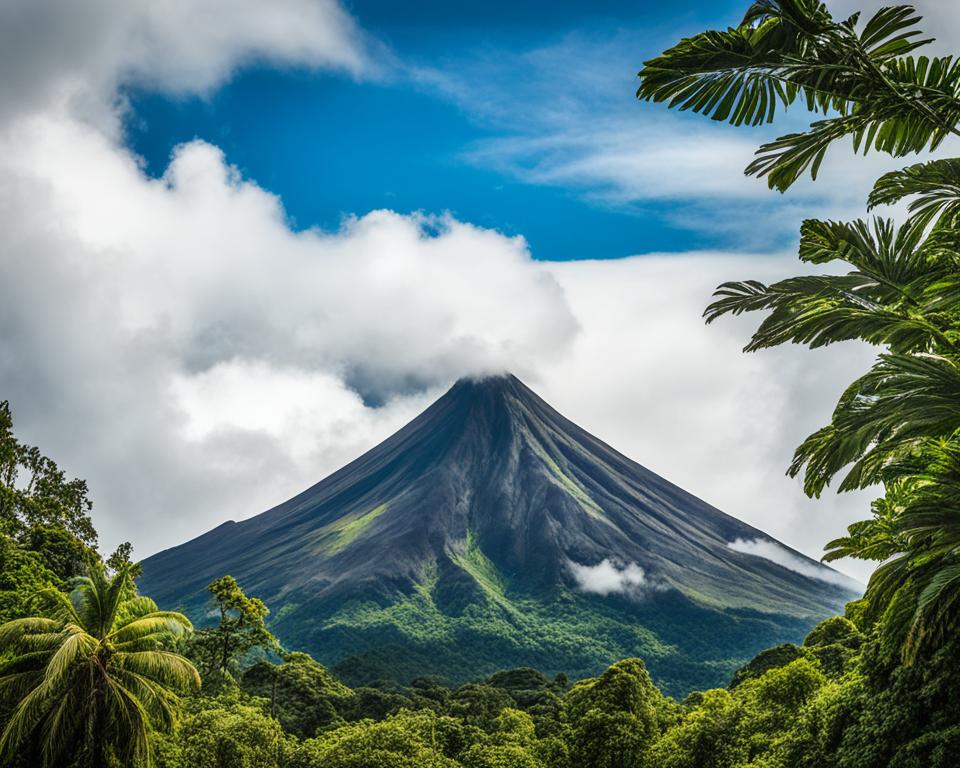
For 42 years, the Arenal Volcano was a constant spectacle of fire and ash, one of the most active volcanoes in the world. Since its last major eruption in 2010, however, the volcano has entered a resting phase. While the fiery displays are a thing of the past, Arenal remains a powerful and awe-inspiring presence. It is still considered an active volcano, and its occasional rumbles serve as a reminder of the immense power that lies beneath the surface. In 2025 alone, the area has experienced over 128 earthquakes, a testament to the ongoing geological activity.
A Playground for Adventurers: Activities on and Around the Lake
Today, Lake Arenal is a paradise for outdoor enthusiasts. The same winds that once carried volcanic ash now make it a world-class destination for windsurfing and kitesurfing. The lake’s calm waters are perfect for kayaking, paddleboarding, and fishing for the prized rainbow bass, or “guapote.”
Surrounding the lake, the Arenal Volcano National Park offers a network of hiking trails that wind through lush rainforest, offering glimpses of the area’s incredible biodiversity. The park is home to over 120 species of mammals and 300 species of birds, making it a haven for wildlife lovers. After a day of adventure, you can relax and rejuvenate in one of the many natural hot springs, heated by the volcano’s geothermal energy.

Frequently Asked Questions (FAQ)
Is Arenal Volcano still active?
Yes, Arenal is still considered an active volcano, but it is currently in a resting phase. The last major eruption was in 2010.
Can you swim in Lake Arenal?
While swimming is possible in some areas, the lake is more popular for water sports like windsurfing, kayaking, and fishing. The water can be cool, and the winds can be strong.
What is the best way to see the Arenal Volcano?
Hiking in the Arenal Volcano National Park offers some of the best views of the volcano. You can also take a canopy tour or a ride on the Sky Tram for a bird’s-eye view.
What is the weather like in the Arenal area?
The weather in Arenal is generally warm and humid, with a dry season from December to April and a green season from May to November. It’s a good idea to be prepared for rain at any time of year.
What are some other attractions near Lake Arenal?
Besides the volcano and the lake, other popular attractions include the La Fortuna Waterfall, the Arenal Hanging Bridges, and the Caño Negro Wildlife Refuge.
How do I get to Lake Arenal?
The easiest way to get to Lake Arenal is by renting a car. You can also take a bus from San José or other major cities, or arrange for a private shuttle.
What kind of wildlife can I see in the Arenal area?
The Arenal area is home to a wide variety of wildlife, including monkeys, sloths, toucans, and a vast array of other bird species.
Are there accommodations available near Lake Arenal?
Yes, there is a wide range of accommodations available, from budget-friendly hostels to luxury resorts. The main tourist hub is the town of La Fortuna.
Professional Disclaimer: The images used in this article were generated using artificial intelligence (AI) technology to provide visual representations of the locations discussed. While these images aim to accurately depict the beauty and characteristics of Lake Arenal and the surrounding area, they may not reflect the exact current appearance of these destinations.
For more information about Costa Rica, visit crie.cr or contact us via WhatsApp at +506 8706 3888 or email at info@crie.cr.
Article by Glenn Tellier (Founder of CRIE and Grupo Gap)
Don't wait, contact us right now!
Call or WhatsApp Costa Rica +506 8373 2085 or +506 8706 3888
Call USA/Canada +1 305-906-6784