
Virgen de los Ángeles Day is observed on August 2 in Costa Rica. The celebration centres on devotion to Our Lady of the Angels and the pilgrimage, or romería, to the Basilica in Cartago.
For visitors and new residents, it is an opportunity to understand an important religious tradition while planning around crowds, transport changes and holiday arrangements. Source review: September 7, 2026.
La Negrita and the tradition of the finding
The small image of the Virgin is affectionately known as La Negrita. The official cultural-heritage account describes the tradition of its finding near Cartago in 1635 and the Basilica’s historical and architectural importance.
Stories of the image returning to the place where it was found belong to religious tradition. Presenting them as tradition respects their meaning without treating a miraculous event as an independently verified historical observation.
The romería to Cartago
Pilgrims approach Cartago from different starting points and over several days. There is no single distance walked by everyone. Some join only part of a route, while others undertake a much longer journey.
Before participating, check the current year’s route, road controls, assistance stations and service times. Old attendance estimates and operational figures should not be used as a forecast for a future pilgrimage.
Prepare for the walk
Choose a distance suited to your circumstances, wear comfortable footwear and carry essential medication and water. If you have concerns about a long walk, seek advice from your healthcare professional beforehand.
Use current information from Cruz Roja Costarricense and follow on-site directions. Stop and seek assistance if you feel unwell rather than pushing on to finish. For an emergency, call 9-1-1.
Agree on meeting points with companions, keep your phone charged and make a return-transport plan. Crowds and road controls can affect normal pickup points.

August 2 is a public holiday
The MTSS 2026 holiday calendar classifies August 2 as a holiday of non-obligatory payment. That term does not mean every employee can work it without additional pay: the payment arrangement and sector matter.
Use the MTSS guidance for the applicable payroll treatment. In 2026, October 12 is not the other holiday in this category; the official calendar also includes August 31 and December 1 as non-obligatory-payment holidays.
Check an individual business or office’s opening arrangements directly. A holiday classification does not establish that all businesses will open or all offices will close.

Visiting respectfully
You can learn about the celebration without sharing the faith. Follow staff instructions, keep access routes clear and ask before photographing people at prayer. Observe any restrictions inside the Basilica.
Dispose of rubbish properly and respect the people who live and work along the route. If you prefer a quieter visit, consider another date and confirm the Basilica’s current visitor arrangements.
Planning around the celebration
Check road and public-transport announcements close to the date, especially if travelling through the Cartago area. Do not assume last year’s closures apply unchanged.
See our updated public-holidays guide and cultural etiquette article for related information.
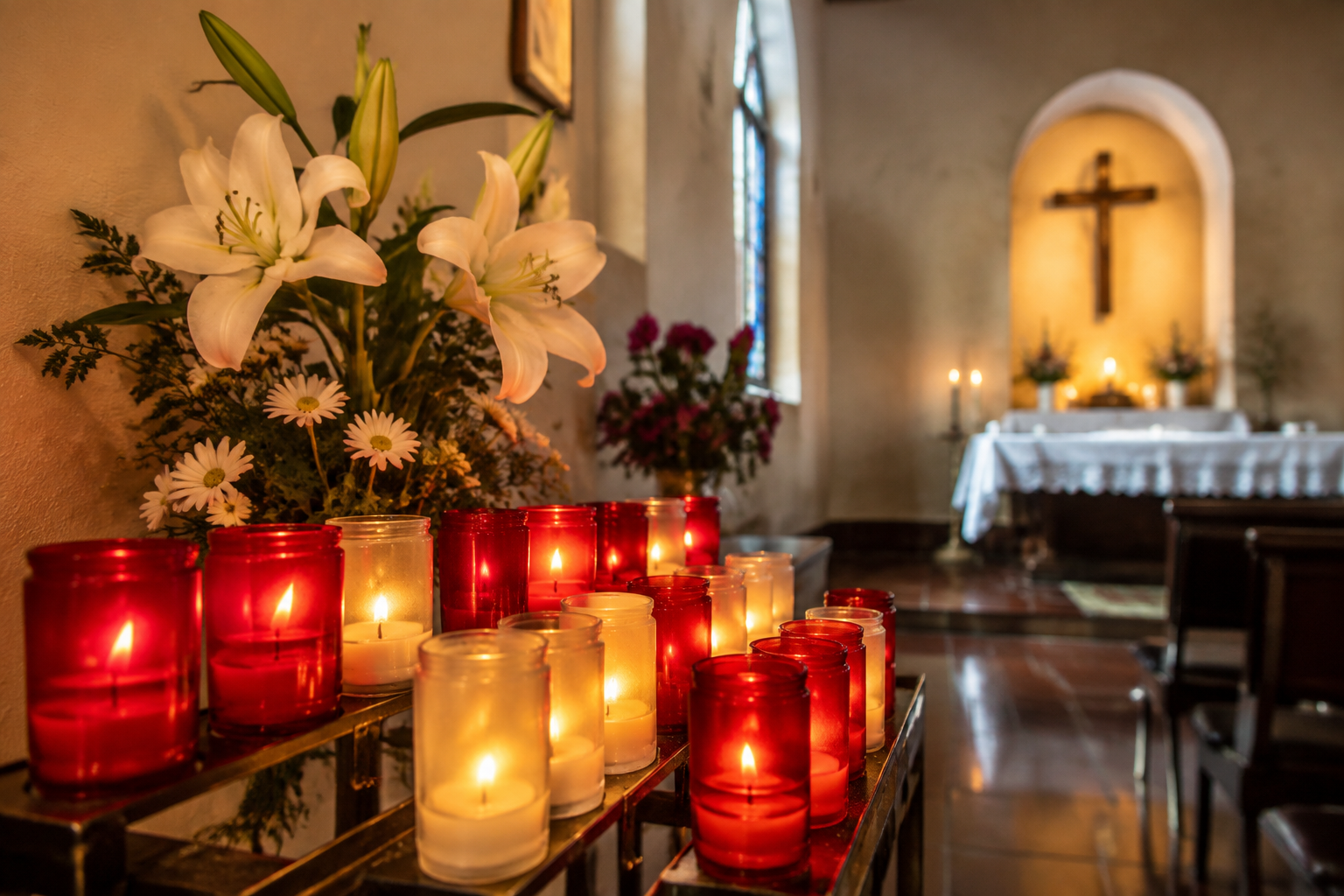
Images illustrate devotion, pilgrimage and walking equipment; they do not document a particular year’s romería.