
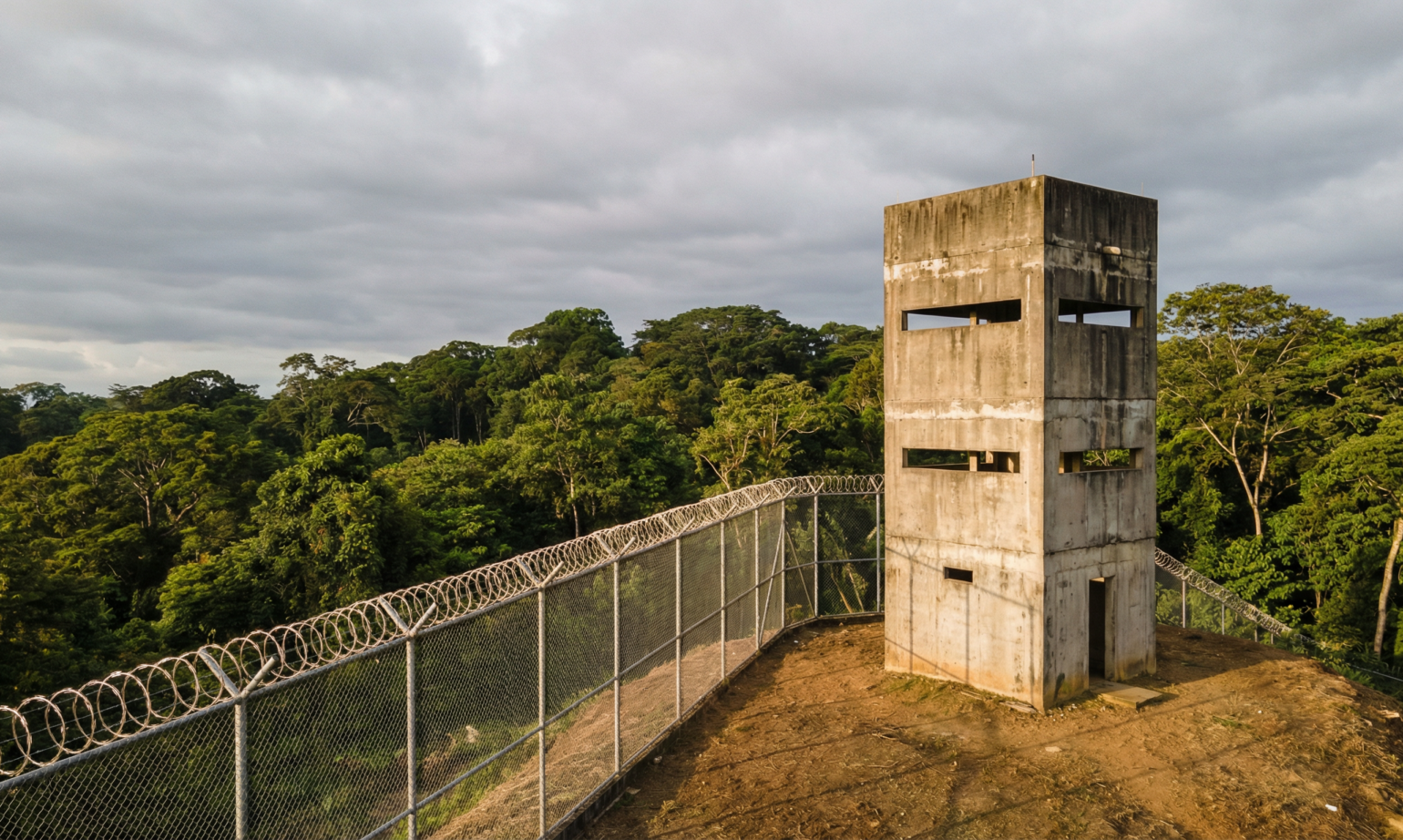
Costa Rica is globally celebrated for its “Pura Vida” lifestyle, lush rainforests, and its progressive stance on peace, having famously abolished its army decades ago. However, beneath this tranquil surface lies a complex and often harsh reality: its penitentiary system. For expats, tourists, and even locals, the question of what happens when you fall on the wrong side of the law is a serious one. What are the jails and prisons in Costa Rica really like in 2026?
This article provides an unflinching, up-to-date look into the state of Costa Rica’s correctional facilities. We will explore the severe overcrowding, the stark contrast between different types of prisons, the pervasive influence of organized crime, and the government’s ambitious plans to regain control. This is not a sugar-coated travel piece; it is a necessary examination of a system under immense strain.
The Two Faces of Costa Rica’s Prison System
It is impossible to describe the Costa Rican prison system with a single brushstroke. The experience of an inmate depends heavily on where they are sent. The system is a study in contrasts, ranging from aging, dangerously overcrowded facilities to modern units designed with rehabilitation in mind.
On one end of the spectrum are the traditional prisons, many of which are decades old and suffering from severe neglect. These are the institutions that human rights reports often highlight, citing inhumane conditions. On the other end are the newer “Comprehensive Care Correctional Facilities” (Unidades de Atención Integral or UAIs). These facilities are built on a philosophy of rehabilitation, providing more dignified environments, better programs, and a focus on preparing inmates for reintegration into society. However, these modern units represent only a fraction of the total system, and the vast majority of inmates are housed in the older, more problematic prisons.
The Overcrowding Crisis: A System Stretched to Its Limits
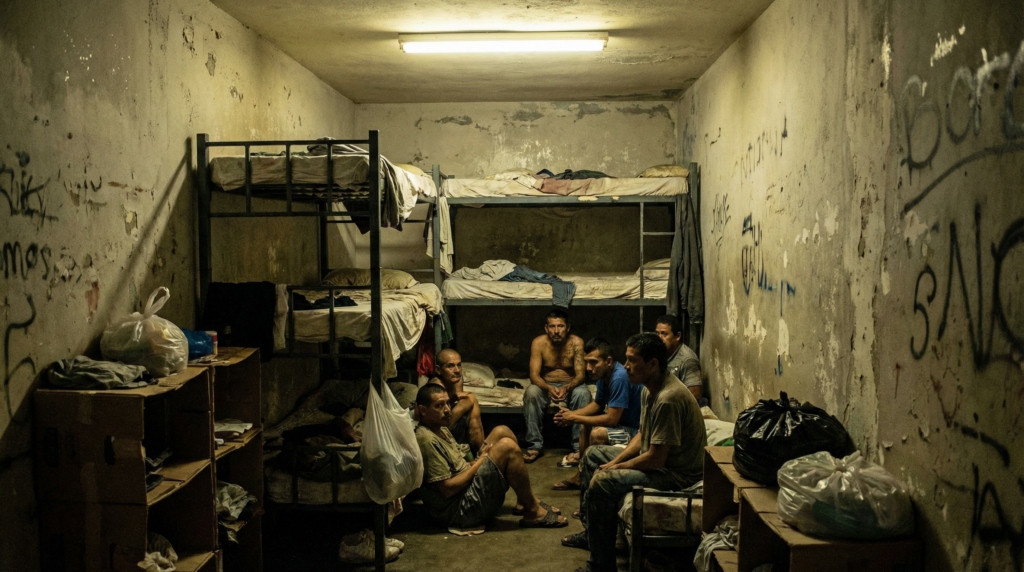
By far the most critical issue plaguing Costa Rica’s prisons is severe, chronic overcrowding. According to official reports from 2023 and 2025, the system is operating at anywhere from 12% to nearly 30% beyond its designed capacity. This places Costa Rica among the worst for prison overcrowding among OECD countries.
The consequences of this are dire and cascade through every aspect of prison life. In many facilities, there is simply not enough space. Inmates are often forced to sleep on deteriorated mattresses on the floor, crammed into cells designed for a fraction of their current population. This lack of space puts immense pressure on already inadequate infrastructure.
Sanitation becomes a major health hazard, and access to essential services like healthcare is severely limited. The situation became so critical that in June 2023, an Alajuela court ordered the complete closure of the Gerardo Rodríguez Echeverría Institutional Detention Center, citing “inhuman conditions.” The overcrowding is most acute in pretrial detention centers, where individuals who have not yet been convicted of a crime are held in some of the worst conditions.
Inside the Walls: Daily Life and Dangers
Life inside a traditional Costa Rican prison is a daily struggle for survival. The overcrowding and poor conditions create a tense and volatile environment. Beyond the physical discomfort, two major dangers loom large: the widespread availability of drugs and the pervasive power of organized crime.
Official reports and accounts from former inmates confirm that illegal narcotics are readily available within the prison walls, and drug abuse is rampant. This fuels violence, debt, and exploitation among the inmate population. More alarmingly, these prisons have become command centers for organized crime. Incarcerated leaders of drug trafficking syndicates continue to run their operations from behind bars, ordering assassinations, coordinating drug shipments, and extorting people on the outside. This has turned many prisons into incubators for crime rather than centers for rehabilitation.
Security is a constant challenge. In a telling incident in early 2025, a group of inmates in a women’s prison managed to steal cell keys from a guard and attack another inmate. Such events highlight the authorities’ struggle to maintain control in an under-resourced and overpopulated system. For those considering a move, understanding the security landscape is crucial, and resources from firms like GAP Real Estate can provide insights into safer communities.
A New Era of Incarceration? The El Caco Maximum-Security Prison

In response to the escalating crisis, the Costa Rican government announced a massive, game-changing project in 2025: the construction of a new maximum-security prison named “El Caco.” Heavily inspired by El Salvador’s controversial but effective CECOT mega-prison, this facility is designed to do one thing: completely isolate and neutralize the country’s most dangerous criminals.
Located in La Reforma, Alajuela, El Caco is a $34 million project with a capacity for over 5,100 inmates. It is specifically designed to house the leaders of organized crime, violent offenders, and other high-risk individuals who currently run their criminal enterprises from within the general prison system. The goal is to sever their communication with the outside world and dismantle their power structures. This significant government expenditure is part of a broader strategy to improve national security, a topic often discussed by financial experts at GAP Investments.
Authorities have stated that inmates at El Caco will be held under the strictest conditions, with limited contact with the outside world and no possibility of having their security measures relaxed by judges. The project, expected to open by the end of 2026, represents the government’s most significant effort to date to combat the influence of organized crime and regain control over its penitentiary system.
What About Foreigners in Costa Rican Jails?
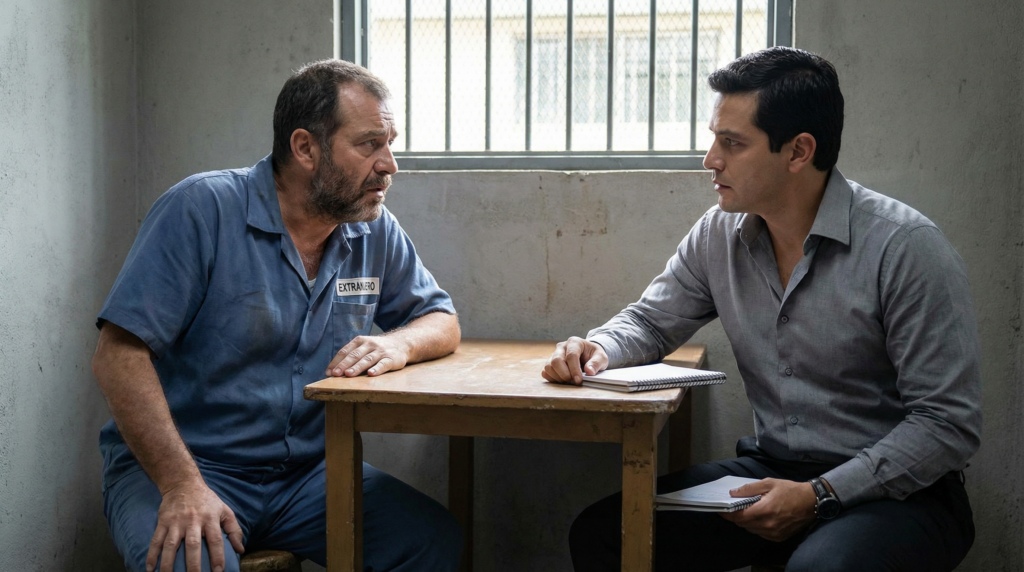
For foreigners, being incarcerated in Costa Rica presents an additional layer of challenges. While they are subject to the same conditions as local inmates, they also face language barriers, distance from family, and unique legal hurdles.
According to information from the UK government, foreign prisoners are generally not permitted to remain in Costa Rica after serving their sentence. Upon release, they are supposed to have a hearing before an immigration judge to determine their status. Visitor access is limited, typically restricted to one day a week, which can be incredibly difficult for families living abroad. Financing legal support from overseas can be a challenge, and understanding options like GAP Equity Loans might be necessary for families facing unexpected legal costs.
Navigating the legal system without a deep understanding of local laws and the Spanish language is nearly impossible. This makes access to competent legal counsel absolutely critical. For any foreigner facing legal trouble in Costa Rica, contacting an experienced law firm is not a luxury—it is a necessity.
Frequently Asked Questions (FAQ) About Costa Rican Jails
What is the biggest problem in Costa Rican prisons?
Severe overcrowding is the most critical issue. As of 2025, the system is nearly 30% over capacity, leading to harsh, unsanitary conditions and a lack of adequate space and health services for inmates.
Are all prisons in Costa Rica the same?
No. There is a stark contrast between older, overcrowded prisons with poor conditions and newer, modern facilities known as UAIs (Unidades de Atención Integral), which are focused on rehabilitation and providing a more humane environment.
Is it true that criminals run their operations from inside the prisons?
Yes. This is a major problem. Authorities have confirmed that incarcerated leaders of organized crime syndicates continue to manage their illegal operations, including drug trafficking and extortion, from behind bars.
What is the government doing about the prison crisis?
In 2025, the government began the development of “El Caco,” a new maximum-security prison for over 5,100 inmates. It is designed to isolate the most dangerous criminals and disrupt their ability to operate from within the prison system.
What are the conditions like for foreigners in Costa Rican jails?
Foreigners face the same harsh conditions as local inmates, with the added challenges of language barriers, distance from family, and complex legal hurdles. Access to legal counsel is essential. General information about navigating life in Costa Rica can be found at GAP.cr.
Can a foreigner serve their sentence in their home country?
Costa Rica has prisoner transfer agreements with some countries, but the process is complex and not guaranteed. It requires the consent of both governments and the prisoner, and is typically reserved for sentences over a certain length.
What kinds of medical care are available in prisons?
Basic medical care is available, but it is severely strained due to overcrowding. Access to specialized treatment is limited, and inmates often face long waits for appointments. The new El Caco prison is planned to have its own medical offices to address this.
Are there any rehabilitation programs for inmates?
The newer UAI facilities offer educational and vocational programs, but these are not widely available throughout the system. In most traditional prisons, rehabilitation efforts are minimal due to a lack of resources and focus on basic security.
Conclusion
The reality of Costa Rica’s prison system is a stark departure from the nation’s peaceful image. It is a system in crisis, grappling with severe overcrowding, the deep-rooted influence of organized crime, and inadequate infrastructure. The construction of the El Caco maximum-security prison is a bold and necessary step, but it is only one part of a much larger solution that requires sustained investment and reform.
For anyone living in or visiting Costa Rica, understanding this reality is crucial. While the country remains a beautiful and welcoming place, the consequences of breaking the law are severe. If you find yourself in legal trouble, navigating the complexities of the justice and penitentiary systems is a daunting task. Seeking expert legal guidance from a reputable firm like CRIE is the most critical step you can take to protect your rights and secure the best possible outcome.
Article by Glenn Tellier (Founder of CRIE and Grupo Gap)
Don't wait, contact us right now!
Call or WhatsApp Costa Rica +506 8373 2085 or +506 8706 3888
Call USA/Canada +1 305-906-6784