
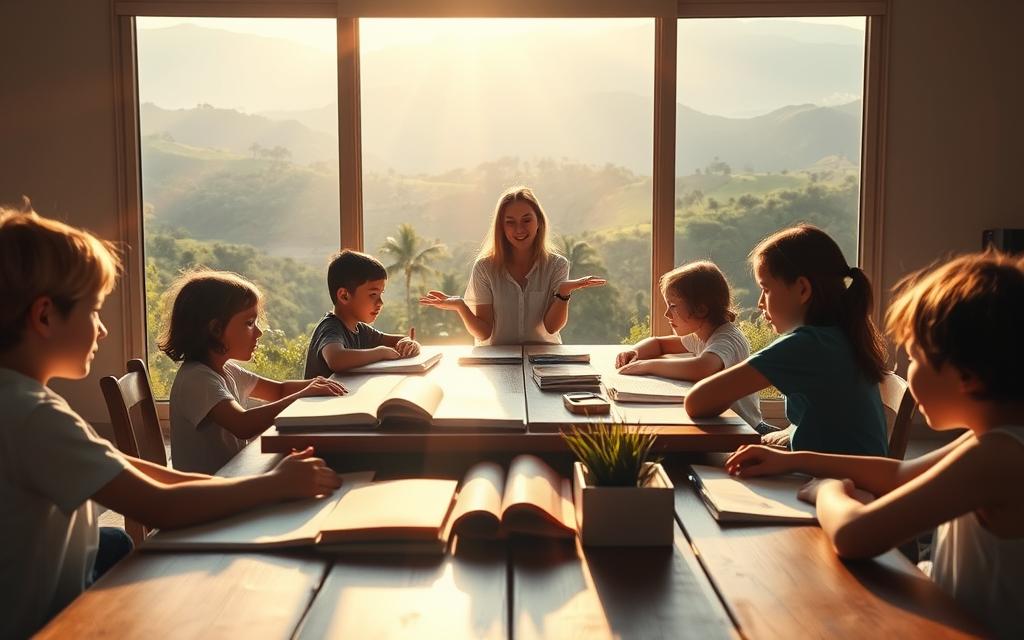
Homeschooling is gaining traction in Costa Rica, particularly among expat families seeking flexible education options for their children. This trend is driven by the desire for personalized learning experiences that traditional schools may not offer. For more information on the specifics of homeschooling in Costa Rica, visit CRIE’s resource on homeschooling.
Despite the lack of official recognition by the Costa Rican government, many families are opting for homeschooling due to language barriers in public schools, the high costs associated with private education, and the wish to immerse their children in the local culture and natural environment. As a result, a growing community of homeschoolers is navigating the educational landscape in Costa Rica.
The Legal Status of Homeschooling in Costa Rica
Since 1996, homeschooling has been a legally viable option for families in Costa Rica, subject to certain conditions. This educational path allows families to tailor their children’s learning experiences according to their needs and preferences.
Official Recognition and Regulations
Homeschooling in Costa Rica exists in a legal gray area, as it is not explicitly prohibited or officially recognized. The Ministry of Education (MEP) requires families to notify them of their homeschooling plans and demonstrate that their educational program meets national standards. The MEP’s stance on homeschooling is crucial for families to understand, as it directly impacts their educational choices.
The Circular DM-036-09-2017 issued by the Ministry of Public Education outlines the guidelines for recognizing degrees obtained from foreign educational institutions. However, it stipulates that degrees acquired through online, correspondence, or homeschooling methods from institutions not accredited by the Costa Rican Ministry of Public Education are not recognized as equivalent to a high school degree.
Registration Requirements with the Ministry of Education
Families who choose homeschooling are required to communicate their plans to the MEP and comply with certain regulations. It is advisable for these families to engage with local MEP officials to understand the specific requirements, as regulations can vary by region. Maintaining open lines of communication with the MEP is essential for ensuring compliance and avoiding potential issues.
To navigate the homeschooling landscape effectively, families must be aware of the registration requirements and the importance of maintaining detailed educational records. This not only helps in ensuring compliance with the MEP’s regulations but also facilitates future academic transitions for the students.
Benefits of Homeschooling in Costa Rica
Costa Rica offers a distinctive setting for homeschooling, allowing families to combine academic learning with the exploration of the country’s rich cultural heritage and natural environment. This unique blend provides numerous benefits for families who choose to homeschool.
Personalized Learning Experience
Homeschooling in Costa Rica allows parents to tailor their child’s education to their individual learning style, pace, and interests. This personalized approach can make learning more effective and enjoyable for children.
- Customized curriculum to suit each child’s needs
- Flexibility to adjust teaching methods as needed
- Opportunities for in-depth exploration of topics of interest

Integration of Costa Rican Culture and Nature
Homeschooling enables families to incorporate Costa Rica’s vibrant culture and stunning natural beauty into their educational approach. By using the country as a living classroom, children can gain a deeper appreciation for their surroundings.
Some ways to integrate Costa Rican culture and nature include:
- Visiting national parks and wildlife refuges
- Participating in local cultural festivals and traditions
- Learning about the country’s history and geography through hands-on experiences
Flexibility for Expat and Traveling Families
For expat and traveling families, homeschooling in Costa Rica provides the flexibility to continue their child’s education despite changes in location. This continuity can be particularly beneficial for children who may struggle with adjusting to new schools or curricula.
The flexibility of homeschooling also allows families to plan educational trips and vacations that can enhance their child’s learning experience.
Challenges and Limitations for Homeschooling Families
Homeschooling in Costa Rica presents several challenges for families. While the concept offers flexibility and personalized learning, navigating the country’s educational regulations and resources can be daunting.
Navigating the Lack of Official Recognition
One of the significant challenges homeschooling families face in Costa Rica is the lack of official recognition from the government. This ambiguity makes it difficult for parents to understand the legal requirements and necessary documentation for homeschooling. For more detailed information on the legal status, families can refer to resources like Homeschooling in Costa Rica: What You Need to. The absence of clear guidelines often leads to confusion and apprehension among parents who fear potential legal repercussions.
Finding Resources in English
Another hurdle for homeschooling families, particularly those who are English-speaking, is the scarcity of educational resources in their native language. Although Costa Rica boasts a high literacy rate, the majority of educational materials are in Spanish. This forces families to rely heavily on online resources and international curricula, which can be both costly and challenging to integrate into their homeschooling program.
Balancing Educational Requirements and Family Life
Homeschooling demands a significant amount of time, effort, and dedication from parents. For single-parent households or families with both parents working, balancing the comprehensive educational needs of their children with family responsibilities can be particularly challenging. It requires effective time management and often necessitates creative approaches to learning and family life.
Homeschooling Resources and Curriculum Options
Costa Rica provides a unique environment for homeschooling with various educational resources available. Families can choose from a range of curriculum options that cater to different learning styles and needs.
Popular Homeschool Programs and Online Platforms
Several homeschool programs are popular among families in Costa Rica. Abeka, Bob Jones University Press, and Sonlight are well-known for their structured approaches. Abeka, for instance, uses a spiral learning method that aids in retention and understanding. It offers video lessons for K4 to Grade 12, making learning engaging and fun. Online platforms like Time4Learning, 21K Schools, and Khan Academy provide interactive lessons that cater to various learning styles. For more information on homeschooling in Costa Rica, you can visit this resource.

Local Libraries and Learning Centers
Local libraries and learning centers are valuable resources for homeschooling families. They offer access to a wide range of books, educational materials, and sometimes even workshops or classes. Utilizing these community resources can add depth to a child’s education and help them appreciate their local culture.
- Public libraries in major towns offer a variety of books and media.
- Some communities have learning centers that provide additional educational activities.
- Many libraries and centers offer programs for children that can supplement homeschooling.
Incorporating Costa Rican Cultural Experiences
Incorporating local culture into homeschooling can make learning more relevant and interesting. Families can explore Costa Rican customs, history, and natural environments through field trips to national parks, museums, and cultural events. This approach not only enhances educational experiences but also fosters a deeper appreciation for the local culture and environment.
Conclusion: Is Homeschooling in Costa Rica Right for Your Family?
With its rich culture and diverse landscapes, Costa Rica provides a compelling backdrop for homeschooling. Families considering this educational path must weigh the benefits and challenges. Homeschooling in Costa Rica offers a personalized learning experience, allowing parents to tailor education to their child’s needs. It also provides an opportunity for cultural integration and flexibility, especially for expats and traveling families.
However, families must navigate the lack of official recognition and limited resources. Despite these challenges, many families successfully create engaging learning environments. For those who choose homeschooling, Costa Rica’s unique environment can foster a love of learning. Families can explore various curriculum options and methods to suit their children’s needs. For more information on relocating to Costa Rica, families can visit CRIE for valuable insights.
In conclusion, homeschooling in Costa Rica can be a viable and enriching educational choice for many families. By understanding the benefits and challenges, families can make informed decisions about their educational paths.
Article by Glenn Tellier (Founder of CRIE and Grupo Gap)
Don't wait, contact us right now!
Call or WhatsApp Costa Rica +506 8373 2085 or +506 8706 3888
Call USA/Canada +1 305-906-6784