
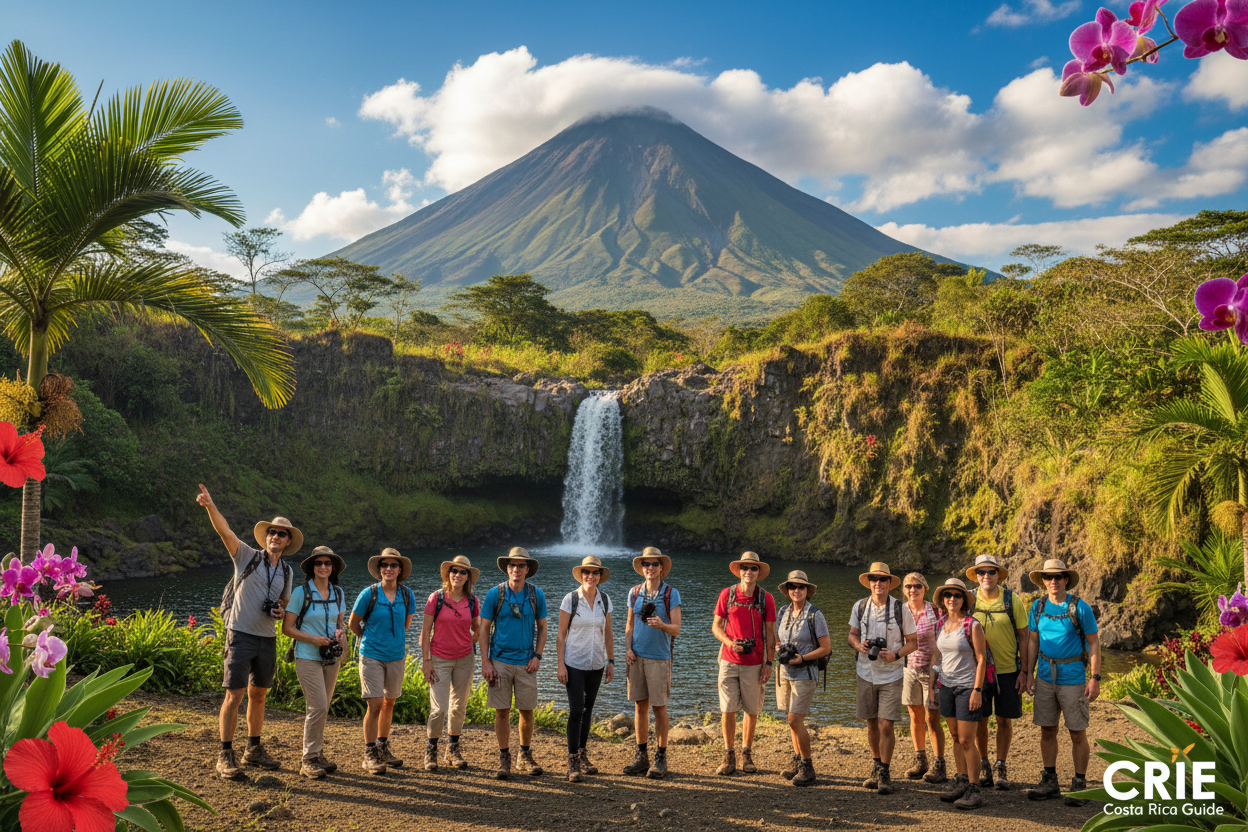
For a traveler, “safe” means low violent crime, predictable streets, and simple precautions that let visitors enjoy a destination. La Fortuna generally fits that description. Violent incidents are rare, and most visitors feel comfortable in town and near Arenal.
This short guide helps visitors use common-sense habits, not fear, while exploring Costa Rica. It targets US visitors, first-timers, families, and solo travelers. Areas covered include town centers, attractions, roads, hot springs, and wildlife viewing.
Key takeaways to use on the ground: watch valuables, pick reputable tours, plan night transport, and drive cautiously in rain and on curves. The piece ends with a quick checklist and FAQ for easy screenshots. For a brief note on residency and local rules, see the CRIE resource at CRIE on La Fortuna.
Why La Fortuna Feels Safe for Most Visitors Right Now
Visitors notice quickly that La Fortuna runs like a small hub built around tours and services. The town center expects guests, so daily patterns make moving around straightforward.

A tourism hub with a visible local police presence
You will see uniformed officers on patrol and quick responses when someone reports a problem. Streets near restaurants and shops stay busy, and organized tour pickups add more eyes on the street.
What “generally safe” means in real life
It means you can enjoy dinner, stroll the plaza, and book an adventure tour without feeling on edge. Most tourists walk day and night in the central area and have a calm experience.
The most common issue: petty theft, not violent crime
The main risk is opportunistic theft—unattended bags, phones left on tables, or valuables visible in a car. A simple routine—keeping items zipped and never leaving a pack on a seat—reduces most problems.
| Observation | Risk | Quick Tip |
|---|---|---|
| Visible police and busy streets | Low | Walk central areas at night |
| Organized tour pickups | Low | Use reputable tours and confirm pickup |
| Unattended items in cafés or cars | Medium | Keep valuables on you or locked away |
is-la-fortuna-costa-rica-safe-for-tourists: The Quick Reality Check
La Fortuna feels straightforward on a normal day: busy streets, staffed businesses, and clear tour meeting points make moving around easy for most visitors. This short reality check gives green-light and yellow-light guidance to plan sensible days and nights.

Where tourists usually feel comfortable
- Central town blocks and the main plaza
- Staffed hotels and busy restaurants
- Organized tour meeting points and attraction check-ins (book a trusted tour)
Where to be more cautious
- Quiet streets late at night and isolated viewpoints
- Empty parking areas and walking alone far from the center
- Remote trails where staff or other visitors are absent
Isolation matters more than the clock: fewer people means fewer witnesses and slower help. A simple rule helps decide: if you would not walk alone in an unfamiliar U.S. town at midnight, don’t do it here—take a taxi.
| Situation | Risk | Tip |
|---|---|---|
| Busy plaza / staffed attraction | Low | Use during day |
| Late-night quiet street | Medium | Take a taxi |
| Isolated viewpoint | Medium | Go with a group or guide |
Plan tours, timing, and transport to keep most activities in well-traveled areas. That simple approach preserves comfort and basic safety while you enjoy local adventure and sights in costa rica.
Street Smarts in Town: Do’s and Don’ts That Prevent Most Problems
Small changes in how you carry items make a big difference in town safety. Use a clear baseline rule: keep phone, cash, and passport secured to reduce easy grabs.

Do keep valuables out of sight and keep bags zipped
Keep bags zipped and use a crossbody in crowded spots. Put the phone away when not using it. Use the hotel safe or reception storage for passports and extra cards.
Don’t flash expensive jewelry on an adventure trip
Avoid wearing costly rings or necklaces on ziplining, rafting, or hikes. Risk here is often losing items, not theft.
Do use hotel safes and lock up passports and extra cards
Carry only what is needed for the day. Tuck backup cards and documents into the safe and bring a photocopy of your passport if needed.
Don’t leave anything visible in a parked car, even “for a minute”
Smash-and-grabs often happen during short grocery stops or while getting food at restaurants. Never leave bags or electronics on a seat where they can be seen.
- Baseline: keep phone, cash, and passport secured.
- Do: keep bags zipped, wear a crossbody, stow items before you park.
- Don’t: bring valuable jewelry on active days of your trip.
| Scenario | Risk | Simple action |
|---|---|---|
| Grocery stop | Unattended backpack on seat | Keep pack on you or at your feet |
| Restaurant parking | Visible bags tempt thieves | Tuck items in trunk before exiting |
| Hotel check-in | Electronics left on lobby couch | Keep luggage close and watch devices |
Night Safety in La Fortuna: Dining, Bars, and Getting Back to Your Hotel
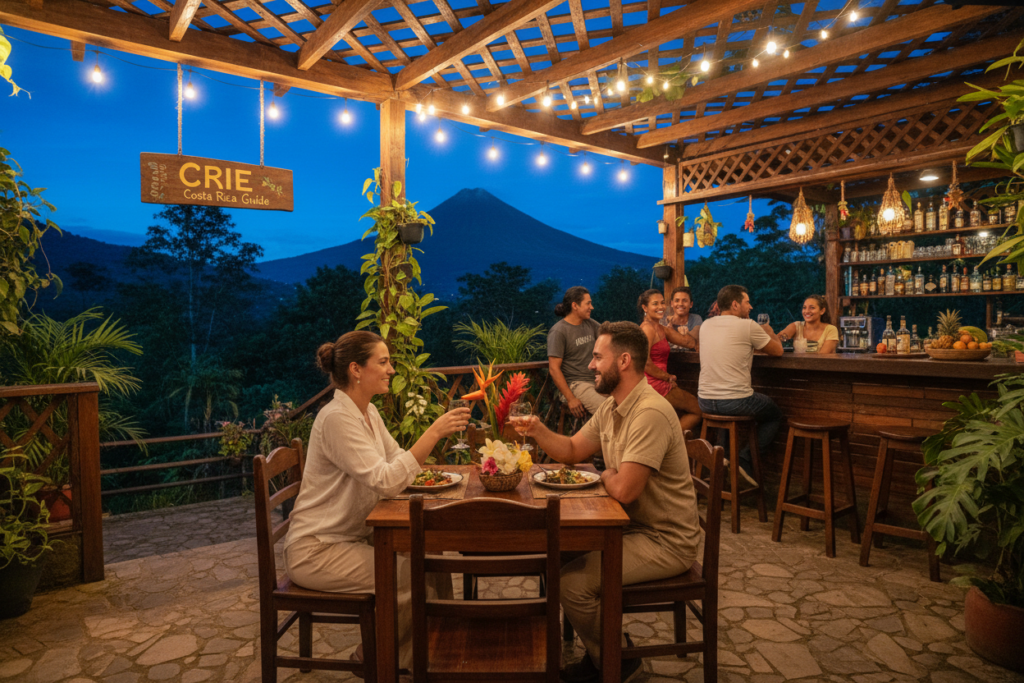
Evenings in La Fortuna cluster around lively plazas where dining and casual bars set the tone for night activities. The town keeps a compact feel, so most options sit close together and are easy to reach on foot.
Walking at night: what’s usually fine vs. what to avoid
Short walks between restaurants and bars on well-lit streets are usually fine, especially when a partner or group accompanies you. Main blocks stay busy and staffed late into the evening.
Avoid long, solitary walks on quiet roads or cutting through dark side streets. Skip solo strolls after heavy drinking and choose a planned ride instead.
Using red taxis and planning your ride before you go out
Decide before you head out if you will walk back, use a hotel shuttle, or call a licensed red taxi. Confirm the plan with your group so everyone knows the return option.
- Take only licensed red taxis in the center.
- Confirm the destination and approximate fare before entering.
- Keep your phone tucked away while waiting curbside and ask your hotel to call a taxi if you prefer assistance.
| Situation | Recommended action | Why it helps |
|---|---|---|
| Finish dinner and light rain | Take a red taxi | Shorter, dryer route back to hotel |
| Walking between nearby restaurants | Walk in a small group | Busy routes are well-lit and staffed |
| Late-night quiet street | Use hotel help or taxi | Reduces time alone in isolated spots |
Use these simple tips to keep the night enjoyable. For a broader safety overview and arrival advice, see the local guide at La Fortuna safety guide.
Getting There Safely from the International Airport
Choosing how to arrive shapes the first impression of any trip to La Fortuna. Travelers should weigh comfort, safety, and total transit time when picking an international airport and onward transport.
Flying into SJO vs. Liberia and what the drive is like
Both San José (SJO) and Liberia work as international airport choices for a visit to this costa rica area. The drive from either airport takes about 3–3.5 hours on winding roads, so plan arrival time to avoid a late, tired drive.
Shuttles, buses, and private transfers: safety-minded choices
Shared shuttles and private transfers reduce stress and navigation at night. Public buses are a safe, budget-friendly option but often require connections and more travel time; travel in daylight and keep bags close.
Domestic flights to La Fortuna: when it can simplify logistics
Short domestic flights to the local airstrip (roughly 20–30 minutes) cut road time and simplify schedules when a quick onward move matters. For a smooth arrival-day plan: land, eat, hydrate, then travel on—avoid stacking a late flight with a long night drive.
| Choice | Best for | Safety tip |
|---|---|---|
| SJO or Liberia | International connections | Plan day arrival, avoid night driving |
| Shared shuttle / private transfer | Comfort and ease | Book reputable companies in advance |
| Public bus | Budget travel | Travel daytime and watch luggage |
Driving and Road Safety Around Arenal Volcano and Lake Arenal
Driving around the Arenal area often surprises visitors with narrow curves and sudden weather shifts. Roads have limited signage and tight shoulders. That is why a practical approach keeps the trip smooth.
Why the routes feel harder than expected
Many roads are winding and not well marked. Heavy rain can reduce visibility fast. Narrow shoulders and blind turns make passing and stopping harder than at home.
Daylight driving recommendations
Start earlier in the day and allow extra time for stops. Avoid arriving at a rural lodge after dark. Plan drives to Lake Arenal viewpoints in daylight to enjoy safer access.
Navigation reality and local habits
Waze is widely used by locals and updates road conditions quickly. Download an offline map backup before you go. If directions look wrong, pull over and re-check rather than guessing in traffic.
- Expect slow sections to Lake Arenal viewpoints and parks; build time into your day.
- When unsure, stop safely, ask a local business, then continue.
- Watch for one-way changes near Ruta 702 and Route 142—look for “NO HAY PASO” signs.
Parking smart in town and at attractions
Choose well-lit, attended lots when possible. Street parking exists, but never leave valuables visible in a car. At trailheads and hanging bridges, lock items in the trunk or take them with you.
| Situation | Risk | Simple action |
|---|---|---|
| Winding mountain road | Reduced visibility, tight curves | Drive in daylight, slower speed |
| Downtown one-way change | Wrong-way entry fines or hazards | Watch “NO HAY PASO” signs, follow Waze |
| Trailhead parking | Theft from unlocked cars | Use attended lot or hide belongings |
These practical tips help keep each day on the road safer around the arenal volcano and lake arenal. Simple habits reduce stress and improve overall safety.
Adventure Activity Safety: Ziplining, Hanging Bridges, Rafting, and Canyoning
Adventure options around La Fortuna pack big thrills, but most risks fade when guests choose organized, well-run tours.
Pick operators that show clear safety systems. Reputable companies provide a written briefing, modern harness and helmet systems for canopy and zipline work, and sensible guide-to-guest ratios. They also let guests opt out of a section without pressure.
What to bring so you’re not improvising
Bring closed-toe shoes with good grip, a light rain layer, and a dry bag for phone and keys. A small headlamp helps for early starts or late finishes. If shoes or a dry bag are missing, change plans rather than forcing an activity.
Hanging bridges and waterfalls
Hanging bridges and maintained trails are usually secure, but watch your footing and keep hands free for balance. Avoid leaning over rails for photos.
The La Fortuna Waterfall has 530+ steps. Steps can be slick; go at your own pace on the way down and, especially, on the climb back up. If posted staff guidance or water conditions look unsafe, skip swimming.
- Operator checklist: clear safety talk, maintained canopy gear, proper guide ratios, and no-pressure opt-outs.
- Packing tips: closed-toe shoes, dry bag, rain layer, small headlamp.
- Behavior rule: don’t improvise—adjust plans if gear or conditions aren’t right.
| Item | What it Means | Action |
|---|---|---|
| Rafting Class III | Medium rapids, some waves and maneuvers | Good for first-timers who listen to guides |
| Rafting Class IV | Larger, more technical rapids | Choose with experience or strong guide support |
| Rafting Class V | Very technical, powerful rapids | Only for experienced paddlers with expert guides |
Wildlife Safety Without the Drama: What You Might Actually Encounter
Wildlife encounters in this rainforest are common, but they are usually calm and easy to manage with a few simple habits.
Don’t feed or touch wildlife (and why it matters)
Feeding or handling animals changes their behavior and can lead to bites or aggressive habits. It is also illegal in many parks and lodges.
Keep snacks packed away and resist offering food, even if an animal looks tame.
Night hikes: lighting your path and watching footing
For a safe night hike, bring a bright light and keep hands free for balance. Move slowly on wet roots and muddy sections after rain.
Stay with the guide and avoid wandering off for photos or shortcuts.
Shake out shoes and clothes to avoid surprise stings
Before putting on shoes or shirts left outside, shake them out. Scorpions, spiders, and small frogs sometimes shelter there.
If you see snakes, scorpions, or monkeys: what to do
- Snake: stop, give it space, and let a guide or staff handle removal.
- Scorpion: back away, keep children clear, and call staff if it’s inside lodging.
- Monkeys: watch from a distance, secure food, and never encourage them to come closer.
When to contact local staff or guides for help
Call a guide or hotel staff if an animal blocks a path, enters a room, or if anyone feels unsafe. They have experience and can resolve most situations quickly.
| Situation | Action | Why it helps |
|---|---|---|
| Unexpected animal in room | Contact staff | Professionals remove it safely |
| Night hike on wet trail | Use light, stay with guide | Reduces slips and missed turns |
| Found shoes with insects | Shake and inspect | Prevents stings or bites |
Hot Springs and Swimming Spots: Safe Soaking in the Springs and Rivers
Hot springs and rivers around town offer relaxing options for a half day or full day of soaking. They vary from resort-style pools with lifeguards to rough, free river spots with uneven footing.
Choose the right spot and gear
Resort-style springs have controlled entries and staff oversight. Free river spots are natural and more unpredictable.
Wear water shoes for any spring or river visit. They protect feet from cuts and give grip on slick stones.
Move carefully and travel light
Slippery river rocks are the main hazard at free spots. Step slowly, use stable entry points, and avoid glass or bulky items.
Valuables and a buddy plan
Bring only essentials. Keep phones in a dry pouch and leave passports or extra cards locked at the hotel.
Use a simple buddy system when trying a free spot so someone can help if a slip happens. Pack out everything and avoid leaving bags on the ground.
| Spot type | Footwear | Best practice |
|---|---|---|
| Resort hot springs | Optional water shoes | Follow staff rules, use lockers |
| Free river pools | Required water shoes | Enter slowly, test footing, go with a friend |
| Public springs area | Water shoes recommended | Keep valuables minimal, use dry pouch |
Weather and Rainforest Conditions That Affect Safety Year-Round
Weather in La Fortuna can flip quickly, and that affects plans more than distance or cost. Travelers should build flexibility into each day and choose activities by likely conditions.
Dry season vs. green season: trail and road changes
Dry months usually bring clearer views and easier roads. Driving and trails feel more predictable during this time of year.
Green season brings more frequent showers, muddier trails, and slower travel times. Expect slippery roots on hikes and soft shoulders on rural roads.
Rain can happen anytime — planning your day
Assume rain at any time of year and plan a flexible itinerary. Schedule outdoor hiking and viewpoint visits in the morning when possible and save covered activities for the afternoon.
- Start hikes early, allow buffer time for delays, and keep a backup indoor option.
- Check local forecasts the morning of departure and confirm pickup times with tour operators.
Sun, hydration, and simple comfort habits
Sun can be intense between late morning and midafternoon. Carry water, wear shade protection, and take regular breaks to stay comfortable on long outings.
| Condition | What to do | Why |
|---|---|---|
| Wet trail | Go slow, use trekking poles | Reduces slips on roots and stairs |
| Rain on roads | Increase following distance | Improves stopping time and visibility |
| Strong sun | Drink water, rest in shade | Prevents fatigue and keeps focus |
Safer Choices for Families and Solo Travelers in La Fortuna
Simple rhythms and clear plans make La Fortuna a welcoming destination for both families and solo travelers. A paced day reduces stress and keeps everyone energized for the next activity.
Family-friendly planning: timing, pacing, and age-appropriate adventures
For families, limit one big adventure per day and add a relaxing block like hot springs or a short wildlife walk. Choose easier hanging-bridge paths and short guided nature tours to keep kids engaged.
Solo travel habits: staying connected, sharing your plan, and avoiding isolation
Solo travelers should tell hotel staff their plan and share a live location with someone at home. Avoid isolated shortcuts at night and join reputable group tours to meet others safely.
Where staying helps: in-town convenience vs. nature-lodge remoteness
- Staying in town offers quick access to restaurants, taxis, and help.
- Remote lodges give a stronger nature experience but need transport planning.
- Choose lodging based on desired balance of convenience and immersion.
| Choice | Best for | Simple tip |
|---|---|---|
| Town hotel | Families, easy logistics | Walk or short taxi rides |
| Nature lodge | Experience and quiet | Arrange transfers in advance |
| Guided day trips | Both groups | Book vetted operators for safety |
Wrap-Up: A Quick Safety Checklist for a Smooth La Fortuna Trip
A short, practical checklist helps visitors focus on planning over worry. La Fortuna in costa rica is generally welcoming when travelers use basic street smarts and sensible transport plans.
Top risk: petty theft outpaces violent crime, so secure valuables and never leave items visible in a parked car. Nature risk: rushing on wet trails causes more issues than animals—wear grippy shoes, use lights at night, and shake out shoes.
With a bit of planning, they can enjoy arenal volcano views, Arenal Volcano National Park hikes, Lake Arenal outings, arenal hanging bridges, hot springs, and the Fortuna Waterfall safely.
Residency note: anyone considering a longer stay should seek guidance on options and next steps. CRIE can help: WhatsApp +506 8706 3888 | info@crie.cr | www.crie.cr.
Quick checklist: keep valuables zipped or in a safe; never leave items in a car; pick reputable tours and follow the guide; wear water shoes for springs and rivers; plan night rides; drive in daylight and use Waze; don’t feed wildlife.
FAQ
Q: Is it safe to walk at night? A: In busy blocks usually yes; avoid isolated walks alone and take a taxi when unsure.
Q: Most common tourist crime? A: Petty theft—secure items.
Q: Drive to La Fortuna? A: Yes—prefer daylight, slower speeds, and Waze.
Q: Hot springs safe? A: Generally yes—watch slippery rocks and guard valuables.
Q: Dangerous animals? A: Rare—keep distance, don’t feed, and follow guides.
FAQ
Is La Fortuna Costa Rica safe for tourists visiting?
Why does La Fortuna feel safe for most visitors right now?
What does “generally safe” mean in real life for travelers?
What is the most common crime visitors face in La Fortuna?
Where do tourists usually feel most comfortable in La Fortuna?
Where should travelers be more cautious?
What street-smart practices prevent most problems in town?
What should a visitor avoid doing in public to reduce risk?
Are there example scenarios that show common risks?
Is walking at night in La Fortuna safe?
What are red taxis and are they safe to use?
How do travelers get to La Fortuna from the international airports?
Are shuttles, buses, or private transfers safer choices?
Do domestic flights to La Fortuna help with logistics and safety?
Why do roads around Arenal Volcano feel harder than expected?
What daylight driving tips help in the La Fortuna area?
Why do many locals use Waze for navigation?
How should visitors park in town and at attractions?
What common one-way road surprises occur in downtown La Fortuna?
How can travelers pick a safe operator for ziplining, hanging bridges, rafting, or canyoning?
What should someone bring on an adventure tour?
How to stay safe at waterfalls and on trails?
What does “Class III–V” mean for whitewater rafting expectations?
How should visitors interact with wildlife safely?
What should hikers do on night hikes?
Why should travelers shake out shoes and clothes?
What if a traveler sees snakes, scorpions, or monkeys?
When should visitors contact local staff or guides for help?
What safety steps apply to hot springs and river swimming?
How do slippery river stones at free hot spots increase risk?
How does weather affect safety in La Fortuna year-round?
How should visitors plan around unexpected rain?
What sun and hydration habits prevent problems outdoors?
What are safer choices for families visiting La Fortuna?
What solo travel habits increase safety in La Fortuna?
Where does staying in town help versus staying at a remote nature lodge?
What is a quick safety checklist for a smooth La Fortuna trip?
Article by Glenn Tellier (Founder of CRIE and Grupo Gap)
Don't wait, contact us right now!
Call or WhatsApp Costa Rica +506 8373 2085 or +506 8706 3888
Call USA/Canada +1 305-906-6784