
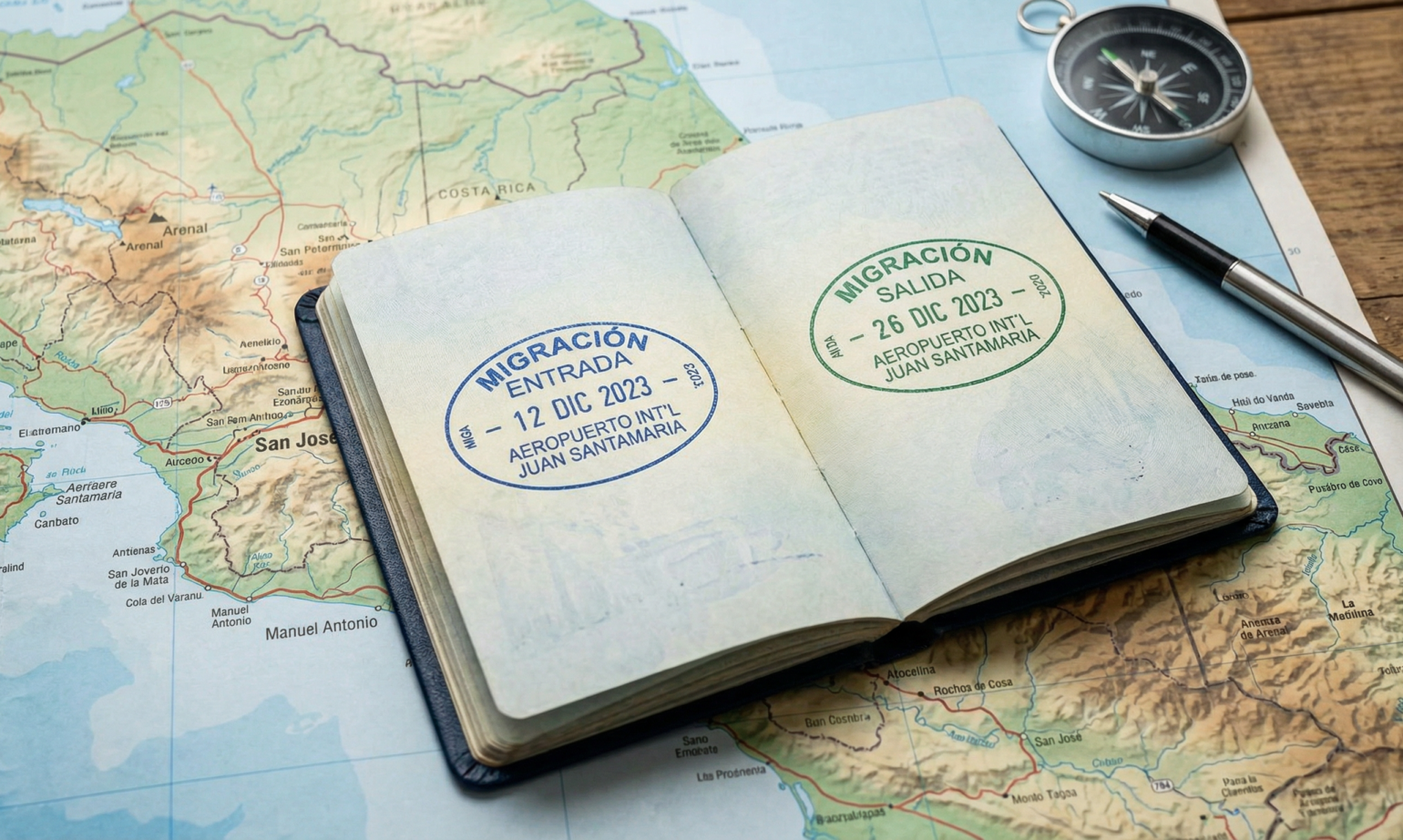
For expatriates who have made Costa Rica their home, maintaining residency status is a cornerstone of stability and future planning. One of the most critical questions residents face is: how long can I be out of Costa Rica without jeopardizing my immigration status? The answer, according to the specialists at Costa Rica Immigration Experts (CRIE), a firm with over two decades of experience, depends entirely on whether your residency is temporary or permanent. Each category has distinct rules that, if not followed, could lead to the cancellation of your status.
Understanding these regulations is not just a bureaucratic formality; it is essential to protecting your right to live, work, and thrive in this Central American paradise. This detailed guide, based on CRIE’s expertise, will break down the absence rules for each residency type, the consequences of exceeding the allowed limits, and the crucial steps to keep your immigration status in perfect order.
The Fundamental Difference: Temporary vs. Permanent Residency
Costa Rica’s immigration system establishes two main categories of residency for foreigners: temporary and permanent. Each is designed for different immigrant profiles, from retirees and students to investors and those with family ties in the country. The obligations and benefits, especially regarding international travel, vary significantly between the two.
Temporary residency is often the first step for many expatriates. It is granted to specific categories such as pensioners, rentistas, investors, students, and specialized workers. On the other hand, permanent residency is generally obtained after holding temporary residency for a certain period (usually three years) or by having a first-degree relationship with a Costa Rican citizen.
Absence Rules for Temporary Residents
If you hold temporary residency, it is crucial to plan your trips outside of Costa Rica carefully. The Directorate General of Immigration and Foreigners (DGME) stipulates that a temporary resident cannot remain outside the country for a continuous period exceeding one year. If this limit is surpassed, the residency can be canceled, forcing you to restart the application process from scratch.
This rule is strict and applies to all subcategories of temporary residency. It is a measure designed to ensure that the status is used for its intended purpose: residing primarily in Costa Rica. Therefore, careful management of absence periods is indispensable for temporary residents.
Absence Rules for Permanent Residents
Permanent residents enjoy greater flexibility. The law allows them to be absent from Costa Rica for a continuous period of up to two years without risking their status. This extension recognizes the more consolidated and long-term status of permanent residents in the country.
However, although the period is more generous, it is not unlimited. Prolonged absences, even within the two-year framework, could raise questions when renewing the Foreigner’s Identity Document (DIMEX). It is essential to maintain a demonstrable link to the country to ensure a smooth transition to renewal or, eventually, citizenship.

The Renewal Process: A Pillar for Maintaining Your Status
Maintaining your residency involves not only complying with the absence rules but also being diligent with renewal processes. Both temporary and permanent residency require periodic actions to remain valid.
Renewing Temporary Residency
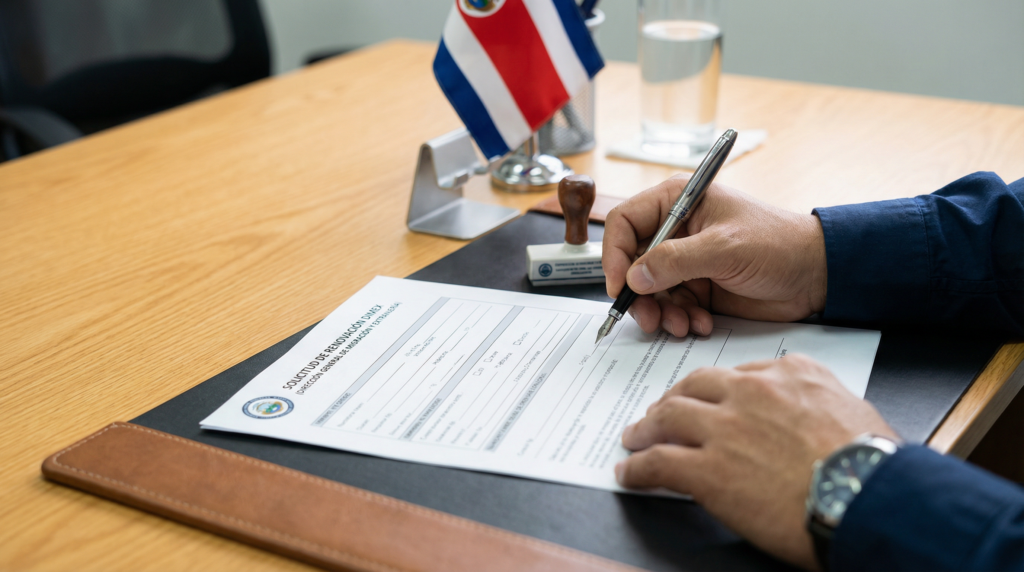
Temporary residency must be renewed periodically, usually every one or two years, depending on the category. The renewal process involves demonstrating that the conditions that gave rise to the residency are still met. For example, a pensioner must prove that they continue to receive their pension, and an investor that their investment remains active.
During this process, the DGME may review your history of entries and exits from the country. Submitting the renewal application on time and with all the required documentation is crucial. The experts at CRIE emphasize the importance of starting this process well in advance of your DIMEX expiration date.
Applying for Permanent Residency
After three years as a temporary resident, most categories allow you to apply for permanent residency. This is a significant step that grants greater rights and stability, including the freedom to work without restrictions and the more flexible absence rules already mentioned. Transitioning to permanent residency is a key goal for many expatriates, and preparing for this step from the beginning of temporary residency can greatly facilitate the process.
Consequences of Violating Residency Rules
Ignoring Costa Rica’s immigration laws can have serious consequences that go beyond a simple fine. Violating the absence deadlines is one of the most common infractions and can result in the automatic cancellation of your residency status.
If your residency is canceled, you lose all associated rights and will have to start the application process from the beginning, which involves significant time, effort, and cost. In addition, remaining in the country with an irregular immigration status can lead to fines. Cases have been documented of expatriates facing fines of hundreds of dollars for exceeding their authorized stay.
In the most serious cases, irregular status could even result in a deportation order and a ban on re-entry to the country for several years. For these reasons, it is essential to take the regulations seriously and seek expert advice if you have doubts about your situation.
Key Tips for Expats in Costa Rica
Living as an expat in Costa Rica can be an incredibly rewarding experience. To ensure it stays that way, it is vital to manage your immigration status proactively.
- Manage Your Prolonged Absences: Keep a record of your entry and exit dates. If you are a temporary resident, be especially mindful of the one-year limit. If you anticipate an absence that could approach the limit, consult with an immigration expert about your options.
- Stay Compliant with Immigration Laws: Legislation can change. Stay informed about Costa Rica’s immigration laws. Renew your DIMEX on time and ensure you always have the correct documentation.
- Seek Professional Advice: The immigration landscape can be complex. Firms like CRIE offer the experience and local knowledge to guide you through any process, from the initial application to renewal and the application for permanent residency, ensuring that every step is taken correctly.

Conclusion: Protect Your Future in Costa Rica
Your residency status in Costa Rica is the key to a stable and secure life in the country. Understanding and respecting the rules about how long you can be away is fundamental to protecting that key. Temporary residents must adhere to a strict one-year absence limit, while permanent residents have a wider margin of two years. Failure to comply with these rules can lead to the cancellation of your residency, forcing you to start over.
The key to success is proactivity: plan your trips, be diligent with renewals, and do not hesitate to seek expert guidance. With careful management and the right support from specialists like CRIE, you can enjoy the flexibility of travel while ensuring that your home in the paradise of Costa Rica is always waiting for you upon your return.
Frequently Asked Questions
What is the maximum time a temporary resident can be out of Costa Rica?
A temporary resident can be out of Costa Rica for a maximum continuous period of one year. Exceeding this time may result in the cancellation of their residency status.
Do permanent residents have more flexibility for travel?
Yes, permanent residents have more flexibility. They can remain outside of Costa Rica for a continuous period of up to two years without risking their immigration status.
What happens if I exceed the allowed time out of the country?
If you exceed the allowed absence time for your residency category, the Directorate General of Immigration and Foreigners (DGME) can cancel your status. This would require you to restart the entire residency application process.
Is residency renewal automatic?
No, renewal is not automatic. Both temporary and permanent residents must actively apply to renew their Foreigner’s Identity Document (DIMEX) before it expires, submitting updated documentation.
Can I apply for permanent residency if I have temporary residency?
Yes, in most cases, after holding temporary residency for three consecutive years, you can apply for permanent residency, which grants you greater benefits and stability.
What is a DIMEX?
The DIMEX is the Foreigner’s Identity Document, the official ID card for residents in Costa Rica. It is essential for legal, banking, and daily life transactions in the country.
Do I need an expert to manage my residency?
While not mandatory, it is highly recommended. An immigration expert like CRIE can help you navigate the complexity of the laws, ensure your documentation is in order, and avoid costly mistakes that could jeopardize your status.
AI Image Disclaimer: Images in this article are AI-generated for illustrative purposes and reflect realistic business environments in Costa Rica.
Article by Glenn Tellier (Founder of CRIE and Grupo Gap)
Don't wait, contact us right now!
Call or WhatsApp Costa Rica +506 8373 2085 or +506 8706 3888
Call USA/Canada +1 305-906-6784