

This short guide helps U.S. visitors and part‑time residents plan where to go if they need medical care while in costa rica. It explains how hospitals are organized, the difference between public and private options, and practical steps to stay safe.
Common reasons someone might need a hospital include falls, motor accidents, missed medications, chronic flare‑ups, or sudden illnesses like food poisoning. Remote‑area injuries can make transport time sensitive, so knowing nearby options reduces stress.
Readers will get clear guidance on choosing hospitals, what documents to carry, how to protect valuables, and which questions to ask. The article previews well‑known private hospitals around San José and key public (Caja) hospitals by province for “closest hospital” planning.
This is a directory‑style, practical resource that frames realistic scenarios—twisted ankle on a trail, a scooter accident in an unfamiliar city, or a sudden stomach bug after dinner—so they can act calmly and find appropriate services and healthcare quickly.
How healthcare works in Costa Rica for travelers and expats from the United States
Travelers and part‑time residents often find Costa Rica’s healthcare setup easier to navigate once they know the two main paths available. One lane is the public system (Caja), and the other is private care. Each serves different needs and timelines, so picking where to go depends on your situation and location.

Public hospitals versus private hospitals: what to expect
Public hospitals usually handle many patients and can be busy. Expect structured intake and care focused on urgent needs. Private hospitals tend to move faster, with more one‑on‑one communication and fees for direct service. Travelers compare them for speed, language support, and cost, but neither is strictly best for every case.
When a clinic is enough vs when a hospital makes sense
Clinics often treat minor dehydration, simple rashes, or small wounds. Go to a hospital for severe pain, heavy bleeding, breathing trouble, or injuries after a crash. If you slip on wet tile, a clinic may help. If you are rear‑ended and feel intense chest or back pain, head to a hospital.
| Feature | Public hospitals | Private hospitals | Local clinics |
|---|---|---|---|
| Typical pace | Busy, triage‑based | Faster, appointment options | Quick for minor care |
| Common use | Major emergencies, regional access | Elective and urgent care with comfort | Minor illness, prescriptions |
| Best for | Remote-area urgency and complex cases | Clear communication and speed | Simple needs and follow-ups |
Unplanned illness and gaps in daily meds can turn urgent. For costa rica expats and visitors from the united states, knowing nearby hospitals costa and clinics helps you act quickly when time matters.
Choosing between private hospitals in Costa Rica and the public healthcare system
When illness or injury strikes, the right option depends on time, communication, and the services available nearby.
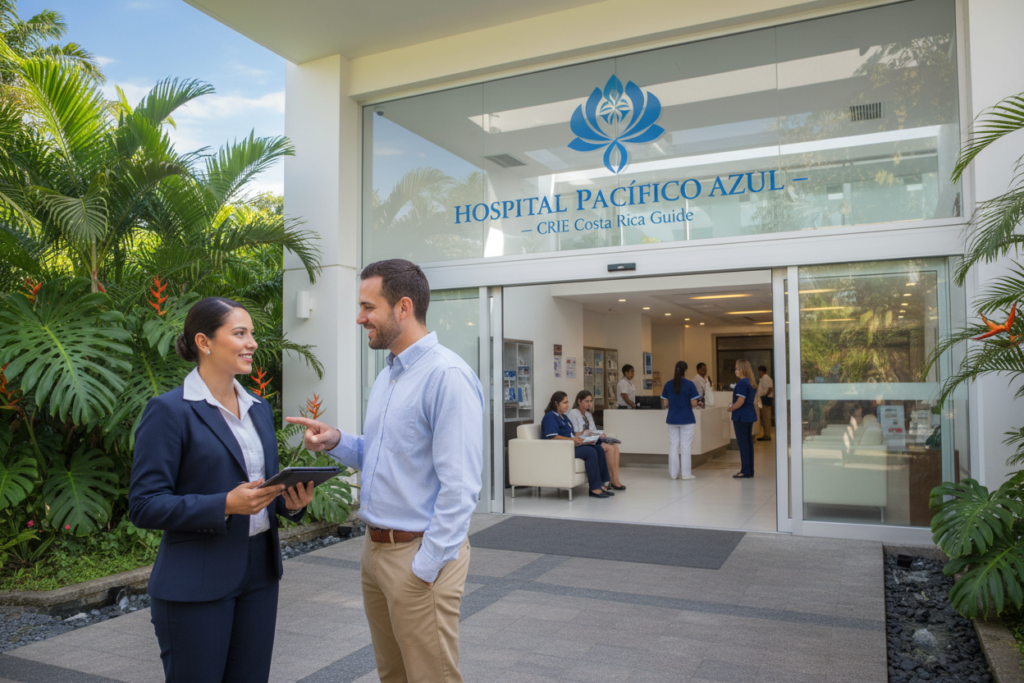
Situations that often fit private hospitals Costa Rica
Private hospitals suit visitors who want faster intake, clearer English support, and an international-patient experience. Many private facilities in San José hire bilingual staff and streamline billing for foreign guests.
Choose a private hospital if you value shorter administrative waits, private rooms, or specific outpatient services. For routine imaging, elective referrals, or quicker visits, this is a reasonable option.
When public hospitals can be the right option
Public hospitals are the nearest choice for severe emergencies in many areas. They also host specialty centers and pediatric services that may not be available at small private clinics.
If an ambulance or local clinic directs you to a public hospital, follow that route—speed and coordinated emergency care matter most.
English speakers, communication, and informed consent basics
- Ask if an English speaker is available before any major step.
- Request key instructions in simple terms and repeat them back to confirm understanding.
- Before signing consent, ask what will happen next, which tests are ordered, and what to watch for after discharge.
Do’s and don’ts for smoother registration and discharge
- Do: carry a passport copy, list allergies and medications in English, keep an emergency contact ready, and keep your phone charged.
- Do: ask for written next steps and expected timeframes when leaving.
- Don’t: bring unnecessary valuables, assume U.S. insurance will apply, or leave without clear instructions.
| Feature | Private | Public |
|---|---|---|
| Typical pace | Faster intake for visitors | Triage-based; depends on severity |
| Communication | Often bilingual staff | Variable English availability |
| Best use | Elective care, clear billing | Major emergencies, regional access |
Expect wait times to reflect emergency severity anywhere. Having documents, a calm point person, and clear questions helps you move through steps faster.
hospitals-in-costa-rica directory: well-known options for expats and visitors
Use this quick directory to pick a hospital based on where you are staying (San José metro vs. beach or province), how urgent the issue is, and whether you need English support. The short notes highlight what each facility is known for and when travelers commonly choose it.

Hospital CIMA (Escazú)
Hospital CIMA is popular with travelers and expats for its bilingual staff and international-patient workflow. Many visitors call ahead for English support and faster admissions when they prefer a private hospitals experience.
Hospital Clínica Bíblica (San José)
Clínica Bíblica is a private, not-for-profit hospital where roughly 20% of patients come from outside the country. That history makes it a familiar option for U.S. visitors who want a facility used to international patients.
Hospital La Católica (San José)
La Católica is known for serving international visitors and has a medical-tourism presence. It often coordinates care for non-local patients and can help with logistics for follow-up appointments.
Hospital Metropolitano (San José area)
Metropolitano is a fast-growing private network with multiple hospitals and many satellite clinics. Its collaboration with Sanford illustrates the kind of international operational and quality partnerships found among private hospitals costa options.
| Hospital | Known for | When to choose |
|---|---|---|
| Hospital CIMA | Bilingual staff, international workflow | Need English and private-patient process |
| Clínica Bíblica | Not-for-profit, many foreign patients | Visitors wanting experienced international care |
| La Católica | Medical-tourism and visitor coordination | Non-local patients needing coordination |
| Metropolitano | Multi-site network, international collaboration | Prefer network access and specialty clinics |
- Practical call-ahead questions: “Do you have English-speaking staff on this shift?”, “What ID do you need?”, “Can you give discharge instructions in writing?”
- “American-affiliated” usually means shared training, consulting, or operations support—not that care is governed by U.S. hospitals. Ask what the affiliation involves for your case.
Public hospitals Costa Rica: key facilities in San José and beyond
Knowing a few public hospitals by name and region makes a real difference when an unexpected issue arises. In an emergency, ambulances or clinics often take patients to the nearest public hospital, regardless of prior plans.
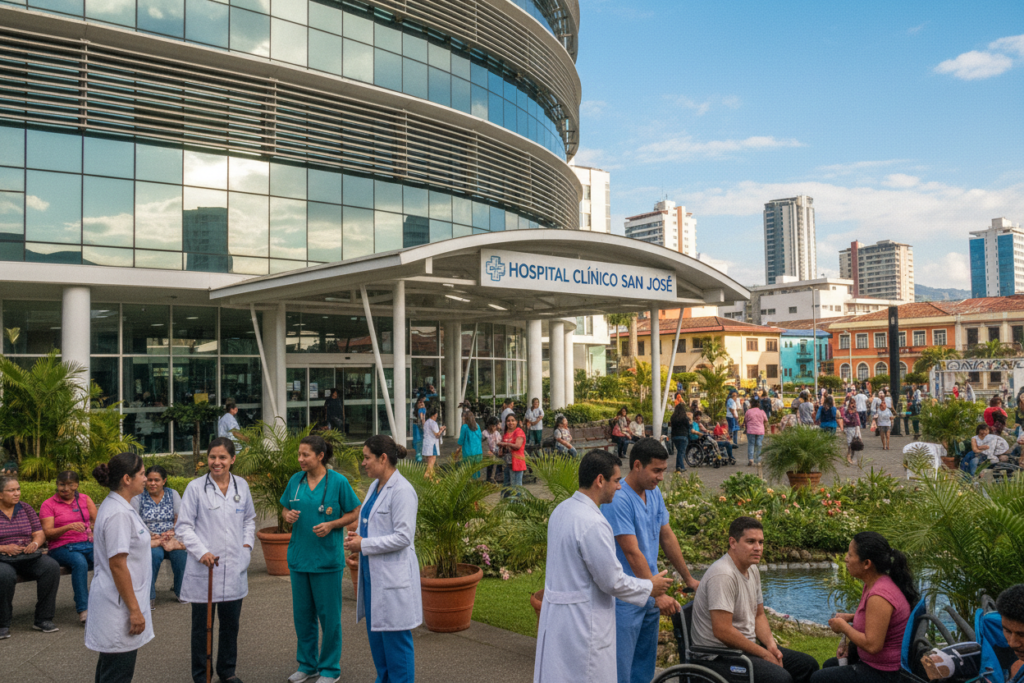
Major San José public hospitals people commonly hear about
In the capital, large public hospitals handle high volumes and many specialties. Names to recognize: Hospital San Juan de Dios, Hospital México, Hospital Dr. Rafael Ángel Calderón Guardia, and Hospital Nacional de Niños for pediatric cases.
Hospital de Trauma (INS) is another commonly referenced facility when trauma care is needed in the metro area. Hearing these names during a stressful moment can help you stay calm and follow directions.
Regional public hospitals by province: what “closest hospital” looks like
Outside San José, the closest public hospital is usually the best first option for urgent needs. Here are typical regional examples to save on your phone before you travel.
| Province | Representative public hospitals | When to use |
|---|---|---|
| Alajuela | Hospital San Rafael; San Ramón (Dr. Carlos L. Valverde Vega); Ciudad Quesada (San Carlos) | Road accidents, serious illness en route |
| Guanacaste | Hospital Enrique Baltodano Briceño (Liberia); Hospital de la Anexión (Nicoya) | Beach or surf-area emergencies and transfers |
| Puntarenas | Hospital Monseñor Sanabria (Puntarenas); Quepos (Dr. Max Terán Valls) | Coastal incidents and fishing/boating injuries |
| Limón | Hospital Dr. Tony Facio Castro (Limón); Hospital de Guápiles | Carriage from Caribbean-side areas and tropical illnesses |
Save a short list of nearby public hospitals by region before a road trip. Public hospitals prioritize by severity, so wait time depends on emergency level and facility busyness. They remain an important and practical option, especially in areas where private facilities are scarce.
Emergency and urgent situations: what to do and how to stay safe
Emergencies can happen fast while traveling; knowing quick steps helps you act without panic.
Real-world examples and step-by-step actions
1) Rental-car fender bender with neck pain: move to a safe spot, exchange basic info, and call local emergency services if pain is intense. If symptoms start later, go to a nearby hospital for assessment.
2) Fall on a hiking trail with swelling: stop, rest, and immobilize the injury. If you cannot walk or swelling worsens, contact local responders and get to the closest regional hospital rather than delaying care.
3) Sudden vomiting and diarrhea at your lodging: stay hydrated and seek clinic care if unable to keep fluids down. Severe dehydration or persistent high fever needs urgent attention.
Remote-area decisions and transport options
In remote areas, the nearest facility is often the best option. Time matters for severe problems and some situations require advanced transport, including air ambulance, depending on responders and local options.
Hospital safety: do’s and don’ts
Do bring essential ID, one card, and a short meds list. Have a companion if possible to help with paperwork and communication.
Don’t hand over your only passport unless required. Don’t leave without written discharge steps. Ask early if staff include English speakers.
Questions to ask staff and insurer notes
- What are you doing now?
- What happens next and how long might it take?
- Who can explain this in English?
- What should I do if symptoms get worse after discharge?
If you contact your insurer, ask what documents they need and whether pre-authorization is required to reduce surprises with medical expenses.
| Situation | Best next step | Transport options |
|---|---|---|
| Minor injury | Local clinic | Taxi or private car |
| Severe trauma | Regional hospital | Ambulance or air transport |
| Dehydration/illness | Urgent care or ER | Private vehicle or ambulance |
Planning ahead without overthinking it: documents, medications, and insurance questions
A compact plan for papers, prescriptions, and insurer questions saves time during an emergency. Preparing a few items now reduces stress later for visitors and costa rica expats alike.
What to carry
Create a mini medical file you can access on your phone and print a copy. Include a passport photo page copy, emergency contacts, blood type if known, allergies, current meds, and a short health history in plain English.
Medication backup and refill planning
If someone takes daily meds—diabetes, asthma, or blood‑pressure medicine—pack a backup supply in a separate bag and keep key doses in carry‑on. Store meds in original containers when possible and set reminders so doses aren’t missed during long travel days.
Do: keep prescriptions or a medication list, carry a few extra days, and split supplies across bags.
Don’t: pack every dose in one place or wait until the last few days before requesting refills.
Talking to your insurer (neutral script)
Call and ask: Does my current coverage apply in costa rica? What counts as an emergency? What paperwork is required? Do you need notification before certain services? These questions clarify options without selecting a plan here.
| Item | Why it matters | Quick action |
|---|---|---|
| Mini medical file | Speeds intake and communication | Save on phone + print one copy |
| Medication backup | Avoids missed doses during delays | Pack extras across bags |
| Insurer check | Clarifies coverage and procedures | Use neutral script and note answers |
For longer stays, this routine becomes part of daily life for rica expats. For more on private health insurance options, see private health insurance options for expats.
Wrap-up: quick checklist for a smoother hospital experience in Costa Rica
Practical steps and a saved contact list reduce delays in care across Costa Rica’s public and private hospitals.
Quick checklist to screenshot:
save local emergency numbers; store a passport copy; keep a short meds/allergies list; pick a companion if possible; request English support early; get written discharge instructions.
Do: carry minimal valuables and keep your phone charged. Do ask what happens next. Don’t assume home insurance covers care without checking first. Don’t leave without clear follow-up steps.
FAQ (brief):
Are there English-speaking hospitals? Many private hospitals in San José often have English staff, but always ask. Clinic or hospital? Use a clinic for minor issues and a hospital for serious injury, heavy bleeding, or breathing trouble. Outside San José? Head to the closest regional public hospital and save names by province. What is “American-affiliated”? It usually means training or collaboration, not ownership. What to keep ready? Passport copy, emergency contacts, meds/allergies list.
If residency is a future consideration, CRIE can help with questions. Contact: WhatsApp +506 8706 3888 | info@crie.cr | learn more about healthcare in Costa.
FAQ
How does healthcare work in Costa Rica for travelers and expats from the United States?
What is the difference between public hospitals Costa Rica (Caja) and private hospitals?
When is a clinic enough versus when should someone go to a hospital?
What common reasons do people need care while visiting or living in Costa Rica?
What situations often make private hospitals Costa Rica the better option?
When can public hospitals be the right choice?
How common is English spoken at hospitals and how does informed consent work?
What are do’s and don’ts for smoother registration and discharge?
Which hospitals are commonly recommended for expats and visitors?
What does “American-affiliated” or international collaboration mean in practice?
Which major public hospitals in San José should people know about?
How do regional public hospitals work outside the capital?
What should someone do in a traffic accident, trail fall, or sudden severe illness?
If an injury happens in a remote area, what are the priorities for transport and care?
What safety tips should patients follow while at the hospital?
What key questions should patients ask hospital staff about services, timing, and next steps?
What documents and health information should travelers carry?
How should someone manage daily prescription medications while living or traveling in Costa Rica?
How can people discuss international coverage with their insurance provider before travel?
What quick checklist helps ensure a smoother hospital experience in Costa Rica?
Article by Glenn Tellier (Founder of CRIE and Grupo Gap)
Don't wait, contact us right now!
Call or WhatsApp Costa Rica +506 8373 2085 or +506 8706 3888
Call USA/Canada +1 305-906-6784