
Costa Rica, a small nation nestled between the Pacific Ocean and the Caribbean Sea, possesses a history as vibrant and unique as its biodiversity. Unlike many of its Central American neighbors, its past is characterized by a relative lack of civil strife and a profound commitment to democracy and peace. This history is the bedrock of the nation’s famed stability, which makes it an attractive destination for expatriates and investors seeking the “Pura Vida”—the pure life.
The Pre-Columbian Era: Indigenous Roots
Before the arrival of Europeans, the territory that is now Costa Rica was a transitional zone between the great Mesoamerican cultures to the north and the Andean civilizations to the south. The indigenous inhabitants were organized into smaller, scattered chiefdoms, or cacicazgos, rather than large, centralized empires. Groups like the Bribri, Boruca, and Huetar thrived, developing sophisticated agricultural practices and intricate gold work. Crucially, the region lacked the vast mineral wealth, particularly gold and silver, that drove the Spanish conquest in other parts of the Americas. This scarcity would profoundly shape the colonial experience.
Spanish Colonization: The “Rich Coast” Misnomer
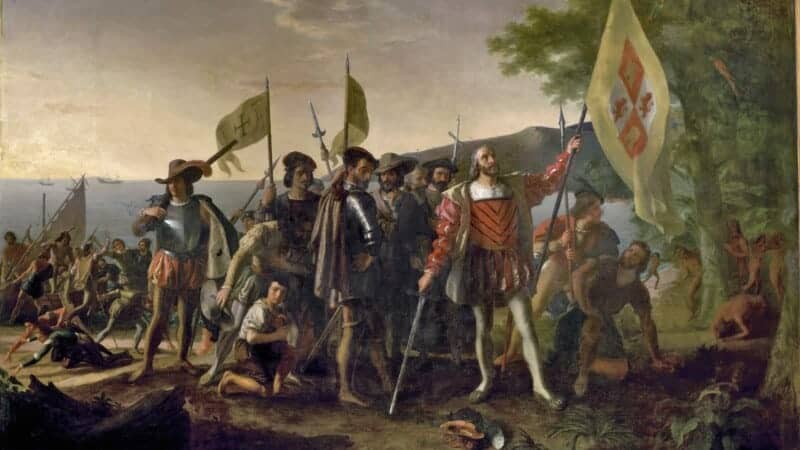
In 1502, Christopher Columbus arrived on the Caribbean coast, naming the land Costa Rica, or “Rich Coast,” based on the gold ornaments worn by the native people. This name proved to be a misnomer. Due to the lack of exploitable mineral resources and a large, easily subjugated indigenous population, Costa Rica was largely ignored by the Spanish Crown.
The colony developed in relative isolation and poverty compared to the wealthy viceroyalties of Mexico and Peru. This isolation fostered a unique social structure: a society of small, independent landholders who worked their own farms. This egalitarian foundation, where a powerful landowning elite never fully materialized, is often cited as a key factor in the country’s later democratic success.
Independence and the Path to Nationhood
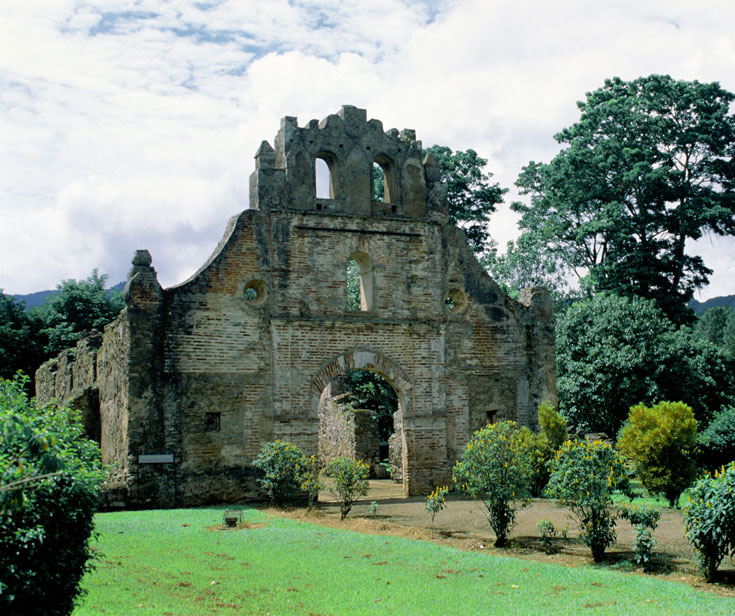
Costa Rica gained its independence from Spain on September 15, 1821, as part of the Captaincy General of Guatemala. The news arrived late, and the transition was remarkably peaceful. Following a brief period as part of the Federal Republic of Central America, Costa Rica formally declared its full sovereignty in 1838 under the leadership of Braulio Carrillo Colina.
The 19th century saw the rise of coffee as the primary export, which brought wealth and connected the country to European markets. This economic growth led to the development of infrastructure and a more robust political system, laying the groundwork for the First Republic.
The Filibuster War and National Hero Juan Santamaría
A critical moment in the forging of the national identity occurred in 1856 during the Filibuster War. American adventurer William Walker, who had seized control of Nicaragua, attempted to expand his dominion into Costa Rica.
The Costa Rican government, under President Juan Rafael Mora Porras, mobilized its army to repel the invasion. The conflict culminated in the Second Battle of Rivas in Nicaragua. It was here that Juan Santamaría, a young drummer boy from Alajuela, became the nation’s most revered hero. According to the traditional account, Santamaría volunteered to set fire to a crucial enemy stronghold, a wooden fortress known as El Mesón de Guerra, a heroic act that cost him his life but secured a decisive victory for the Costa Rican forces. His sacrifice is commemorated annually on April 11th, Juan Santamaría Day.
The Birth of Modern Democracy: 1948 and the Abolition of the Army
The most defining event in modern Costa Rican history was the 1948 Civil War. Triggered by the annulment of the presidential election results, the conflict lasted only 44 days but resulted in approximately 2,000 deaths. The victorious forces, led by José Figueres Ferrer, established a Founding Junta of the Second Republic.
The Junta enacted a series of radical reforms that fundamentally reshaped the nation. The most significant of these was the abolition of the military in December 1948, a decision later enshrined in the 1949 Constitution. This bold move diverted national resources from defense to social programs, particularly education and healthcare, creating a welfare state that is the envy of the region. It cemented Costa Rica’s reputation as a beacon of peace and stability in a volatile part of the world.
A Legacy of Peace and Sustainability
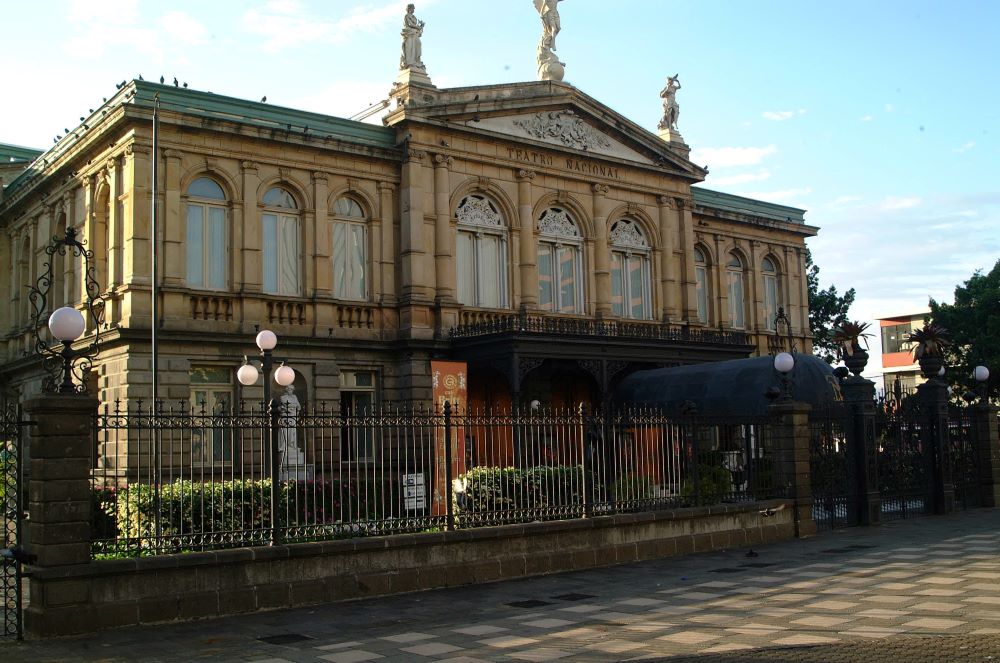
Today, Costa Rica stands as one of the oldest and most stable democracies in Latin America. Its historical trajectory—from a poor, isolated colony to a nation that chose teachers over soldiers—explains its current global standing. The country’s commitment to environmental protection, with over a quarter of its land designated as protected areas, is a natural extension of its peaceful, forward-thinking policies. This legacy of stability, democracy, and a focus on quality of life is precisely why so many people choose to make Costa Rica their new home.
Frequently Asked Questions
Why is Costa Rica called the “Rich Coast”
The name was given by Spanish explorers, including Christopher Columbus, who believed the land held vast gold reserves. However, the region proved to be poor in mineral wealth, making the name a historical misnomer.
When did Costa Rica gain its independence
Costa Rica gained independence from Spain on September 15, 1821, as part of the Captaincy General of Guatemala.
Who is Juan Santamaría
Juan Santamaría is Costa Rica’s national hero, a drummer boy who sacrificed his life in 1856 during the Filibuster War to help defeat the forces of William Walker.
What was the significance of the 1948 Civil War
The 1948 Civil War, though brief, led to the abolition of the military, the establishment of the Second Republic, and the strengthening of democratic institutions, defining modern Costa Rica.
Why did Costa Rica abolish its army
The army was abolished in 1948 by José Figueres Ferrer following the Civil War. The resources previously allocated to the military were redirected to education, healthcare, and environmental protection, solidifying the country’s commitment to peace.
What is the “Pura Vida” philosophy
“Pura Vida,” meaning “Pure Life,” is a common Costa Rican phrase that encapsulates the national philosophy of living a peaceful, simple, and optimistic life, often used as a greeting or farewell.
How did coffee influence Costa Rica’s history
The cultivation and export of coffee in the 19th century brought significant wealth to Costa Rica, which helped fund infrastructure development and a more stable political system, connecting the country to global markets.
Is Costa Rica a stable country for expatriates and investors
Yes, its long history of democracy, political stability, and the constitutional abolition of its military make it one of the most peaceful and secure nations in Central America, highly favorable for both expatriates and foreign investment.
Article by Glenn Tellier (Founder of CRIE and Grupo Gap)
Don't wait, contact us right now!
Call or WhatsApp Costa Rica +506 8373 2085 or +506 8706 3888
Call USA/Canada +1 305-906-6784