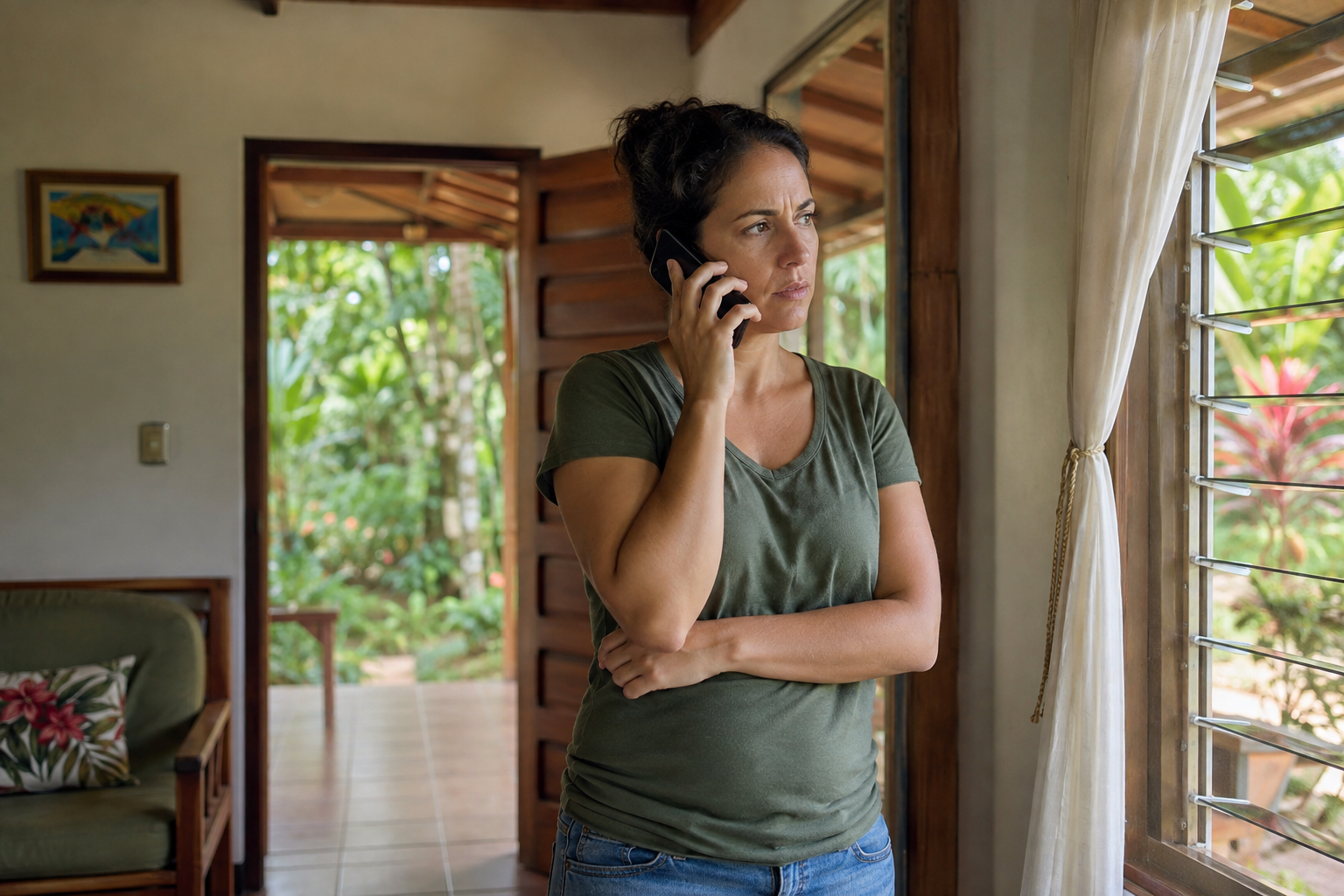
Many retirees dream of a safe, affordable tropical paradise. They want their income to stretch further and their quality of life to improve. Costa Rica is a top choice for this dream.

About 120,000 Americans already live here. The cost of living is roughly 38% lower than in the United States. The country also ranks well for global safety.

We are CRIE. Our firm provides specialized immigration services focused solely on Costa Rica. We help with residency and visa processes.

This path offers tremendous opportunity. Yet, it requires proper preparation and authentic documents. We guide you through the legal requirements—we don’t make unrealistic promises.

The foundation for success starts at home. You should gather necessary papers, get apostilles, and arrange translations. Do this before you book your flight to Costa Rica.

Retirees typically explore three main residency categories. These are the Pensionado, Rentista, and Investor options. Each has specific financial requirements.

We must be clear about what we do not do. We do not provide pricing quotes in this guide. We cannot guarantee approval timelines.

We also do not handle the Digital Nomad visa. It is not a pathway to permanent residency or citizenship. Our role is to offer current, accurate guidance.

Immigration involves government agencies and can change. Timelines vary. We provide professional support and transparent advice throughout your journey.

Overview of the Costa Rica Retirement Visa Opportunity

Pensionado visa Costa Rica

The cornerstone of retirement residency in Costa Rica is the Pensionado visa, a program defined by clear financial rules. This popular option is designed for retirees with a guaranteed lifetime pension.

Understanding the Pensionado (Pensionado) Category

The Pensionado (Pensionado) category requires a minimum income of $1,000 USD per month from a pension. It was formalized under Costa Rican Law No. 9996, effective from 2021.

This is a temporary residency permit, initially granted for two years. It is renewable as long as you maintain your pension income. After three consecutive years, you become eligible to apply for permanent residency.

The benefits for retirees are significant. They include duty-free import of household goods and a vehicle. Your foreign pension income is exempt from local taxes. You also gain access to the public healthcare system and can open local bank accounts.

Benefits of Choosing CRIE for Immigration Services

We specialize exclusively in Costa Rica residency and immigration services. This focused expertise means we stay current on every regulatory change.

Our role is to provide professional guidance through a complex process. We help you avoid common mistakes that cause delays. We serve as your knowledgeable partner, but final decisions always rest with Costa Rican authorities.

For retirees with stable pension income, the Pensionado visa is the most straightforward path. We provide the accurate guidance needed to navigate it successfully.

Understanding Who Qualifies for the Visa

Costa Rica visa requirements

Qualifying for residency as a retiree in Costa Rica is not a one-size-fits-all process. It is defined by clear, category-specific financial thresholds. You have three main pathways to consider.

Each option has distinct requirements. Your choice depends on your primary source of funds.

Eligibility Criteria for Pensionado (Pensionado)

The Pensionado category is for retirees with a guaranteed lifetime pension. You must prove a minimum income of $1,000 USD per month from sources like Social Security or a private fund.

This pension must be permanent, not a temporary payment. You can combine multiple pensions to meet the monthly income threshold.

Comparing Rentista (Rentista) and Investor (Inversionista) Requirements

The Rentista (Rentista) option suits those without a traditional pension. It requires demonstrating stable income of $2,500 USD per month for two years. Often, applicants secure the full $60,000 amount upfront.

The Investor (Inversionista) pathway requires a minimum $150,000 USD investment in approved real estate or a business. A crucial rule: the asset must be in your personal name, not held through a corporation.

These are the primary residency options for retirees seeking a long-term future in Costa Rica.

Preparing Your Documents and Prerequisites

The foundation of your visa journey is built not in Costa Rica, but in your home country through careful gathering and authentication of key papers. Starting this process before you travel is the single most important step for a smooth application.

Document Checklist: Apostilles, Translations, and More

Your core personal identification documents include a valid passport and recent photos. You will also need certified copies of your passport’s main page.

Essential civil documents are your birth certificate and a police clearance certificate. These must be recently issued, typically within the last six months.

All foreign documents require an apostille for international use. They also need an official Spanish translation by an authorized translator.

For the Pensionado visa, a pension verification letter is a key financial requirement. Since document requirements can evolve, we recommend consulting our detailed paperwork guide or verifying directly with official sources.

Step-by-Step Guidance to Start Your Application from Home

Successful applicants understand that the key to a smooth process begins long before arriving in Costa Rica. We provide clear, practical steps to build your application foundation from your current home.

Gathering Necessary Documents Before Arrival

Start your preparation 3 to 6 months before your planned move. Your first action is to request your official pension verification letter. This letter must confirm your monthly amount and that payments are guaranteed for life.

Next, obtain your criminal background check and a certified copy of your birth certificate. Time these requests carefully, as some documents have a strict validity period. Doing this from home gives you direct access to issuing authorities.

Initial Steps to Secure Your Application

Once you have the originals, the apostille process is your next critical step. Each document must be authenticated for international use. After apostilling, make several certified copies of everything for your records.

You will also need official Spanish translations. Organize all papers into a complete physical and digital package. This organized set is your application’s foundation.

You can submit your package in Costa Rica or from abroad using a licensed attorney. This initial work from home sets the stage for the next phases of your residency journey.

Get Costa Rica Retirement Visa Step-by-Step with CRIE

Navigating the Costa Rica residency process requires a clear map of the steps and realistic expectations for the timeline. We provide that structured guidance.

Clear Timelines and Expected Milestones

After your documents are ready, your attorney files the application with immigration authorities. You will also complete a fingerprint registration. This starts the official clock.

Your application then enters a government review queue. This phase typically takes 3 to 6 months. Some cases can extend to 12-15 months.

You may stay in the country legally during this waiting period. Upon approval, you receive your DIMEX residency ID card. Mandatory registration with the CAJA healthcare system follows within 30 days.

The entire process, from start to finish, often spans 6 to 12 months. We guide you through each phase, but final timelines depend on government processing.

Avoiding Common Pitfalls During the Visa Process

The most common roadblocks in the Costa Rica retirement visa process are not mysteries. They are well-documented mistakes that can be avoided with careful planning.

We see consistent errors that cause significant delays. Understanding these allows you to navigate your application more smoothly.

Identifying Frequent Mistakes and How to Prevent Them

Expired documents are a top cause for rejection. Birth certificates and police checks must often be issued within six months of your submission.

Another critical error involves document authentication. You need an apostille, not just a notarization, from the correct authority for each paper.

For the Pensionado visa, an official letter from your pension fund is required. Bank statements showing deposits are not a valid substitute for this certification.

Expert Tips from CRIE Professionals

Create a timeline working backward from your desired move date. Build in buffer time for unexpected delays in the immigration process.

Keep impeccably organized digital and physical files of all your documents. Proactive communication with your legal representative is also key.

While navigating the requirements alone is possible, professional guidance helps avoid costly errors. We connect you with expertise to support your journey.

Navigating Immigration Requirements and Processing Timelines

Your journey from temporary to permanent residency in Costa Rica follows a structured legal pathway. Knowing the key milestones helps you plan your long-term future in this country.

Understanding the Residency Application Process

Your initial Pensionado visa grants temporary residency for two years. This period allows you to establish your life in Costa Rica.

You must apply for renewal before these two years end. The renewal process verifies your ongoing pension income and CAJA registration.

A minimal stay of one day per year is required to maintain your status. This is one of the most lenient immigration requirements globally.

After three consecutive years of temporary status, you can apply for permanent residency. This step typically occurs after your first renewal.

Permanent residency in Costa Rica is granted indefinitely. It removes the need for future renewals and offers greater flexibility.

We guide you through this multi-year process. Timelines for each step depend on government review and can vary.

Additional Guidance on Establishing Your New Life in Costa Rica

Retirees in Costa Rica discover that the country’s affordable living and top-tier healthcare significantly enhance their quality of life. You join a large, supportive community of expats.

Leveraging Costa Rica’s Healthcare and Lifestyle Benefits

The public healthcare system, CAJA, is a major benefit. It offers comprehensive coverage for a low monthly cost, often under $100.

Many expats also use private health insurance or pay for care directly. Quality private clinics offer specialist visits for under $100.

Planning Your Financial and Expat Life

Your cost of living can be about 38% lower than in the U.S. A single retiree often lives well on $1,600 to $2,000 monthly.

Popular places for expats include beach towns like Tamarindo and cultural centers like Heredia. Rental costs are reasonable.

Once you have your residency card, opening a local bank account is straightforward. Established expat networks provide invaluable practical advice for your new life.

Embracing the relaxed “pura vida” lifestyle becomes a rewarding part of your retirement.

Comprehending Legal Considerations and Tax Implications

Costa Rica’s favorable tax structure provides significant financial advantages for retirees with foreign income. The country operates on a territorial tax system. This means only income earned within Costa Rica is subject to local income tax.

Your foreign pension, Social Security, and investment income from abroad are not taxed here. The pension income you declare for your visa is explicitly exempt.

Key Legal Insights for Retirees

Holding a Pensionado visa does not automatically make you a tax resident of the country. Tax residency hinges on separate criteria, like spending over 183 days per year here.

You can be a legal resident but remain a tax resident of your home country. U.S. citizens, for example, must still file U.S. tax returns. We strongly recommend consulting a professional for complex tax implications.

Overview of Tax Thresholds and Exemptions

If you buy property, you’ll pay an annual tax of 0.25% of its registered value. A one-time transfer tax of 1.5% applies at purchase.

Pensionado visa holders receive specific benefits under Law No. 9996. These include a 20% reduction on that transfer tax and duty-free import of household goods. Successful planning for retiring in Costa Rica integrates these financial and legal aspects.

Ready to Begin Your Journey to Costa Rica?

With a comprehensive understanding of the visa process, you stand at the threshold of turning your retirement dream into a reality. This guide has outlined the path from choosing your residency category to establishing your new life.

The key to success is starting your document preparation now, while you are still at home. Gathering authenticated papers is far simpler before you relocate.

We provide specialized Costa Rica residency and immigration services. Our focused expertise supports retirees navigating this process. We invite you to discuss your specific situation with us.

Reach out via WhatsApp at +506 8706 3888, email info@crie.cr, or visit www.crie.cr. We offer professional guidance but cannot provide pricing quotes or guarantee approval timelines.

Your retirement in Costa Rica is achievable with proper planning. We are here to provide honest advice and support throughout your residency journey.

FAQ

What are the main benefits of the Costa Rica retirement visa?

The Pensionado residency offers significant advantages. These include access to the public healthcare system (CCSS), exemptions on importing household goods and a vehicle, and potential tax benefits on foreign-sourced income. It’s a pathway to a stable, affordable lifestyle in a country renowned for its natural beauty and peaceful way of life.

How much monthly income do I need to qualify for the Pensionado visa?

To qualify, you must prove a guaranteed lifetime pension income of at least

FAQ

What are the main benefits of the Costa Rica retirement visa?

The Pensionado residency offers significant advantages. These include access to the public healthcare system (CCSS), exemptions on importing household goods and a vehicle, and potential tax benefits on foreign-sourced income. It’s a pathway to a stable, affordable lifestyle in a country renowned for its natural beauty and peaceful way of life.

How much monthly income do I need to qualify for the Pensionado visa?

To qualify, you must prove a guaranteed lifetime pension income of at least $1,000 per month from a qualified source, such as Social Security or a private pension. This financial requirement is a key part of the application process and must be documented with official, apostilled statements.

Can I work or start a business in Costa Rica with a retirement residency?

No, the Pensionado category is specifically for retirees and does not permit you to work for a Costa Rican company or earn local income. If you wish to engage in business activities, you would need to explore other residency options, like the Rentista or Inversionista visas, which have different financial requirements.

What is the role of CRIE in the retirement visa application process?

We at CRIE act as your expert guide and legal representative. We handle the complex paperwork, ensure your documents like birth certificates and pension letters are properly apostilled and translated, submit everything to Immigration, and manage all follow-up. Our goal is to simplify the process and prevent costly errors that can delay your approval.

How long does it take to get residency approval, and what happens after?

The entire process, from document preparation to receiving your temporary residency card, typically takes 3 to 6 months. After approval, you’ll renew your card annually for three years before applying for permanent residency. We help you navigate each milestone and ensure you meet all ongoing requirements.

Is private health insurance mandatory for retirees in Costa Rica?

While joining the public healthcare system is a major benefit, many expats also choose to carry private international insurance for faster access to specialists and certain treatments. We can advise on the best insurance options to complement your coverage and fit your budget and healthcare needs.

What are the most common mistakes people make in their residency application?

Frequent pitfalls include submitting documents without the required apostille or official translation, providing outdated bank statements, or misunderstanding the specific income requirements for the Pensionado vs. Rentista categories. Our professionals meticulously review every detail to avoid these common errors.

What are the tax implications for retirees living in Costa Rica?

Costa Rica taxes worldwide income only after you become a permanent resident. Importantly, foreign-sourced income like pensions, Social Security, and investment earnings are typically exempt. However, understanding the thresholds and exemptions is crucial, and we provide clear guidance on your specific tax situation.

,000 per month from a qualified source, such as Social Security or a private pension. This financial requirement is a key part of the application process and must be documented with official, apostilled statements.

Can I work or start a business in Costa Rica with a retirement residency?

No, the Pensionado category is specifically for retirees and does not permit you to work for a Costa Rican company or earn local income. If you wish to engage in business activities, you would need to explore other residency options, like the Rentista or Inversionista visas, which have different financial requirements.

What is the role of CRIE in the retirement visa application process?

We at CRIE act as your expert guide and legal representative. We handle the complex paperwork, ensure your documents like birth certificates and pension letters are properly apostilled and translated, submit everything to Immigration, and manage all follow-up. Our goal is to simplify the process and prevent costly errors that can delay your approval.

How long does it take to get residency approval, and what happens after?

The entire process, from document preparation to receiving your temporary residency card, typically takes 3 to 6 months. After approval, you’ll renew your card annually for three years before applying for permanent residency. We help you navigate each milestone and ensure you meet all ongoing requirements.

Is private health insurance mandatory for retirees in Costa Rica?

While joining the public healthcare system is a major benefit, many expats also choose to carry private international insurance for faster access to specialists and certain treatments. We can advise on the best insurance options to complement your coverage and fit your budget and healthcare needs.

What are the most common mistakes people make in their residency application?

Frequent pitfalls include submitting documents without the required apostille or official translation, providing outdated bank statements, or misunderstanding the specific income requirements for the Pensionado vs. Rentista categories. Our professionals meticulously review every detail to avoid these common errors.

What are the tax implications for retirees living in Costa Rica?

Costa Rica taxes worldwide income only after you become a permanent resident. Importantly, foreign-sourced income like pensions, Social Security, and investment earnings are typically exempt. However, understanding the thresholds and exemptions is crucial, and we provide clear guidance on your specific tax situation.


Article by Glenn Tellier (Founder of CRIE and Grupo Gap)

Don't wait, contact us right now!
Call or WhatsApp Costa Rica +506 8373 2085 or +506 8706 3888
Call USA/Canada +1 305-906-6784

See If You Qualify For Residency Today!