Funerals in Costa Rica: What Happens, Costs and Customs

Death is handled quickly in Costa Rica. Burial normally happens within 24 to 36 hours and effectively always within 48. For a foreign family, that single fact is the most important thing on this page — there is no week-long window to fly relatives in.

If you need time, you must ask the funeral home for refrigeration or embalming immediately. It is not the default.

What happens after a death in Costa Rica, from the medical certificate to burialA physician issues the certificado medico de defuncion; a sudden, unattended or violent death goes to the OIJ and Medicina Legal for autopsy; a funeral home is engaged within hours; burial normally happens within 24 to 36 hours and almost always within 48; the death is inscribed with the Registro Civil free of charge, taking eight business days.After a death in Costa RicaThe sequence moves faster than most foreign families expect.1The medical certificateA physician issues the certificado médico de defunción. Nothing else can begin until it exists.In hospital or under medical care, the treating doctor signs it.2If the death was sudden, unattended or violentThe OIJ attends and the body goes to Medicina Legal at San Joaquín de Flores for autopsy.This is mandatory, and it is the main thing that lengthens the timeline.3Burial or cremationNormally within 24 to 36 hours, and effectively always within 48.A funeral home is usually engaged within hours and handles the paperwork.4Registering the deathInscribed with the Registro Civil. Filing is free; processing takes eight business days.The declarant brings valid identification and the original medical certificate.If your family needs time to travelAsk the funeral home for refrigeration or embalming immediately. It is not the default, and there is noweek-long window to fly relatives in.

What happens first

A physician must issue the certificado médico de defunción. If the death occurred in hospital or under medical care, the treating doctor signs it.

If the death was sudden, unattended, violent or of unknown cause, the OIJ attends and the body goes to the Departamento de Medicina Legal at San Joaquín de Flores in Heredia for autopsy. This is mandatory, and it is the main thing that lengthens the timeline.

A funeral home is normally engaged within hours and handles the paperwork from there. That is the local norm, and it is why families rarely deal with the government offices directly.

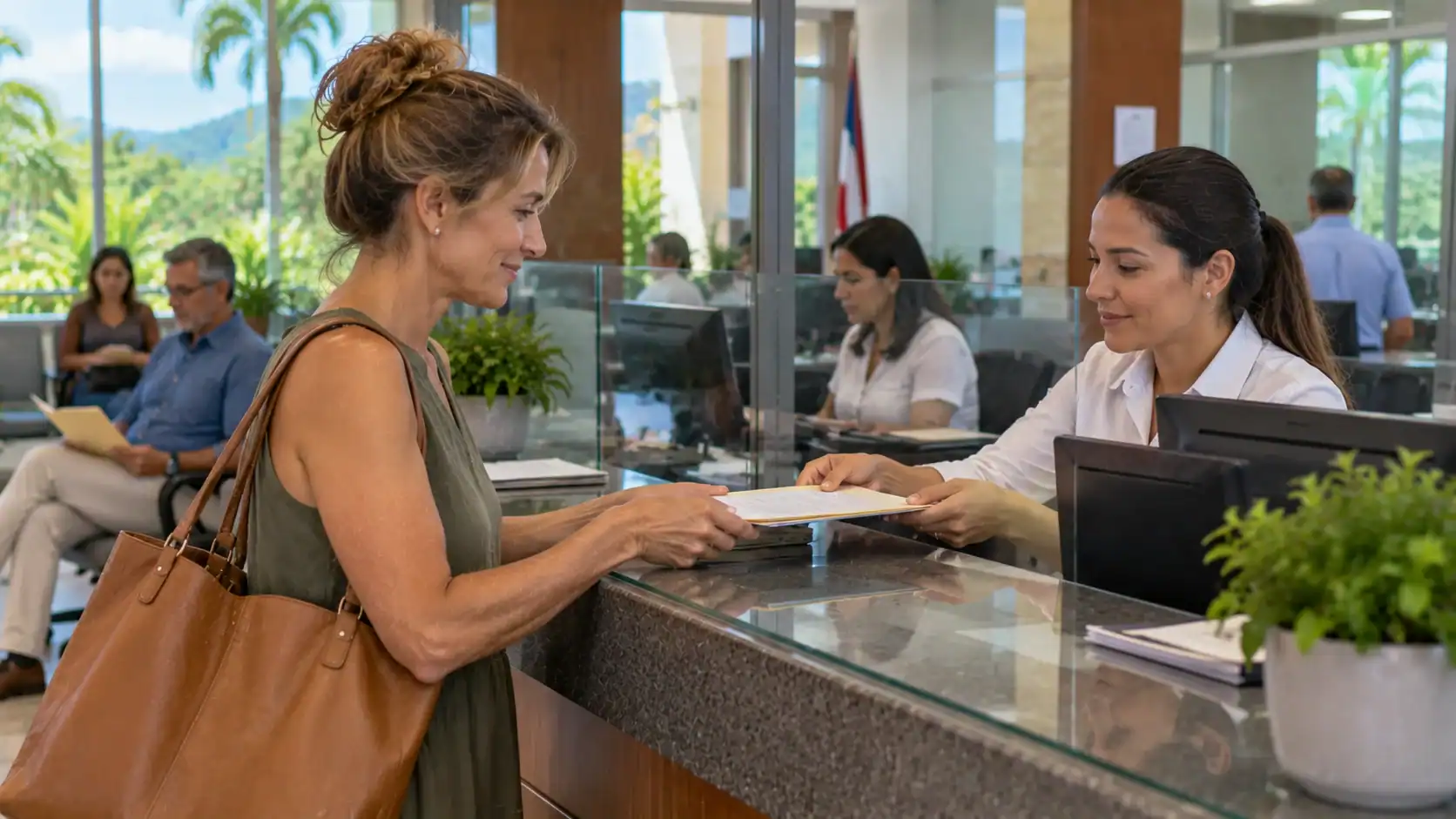
Registering the death

The death is inscribed with the Registro Civil, part of the Supreme Electoral Tribunal.

Per the TSE’s own requirements: the declarant presents valid identification, the original medical certificate, contact details, and a death declaration form where applicable. Filing is free, and processing takes eight business days from receipt.

Central filing is at the Document Reception window in San José, Monday to Friday 07:00–15:00, with regional offices available. Doctors with auxiliary-registrar credentials can register online.

Order several certified copies of the certificación de defunción. You will need them for banks, pensions, insurers and any succession, and getting them later is slower than getting them now.

Burial or cremation

Embalming is not standard practice in Costa Rica. Combined with the climate and long-established custom, that is why burial is so fast.

Cremation requires Ministry of Health authorisation, and the requirements are specific:

  • A request from a direct family member — not an in-law
  • The medical death certificate
  • The autopsy certificate, original plus copy, where one exists
  • ID photocopies of the deceased and the applicant
  • The timbres (stamps) of the Colegio de Médicos and the Cruz Roja

Approval must be signed off by a physician specialising in pathology or forensic medicine. Applications go to the corresponding Área Rectora de Salud.

Cremation has grown quickly, particularly among younger urban families and for repatriation.

The cemetery rental system

This surprises foreigners more than anything else about death in Costa Rica.

Costa Rican cemeteries — municipal ones especially — are built around nichos, burial cavities often stacked in walls or in family bóvedas, and osarios, ossuaries.

Many operate on a lease with a roughly five-year cycle. After about five years the remains are exhumed, the bones are gathered into a small box and placed in the family’s osario or a communal one, and the niche is reused.

This is normal, expected and entirely unremarkable locally. Where a family holds a perpetual right to a plot, generations are stacked in the same bóveda by the same process.

Exhumation to move remains between cemeteries requires Ministry of Health authorisation; exhumation within the same cemetery needs no special permission. Each municipality sets its own cemetery regulations, so the five-year figure is typical rather than universal — check the specific canton.

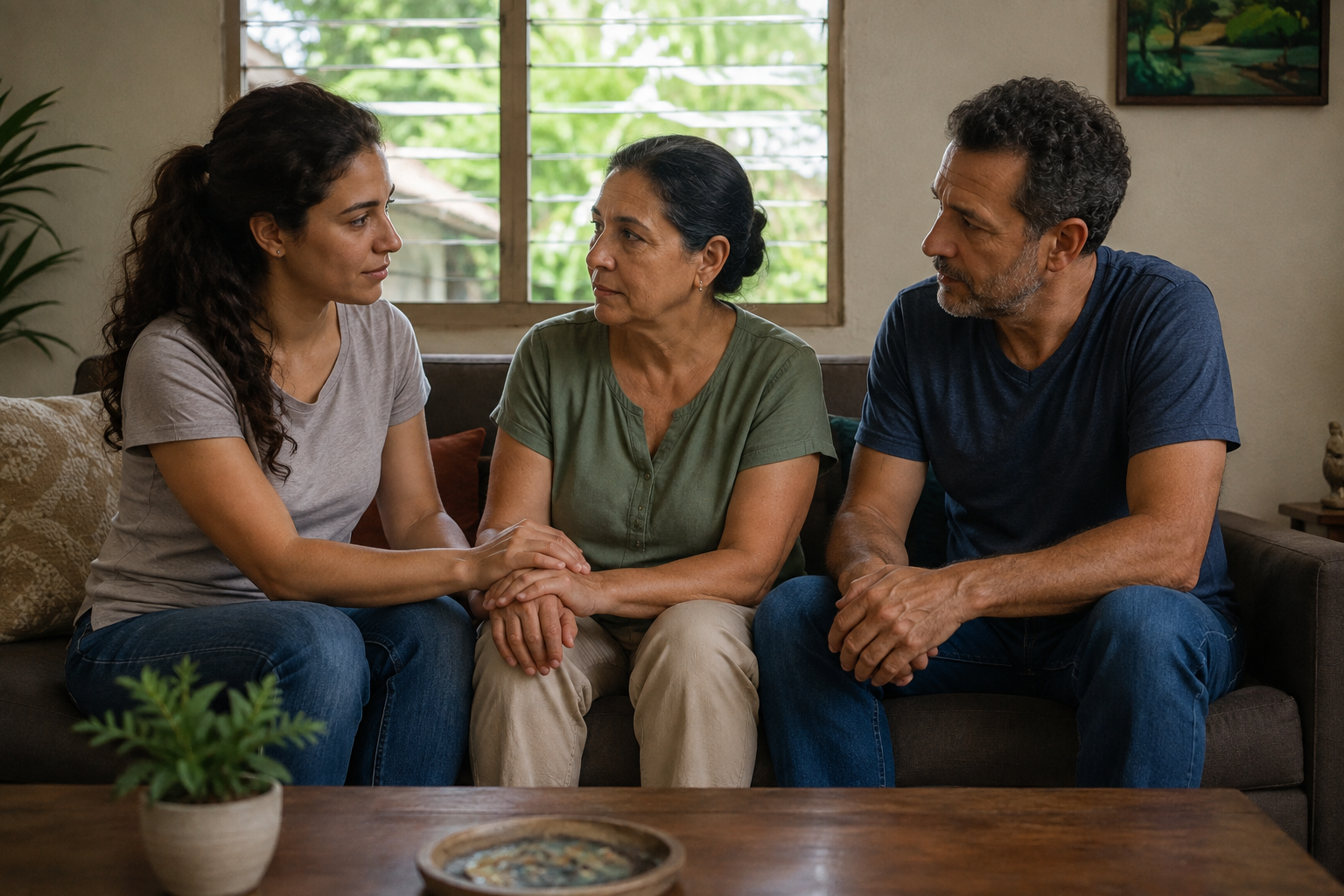
Family gathered together in Costa Rica

Costs

Figures from a survey of five funeral homes. These date from late 2022, so inflate for today:

ItemRange
Basic funeral service₡450,000 – ₡943,000
Cemetery plot₡900,000 – ₡2,900,000
Opening the niche₡450,000 – ₡500,000
Service + plot + openingfrom about ₡2.1 million
Annual maintenance₡24,000 – ₡35,000 (some charge none)
Cremationfrom about ₡450,000

Expat-facing providers quote considerably higher — US$5,000–8,000 for a traditional funeral, US$1,000–1,900 for cremation — because they are bilingual, full-service operations. Municipal and association-run funerarias are much cheaper than either.

Repatriating a foreigner’s remains

The sequence, in order:

  1. OIJ / Medicina Legal release
  2. Death inscribed with the Registro Civil
  3. Embalming — mandatory for international transport
  4. Sealed casket
  5. Ministry of Health transit authorisation, requiring a written request from a direct relative or diplomatic representative, the Registro Civil death declaration, a sworn declaration that the casket contains exclusively the remains of the deceased, the embalming certificate, and the Colegio de Médicos and Cruz Roja stamps
  6. Consular documentation
  7. Airline cargo booking

For US citizens the embassy issues a Consular Report of Death Abroad, which is the document US institutions will require. The embassy provides a list of local funeral homes and can help liaise — but the family pays everything. The US government does not fund repatriation.

Budget US$5,000–10,000 for casket repatriation to North America and considerably more to Europe. Cremation and carrying or shipping the ashes is dramatically cheaper, which is why most expat families choose it.

Insurance and prepaid plans

Prepaid funeral plans (planes de previsión funeraria) are widely sold by the main funeral chains, by cooperatives and by asociaciones solidaristas — typically small monthly premiums covering a defined package. Pre-planning is commonly said to save up to 25%. The INS and private insurers sell funeral-expense riders, and many Costa Ricans are covered through a workplace scheme.

For a foreign resident the practical advice is a plan with a bilingual provider, or an explicit written instruction plus earmarked funds — because the decisions have to be made within a day, usually by someone who is grieving and does not speak Spanish.

The velorio, and what to expect

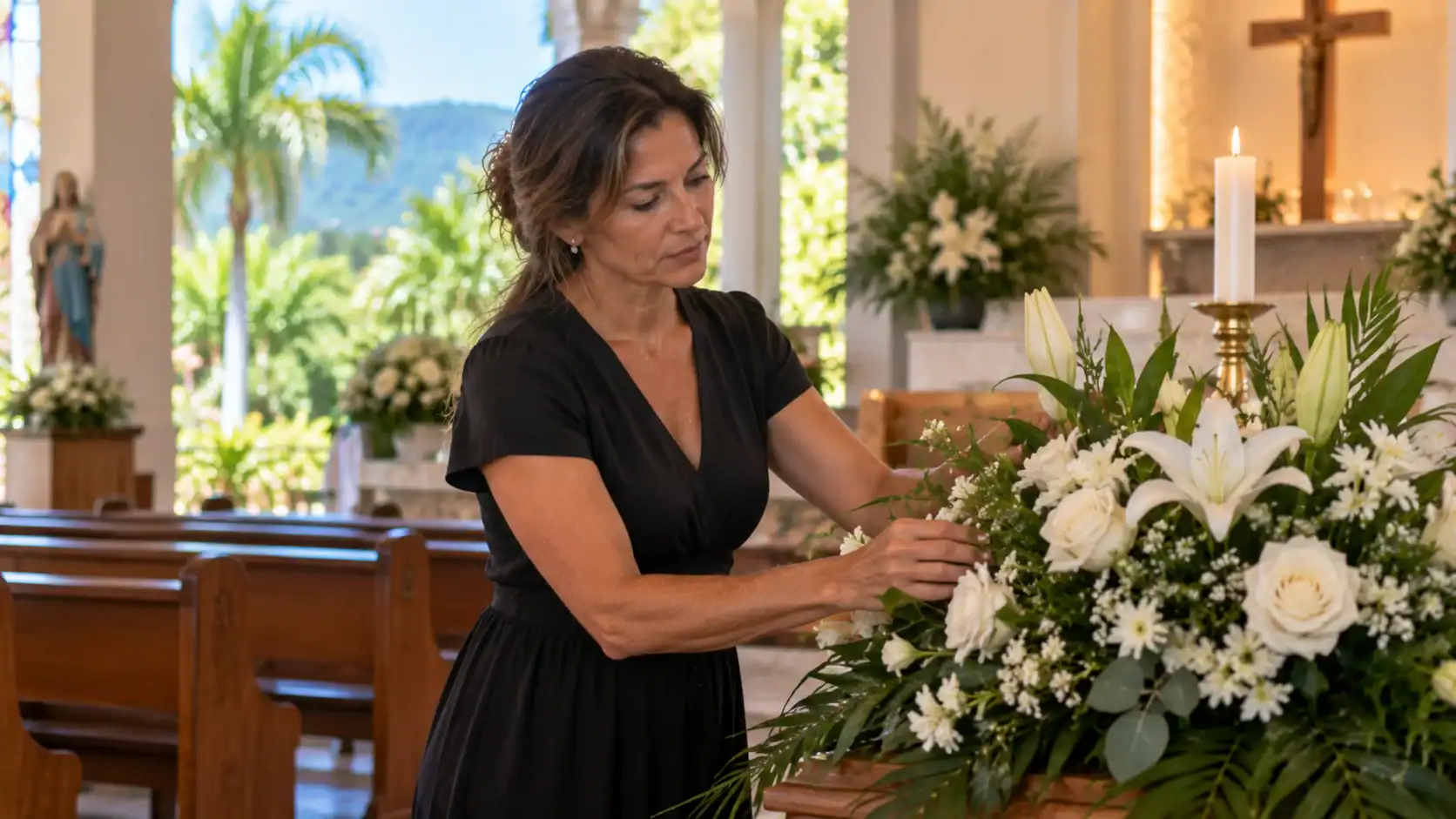
The velorio — the wake — is the centre of the event. A room of chairs and flowers, low conversation, family and neighbours arriving in waves through the evening and often through the night, with coffee and food provided.

Children are included, not shielded. Death is treated as ordinary rather than taboo, which many foreigners find unexpectedly good.

Burial follows, frequently with a procession on foot from the church or funeral home to the cemetery in smaller towns.

In Catholic families the novenario follows — nine consecutive evenings of prayer, usually the rosary, in the family home, closing with a mass. Anniversary masses continue after that.

If you are attending as a foreigner

  • Dark or neutral clothing
  • Greet the closest family first
  • Say “Lo siento mucho” or “Mi más sentido pésame”
  • No photographs
  • Bring flowers or food rather than nothing

Employers grant permiso por duelo. The community norm is that neighbours turn up — and turning up matters far more than what you say.

What to decide in advance

Given the speed of the process, three decisions are worth writing down and telling someone about, well before they are needed:

  1. Burial or cremation, and in which country
  2. Who has authority to instruct the funeral home — it must be a direct family member for cremation
  3. Where the money comes from, given that bank accounts may be frozen pending succession

It is an uncomfortable afternoon’s work that spares your family an impossible day.


Getting your affairs in order in Costa Rica

Legal residency simplifies a great deal for a surviving spouse — from bank access to succession. CRIE — Costa Rica Immigration Experts handles residency applications, renewals and citizenship.

See the residency options in Costa Rica, or get in touch.

General information, not legal advice. Requirements vary by municipality and change — confirm with the Registro Civil, the Ministerio de Salud or your embassy.

Thinking About Making Costa Rica Home?

Thousands of expats, retirees, and investors have made Costa Rica their permanent home. If you are considering residency, CRIE’s licensed immigration attorneys can walk you through your options — Pensionado, Rentista, Investor, or family-based — and handle every step of the process.

Schedule a free consultation with CRIE today.

Scroll to Top