
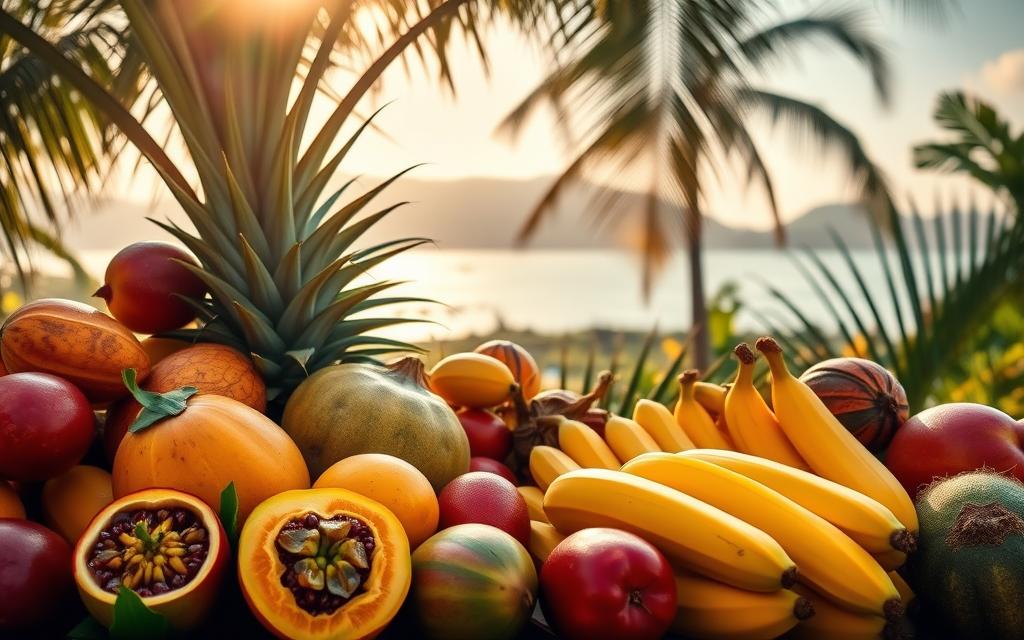
Costa Rica, known for its rich biodiversity and varied climate zones, is a paradise for fruit lovers. The country’s unique geography creates ideal conditions for growing a wide range of tropical fruits, from bananas and strawberries to more exotic varieties like passion fruit and dragon fruit.
Costa Ricans enjoy fruit in various ways, including as snacks, in smoothies, and as part of traditional breakfasts and desserts. Now, thanks to online retailers, it’s possible to taste the tropics without leaving your home. Fresh fruits from Costa Rica are now just a click away, offering a burst of tropical flavor and nutritional goodness directly to your doorstep.
The diverse climate and altitudes in Costa Rica contribute to the country’s status as one of the world’s premier fruit-producing regions, making its fruits a delight to savor.
The Tropical Fruit Paradise of Costa Rica
In Costa Rica, the combination of rich soil, ample rainfall, and tropical climate creates a perfect setting for a diverse range of fruits to flourish. This Central American country is not only known for its pristine beaches and lush rainforests but also for its numerous gardens that produce a wide variety of tropical fruits.
Why Costa Rica Is Perfect for Growing Tropical Fruits
Costa Rica’s unique geographical position between two oceans creates multiple microclimates that are ideal for growing a vast array of tropical fruits throughout the year. The country’s rich volcanic soil provides exceptional nutrients that contribute to the superior taste and quality of Costa Rican fruits compared to those grown elsewhere in the world. Annual rainfall patterns and consistent temperatures in different regions of Costa Rica allow for year-round cultivation of various fruit varieties, ensuring a constant supply.
The Cultural Significance of Fruits in Costa Rican Life
Fruits hold significant cultural importance in Costa Rica, with many local festivals and celebrations centered around seasonal fruit harvests. Costa Ricans incorporate fruits into nearly every aspect of their daily diet, from breakfast fruit plates to afternoon refreshments and desserts. Traditional Costa Rican cuisine features fruits in both sweet and savory applications, demonstrating their versatility and importance in the national food identity.
Where to Find fruit-from-costa-rica Online

For those seeking to indulge in the tropical flavors of Costa Rica, finding the right online source is crucial. The country’s rich fruit diversity is now accessible online through various channels.
Direct Importers and Specialty Stores
Several specialized online retailers now import fresh fruit from Costa Rica directly to consumers, maintaining cold chains throughout shipping to preserve quality and taste. Direct importers typically offer the widest selection of authentic Costa Rican fruits, often sourcing from small family farms that grow traditional and heirloom varieties. You can explore these options on websites like Costa Rica’s agricultural resources.
Seasonal Availability and Shipping Considerations
Seasonal availability affects which fruits can be shipped successfully, with certain varieties only available during specific months of the year. Shipping considerations include proper packaging to prevent bruising, temperature control during transit, and expedited delivery methods to ensure freshness. Online retailers often provide detailed information about each fruit type, including ripeness indicators, storage recommendations, and suggested ways to enjoy them.
Pre-order systems allow customers to reserve seasonal Costa Rican fruits in advance, ensuring they don’t miss limited harvests of particularly rare varieties. Some companies offer subscription boxes featuring a rotating selection of Costa Rican fruits, providing a convenient way to experience different tropical flavors throughout the year. Water content and perishability factors significantly influence which fruits can successfully withstand international shipping while maintaining their quality and flavor.
Exotic Bananas and Plantains: Beyond the Common Cavendish

Beyond the familiar Cavendish banana, Costa Rica boasts a rich assortment of exotic bananas and plantains. The country’s diverse climate and rich soil nurture these varieties, offering a unique taste experience.
Native Criollo Bananas: A Taste Unlike Any Other
Native Criollo bananas are a gourmet alternative to the standard export varieties. They offer a complex flavor profile with hints of apple and berries, making them highly sought after by fruit enthusiasts.
Plantains: The Versatile Cousin of Bananas
Plantains are available in both green and ripe forms, each offering different culinary applications in traditional Costa Rican recipes. Green plantains provide a starchy ingredient for savory dishes, while ripened plantains offer a sweet, caramelized flavor when cooked.
Costa Rica’s banana industry is not just about quantity; it’s also about variety. The country produces numerous banana types beyond the common Cavendish, including the smaller, sweeter native Criollo bananas. These specialty bananas are typically smaller and may have slight visual imperfections, but their superior taste makes them highly prized.
The versatility of bananas and plantains in Costa Rican cuisine is remarkable. From being a snack to being a key ingredient in various dishes, they play a significant role in the country’s culinary culture.
Tropical Delights: Pineapple and Mango Varieties
With its ideal climate and rich soil, Costa Rica has become a leading producer of tropical fruits like pineapples and mangoes. These fruits are not only enjoyed locally but are also exported worldwide, bringing a taste of the tropics to consumers globally.

Costa Rican Pineapples: The World’s Finest
Costa Rica is the world’s largest exporter of pineapples, accounting for more than 47% of global exports. The country’s unique volcanic soil and ideal growing conditions result in pineapples that are exceptionally sweet, juicy, and have a perfect balance of acidity. Specialty varieties like the Pinkglow™ pineapple are now available through select online retailers, offering a unique color and sweeter taste profile compared to traditional golden varieties.
The quality of Costa Rican pineapples is unmatched, making them a favorite among fruit enthusiasts worldwide. Online retailers are now able to deliver these high-quality pineapples directly to consumers, ensuring they arrive at optimal ripeness.
Mango Varieties: From Manga Tomi to Mango Pita
Mangos are another highly prized fruit in Costa Rica, with numerous varieties that are not commonly found in North American markets. The large, orange-red Manga Tomi and the smaller, kidney-shaped Mango Pita are among the popular varieties. Manga Tomi mangoes offer a sweet-tart flavor with a stringy texture, while Mango Pita varieties are milder and sweeter, making them ideal for smoothies and fresh consumption.
The mango season in Costa Rica runs from March through June, with different varieties reaching peak ripeness at various points during this period. Online retailers utilize specialized packaging and shipping methods to deliver these delicate fruits at their peak, often selecting them slightly underripe so they arrive in perfect condition.
Both pineapples and mangoes are not only delicious but also packed with vitamins and antioxidants. The optimal growing conditions in Costa Rica result in fruits with higher nutrient concentrations, making them a healthy addition to any diet.
Passion Fruits and Dragon Fruits: Exotic Treasures

In the lush landscapes of Costa Rica, you’ll discover an array of tropical treasures, notably the passion fruits and dragon fruits that have gained international acclaim. These fruits are not only a delight to the senses but also packed with nutrients.
Maracuyá and Granadilla: Two Faces of Passion Fruit
Costa Rica is home to two distinct varieties of passion fruit: maracuyá and granadilla. The maracuyá has a purplish-green, wrinkly exterior when ripe, while the granadilla boasts a harder, orange skin. Both contain a gelled pulp and black seeds, which are the edible parts of the fruit.
The pulp of maracuyá is a vivid orange, offering an intensely aromatic, sweet-tart experience. In contrast, granadilla’s pulp is nearly transparent, providing a milder, more delicate sweetness. The unique flavor profiles of these passion fruits make them versatile for various culinary uses.
Pitahaya: The Stunning Dragon Fruit of Costa Rica
The pitaya, or dragon fruit, is another magnificent tropical fruit grown in Costa Rica. The Costarricencis variety, named after its country of origin, is particularly striking with its bright pink skin and magenta flesh studded with small, edible black seeds.
Costa Rican dragon fruit is renowned for its visual appeal and subtle sweetness, making it an exotic treat and an impressive addition to fruit displays. The flesh is not only delicious but also rich in antioxidants, vitamins, and fiber, contributing to its status as a nutritional powerhouse.
Both passion fruits and dragon fruits from Costa Rica are celebrated for their vibrant colors, unique flavors, and high nutritional value. Online retailers have developed specialized packaging to protect these delicate fruits during shipping, ensuring they reach consumers in optimal condition.
Unique Costa Rican Natives: Cas and Guayaba
In the lush landscapes of Costa Rica, two fruits have gained particular prominence: cas, known for its tartness, and guayaba, celebrated for its sweet, aromatic flesh. Both are deeply ingrained in Costa Rican culture and cuisine, offering unique flavors that are quintessentially tropical.

Cas: The Distinctly Costa Rican Sour Guava
Cas, or the Costa Rican sour guava, is a fruit that embodies the country’s native flavors. This golfball-sized fruit changes from green to yellow as it ripens, retaining its tart flavor profile even when fully mature. The white flesh inside distinguishes it from its cousin, guayaba, which has pink flesh. Cas is a favorite among locals for its unique taste, making it an ideal ingredient for juices and beverages.
Cas juice is a staple in most Costa Rican restaurants, and its popularity has led to its availability in bottled and concentrated forms through specialty online retailers. The fruit’s exceptional vitamin C content, which can be up to five times that of oranges by weight, adds to its appeal.
Guayaba: Sweet Pink Tropical Treasure
Guayaba, or guava, is another fruit that thrives in Costa Rica and is known for its sweet and aromatic flesh. The fruit’s skin is typically light green and can be smooth or grainy, while the inner flesh ranges from white to deep pink, depending on the variety. Guayaba’s distinctive tropical fragrance makes it a cherished fruit among locals and visitors.
Like cas, guayaba is rich in vitamin C and is enjoyed in various forms, including fresh and frozen products. Online retailers now offer flash-frozen guayaba pulp, allowing international customers to experience the authentic taste of Costa Rica’s tropical treasures.
Lesser-Known Tropical Gems
Costa Rica is home to a diverse array of tropical fruits, including some lesser-known gems that are worth discovering. While many are familiar with popular fruits like bananas and mangoes, there are several unique varieties that offer exciting flavors and textures.

Mamón Chino (Rambutan): The “Chinese Sucker”
The Mamón Chino, also known as Rambutan, is a fruit with a hairy red exterior that protects translucent, grape-like flesh with a delicate sweet-tart flavor. Costa Rican Rambutans have adapted to local growing conditions, resulting in subtle flavor differences that connoisseurs appreciate. This exotic snack is now available through specialty online retailers, offering a taste of Costa Rica’s unique biodiversity.
Guanábana (Soursop): Creamy Tropical Superfood
Guanábana, or Soursop, is a large, spiky green fruit with creamy white flesh that combines flavors of strawberry, pineapple, and banana. This tropical superfood is rich in vitamin C and unique antioxidants, making it a popular choice for smoothies and drinks. The frozen pulp of Guanábana is available online, allowing consumers to enjoy its health benefits year-round.
Pejibaye (Peach Palm Fruit): A Versatile Delicacy
Pejibaye, or Peach Palm Fruit, is one of Costa Rica’s most versatile native fruits. Traditionally boiled and served with mayonnaise as a savory snack, it is also used in sweet applications. These small orange-red fruits contain complex carbohydrates and proteins, making them nutritionally distinct from most other tropical fruits.
Caimito (Star Apple): Nature’s Ice Cream
Caimito, or Star Apple, features a distinctive purple exterior and milky white flesh that has earned it the nickname “nature’s ice cream” due to its creamy texture and sweet flavor. When cut horizontally, the Star Apple reveals a star-shaped seed pattern, making it both visually interesting and delicious. This unique fruit is a testament to Costa Rica’s rich fruit diversity.
These lesser-known tropical gems from Costa Rica are increasingly available through specialized online importers who work directly with small producers. Each of these fruits offers unique culinary possibilities, from the refreshing snack quality of Mamón Chino to the smoothie potential of Guanábana and the versatile applications of Pejibaye.
Coconuts and Cacao: The Foundation of Tropical Flavors

In Costa Rica, coconuts and cacao are not just fruits; they are the foundation upon which many traditional flavors are built. Coconuts, or cocos, are abundant in Costa Rica, with ripe coconuts called coco playero being full of delicious, thick pulp. The contents of a coconut are used to make various products like coconut milk, coconut oil, and dried shaved coconut.
Coconut Varieties: From Pipa Fría to Coco Playero
Costa Rica produces several distinct varieties of coconuts, including young green coconuts (pipa fría) prized for their refreshing water and mature brown coconuts (coco playero) valued for their thick, flavorful meat. The coconut water from Costa Rican pipas is now available through online retailers in both fresh and pasteurized forms, offering an authentic tropical refreshment experience. Often, this coconut water is served with a squeeze of lime, enhancing its refreshing qualities.
Cacao: The Sacred Seed of Chocolate
Costa Rican cacao represents one of the country’s most historically significant fruits, with the seeds serving as currency in pre-Columbian times before becoming the foundation of chocolate. Unlike mass-produced cacao, Costa Rican varieties offer complex flavor profiles with notes of fruit, spice, and flowers that reflect the specific growing regions within the country. Specialty online retailers now offer fermented and dried cacao beans from specific Costa Rican growing regions, allowing chocolate enthusiasts to experience these unique flavor profiles.
Both coconuts and cacao play integral parts in Costa Rican culinary traditions, with regional variations in preparation methods reflecting local preferences. Innovative producers have found ways to preserve and ship the fresh cacao fruit pulp, enabling people to experience this tropical delicacy the way locals enjoy it.
Health Benefits of Costa Rican Tropical Fruits
Costa Rican tropical fruits are renowned for their exceptional nutritional value and numerous health benefits. The unique combination of Costa Rica’s optimal growing conditions, rich soil, and abundant sunshine results in fruits that are exceptionally rich in vitamins, minerals, and antioxidants.

Nutritional Powerhouses
Costa Rican tropical fruits are packed with vitamins and antioxidants. Fruits like soursop (guanábana) and noni are known for their medicinal properties. Soursop, for instance, is rich in vitamin C and contains antioxidants such as phytosterols, tannins, and flavonoids. These compounds contribute to the fruit’s potential health benefits, including its ability to support immune function.
- Costa Rican fruits are rich in vitamins and antioxidants due to their optimal growing conditions.
- Soursop contains unique compounds like acetogenins, which have shown promising results in preliminary health research.
- The vibrant colors of these fruits indicate their rich phytonutrient content, which supports various bodily systems.
Digestive Health and Immune System Support
The high fiber content in many Costa Rican tropical fruits supports digestive health by promoting beneficial gut bacteria and regular elimination. Fruits like passion fruit, guava, and dragon fruit are not only delicious but also contribute to a healthy digestive system. Additionally, the natural enzymes present in these fresh fruits can aid digestion when consumed with meals.
- Costa Rican coconut water provides a natural source of electrolytes, supporting hydration.
- Many people incorporate these fruits into their diets through smoothies, boosting immune function and overall health.
- Frozen fruit pulps retain most of their nutritional benefits, making them a convenient way to access these superfoods year-round.
By incorporating Costa Rican tropical fruits into their diet, people can enjoy a delicious way to support their overall health and well-being.
Bringing the Taste of Costa Rica to Your Home
Costa Rica’s tropical flavors are now just a click away, thanks to online retailers shipping fresh fruits worldwide. This development allows people to bring a taste of Costa Rica into their homes, enjoying the country’s diverse fruits in various ways, from savoring them as a snack to blending them into smoothies and juices.
Fresh Costa Rican fruits can elevate ordinary meals into exotic culinary experiences. For instance, incorporating these fruits into breakfast fruit plates or using them to make refreshing juices and smoothies is a great way to start the day. Online retailers provide seasonal availability guides, making it easier for customers to plan their purchases and enjoy their favorite fruits at their peak flavor.
To explore more about Costa Rica’s rich fruit culture, visit https://crie.cr/fruits-in-costa-rica/. By embracing the unique flavors and preparations of Costa Rican fruits, you can add a tropical twist to your meals and drinks, making every day feel like a special occasion.
Article by Glenn Tellier (Founder of CRIE and Grupo Gap)
Don't wait, contact us right now!
Call or WhatsApp Costa Rica +506 8373 2085 or +506 8706 3888
Call USA/Canada +1 305-906-6784