
Planning a trip to Costa Rica can be exciting, but understanding the local food prices is crucial for a stress-free vacation.
The cost of meals in Costa Rica varies significantly depending on where and what you choose to eat. Dining at local “sodas” can be affordable, while high-end restaurants catering to international tourists can be more expensive.
For travelers, daily food expenses can range from $118 to $170 for two people, depending on lodging quality and dining preferences. Understanding the costs associated with different types of cuisine and dining establishments is essential for budgeting effectively.
This guide will explore the factors affecting food costs in Costa Rica, providing valuable insights for visitors to make informed decisions about their dining experiences.
Understanding Food Costs in Costa Rica
Understanding the dynamics of food costs in Costa Rica requires examining multiple influences. The cost of living in Costa Rica can vary significantly based on lifestyle and location. Food prices in the country can be higher compared to the U.S., Canada, and Europe, often surprising newcomers with the higher costs.
Factors Affecting Food Prices
Several factors contribute to the fluctuation of food prices in Costa Rica. Location plays a crucial role, with coastal and tourist-heavy areas like Guanacaste and Manuel Antonio typically having higher food costs than inland regions. Seasonality also affects prices, with costs rising during the high tourist season from December to April. Additionally, import taxes and the type of establishment influence food prices, with imported products and international cuisine commanding premium prices.
- Location and seasonality are key factors in determining food prices.
- Import taxes and establishment type also play significant roles.
- Tourist areas tend to have higher prices than local neighborhoods.
The Impact of Tourism on Food Costs
Tourism has significantly impacted food costs throughout Costa Rica, creating a dual pricing structure in many areas. Restaurants in tourist zones often charge 30-50% more for the same dishes compared to local eateries. This increase affects not only tourists but also locals, making traditional dishes more expensive for everyone. Understanding the relationship between tourism and food prices can help travelers find more authentic and affordable dining experiences.
The growing expatriate community has also influenced food costs by creating demand for international products, contributing to price increases in certain areas. However, local agricultural practices and sustainability initiatives are working to maintain affordable food options despite the increasing tourism pressure.
Average Meal Costs at Different Establishments
The cost of meals in Costa Rica varies significantly depending on the type of establishment. Travelers can choose from a range of dining options, including local “sodas,” tourist restaurants, fine dining establishments, and street food vendors.
Local “Sodas” vs. Tourist Restaurants
Local “sodas” offer the most affordable dining option in Costa Rica, with complete meals (casados) typically costing between $5-10 per person, including tax and service. For example, a typical casado at a soda can cost around 4,500 – 7,500 colones ($8 – 15 USD). In contrast, tourist restaurants in popular destinations charge significantly more, with average lunches costing $14-20 and dinners ranging from $20-40 per person. According to data from food price analysis, the average dinner at a tourist restaurant can cost around 11,000 – 23,000 colones ($20 – 40).

Fine Dining and Upscale Options
Fine dining and upscale restaurants in Costa Rica offer international cuisine and gourmet experiences, with prices starting at $30 per person and potentially exceeding $100 for tasting menus with wine pairings. These establishments provide a sophisticated dining experience, often with a focus on high-quality ingredients and exceptional service.
Street Food and Market Prices
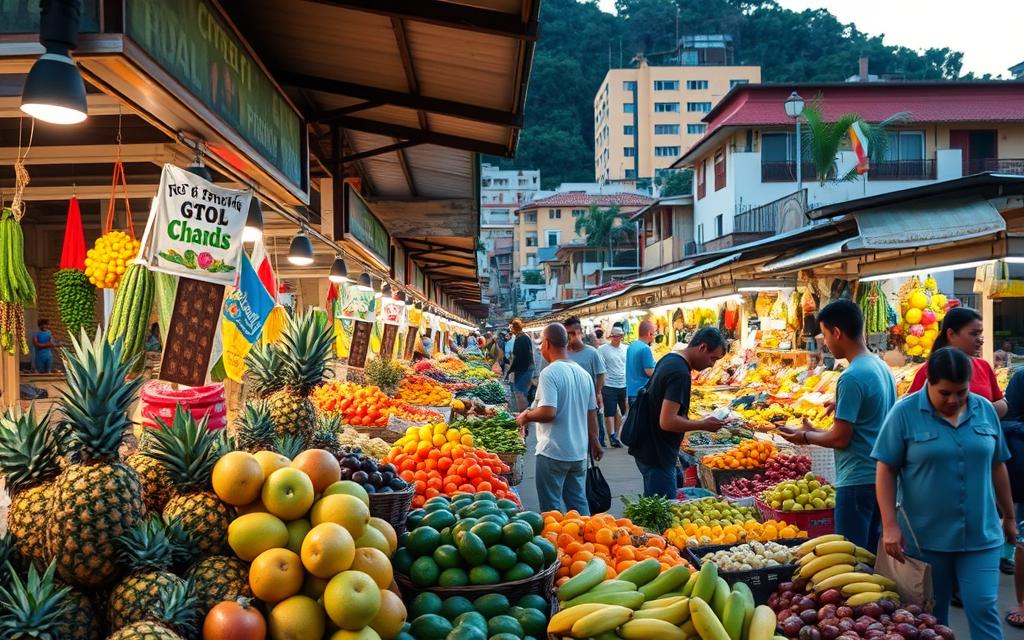
Street food provides an affordable and authentic culinary experience, with items like empanadas, tamales, and fresh fruit typically costing $1-5. Local markets also offer a range of dining options, with food stalls serving meals for $5-10 that showcase regional specialties and fresh ingredients. For budget-conscious travelers, these options provide an excellent way to experience the local cuisine without breaking the bank.
Typical Costa Rican Dishes and Their Costs

Costa Rica’s culinary landscape is a vibrant reflection of its culture, with a variety of traditional dishes that are both affordable and delicious. The country’s cuisine is characterized by its simplicity, freshness, and rich flavors, often featuring a mix of rice, beans, vegetables, and meat.
Popular Dishes: Casado, Gallo Pinto, and More
Costa Rica is home to a range of iconic dishes that are not only flavorful but also budget-friendly. The Casado, a staple dish consisting of rice, beans, protein, plantains, and salad, typically costs between $5-10 at local “sodas” or eateries. Gallo Pinto, a traditional breakfast dish made from rice and beans with spices, is another affordable option, costing around $3-6 when served with eggs, cheese, and plantains.
Other popular dishes include Chifrijo, a layered dish of rice, beans, and fried pork rinds, and Olla de Carne, a hearty beef and vegetable stew. These meals are not only delicious but also offer great value for money, with prices ranging from $4-9.
Regional Specialties and Their Price Points
Costa Rica’s diverse regions offer a range of unique culinary specialties. In Limón, Caribbean-influenced dishes featuring coconut milk and spices are prevalent, while Guanacaste is known for its corn-based dishes. Seafood specialties are common along both coasts, with ceviche being a popular choice, priced between $5-12 in coastal areas and $8-15 inland.
Understanding the regional specialties and their price points can help travelers enjoy the local cuisine while staying within their budget. Vegetarian options like Casado Vegetariano are widely available and typically cost between $4-8, making them a great value for plant-based travelers.
Grocery Shopping in Costa Rica
Costa Rica offers various grocery shopping options that cater to different budgets and preferences. The country’s diet focuses on affordable foods such as rice, beans, vegetables, fruits, and chicken, making grocery shopping a manageable task.
Supermarket Prices vs. Local Markets
Grocery shopping in Costa Rica can be done at various supermarkets like Más por Menos, Palí, and Automercado, which offer different price points and product selections. However, local farmers’ markets (ferias) provide the best value for fresh produce, with prices typically 30-50% lower than supermarkets. Shopping at local markets not only saves money but also offers significantly fresher products.
For instance, staple foods like rice and beans are relatively affordable, with a month’s supply for one person costing approximately $10-15 at local markets. In contrast, imported items command premium prices due to import taxes.
Cost of Fresh Produce and Staples
Fresh tropical fruits and vegetables are abundant and affordable in Costa Rica, especially when purchased in season at local markets. A week’s supply can cost between $10-20 for one person. Meat prices vary, with chicken being the most affordable protein at approximately $3-5 per pound.
Seafood is reasonably priced in coastal areas but costs more inland. Shopping at municipal markets (mercados) combines affordability with cultural experience, offering competitive prices on produce and household items. A typical monthly grocery budget for one person can range from $200-400, depending on dietary preferences and shopping habits.
Beverage and Alcohol Costs
The cost of drinks in Costa Rica can vary significantly based on whether you’re dining at a local “soda,” a tourist restaurant, or enjoying drinks at a beach bar. Understanding these costs is essential for travelers looking to manage their expenses effectively during their stay in Costa Rica.
Coffee, Juices, and Soft Drinks
Costa Rica is renowned for its high-quality coffee, with local cafés charging between $1.50 to $3 for a cup. In contrast, tourist establishments may charge $3 to $5 for the same product. Fresh fruit juices, known as “refrescos” or “batidos,” are another affordable option, priced between $2 to $4. Soft drinks and bottled water are similarly priced to what one would expect in the United States, with a 20-ounce bottle of water costing around $1.50. For more detailed information on food prices in Costa Rica, you can visit this resource.

Beer, Wine, and Cocktail Prices
Local beers such as Imperial and Pilsen are priced between $2 to $4 at local establishments and $3 to $6 at tourist restaurants. Craft beers command a premium, costing $5 to $8 per bottle. Wine is relatively expensive due to import taxes, with bottles starting at $20 to $25 in restaurants. Cocktails at beach bars and tourist establishments range from $6 to $12, though happy hour specials can offer significant discounts.
Saving on Drink Expenses
To save on drink expenses, consider purchasing alcohol from supermarkets or liquor stores for consumption at your accommodation, which can reduce costs by 50-70% compared to buying at restaurants or bars. Additionally, taking advantage of happy hour specials, typically available between 4 to 7 PM, can reduce beverage expenses by 30-50%. It’s also advisable to clarify if restaurants charge for refills on soft drinks to avoid unexpected charges.
Budgeting for Food Costs in Costa Rica
To make the most of your Costa Rican adventure, it’s essential to budget for food costs. Understanding the expenses associated with dining in Costa Rica can help travelers plan their trip more effectively.
Daily Food Budget for Backpackers
Backpackers and budget travelers can survive on $15-25 per day for food by focusing on local “sodas,” street food, and preparing simple meals at hostels when kitchen facilities are available. A typical day might include a $3-5 breakfast at a local bakery or soda, a $5-8 lunch at a market or small restaurant, and a $7-12 dinner at a local establishment. By opting for these affordable options, backpackers can enjoy the local cuisine while keeping their expenses in check.
Mid-Range Travel Food Expenses
Mid-range travelers should budget $30-50 per person daily, allowing for one or two meals at tourist-oriented restaurants while balancing with more affordable local options. For example, breakfast at a cafe might cost between $7 to $12, lunch at mid-range restaurants could range from $10 to $20, and dinner at better restaurants might be between $20 and $35. This budget allows for a mix of dining experiences.

Luxury Dining Budget
Luxury travelers typically spend $75-150+ per person daily on food and beverages, enjoying fine dining experiences, premium wines, and specialty cocktails at upscale establishments. All-inclusive resorts offer predictable food costs but generally at a premium compared to independent dining.
Tips for Saving Money on Food
To save money on food in Costa Rica, consider sharing larger portions, which are common in Costa Rica, and seek out restaurants offering “menú infantil” (children’s menu) options for families. Apartment or villa rentals with kitchen facilities can also significantly reduce costs through self-catering. Additionally, taking advantage of happy hours for discounted drinks and appetizers can help reduce expenses. Being mindful of the 10% service charge and 13% tax added to menu prices can also help in planning the food budget.
Conclusion
The cost of food in Costa Rica varies significantly depending on the region, type of establishment, and season. This guide has provided valuable insights into the different factors that affect food prices, helping travelers plan their culinary adventures.
Local “sodas” offer the best value for authentic Costa Rican cuisine, with meals available for $5-10. Understanding the dual pricing structure between tourist-oriented and locally-focused establishments is crucial for making informed dining choices. For those staying in accommodations with kitchen facilities, grocery shopping at local markets provides both cultural immersion and significant cost savings.
Costa Rica’s diverse culinary landscape caters to various budgets, from $15 daily for backpackers to $150+ for luxury travelers. By adopting strategic meal planning, such as eating the largest meal at lunch and taking advantage of happy hours, travelers can maximize both value and culinary exploration. With thoughtful planning and local knowledge, visitors can enjoy Costa Rica’s rich culinary heritage without exceeding their budget, creating memorable dining experiences that enhance their overall visit to this beautiful country.
Article by Glenn Tellier (Founder of CRIE and Grupo Gap)
Don't wait, contact us right now!
Call or WhatsApp Costa Rica +506 8373 2085 or +506 8706 3888
Call USA/Canada +1 305-906-6784