
Navigating the immigration landscape in Costa Rica can be complex. If your residency application has been denied, it’s essential to understand the reasons behind it. This knowledge is the first step toward correcting your legal status in the country.
At CRIE, we have been assisting individuals and families with residency and immigration for over 20 years. Our experience enables us to provide valuable insights to help you manage your application process effectively. We aim to educate you on the residency requirements, minimizing the chances of making common mistakes that lead to rejection.
While we cannot guarantee outcomes, our extensive experience helps guide you through the necessary steps to address your denied application. If you want to learn more about your options, consider visiting our residency assessment page.
Understanding Residency Application Denials in Costa Rica
Familiarity with the residency application landscape in Costa Rica can greatly influence your outcome. Many applicants find themselves facing denials for various reasons. Understanding these reasons is essential for anyone looking to navigate this complex process.
One common issue leading to rejection is incomplete paperwork. Applicants often misunderstand the specific residency type they are pursuing within the Costa Rica system. Additionally, the Costa Rica Immigration Department (DGME) has been dealing with a backlog of 38,000 pending applications, which can sometimes cause administrative errors.
Many applicants fail to meet strict financial or documentation requirements set by immigration authorities. Furthermore, there is a misconception that all residency applications are processed at the same speed. This is not the case, as processing times can vary significantly based on the specific category and current system load.
Reviewing Your Documentation and Eligibility
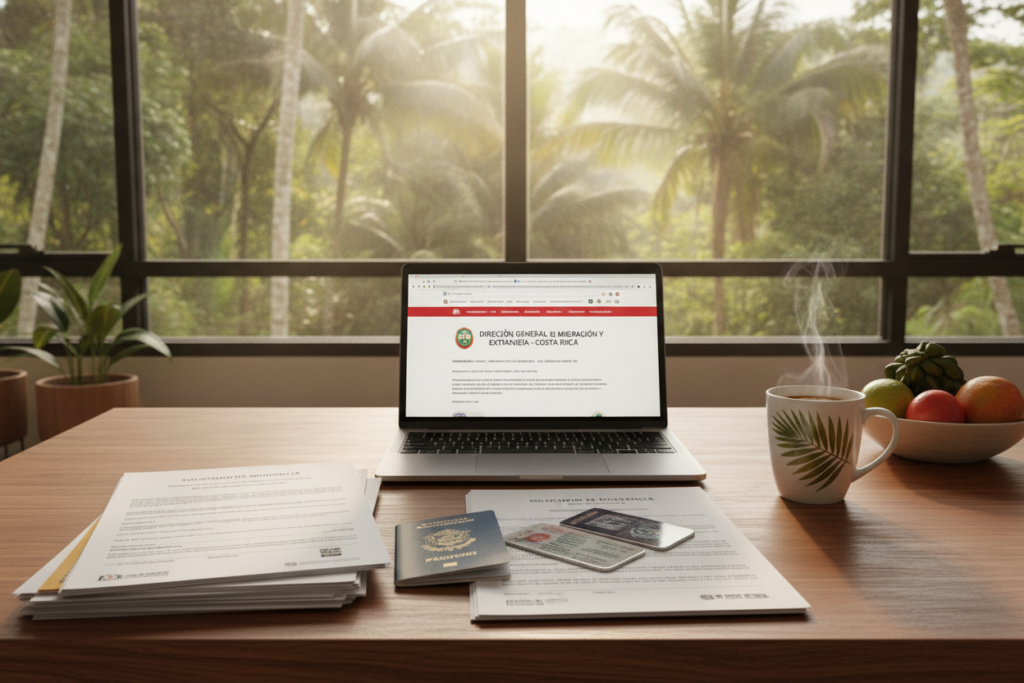
A thorough review of your documentation can significantly impact your residency application outcome. Each residency type in Costa Rica has specific requirements that must be met. Understanding these can help you avoid common pitfalls.
To qualify for investor residency, you need to demonstrate a financial commitment of at least USD$150,000 in the Costa Rican real estate market. For those seeking pensionado residency, proof of a fixed monthly income of at least USD$1,000 is essential. Digital nomads must meet a specific income requirement of USD$3,000 per month to be eligible for that particular residency type.
Your documentation must include a valid passport, a birth certificate, and proof of income, such as tax records, to satisfy the residency requirements. Every document must be current and properly authenticated. Missing or outdated information can lead to a denial of your residency application.
For more detailed information on investor residency, visit our investor residency page.
Effective Ways to fix-denied-residency-costa-rica
Organizing your residency application documents is crucial for a successful reapplication. Learning from past failures, like the dysfunctional Tramite Ya! system, can guide you in this process.
To ensure your residency application is complete, we recommend creating a meticulous checklist for every document. This helps avoid any oversight that could lead to rejection.
If your application faced rejection, it’s essential to review the specific reasons given by the authorities. Addressing these concerns in your new documentation can make a significant difference.
Proper organization of your paperwork not only improves processing speed but also reduces the likelihood of errors within the Costa Rica immigration system. Ensure every document is translated and apostilled correctly for a clear and professional application.
For more tips on document preparation, check out our guidelines on document preparation.
Navigating the Legal Process with Caution

Understanding the legal intricacies of residency in Costa Rica is essential for success. The process has evolved, especially after President Chaves eliminated the restrictive appointment system. This change has improved access to immigration services for many applicants.
DGME has up to three months to resolve once all requirements are met (Article 27 of the Reglamento de Extranjería), and no adviser can promise a date. However, navigating the immigration process requires caution. You must comply with current laws and respond promptly to any requests from authorities.
It is advisable to seek professional guidance when facing complex legal hurdles. Understanding the nuances of the residency process can be challenging without expert help. Additionally, maintaining a proactive stance by regularly checking your status with the authorities keeps you informed throughout your application.
Avoiding Common Pitfalls in the Immigration Process
In the journey of securing residency in Costa Rica, avoiding common mistakes is vital. The immigration system is currently strained, with over 560,000 people passing through the country in 2023. This high volume can lead to delays and unexpected issues in your application process.
Unexpected setbacks, such as changes in law or resource allocation, can affect your residency status and the time required for your case. Therefore, it is essential to ensure that your income documentation and birth certificates are accurate and complete. This helps prevent common pitfalls that could lead to rejection.
Even if your case experiences delays, you may still have the legal right to stay in the country for more than six months. We encourage you to focus on the beauty of Costa Rica while navigating these immigration issues with patience and professional support.
Embracing a New Start in Costa Rica
Embarking on the path to residency in Costa Rica opens doors to a vibrant lifestyle. Securing residency is a rewarding journey that allows you to embrace the culture and beauty of this incredible country.
Each residency application is unique, influenced by your nationality and personal circumstances. This makes personalized guidance essential for your success. We encourage you to speak with Johanna Alvarez, our CRIE immigration expert, to discuss your specific case.
For more information about pricing and next steps, please contact us via WhatsApp at +506 8373 2085 or email info@crie.cr. You can also visit our website at crie.cr for additional details on our services and the residency process.

FAQ
What are the common reasons for residency application denials in Costa Rica?
Applications can be denied for various reasons, including incomplete documentation, failure to meet income requirements, or discrepancies in submitted information. Understanding these factors can help us improve our chances of success in future applications.
How can we review our documentation to ensure eligibility?
It’s essential to gather all necessary documents, such as proof of income, tax records, and identification. We should also verify that all documents are current and correctly formatted to avoid delays or rejections.
What steps can we take to strengthen our reapplication?
Organizing our paperwork meticulously is crucial. We can create a checklist of required documents and ensure everything is complete and accurate before resubmitting our application.
How long does the residency application process typically take?
The processing time can vary, but it usually takes several months. We should be prepared for potential delays and remain patient throughout the process.
When should we consider seeking professional help with our application?
If we encounter persistent issues or complex legal matters, consulting an immigration attorney or specialist can provide valuable guidance and increase our chances of a successful application.
What are some common pitfalls we should avoid during the immigration process?
We should be cautious about submitting incomplete applications, missing deadlines, or failing to follow up on our application status. Staying organized and informed can help us navigate these challenges effectively.
How can we embrace a new start in Costa Rica after our residency is approved?
Once we obtain residency, we can immerse ourselves in the local culture, explore the beautiful landscapes, and build connections within the community. Embracing this new chapter can lead to a fulfilling life in Costa Rica.
For other urgent situations, such as an expired DIMEX, Caja debts or a letter from Migración, see 17 residency problems to fix fast.