Traveling to Costa Rica can be an exciting adventure. However, many people overlook the complexities involved in maintaining legal residency. For over 20 years, we at CRIE have helped individuals and families navigate this intricate landscape. Our goal is to provide clear and factual information to ensure you make informed decisions.

Frequent border crossings may seem like a quick fix to reset your tourist status. Yet, this approach often ignores the long-term stability that comes with legal residency. Understanding the legal implications of your entry status is crucial. It’s the first step toward building a secure life in this beautiful country.

In this guide, we will explore the risks associated with border travel in Costa Rica. We aim to shed light on why relying on such a strategy is not a sustainable plan for your future.

Understanding Border Runs in Costa Rica

Exploring the concept of border runs in Costa Rica reveals important legal nuances. A border run typically involves leaving the country and re-entering shortly after. This process is aimed at resetting the 180-day tourist visa clock that authorities allow.

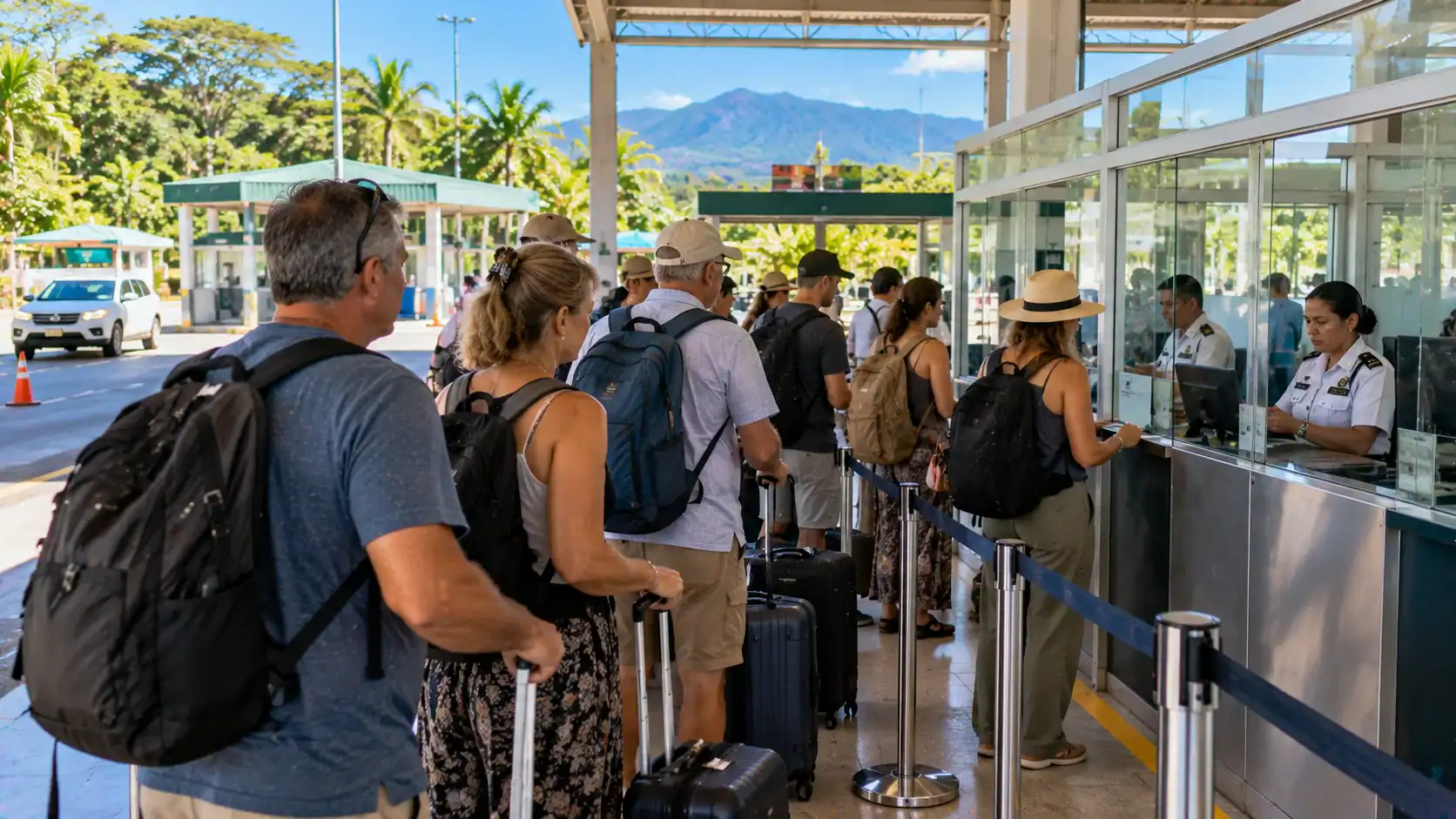
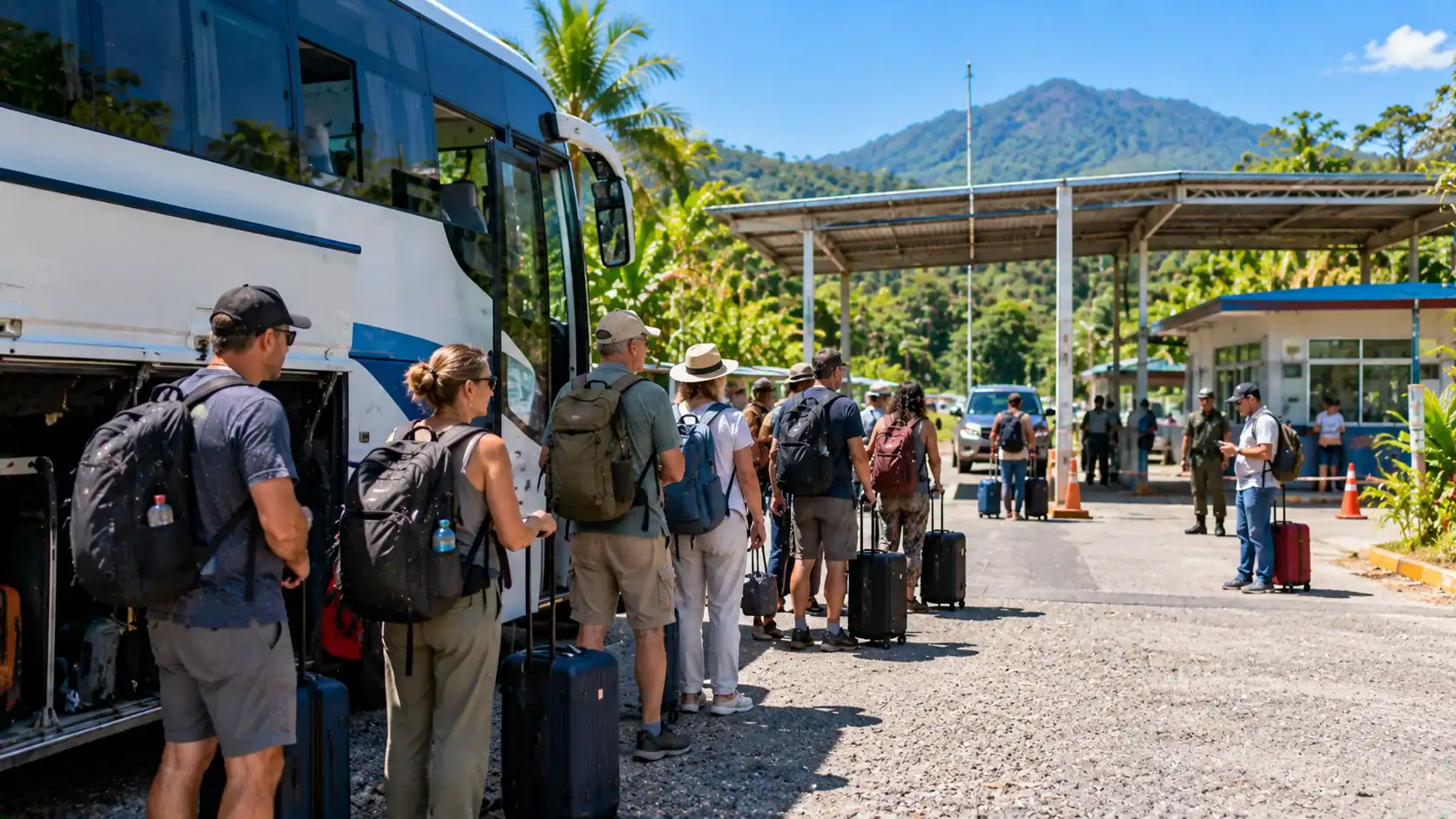
Many travelers head to the borders of Nicaragua and Panama for this purpose. They hope to extend their stay without going through the formal residency application process. However, it’s essential to note that immigration officials are becoming more vigilant about these frequent crossings.

Relying on border runs can create a precarious situation. Your ability to stay in Costa Rica may depend on the discretion of the border officer. We emphasize that this method should not replace the legal residency process, as it can lead to significant uncertainty for your future.

Risks and Consequences of Border Runs

The allure of border runs can mask serious risks for tourists in Costa Rica. Engaging in frequent border crossings places you in a legal gray area. Immigration officers may deny your entry if they suspect you are abusing your tourist status.

Financially, the costs of these trips can add up quickly. Transportation expenses and potential legal fees often exceed what you would spend on a formal residency application. Additionally, if you overstay your allowed time, you risk facing heavy fines, deportation, and even a permanent ban from entering Costa Rica.

Moreover, the constant stress of planning your next border trip disrupts your daily life. This instability can prevent you from establishing a secure situation in your new home. We have seen many tourists encounter unexpected challenges at the border that could have been avoided by pursuing a clear legal path from the start.

The Challenge of Maintaining Residency Without Legal Status

Navigating life in Costa Rica without legal residency can be quite challenging. Living without this status means you miss out on the formal system, which is crucial for managing your business and personal affairs.

Many people find their daily routines hindered by the inability to sign official documents or access essential services that require formal identification. Without legal status, you are essentially a guest who can be asked to leave at any time, creating a fragile foundation for your future.

We encourage you to think about how much easier your life would be without the constant worry of your next immigration check. Establishing a legal presence is vital to ensure you are fully protected and integrated into the local community and economy.

Navigating Entry and Exit Requirements

A detailed and inviting scene depicting the "Costa Rica Entry and Exit Requirements." In the foreground, a diverse group of travelers, casually dressed, is engaging with an official at a bustling border checkpoint. Each traveler, showing a variety of backgrounds, holds their passports and documents, reflecting a sense of anticipation and curiosity. In the middle ground, a colorful Costa Rican flag flutters next to a signboard illustrating entry requirements, such as visa, valid passport, and return ticket. The background features lush greenery and vibrant tropical plants, typical of Costa Rica's landscape, bathed in warm, natural light. The overall atmosphere conveys a friendly and welcoming environment, inviting viewers to explore the country's entry and exit processes with ease.

Understanding the entry and exit requirements for Costa Rica is vital for a smooth travel experience. When traveling, having the right documents is essential. You must present a valid passport for the duration of your stay and proof of onward travel, such as a return ticket by air or land.

Non-U.S. citizens need to provide valid travel documents that prove their permission to re-enter the United States. This is crucial for avoiding complications at the border.

To help you navigate this process, consider the following tips:

  • Keep your passport and proof of onward travel organized and accessible.
  • Be aware that immigration authorities strictly enforce entry and exit rules.
  • Letters of extension or re-entry permits from the USCIS will not be accepted.
  • Have proof of yellow fever vaccination if arriving from specific countries.
  • Double-check all paperwork before traveling to meet current government standards.

Proof and Documentation for Residency Applications

Gathering the right documents is crucial for your residency application in Costa Rica. There are various residency categories, including pensionado, rentista, and inversionista. Each category requires specific proof of income or investment.

A successful residency application demands a complete set of documents. This includes apostilled background checks and vital records from your home country. You must provide clear proof of your financial situation, whether through a pension, steady income, or a qualifying investment in the country.

Working with a professional ensures that your file adheres to the letter of the law. They can help include all necessary translations and legal certifications. We assist you in organizing your documents into a single vault, ensuring that every piece of evidence is ready for the immigration authorities to review.

Having a well-prepared application is the most effective way to move through the process without unnecessary delays or requests for more information.

Impact on Access to Healthcare and Social Services

Access to healthcare in Costa Rica significantly improves with legal residency. Legal residents can utilize the Caja Costarricense de Seguro Social (CCSS), the public healthcare system. This system provides essential healthcare coverage for families living in the country.

While private hospitals offer care, they often require upfront payment or proof of insurance before treatment. This can lead to unexpected costs for those who are not prepared. Relying on the public system ensures that you have a safety net for medical needs, which is vital for long-term stability.

We advise all our clients to prioritize their health by securing a status that allows them to utilize both public and private medical services. Without residency, you may find yourself in a difficult situation if urgent medical attention is needed and you lack the proper documentation for the system.

Legal Residency Versus Border Hops

Securing legal residency in Costa Rica offers a pathway to peace of mind. This status protects you from the constant fear of deportation or legal complications. By choosing residency, you create a stable foundation for your life in this beautiful country.

Frequent departures disrupt your ability to build a home. You will find yourself constantly focused on the next time you must leave the country. Residents enjoy the freedom to travel and return without the anxiety of being denied entry at the border.

We believe that the peace of mind gained from a legal status is worth far more than the temporary convenience of a border run. Stability allows you to invest in your community, knowing that your presence in the country is recognized and protected by the law.

essential-guide-to-costa-rica-border-runs-understanding-the-consequences

A vibrant, photorealistic scene showcasing the importance of legal residency in Costa Rica. In the foreground, a diverse group of casually dressed individuals discussing legal documents and residency applications at a table surrounded by lush tropical plants. The middle ground features an open laptop displaying information about Costa Rican residency requirements and border run procedures. In the background, a serene view of Costa Rica’s verdant hills and a clear blue sky reflects the country’s natural beauty. The lighting is warm and natural, suggesting an inviting atmosphere, with soft shadows enhancing the details. The composition captures a sense of community, collaboration, and the significance of understanding legal residency.

Committing to a legal status in Costa Rica is vital for enjoying all that this beautiful country has to offer. This serves as a reminder that your long-term plan should focus on securing residency. Living in Costa Rica can be a rewarding experience, but it requires a commitment to following the rules and respecting the immigration system.

We encourage you to look beyond short-term fixes and focus on building a life that is sustainable and legal. Your future in this country depends on your ability to navigate the requirements correctly and secure a status that allows you to stay permanently.

By choosing the right path, you ensure that your time here is spent enjoying the culture rather than worrying about your next border crossing. For more information on the risks of overstaying, check out our detailed guide on overstaying in Costa Rica.

Practical Steps to Secure Legal Residency in Costa Rica

To thrive in Costa Rica, securing your legal residency is a crucial first step. The process may seem daunting, but with the right approach, it can be manageable. The first step in the process is gathering your vital records and background checks, which must be apostilled to be valid for your application.

Seeking professional guidance from an expert like Johanna Alvarez at CRIE ensures that you avoid common mistakes that lead to delays or rejected files. We provide clear information on the fees and requirements for each residency category, helping you choose the path that best fits your situation.

You can reach out to us via WhatsApp at +506 8706 3888 or email info@crie.cr to discuss your specific needs and get a personalized checklist. With over 20 years of experience, our team at crie.cr is dedicated to helping you navigate the residency process with confidence and clarity.

Integrating into Costa Rican Life as a Legal Resident

Becoming a legal resident in Costa Rica opens doors to a richer life in this vibrant country. As a legal resident, you can fully integrate into the Costa Rican community. This means participating in local events and building meaningful relationships with your neighbors.

Many residents find that their quality of life improves significantly once they have a DIMEX card. This card simplifies banking and other daily tasks, making everyday life easier.

You will discover that the Costa Rican people are welcoming to those who show a commitment to the country by following the legal process. Making this country your permanent home allows you to contribute to the local economy and enjoy the benefits of stable, long-term residency.

We see our clients thrive as they transition from temporary visitors to established residents who are truly part of the Costa Rican fabric. For more information on addressing any overstay issues, check out our guide on fixing overstays in Costa Rica.

Planning Your Move: Tips for Long-Term Stability

Creating a roadmap for your residency in Costa Rica is essential for a smooth transition. A successful plan for long-term stability involves mapping out your residency path well before your current tourist days expire. By doing this, you can avoid unnecessary stress as deadlines approach.

We recommend that you limit travel during the final months of your stay. This ensures you are present for all required appointments and necessary paperwork. Understanding Costa Rican laws regarding property and business will help you make informed decisions as you settle into your new home.

Your plan should include a clear timeline for submitting your documents and when you expect to receive your residency status. By staying organized and proactive, you can avoid the stress of last-minute changes and truly enjoy your time in this beautiful country.

Final Thoughts on a Legal and Stress-Free Transition

Establishing a legal residency in Costa Rica is the key to enjoying a fulfilling life. It provides you with the security and stability you deserve in this beautiful country. We encourage you to move away from the uncertainty of border runs and embrace the benefits of becoming a formal resident.

Our team at CRIE is here to support you in navigating the immigration system. We understand the complexities involved and are ready to help you achieve your goals in San José and beyond. Please contact us today to discuss your situation and receive personalized guidance on the next steps for your residency application.

Your journey to making Costa Rica your permanent home starts with a clear plan and the right professional assistance to guide you forward.

FAQ

What are border runs in Costa Rica?

Border runs refer to the practice of leaving Costa Rica temporarily to reset a tourist visa. Many people do this to extend their stay in the country legally.

How often can we do border runs?

There is no official limit on how many border runs we can make, but frequent exits may raise suspicions with immigration authorities. It’s best to have a clear plan for residency.

What documents do we need for a border run?

We typically need a valid passport, proof of onward travel, and sometimes additional identification. It’s important to check the latest requirements before we travel.

What are the risks associated with border runs?

Risks include potential denial of re-entry, legal complications, and increased scrutiny from immigration officials. These factors can lead to uncertainty in our residency status.

Can border runs affect our healthcare access?

Yes, if we do not maintain legal residency, we may lose access to Costa Rican healthcare services. Legal status is crucial for enjoying these benefits.

What are the financial implications of border runs?

Border runs can incur costs such as travel expenses, visa fees, and potential fines. We should consider these costs when planning our stay in Costa Rica.

How can we secure legal residency in Costa Rica?

To secure legal residency, we should gather necessary documents, submit a residency application, and consider seeking professional immigration guidance to navigate the process.

What are the benefits of having legal residency?

Legal residency provides stability, access to healthcare, and the ability to work in Costa Rica. It also reduces the stress associated with frequent border runs.

How can we plan for long-term stability in Costa Rica?

Mapping out our residency path, understanding legal requirements, and integrating into local life can help us achieve long-term stability in Costa Rica.

Article by Glenn Tellier (Founder of CRIE and Grupo Gap)

Don't wait, contact us right now!
Call or WhatsApp Costa Rica +506 8373 2085 or +506 8706 3888
Call USA/Canada +1 305-906-6784

See If You Qualify For Residency Today!