
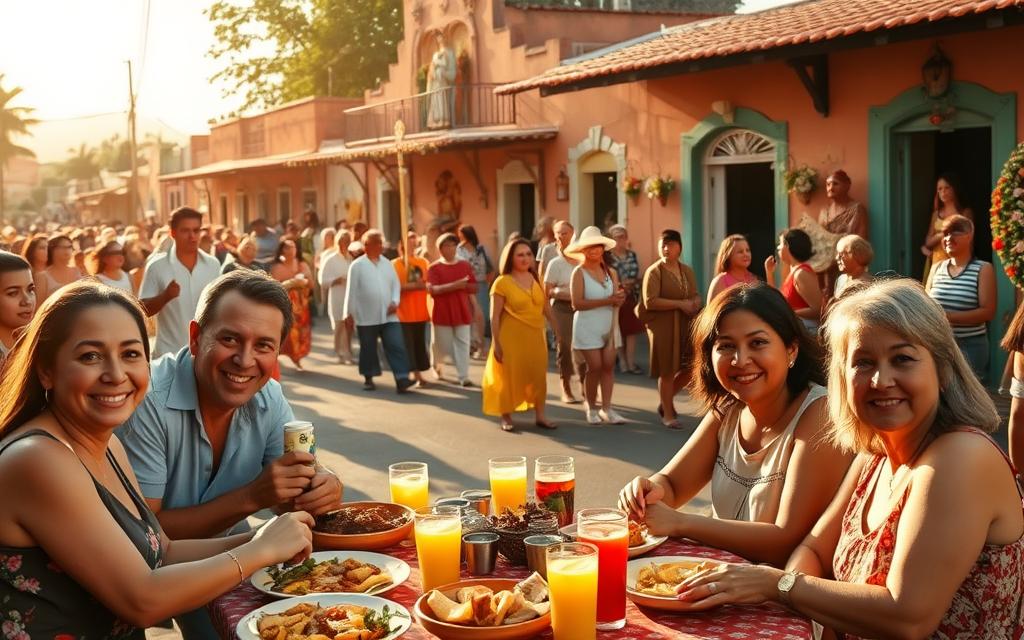
Semana Santa, or Holy Week, is one of the most culturally significant holidays in Costa Rica. This time of year blends Catholic traditions with vibrant local customs, creating a unique celebration. In 2025, Semana Santa will take place from April 13 to April 20, reshaping daily life across the country.
During this period, schools and businesses close, allowing families to focus on religious observances and traditions. The weather is typically hot with minimal rain, making it an ideal time for outdoor activities. However, popular destinations like beaches can become crowded.
Unique cultural elements, such as alfombras (colorful street art) and miel de chiverre (a traditional dessert), add to the festivities. This article explores religious processions, family traditions, regional foods, and essential travel tips for experiencing Semana Santa in Costa Rica.
What is Semana Santa and Why is it Significant in Costa Rica?
Semana Santa, rooted in centuries-old traditions, shapes the rhythm of life in Costa Rica. This observance, also known as Holy Week, dates back to the 16th century when Spanish colonizers introduced Catholicism. Today, it remains a cornerstone of Costa Rican culture, with 52% of the population identifying as Catholic.
During this time, schools and businesses close nationwide, allowing families to focus on religious and cultural activities. Many residents leave urban areas like San Jose, heading to coastal towns such as Jaco and Manuel Antonio. Beaches often transform into “tent cities” as families gather for a break from their daily routines.
Alcohol sales are restricted in many municipalities during Holy Thursday and Good Friday, reflecting the solemn nature of these days. However, tourist zones like Tamarindo often see relaxed enforcement of these laws. This blend of strict traditions and modern flexibility highlights the unique cultural shifts in the country.
Semana Santa is a time of contrasts. Solemn religious processions take place alongside festive family reunions, embodying the “Pura Vida” ethos. Banks and government offices remain closed for extended periods, emphasizing the importance of this annual observance.
For Costa Ricans, Holy Week is more than a religious event. It’s a time to honor traditions, reconnect with loved ones, and celebrate the rich cultural heritage that has been passed down through the years.
Traditional Events and Celebrations During Easter in Costa Rica
Holy Week in Costa Rica is a vibrant blend of faith and culture. This season brings together solemn religious observances and colorful traditions that captivate both locals and visitors. From processions to street art, the celebrations are deeply rooted in the country’s Catholic heritage.
Religious Processions and Ceremonies
During Semana Santa, religious processions take center stage. On Holy Thursday, many towns host silent reenactments of the Last Supper, which conclude at local churches. These ceremonies are marked by reverence and reflection.
Good Friday is particularly significant, with elaborate Stations of the Cross processions. In cities like San José, Cartago, and Alajuela, participants dress in costumes to portray biblical figures. Cartago’s Via Crucis is one of the most iconic events, drawing large crowds.
Visitors are encouraged to observe etiquette during these processions. Photography should be avoided without permission, and respectful silence is expected during somber moments.
Street Decorations and Alfombras
One of the most visually stunning traditions is the creation of alfombras. These intricate carpets are made from dyed sawdust, flowers, and other materials. They adorn the streets, only to be destroyed during processions, symbolizing the transience of life.
Towns like Heredia are known for their alfombra-making traditions. Smaller communities also offer a chance to interact with artisans and witness the creative process firsthand. For more insights into these traditions, check out this detailed guide.
Easter Sunday brings a shift in tone, with joyful masses celebrating the resurrection. This contrasts sharply with the solemnity of Good Friday, highlighting the emotional depth of Holy Week.
Travel Tips for Visiting Costa Rica During Easter Week
Planning a trip during Easter Week requires careful preparation to navigate the unique challenges and opportunities. This festive season is a popular time for both locals and tourists, making early planning essential for a smooth vacation.
Best Time to Visit and Weather Conditions
April is one of the best months to visit, with warm days averaging 85°F. However, sporadic afternoon showers often start around 2 PM. Pack lightweight clothing, reef-safe sunscreen, and waterproof bags to stay prepared for sudden rains.
Booking Accommodations and Transportation
Accommodations fill up quickly during this time, so book at least six months in advance. For transportation, consider renting a car from providers like Adobe Rent-a-Car, which offers perks like a 10% discount and a free second driver. Use the Waze app to navigate real-time police checkpoints and traffic updates.
Here are some additional tips to enhance your trip:
- Split your itinerary between inland destinations like La Fortuna and coastal areas to avoid crowds.
- Pre-purchase alcohol in rural areas due to varying Dry Law restrictions.
- Plan for traffic jams on Routes 27 and 1; overnight drives are recommended for Pacific Coast routes.
For more detailed insights, check out this guide on traveling to Costa Rica. By following these travel tips, you can ensure a memorable and stress-free vacation during Easter Week.
Cultural Practices and Family Traditions During Semana Santa
Semana Santa brings families together in unique ways, blending faith and tradition. This sacred week is a time for multi-generational gatherings, where loved ones reconnect and celebrate their shared culture. From beachside reunions to solemn pilgrimages, the atmosphere is filled with warmth and reverence.
Families often prepare seafood-heavy meals, such as arroz con camarones, while avoiding red meat. This culinary tradition reflects the solemnity of the season. During this time, “Tico Time” intensifies, with slower service at businesses due to staff shortages. Patience becomes a virtue as the pace of life slows down.
Superstitions also play a role in the celebrations. Many believe that swimming on Good Friday risks turning into a fish, while climbing trees may cause tails to grow. These beliefs add a layer of folklore to the cultural fabric of the country.
One of the most cherished traditions is the “Seven Churches” pilgrimage on Holy Thursday. In cities like San José, families visit seven churches to reflect on the Stations of the Cross. This practice fosters a sense of community and spiritual connection.
Extended family visits to rural towns revitalize local economies and strengthen bonds. In regions like Guanacaste, indigenous Chorotega traditions blend seamlessly with Catholic rituals, creating a unique cultural fusion. Urban areas like Tamarindo contrast with rural settings like the Orosi Valley, where candlelit vigils replace nightlife.
Semana Santa is more than a religious observance; it’s a celebration of family, culture, and timeless traditions. Whether gathered on the beach or in a quiet village, families honor their heritage and create lasting memories during this special time.
Traditional Costa Rican Easter Foods to Try
Exploring the culinary traditions of Semana Santa offers a delicious glimpse into the culture. During this holiday, families gather to enjoy a variety of dishes that reflect both religious customs and local flavors. From sweet treats to hearty seafood meals, the food is as much a part of the celebration as the processions and ceremonies.

Miel de Chiverre and Other Sweet Treats
One of the most iconic sweet dishes is miel de chiverre, made from a watermelon-sized squash. This versatile ingredient is cooked into empanada fillings or served with cheese. It’s a staple during the holiday, often sold at roadside stands and urban markets alike.
Another must-try is rosquillas, crunchy corn-cheese crackers that pair perfectly with a cup of Café Britt coffee. These treats are not only delicious but also deeply rooted in the country’s culinary traditions.
Seafood and Fish Dishes
Seafood takes center stage during Semana Santa, with dishes like bacalao guisado leading the way. This stewed salted cod, flavored with tomatoes and peppers, is often served with patacones. Due to its limited availability, it’s best to order this dish in advance at upscale restaurants.
For a lighter option, try sopa de pescado, a flavorful fish soup that’s both comforting and nourishing. Picadillo de palmito, a hearts of palm hash, is another unique dish worth sampling. Seafood hotspots like Playas del Coco’s ceviche stands and Quepos’ beachfront sodas are perfect places to indulge.
For a deeper dive into Costa Rican cuisine, consider joining a food tour in San José’s Central Market. These tours often include hands-on cooking demonstrations, offering a richer understanding of the country’s food traditions. Learn more about these culinary experiences in this detailed guide.
Conclusion: Experiencing Easter in Costa Rica
Experiencing Semana Santa offers a unique blend of solemn traditions and vibrant festivities. This celebration contrasts sharply with U.S. Easter traditions, focusing more on community and less on commercialization. For those planning a trip, early bookings are essential to secure luxury villas like Casa Xanadu or Flamingo Blu.
Post-Holy Week, beaches empty out by April 21, making it an ideal time for a quieter vacation. A final tip for visitors is to attend sunrise services at Rincón de la Vieja for a spiritual closure to the week. Share your Semana Santa stories in the comments below!
Article by Glenn Tellier (Founder of CRIE and Grupo Gap)
Don't wait, contact us right now!
Call or WhatsApp Costa Rica +506 8373 2085 or +506 8706 3888
Call USA/Canada +1 305-906-6784