Duty-Free Shopping in Golfito: What to Know Before You Drive

The Depósito Libre Comercial de Golfito is Costa Rica’s duty-free shopping zone, six or seven hours from San José, near the Panama border. People drive the whole way to buy refrigerators.

Whether that makes sense depends entirely on what you are buying — and one rule that everybody still gets wrong has changed.

Sunny outdoor market scene in Costa Rica showcasing diverse goods and local produce

Why it exists

Golfito was a United Fruit Company banana port. When the company pulled out in 1984, the regional economy collapsed — mass unemployment, out-migration, severe decline across the whole southern zone.

The Depósito was created as a compensatory development measure: a duty-free retail zone designed to force domestic shoppers to travel to Golfito and spend money there. The governing law dates from December 1997, with the operating regulation from May 1998. Tax revenue collected funds regional development projects administered by JUDESUR.

It is, in other words, regional economic policy disguised as a shopping trip.

South Pacific lifestyle scene set in Costa Rica

What you can buy

A walled compound of warehouse-style stores near the old banana port. Think mid-market department store and appliance warehouse — not airport luxury duty-free.

  • Appliances — refrigerators, washers, dryers, stoves, air conditioning units
  • Televisions, audio and video equipment
  • Computers and small electronics
  • Kitchenware and furniture
  • Clothing and footwear
  • Perfume and cosmetics
  • Tyres and auto accessories
  • Liquor, wine and beer
  • Packaged food

The tax saving — realistically

Goods carry a single consolidated tax replacing normal import duties and sales tax. That rate stepped down over the years from 18% to 14%, then 12% in June 2017, then 10% in June 2018.

One honesty note: we could not find an authoritative 2026 source confirming the 10% rate is still current. Verify with JUDESUR before you plan around it.

Official material claims savings “up to 50%” against retail elsewhere in the country. A fairer expectation is 20–40% on appliances and electronics, and on some items — particularly when mainland retailers are running promotions — the saving is negligible or zero.

Price-compare before you drive. Factor in warranty coverage and the cost of getting a refrigerator 340 km home.

The tarjeta

You must register in person at the Golfito customs post with valid ID — a cédula for Costa Ricans and legal residents, a passport for foreigners — to get a purchase card.

The system is computerised and now issues a virtual card, introduced in February 2020 to combat fraud and resale. The card records your purchases against your annual allowance.

Note that pre-registration and final activation at the post are separate steps, so do not arrive on a tight schedule.

The 24-hour rule is gone — this is the update everyone misses

For years, you had to wait 24 hours between getting your card and being allowed to shop, which in practice forced an overnight stay in Golfito. That was the whole point: keep visitors in town spending money.

It was abolished by executive decree on 1 February 2021. Cards are now active immediately on issue and you can shop the same day you arrive.

Be aware that the Depósito’s own website still carries the old text saying a 24-hour stay is required. That page appears not to have been updated. The 2021 decree and JUDESUR’s current guidance both say same-day shopping is permitted — but if you encounter conflicting information, that is why.

Your annual limit

₡1,848,800 per person per year — set at four times the judicial salario base, which for 2026 is ₡462,200. At roughly ₡510 to the dollar that is about US$3,600.

Larger purchases can be made through unión de derechos — pooling allowances with direct family members, with documentation.

Category quotas

From the February 2020 reform, per year unless stated:

  • 24 units of spirits; 48 units each of beer and wine
  • Clothing capped at 50% of a salario base; food likewise capped at 50%
  • One television per year
  • Up to 6 audio/video devices
  • 12 pairs of footwear
  • Large appliances — refrigerator, air conditioner, dryer — one unit every two years each
  • 10 tyres and 10 wheels, requiring proof of vehicle ownership

That appliance limit is the one that catches people out. You cannot furnish a house in one trip.

Who can shop there

Anyone 18 or over, Costa Rican or foreign, with valid ID. Tourists on a passport can and do shop there. There is no residency requirement.

Hours are Monday to Saturday 08:00–18:00, Sunday 08:00–16:00, with card issuance on the same schedule.

Getting there

Golfito is on the Golfo Dulce in southern Puntarenas province, near the Panama border — roughly 330–350 km from San José, a six to seven hour drive via the Costanera Sur.

Alternatives: Sansa flies San José to Golfito in about an hour; Tracopa buses run daily and take seven to eight hours; private shuttles can be booked.

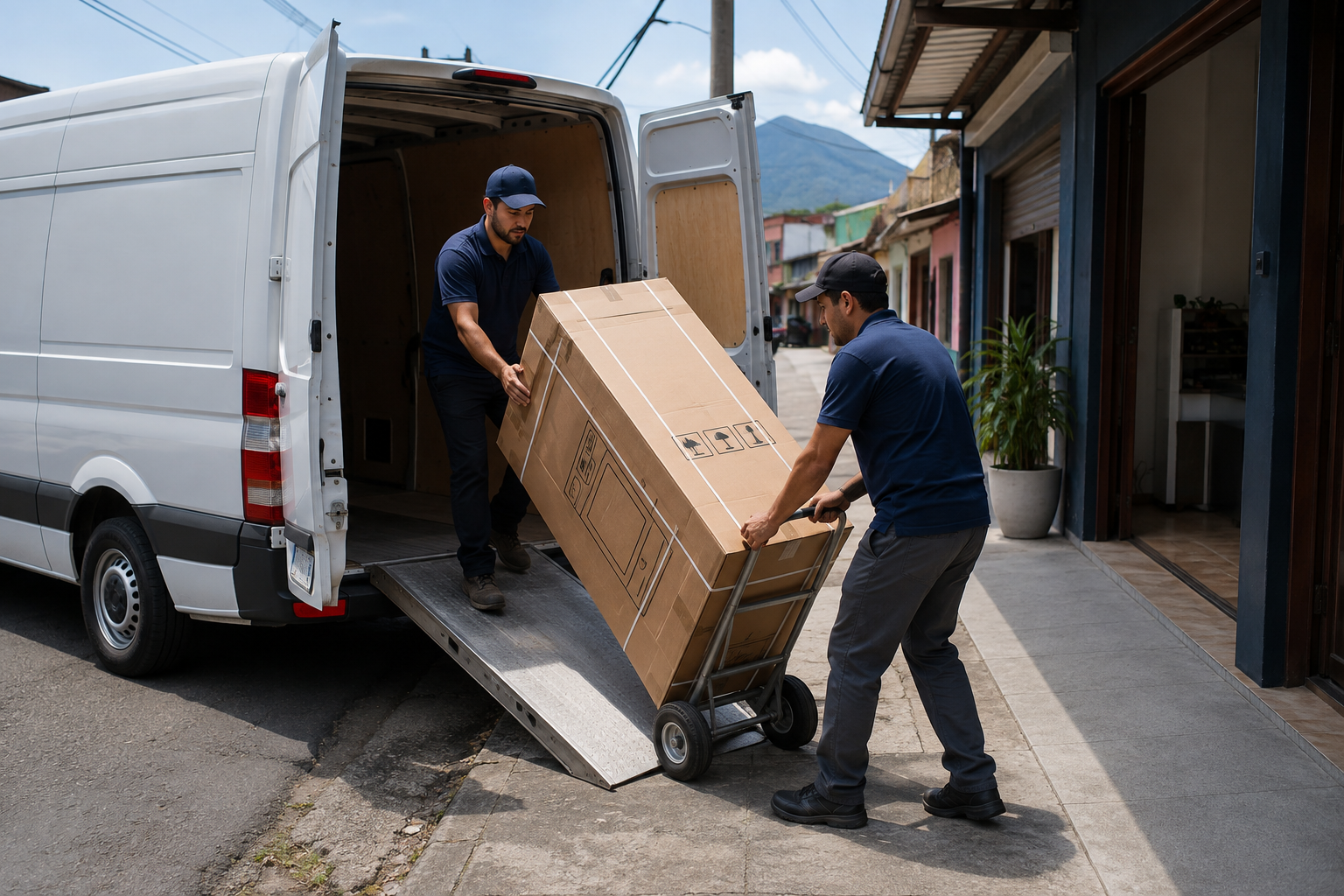
Most people buying appliances drive, precisely because they have to carry the goods home — which is itself a significant hidden cost in fuel, tolls, a vehicle big enough, and twelve to fourteen hours of round-trip driving.

Staying over

Golfito town has modest hotels and cabinas. Playa Cacao across the bay, and Zancudo and Pavones further out, are options for combining the trip with a beach stay. Golfito is also the jumping-off point for the Golfo Dulce, Piedras Blancas National Park, the Osa Peninsula and Corcovado, plus sportfishing from the marinas.

With the 24-hour rule gone, an overnight is now optional — though many still stay, both because of the drive and because the Depósito can be busy enough to need most of a day.

Is it worth it?

Honestly: it depends entirely on what you are buying and where you live.

The economics work if you are buying a large appliance or several big-ticket items at once, you are travelling from the southern zone or already going that way, and you are approaching the full allowance. On a full ₡1.85m allowance at a genuine 25–35% saving, you are looking at roughly $900–1,250 saved against perhaps $150–250 in fuel and lodging. Clearly worthwhile.

The economics do not work if you live in San José, are buying one modest item, or are expecting airport-style luxury bargains.

Two further cautions. The Depósito has been in structural decline — competition from mainland retail promotions, e-commerce, and ongoing JUDESUR governance disputes have all cut into it. And after-sales service matters: getting a Golfito-bought appliance repaired elsewhere in the country can be awkward.

We also could not verify current sales figures, the number of operating stores, or JUDESUR’s current institutional standing. Recent Costa Rican press indicates continuing disputes between JUDESUR and the executive over the Depósito’s future. Treat its long-term viability as an open question.

The short version

Register at the customs post with your passport or cédula. Shop the same day — the overnight requirement is gone. Budget ₡1,848,800 a year, one big appliance every two years, one TV a year. Price-compare before you commit to the drive, and think about who will service the thing afterwards.


Setting up a home in Costa Rica?

Furnishing the house is one thing. Being legally settled is another. CRIE — Costa Rica Immigration Experts handles residency applications, renewals and citizenship — and a cédula makes a great deal in Costa Rica, Golfito included, considerably simpler.

See the residency options in Costa Rica, or get in touch.

Rules and rates at the Depósito change. Confirm current requirements with JUDESUR before travelling.

Thinking About Making Costa Rica Home?

Thousands of expats, retirees, and investors have made Costa Rica their permanent home. If you are considering residency, CRIE’s licensed immigration attorneys can walk you through your options — Pensionado, Rentista, Investor, or family-based — and handle every step of the process.

Schedule a free consultation with CRIE today.

Scroll to Top