
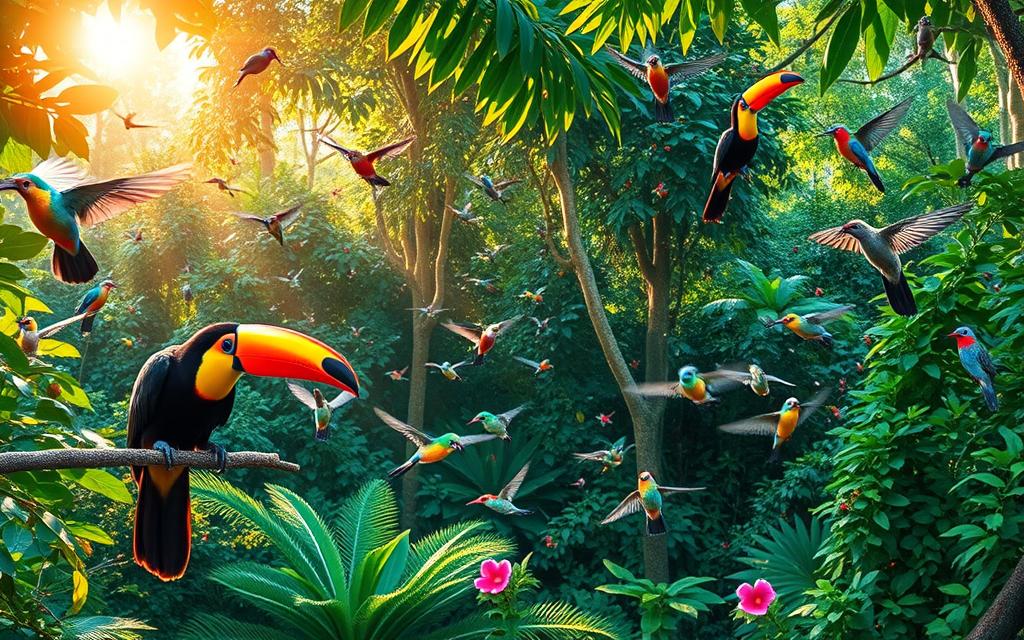
Costa Rica is home to over 500,000 species of wildlife, making it one of the most biodiverse countries globally. This small country has made a significant commitment to conservation, establishing numerous national parks and wildlife reserves that are teeming with life.
The country’s dedication to preserving its natural heritage is evident in its designation of the sloth as a national animal in 2021, sharing this honor with the white-tailed deer. These animals are not only significant culturally but also symbolize the country’s rich biodiversity.
This article will explore Costa Rica’s remarkable wildlife, highlighting where to find these incredible animals and the importance of responsible wildlife viewing and conservation efforts.
The Natural Paradise: Costa Rica’s Biodiversity
The country’s commitment to conservation has transformed Costa Rica into a thriving haven for a wide range of wildlife. With a strong focus on preserving its natural beauty, Costa Rica has established numerous national parks and protected areas.
A Country Teeming with Wildlife
Costa Rica is home to an astonishing array of flora and fauna, thanks to its unique geography and climate. The country’s diverse ecosystems support a vast range of wildlife, from monkeys and sloths to toucans and quetzals. This biodiversity is a result of Costa Rica’s location between North and South America, making it a bridge for species migration.
Conservation Efforts and Protected Areas
Costa Rica’s conservation efforts are multifaceted. The country has pioneered a system of national parks and protected areas, covering approximately 25% of its territory. Key initiatives include:
- A reforestation program that has doubled forest cover from 26% in 1983 to over 52% today.
- A payment for environmental services program incentivizes landowners to preserve forests.
- An ambitious goal to become carbon neutral, with wildlife conservation playing a crucial role.
- Ecotourism has become a vital economic driver supporting conservation efforts.
These efforts have contributed to the recovery of endangered species and demonstrate Costa Rica’s commitment to protecting its wildlife and natural habitats.
The Sloth: Costa Rica’s Beloved National Animal
The sloth, with its endearing appearance and slow movements, has become an iconic representation of Costa Rica’s rich biodiversity. Found throughout the country, these creatures have captivated the hearts of both locals and tourists.

How the Sloth Became the National Symbol
The sloth’s ascension to national symbol status can be attributed to its unique characteristics and the significant role it plays in Costa Rica’s ecosystem. As a creature that embodies the country’s commitment to conservation and environmental stewardship, the sloth has become a beloved and enduring symbol.
Two-Toed vs. Three-Toed Sloths
Costa Rica is home to two primary species of sloths: the two-toed and the three-toed sloth. While both species share some similarities, they also exhibit distinct differences in their behavior, habitat, and physical characteristics. Understanding these differences is crucial for appreciating the diversity within the sloth species.
Sloth Behavior and Habitat
Sloths are arboreal creatures, spending most of their lives in the trees of Costa Rica’s rainforests and cloud forests. Their slow movement, averaging about 0.15 miles per hour, is a result of their low-energy diet and unique metabolic adaptations. The sloth’s habitat is characterized by dense foliage, where they feed on leaves, buds, and tender shoots. This diet provides them with little energy, contributing to their slow pace.
Sloths have a symbiotic relationship with the algae and moths that live in their fur, providing them with camouflage. They also have a unique physiology, allowing them to rotate their heads nearly 180 degrees. Climate change and deforestation are significant threats to sloth habitats in Costa Rica, impacting their populations and conservation status.
The White-Tailed Deer: Costa Rica’s Co-National Animal
Costa Rica has designated the white-tailed deer as a co-national animal alongside the sloth. This decision reflects the country’s appreciation for its rich biodiversity and the unique role this species plays in its ecosystems.
Characteristics and Habitat
The white-tailed deer is a versatile species that inhabits various environments, from dense forests to open grasslands. Characterized by its white underside and tail, this deer is known for its agility and ability to adapt to different habitats. In Costa Rica, it can be found in both protected areas and rural landscapes.
These deer are herbivores, feeding on a variety of plants, including leaves, twigs, and grasses. Their habitat ranges from the dry forests of the Pacific coast to the more humid cloud forests.
Cultural Significance
The white-tailed deer holds significant cultural value in Costa Rica, featuring in indigenous traditions and folklore. It symbolizes grace and gentleness, qualities that are deeply appreciated in Costa Rican culture. The deer’s representation in local art and literature underscores its importance as a national symbol.
In 2021, the white-tailed deer was officially recognized as a co-national animal, a decision that has boosted conservation efforts and raised public awareness about the importance of protecting this species and its habitats.
Discover the Astonishing National Animals of Costa Rica in Their Natural Habitats
Exploring Costa Rica’s diverse ecosystems offers a chance to witness its astonishing national animals up close. Costa Rica is home to a wide range of wildlife, including its beloved national animals, the sloth and the white-tailed deer.

Best National Parks for Wildlife Viewing
Costa Rica boasts numerous national parks that are perfect for wildlife viewing. Some of the top parks include Corcovado National Park, known for its diverse species, and Manuel Antonio National Park, which is a great place to see wildlife like monkeys and sloths.
- Corcovado National Park is known for its rich biodiversity and variety of species.
- Manuel Antonio National Park is famous for its sloths, monkeys, and other wildlife.
- Monteverde Cloud Forest: Ideal for spotting quetzals and other bird species.
Optimal Seasons for Animal Sightings
The best time to see wildlife in Costa Rica depends on the season. The dry season, from December to April, is ideal for visiting Corcovado, while the green season, from May to November, is better for Monteverde.
- Dry Season (December to April): Best for visiting Corcovado and other dry forest areas.
- Green Season (May to November): Ideal for visiting Monteverde and spotting certain bird species.
- Turtle nesting seasons occur along both the Caribbean and Pacific coasts.
Understanding the seasonal changes and how they affect animal behavior is crucial for planning a successful wildlife viewing trip to Costa Rica. By choosing the right time and park, visitors can maximize their chances of seeing the country’s incredible wildlife.
Iconic Mammals of Costa Rica
Costa Rica is renowned for its diverse array of iconic mammals that inhabit its lush rainforests and vibrant ecosystems. These mammals play crucial roles in maintaining the balance of their respective habitats. From the canopy-dwelling monkeys to the elusive big cats, Costa Rica’s iconic mammals are a testament to the country’s rich biodiversity.
Monkeys: The Four Species
Costa Rica is home to four species of monkeys: the howler monkey, the capuchin monkey, the spider monkey, and the squirrel monkey. These primates are known for their agility and intelligence, often captivating visitors with their antics. The howler monkey, with its distinctive call, is particularly iconic, while the capuchin monkey is known for its mischievous behavior.
Jaguars and Other Wild Cats
The jaguar, along with other wild cats like the puma and ocelot, roams Costa Rica’s protected areas. These majestic creatures are apex predators, playing a vital role in maintaining the ecological balance. Jaguars, being the largest cats in the Americas, are a rare sight, making encounters with them particularly special.
Tapirs and Agoutis
The Baird’s tapir, Costa Rica’s largest land mammal, is an endangered species found in areas like Corcovado National Park. Tapirs are herbivores, known for their distinctive prehensile snout and significant size, reaching up to 400 kilograms. Agoutis, on the other hand, are medium-sized rodents that contribute to forest ecology by burying seeds, inadvertently planting trees. Both tapirs and agoutis are crucial to their ecosystems, and spotting them is a highlight for wildlife enthusiasts.
Costa Rica’s commitment to conservation has made it possible for these iconic mammals to thrive. Visitors can explore national parks and protected areas to witness these creatures in their natural habitats, supporting eco-tourism and conservation efforts.
Colorful Birds That Define Costa Rica
The diverse landscapes of Costa Rica are home to a wide array of colorful birds that define the country’s rich biodiversity. From the lush rainforests to the vibrant cloud forests, Costa Rica is a haven for bird enthusiasts and ornithologists alike.

The Resplendent Quetzal
The Resplendent Quetzal is one of Costa Rica’s most iconic birds, known for its vibrant plumage and long, flowing tail feathers. This bird is considered sacred by many due to its stunning appearance and is often associated with the country’s rich cultural heritage. The Resplendent Quetzal inhabits the cloud forests of Costa Rica, where it feeds on fruits, insects, and small frogs.
Scarlet Macaws and Toucans
Scarlet Macaws and Toucans are among the most colorful and recognizable birds in Costa Rica. The Scarlet Macaw, with its bright red, blue, and yellow feathers, is a common sight in the country’s tropical rainforests. Toucans, known for their oversized, colorful beaks, are also prevalent, adding to the rich avifauna of Costa Rica. These birds play a crucial role in seed dispersal and forest regeneration.
Hummingbirds and Their Diversity
Costa Rica is home to approximately 50 different species of hummingbirds, showcasing a remarkable diversity within this family of birds. Hummingbirds are known for their ability to hover, fly backwards, and beat their wings at an incredible rate, often between 50 and 200 times per second. Some of the most spectacular species include the Violet Sabrewing, Fiery-throated Hummingbird, and Snowcap. These birds are attracted to nectar-rich flowers and feeders, making them a delight to observe in gardens and natural areas.
- Costa Rica hosts over 50 species of hummingbirds, each with unique characteristics.
- Popular locations for hummingbird watching include Monteverde Cloud Forest and La Paz Waterfall Gardens.
- Hummingbirds play a vital role as pollinators in tropical ecosystems, similar to bees and butterflies.
Fascinating Reptiles and Amphibians
Costa Rica is renowned for its diverse array of reptiles and amphibians, making it a paradise for wildlife enthusiasts. This diversity is a result of the country’s unique geography and climate, which create a variety of habitats that support a wide range of species.
Red-Eyed Tree Frogs and Poison Dart Frogs
Costa Rica’s rainforests are home to iconic amphibians like the Red-Eyed Tree Frog and the Poison Dart Frog. The Red-Eyed Tree Frog is known for its vibrant green body and striking red eyes, while Poison Dart Frogs are recognized for their bright colors and toxic secretions. For more information on Poison Dart Frogs, visit this resource.

Iguanas and Basilisk Lizards
The country’s reptile population includes impressive species like Iguanas and Basilisk Lizards. Iguanas are large, herbivorous lizards often seen basking in the sun, while Basilisk Lizards are known for their ability to run on water, earning them the nickname “Jesus Christ lizards.” These creatures are a testament to the diverse wildlife found in Costa Rica.
American Crocodiles

One of Costa Rica’s most impressive reptiles is the American Crocodile, which can grow up to 15 feet long. These powerful predators are found in both freshwater and brackish environments, with the Tarcoles River being a prime location for spotting them. Visitors can observe these magnificent creatures from a safe distance, appreciating their role in the ecosystem.
Marine Life Along Costa Rica’s Coastlines
The marine ecosystems along Costa Rica’s shores are teeming with life, from majestic sea turtles to playful dolphins. Costa Rica’s coastlines offer a unique blend of marine habitats, including coral reefs, estuaries, and open ocean, supporting a wide range of species.
Sea Turtles and Nesting Sites

Costa Rica is a critical nesting ground for several species of sea turtles, including the leatherback, green, and hawksbill turtles. The country’s Pacific and Caribbean coastlines provide numerous nesting sites, with protected areas like Tortuguero National Park being a key location for conservation efforts.
Visitors can participate in guided tours to witness sea turtles nesting, typically from July to October, depending on the species and location.
Whales and Dolphins

Costa Rica’s waters are a popular destination for whale watching, with humpback whales migrating to the Pacific coast from both the northern and southern hemispheres. This makes Costa Rica one of the few places in the world with extended whale-watching seasons.
Dolphins are also abundant in Costa Rican waters, particularly in areas like the Golfo Dulce. Visitors can enjoy dolphin-watching tours, observing these creatures’ acrobatic displays and social behavior.
Lesser-Known but Remarkable Costa Rican Animals
In the lush landscapes of Costa Rica, one can find a plethora of extraordinary animals that are often overlooked. While many visitors flock to see the country’s iconic sloths and monkeys, there are numerous other fascinating creatures to discover.
Kinkajous and Coatis
Kinkajous and coatis are two of Costa Rica’s lesser-known mammals that are sure to captivate wildlife enthusiasts. Kinkajous, related to raccoons, are known for their golden fur and ability to climb trees. Coatis, with their distinctive long snouts and bushy tails, are often seen foraging on the forest floor. Both species are found in various habitats across Costa Rica, including rainforests and cloud forests.
- Kinkajous are primarily nocturnal, making them a thrilling sight to spot at night.
- Coatis are social animals, often living in large groups.
Glass Frogs
Glass frogs are another remarkable species found in Costa Rica. These tiny amphibians are characterized by their transparent skin, which allows their internal organs to be visible. Glass frogs inhabit the country’s cloud forests and rainforests, typically near streams and rivers. Their unique appearance makes them a fascinating subject for study and observation.
Leafcutter Ants and Their Ecosystem Role
Leafcutter ants are incredible insects known for their unique behavior of cutting and collecting leaves to cultivate their own fungal gardens. These ants are found in various habitats across Costa Rica, particularly in rainforests and along forest edges. Locations like Monteverde Cloud Forest Reserve and Manuel Antonio National Park are prime spots to witness these industrious creatures in action.
- Leafcutter ants have a complex social structure with different castes performing specialized roles.
- They play a crucial ecological role as soil aerators, nutrient cyclers, and indicators of ecosystem health.
Costa Rica’s diverse wildlife is a testament to its rich biodiversity, with many species waiting to be discovered.
Ethical Wildlife Viewing in Costa Rica
Costa Rica’s commitment to conservation makes it an ideal location for ethical wildlife viewing. The country is home to numerous wildlife sanctuaries and rescue centers that prioritize animal welfare and conservation.
Responsible Tourism Practices
When visiting Costa Rica, adopting responsible tourism practices is crucial. This includes choosing tour operators that adhere to ethical standards and support conservation efforts. Visitors should also respect wildlife and their habitats, keeping a safe distance and not feeding the animals.
Wildlife Sanctuaries Worth Visiting
Costa Rica is home to several reputable wildlife sanctuaries. The Sloth Sanctuary of Costa Rica is dedicated to rescuing and rehabilitating injured and orphaned sloths. The Jaguar Rescue Center in Puerto Viejo cares for various wildlife species with a focus on rehabilitation and release. Las Pumas Rescue Center in Guanacaste specializes in native wild cats and other mammals. These centers not only provide a safe haven for animals but also offer educational programs and research opportunities.
Threats to Costa Rica’s Wildlife and Conservation Efforts
Costa Rica’s rich biodiversity is facing significant threats from habitat loss and climate change. The country’s lush landscapes, once teeming with wildlife, are being fragmented and degraded, making it difficult for many species to survive.
Habitat Loss and Climate Change
Habitat loss and climate change are closely intertwined issues that pose a significant threat to Costa Rica’s wildlife. As the climate changes, many species are struggling to adapt, and the loss of habitat reduces their ability to find food, shelter, and mates. For example, the Resplendent Quetzal, a bird species revered in Costa Rica, is highly sensitive to changes in its cloud forest habitat. To learn more about the diverse bird species in Costa Rica, visit this resource.
- Rising temperatures alter ecosystems, affecting species distribution.
- Deforestation and land conversion for agriculture exacerbate habitat loss.
- Climate change impacts migration patterns and breeding seasons.
How Visitors Can Help Protect Wildlife
Visitors to Costa Rica can play a crucial role in wildlife conservation. By making informed choices, tourists can support conservation efforts and minimize their impact on the environment.
- Choose certified sustainable accommodations and tour operators.
- Support local communities through responsible tourism practices.
- Reduce plastic waste to protect marine wildlife.
- Participate in citizen science projects to contribute to wildlife research.

Conclusion: The Treasure of Costa Rica’s Biodiversity
Costa Rica’s rich biodiversity is a treasure that continues to captivate wildlife enthusiasts worldwide. The country’s commitment to conservation is evident in its national animals, the sloth and white-tailed deer, which symbolize the nation’s values. With diverse ecosystems, from rainforests to coastlines, Costa Rica offers numerous opportunities for wildlife viewing. Visitors can explore various species while supporting responsible tourism practices. By balancing conservation with economic development, Costa Rica serves as a model for other countries. As visitors depart, they take with them memories and lessons from their wildlife experiences, inspired to protect our planet’s precious biodiversity.
Article by Glenn Tellier (Founder of CRIE and Grupo Gap)
Don't wait, contact us right now!
Call or WhatsApp Costa Rica +506 8373 2085 or +506 8706 3888
Call USA/Canada +1 305-906-6784