
Crocodiles vs. Caimans in Costa Rica: Know the Difference
Costa Rica is home to two distinct crocodilian species that visitors often confuse: the American Crocodile and the Spectacled Caiman. While both are impressive reptiles, they differ significantly in size, behavior, and habitat preferences.
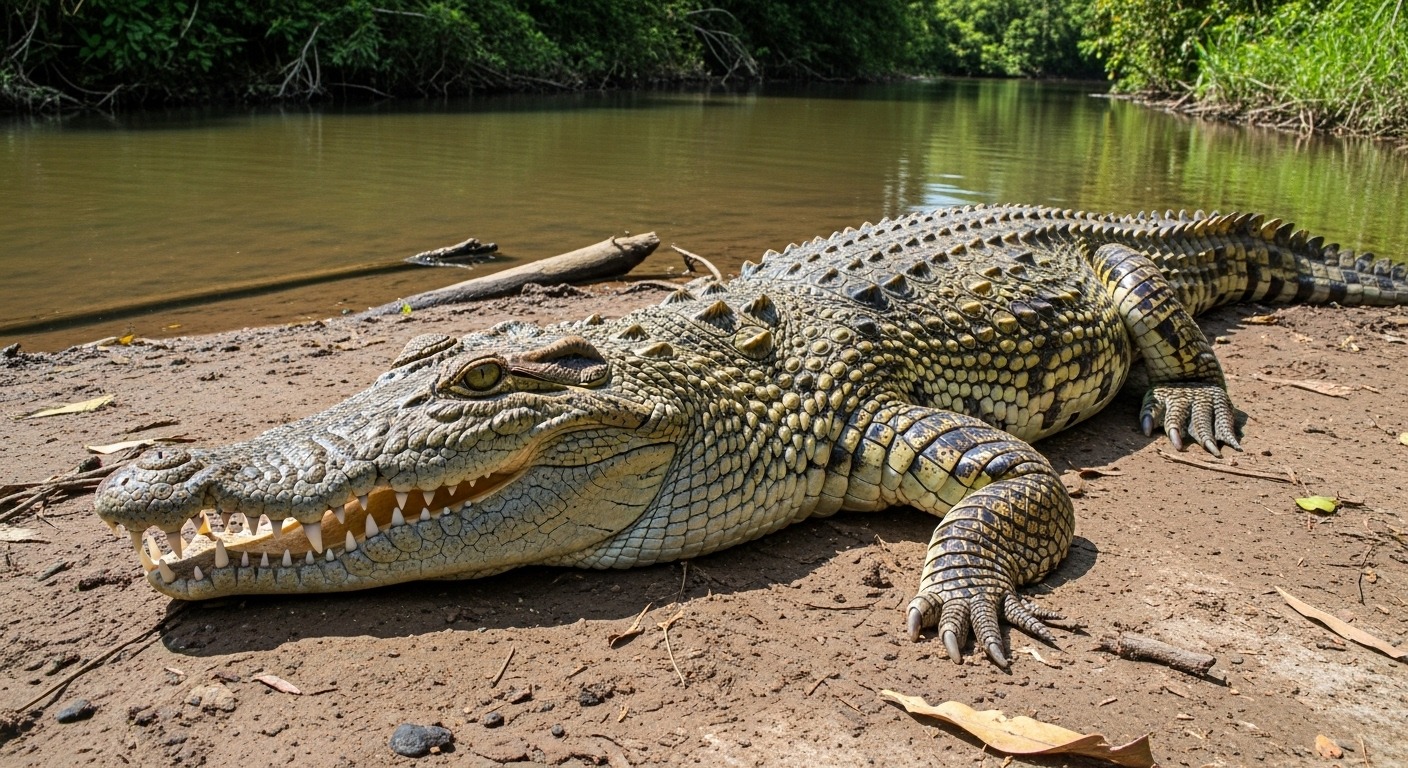
The American Crocodile can grow up to 16-20 feet in length
The American Crocodile (Crocodylus acutus)
The American Crocodile is the larger and more iconic of Costa Rica’s crocodilian species. These impressive reptiles can grow up to 5-6 meters (16-20 feet) in length and weigh over 900 kilograms, making them one of the largest crocodile species in the world.
Quick Croc Facts
- Average size: 13-16 feet
- Top speed: 20 mph in water
- Diet: Fish, birds, mammals
Despite their fearsome appearance, American crocodiles are surprisingly shy and generally non-aggressive unless provoked. They prefer saltwater or brackish environments and are commonly found in coastal areas, estuaries, and larger rivers, particularly along Costa Rica’s Pacific coast.
The Spectacled Caiman (Caiman crocodilus)
Smaller and more discreet, the Spectacled Caiman typically reaches 1.5 to 2 meters (5-6.5 feet) in length. They get their name from the distinctive bony ridge between their eyes, which resembles a pair of glasses or “spectacles.”

Spectacled caimans are identified by the bony ridge between their eyes
Caimans are more commonly found in freshwater habitats like rivers, swamps, and marshes, particularly in the Caribbean regions of Costa Rica. They’re more active at dusk and during the night, making evening wildlife tours ideal for spotting them.
How to Tell Them Apart
| Feature | American Crocodile | Spectacled Caiman |
| Size | Up to 6 meters (20 ft) | Up to 2 meters (6.5 ft) |
| Snout shape | Long, narrow, V-shaped | Broad, U-shaped |
| Color | Grayish-green | Olive-brown |
| Habitat | Saltwater/Brackish | Freshwater only |
| Temperament | Shy, reclusive | More active, less fearful |
| Best time to see | Daytime | Dusk or night |
If you’re unsure which species you’re observing, check the size and snout shape. Crocodiles are larger with sharper, longer faces, while caimans are smaller with more rounded snouts.
Where to Safely See Crocodiles in Costa Rica
Costa Rica offers several excellent locations where visitors can observe crocodiles in their natural habitat while maintaining a safe distance. Here are the top spots for crocodile viewing:
1. Tárcoles River Bridge: The Premier Viewing Spot
Located approximately 1.5 hours from San José on Route 34 between Orotina and Jaco, the Tárcoles River Bridge (often called “Crocodile Bridge”) is the most accessible and popular spot to see crocodiles in Costa Rica.

The Tárcoles River Bridge offers a free and safe vantage point for observing crocodiles
From this bridge, visitors can safely observe dozens of American crocodiles basking on the riverbanks or swimming in the waters below. The best viewing times are during low tide when more crocodiles are visible sunning themselves on the exposed mud banks.
While the bridge offers free viewing, guided boat tours provide a closer (yet still safe) experience with these magnificent reptiles. Professional guides can identify individual crocodiles and share fascinating insights about their behavior and ecology.
2. Palo Verde National Park
Located in Guanacaste Province, Palo Verde National Park is a wetland sanctuary that’s home to both crocodiles and caimans. The park’s boat tours along the Tempisque River offer excellent opportunities to spot these reptiles in a pristine natural setting.

Boat tours in Palo Verde National Park offer safe wildlife viewing opportunities
The park is also renowned for its incredible bird diversity, making it a perfect destination for wildlife enthusiasts. Guided tours typically last 2-3 hours and include expert naturalist guides who can identify various species and explain the complex ecosystem.
3. Tortuguero National Park
On Costa Rica’s Caribbean coast, Tortuguero National Park is famous for its network of canals and waterways. While better known for sea turtle nesting, the park’s freshwater canals are home to numerous spectacled caimans and some American crocodiles.

Tortuguero’s canals are ideal for spotting caimans during boat tours
Boat tours through Tortuguero’s canals offer intimate wildlife viewing experiences in a pristine rainforest setting. The early morning tours are particularly rewarding, as wildlife is most active and the lighting is perfect for photography.
4. Sierpe Mangroves
The Sierpe River and its extensive mangrove system in southwestern Costa Rica provide an ideal habitat for American crocodiles. This less-visited area offers a more secluded experience for wildlife enthusiasts.

The Sierpe mangroves create a perfect habitat for crocodiles
Boat tours through the Sierpe mangroves offer opportunities to spot crocodiles while learning about this unique ecosystem. The area is also rich in bird life and other wildlife, making it a comprehensive nature experience.
Essential Safety Tips for Crocodile Encounters
While crocodile viewing is a highlight of many trips to Costa Rica, safety should always be the top priority. Here are crucial guidelines to ensure your crocodile encounters remain safe and enjoyable:
Important: Never swim in rivers, estuaries, or beaches known to have crocodile populations. Fatal attacks, while rare, have occurred when this rule was ignored.

Always heed warning signs posted near waterways
General Safety Guidelines
- Always maintain a safe distance from crocodiles, even when viewing from bridges or boats
- Never feed crocodiles – it’s illegal and dangerous as it alters their natural behavior
- Keep children under close supervision near any body of water in crocodile territory
- Be especially cautious during the rainy season (May-November) when crocodiles may be more active and territorial
- Avoid water activities at dawn, dusk, and night when crocodiles are most active
- Consider guided tours with reputable companies for the safest viewing experience
Seasonal Considerations
During Costa Rica’s rainy season (May to November), rivers swell and crocodiles may expand their territories. This period coincides with breeding season, when male crocodiles can be more aggressive and territorial. Exercise additional caution during these months, particularly near river mouths and estuaries.

Crocodiles may be more active and territorial during the rainy season
What to Do If You Encounter a Crocodile
- Remain calm and back away slowly – never run
- Keep a safe distance of at least 15 meters (50 feet)
- Do not corner or provoke the animal
- If in a boat, maintain distance and avoid approaching directly
- Report any aggressive behavior to local authorities or park rangers
Crocodile Conservation in Costa Rica
Costa Rica has made significant strides in protecting its crocodile populations, which were once threatened by hunting and habitat loss. Today, both the American crocodile and spectacled caiman are protected by law, and their populations have largely recovered.

Research and monitoring are vital to crocodile conservation efforts
However, challenges remain. Habitat degradation, pollution (particularly in rivers like the Tárcoles), and human-wildlife conflict continue to threaten these ancient reptiles. Responsible tourism plays a crucial role in conservation by creating economic incentives to protect crocodiles and their habitats.
How You Can Help
- Support eco-friendly tour operators that follow ethical wildlife viewing practices
- Never purchase products made from crocodile skin or parts
- Report any illegal activities involving crocodiles to local authorities
- Learn about and respect wildlife viewing guidelines
- Consider donating to conservation organizations working in Costa Rica
Why Choose a Guided Crocodile Tour
While independent viewing from places like the Tárcoles Bridge is possible, guided tours offer numerous advantages for wildlife enthusiasts:

Expert guides provide valuable insights about crocodile behavior and ecology
Expert Knowledge
Professional guides can identify individual crocodiles, explain behaviors, and share fascinating facts about these ancient reptiles that you might miss on your own.
Safety
Reputable tour operators prioritize safety with proper equipment and protocols, ensuring you can observe crocodiles up close without unnecessary risks.
Better Viewing Opportunities
Guides know the best spots and times to see crocodiles, increasing your chances of memorable sightings and photo opportunities.
Conservation Support
Eco-friendly tours often contribute to conservation efforts, helping protect the very wildlife you’re enjoying.
Comprehensive Experience
Most tours include information about the entire ecosystem, encompassing other wildlife, plants, and the region’s cultural aspects.
Accessibility
Tours offer access to areas that would be difficult or impossible to reach independently, providing unique perspectives on these magnificent reptiles.

Guided tours allow for safe photography opportunities
Frequently Asked Questions About Crocodiles in Costa Rica
Are crocodiles dangerous to humans in Costa Rica?
While crocodiles are potentially dangerous predators, attacks on humans in Costa Rica are relatively rare and usually occur when people ignore safety warnings. Most incidents happen when people swim in known crocodile habitats or approach the animals too closely. By following safety guidelines and viewing crocodiles from designated safe areas or with professional guides, the risk is minimal.
What’s the best time of year to see crocodiles in Costa Rica?
Crocodiles can be observed year-round in Costa Rica. During the dry season (December-April), they’re often more visible as they bask on exposed riverbanks. The early morning and late afternoon offer the best viewing opportunities as crocodiles are more active during cooler parts of the day.
Is it ethical to take crocodile tours in Costa Rica?
Ethical crocodile tours observe animals from a respectful distance without disturbing their natural behavior. Look for tour operators that don’t feed crocodiles (which is illegal and harmful) and that contribute to conservation efforts. Responsible wildlife tourism can actually benefit conservation by creating economic incentives to protect habitats and educate visitors.
Can I see crocodiles near popular beach destinations?
Yes, crocodiles can be found near several popular beach destinations in Costa Rica, particularly along the Pacific coast. The Tárcoles River is close to Jaco, while crocodiles can occasionally be spotted near estuaries in Manuel Antonio, Tamarindo, and Samara. Always heed local warnings about crocodile presence and avoid swimming in river mouths and estuaries.
Experience Costa Rica’s Crocodiles Safely and Responsibly
Observing crocodiles in their natural habitat is one of Costa Rica’s most memorable wildlife experiences. These ancient reptiles offer a fascinating glimpse into prehistoric times and play a vital role in the country’s diverse ecosystems. By choosing responsible viewing options and respecting safety guidelines, you can enjoy unforgettable encounters with these magnificent creatures while contributing to their conservation.

The beauty of Costa Rica’s waterways is enhanced by their prehistoric inhabitants
Ready for an Unforgettable Wildlife Adventure?
Book a guided crocodile tour with expert naturalists who prioritize both your safety and the welfare of these magnificent reptiles. Experience the thrill of observing Costa Rica’s crocodiles up close while learning about their behavior and the important role they play in local ecosystems.
Article by Glenn Tellier (Founder of CRIE and Grupo Gap)
Don't wait, contact us right now!
Call or WhatsApp Costa Rica +506 8373 2085 or +506 8706 3888
Call USA/Canada +1 305-906-6784