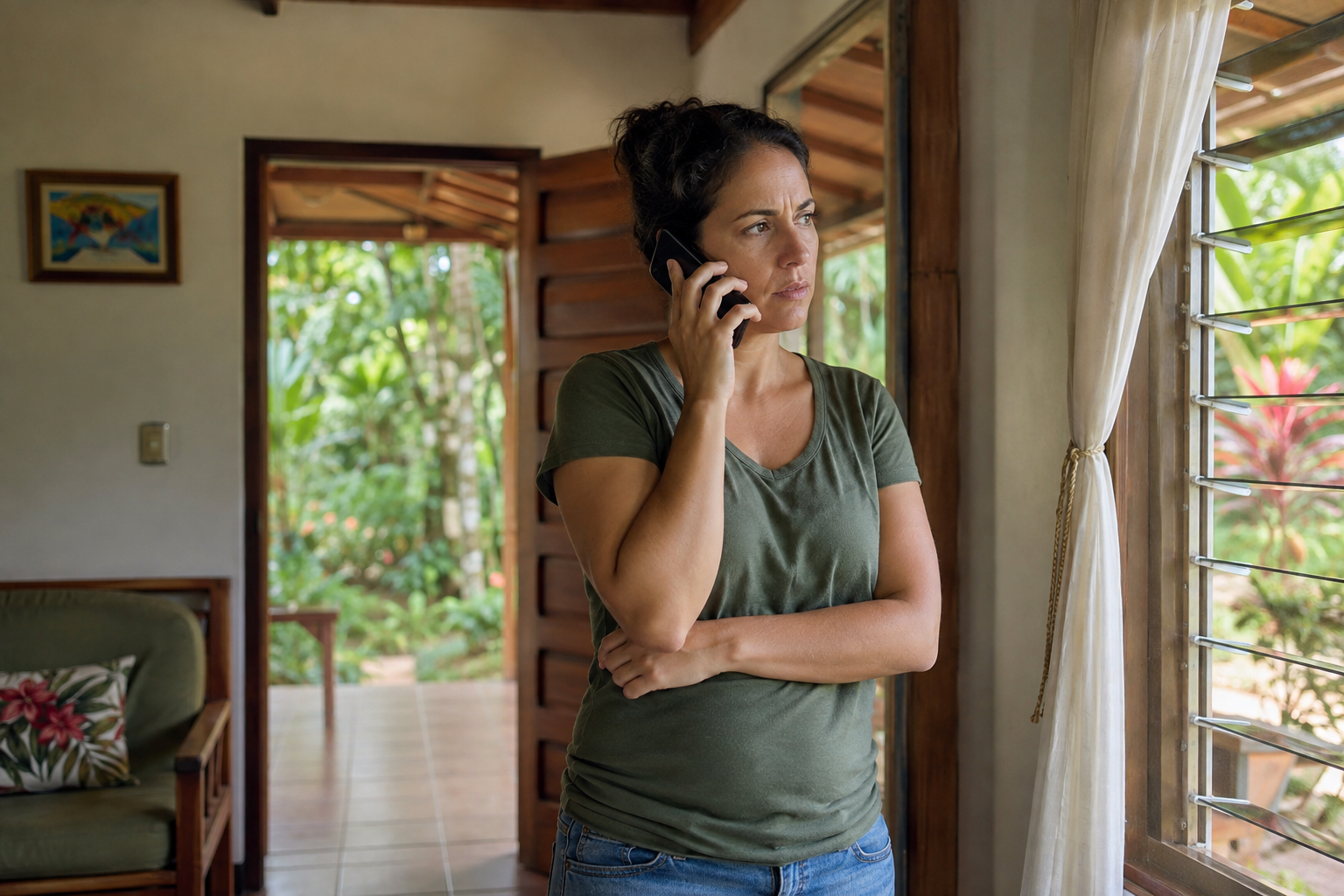
Living in this beautiful country has become a dream for many. Almost 70,000 Americans now call this place home, with a growth of about 14 percent each year since 2020. The allure of its stunning landscapes and welcoming culture is undeniable.
However, navigating the path to residency requires understanding the legal framework and specific requirements for your chosen category. Our team at CRIE has spent over 20 years helping individuals and families manage their immigration goals effectively.
This resource aims to simplify the complexities of the immigration system. Whether you wish to retire, invest, or work remotely, we are here to provide you with the essential information needed for a smooth transition.
We focus on delivering clear, factual insights to prepare you for the administrative demands of moving and living in this vibrant country. For more information, check out our detailed resource on residency for families.
About CRIE’s 20+ Years of Residency and Immigration Support
For over two decades, we have guided individuals and families through the residency process in this enchanting country. Our extensive experience allows us to offer practical and reliable guidance for those wishing to start anew in Costa Rica.
We take pride in our friendly and educational approach. This ensures that every client fully understands the nuances of their immigration journey. By focusing exclusively on residency and immigration, we help applicants navigate the complex administrative processes.
Our dedicated team is committed to providing clear and factual information. This empowers you to manage your transition to Costa Rica with confidence and peace of mind.
Exploring the costa-rica-residency-application-a-step-guide
The journey to legal residency in this vibrant nation is an exciting adventure. Understanding the application process is essential for anyone looking to secure legal status and enjoy the benefits of living here long-term.
This comprehensive roadmap simplifies the complex requirements for moving to Costa Rica. We break down each step of the residency process, ensuring you have the necessary information to prepare your documents and meet official standards.
By following this structured approach, you can better manage the timeline and expectations associated with your residency application. Our goal is to provide a clear overview of the process, helping you navigate the administrative hurdles with greater ease and efficiency.
Understanding Costa Rica Residency Options
Choosing the right residency category can make all the difference in your transition to this beautiful country. There are several paths available, each tailored to different circumstances and needs.
The Pensionado program is popular among retirees. It requires proof of at least $1,000 USD in monthly pension income or Social Security benefits. This option allows for a comfortable lifestyle in a welcoming environment.
For those with stable passive income, the Rentista residency option is ideal. It requires proof of $2,500 USD in monthly income for two years, ensuring financial stability.
The Inversionista category is designed for individuals making a significant investment. A minimum of $150,000 USD is required for a business or property in Costa Rica.
Remote workers can benefit from the digital nomad visa, which requires a monthly income of $3,000 USD. This visa allows for a one-year stay, perfect for those seeking adventure while working.
Family-based residency options, such as marriage to a Costa Rican citizen or being a parent of a Costa Rican child, provide a direct path to legal status. Each residency category has specific requirements, so it’s essential to choose wisely based on your financial situation and long-term goals.
Preparing Your Documents and Authenticating Your Credentials

Securing the right documents is crucial for a successful residency application. Proper preparation can significantly affect your experience in this beautiful country.
Every applicant must obtain a valid birth certificate and, if applicable, a marriage certificate. Both documents require an apostille from the issuing country. Additionally, a clean criminal background check is mandatory for all residency categories.
This background check must be obtained from the country where you have resided recently and is only valid for six months from the date of issuance. Proof of income is essential for financial-based residency. Ensure all financial documents are current and clearly demonstrate your ability to support yourself.
We recommend creating a detailed document checklist to track the status of your passport, apostilles, and official translations required for your Costa Rican application. Avoiding common documentation pitfalls, such as using expired background checks or failing to register your documents, is vital for a smooth immigration process.
Proper documentation management ensures that your application meets the strict standards set by the immigration authorities in Costa Rica. For more detailed insights, check out our resource on residency for families.
A Step-by-Step Guide to the Residency Application Process
Transitioning to life in this captivating country requires careful planning and understanding of the residency process. To start, you need to schedule an appointment with the immigration office in Costa Rica. This is where you will submit your formal residency application.
Your application must include essential documents such as your passport, birth certificate, and marriage certificate, along with proof of your chosen residency category. Under the new regulations, designated Banco de Costa Rica service points can issue your physical DIMEX card on the same day.
During the waiting phase, you can remain in Costa Rica, but it’s crucial to keep track of your legal status. The approval timeline varies, especially for categories like Pensionado, which may take several months. Staying informed about your application is vital to maintaining your residency status.
Many applicants begin their journey on a tourist visa, which is a practical option for those planning to relocate permanently. Keeping your DIMEX card valid is essential for your legal residency in this beautiful country.
Meeting Immigration and Social Security (CAJA) Requirements
Understanding the healthcare requirements is essential for anyone looking to establish residency in this vibrant nation. Enrolling in the Caja Costarricense de Seguro Social, known as CAJA, is a mandatory step for all legal residents.
The CAJA system provides essential healthcare coverage. Your monthly premiums are based on your declared income level, typically ranging from $60 to $300 USD.
We advise all applicants to prioritize their CAJA enrollment immediately upon receiving residency approval. This ensures continuous access to medical services, which is vital for your well-being.
Understanding how the Costa Rican healthcare system functions will help you manage your ongoing responsibilities as a resident. Our practical guidance connects your residency status to your obligations within the national social security system.
Evaluating the Costs and Fees Involved
Understanding the financial aspects of your residency application is crucial for a successful transition. Evaluating the total costs of your residency in this vibrant nation involves accounting for both official government fees and private professional expenses.
Official fees for filing your application and obtaining your residency card generally total between $400 and $600 USD, excluding ongoing CAJA payments. Beyond government costs, you should budget for attorney fees, document translations, and potential travel expenses related to your residency process.
For a comprehensive Pensionado or Rentista application, we typically advise clients to set aside $5,000 to $6,000 USD to cover all necessary expenses. Investment-based residency categories may involve additional costs related to business or property registration, which should be factored into your financial planning.
Being aware of these costs upfront helps you avoid budget surprises and ensures you are prepared for every stage of your residency journey.
Living as a Costa Rican Resident: Rights and Responsibilities

Embracing life as a resident in this vibrant nation opens up a world of opportunities. As a resident, you gain the right to open local bank accounts, sign contracts, and enjoy property ownership rights. These privileges can significantly enhance your quality of life in Costa Rica.
However, with these rights come responsibilities. It’s essential to maintain the specific conditions of your residency category and adhere to local laws. Temporary residents should also be aware of work restrictions, as some categories do not permit traditional employment within the Costa Rican labor market.
Transitioning from a tourist to a resident changes your legal standing. You must ensure compliance with all immigration regulations to maintain your status. Permanent residency offers more flexibility, but it is only available after you have maintained temporary residency for at least three years.
We encourage all residents to stay informed about their rights and responsibilities. This knowledge will help ensure a smooth and enjoyable experience living in Costa Rica.
Understanding Tax Implications for New Residents
Navigating the tax landscape in a new country is crucial for anyone planning to settle here. Costa Rica operates under a territorial tax system. This means that only income earned within the country is typically subject to local taxes.
New residents should consult with a cross-border tax advisor. This will help you understand how your foreign-earned income may be treated in both your home country and Costa Rica.
Here are some key points to consider:
- Property taxes in Costa Rica are generally low, often around 0.25 percent of the assessed value. This is beneficial for those looking to invest in real estate.
- A sales tax of 13 percent applies to most goods and services. This is an important factor to consider when managing your daily living expenses.
- Proper tax planning can help you maintain compliance while optimizing your financial situation as a new resident.
- We recommend seeking professional advice to navigate the complexities of international tax obligations.
For more detailed information on residency requirements, visit our page on required proof for investor residency.
Common Mistakes to Avoid During Your Residency Application
Navigating the residency process in this vibrant nation can be challenging for many newcomers. To ensure a smooth application, it’s vital to be aware of common pitfalls.
One frequent mistake is submitting criminal background checks that are older than six months. Immigration authorities will reject these, causing delays.
Misunderstanding income requirements for your specific residency category, such as Pensionado or Rentista, can lead to an unsuccessful application. It’s crucial to know what documentation you need.
Inconsistencies in names across your passport, birth certificate, and marriage certificate can create significant processing hurdles. Always double-check these details.
Attempting to navigate the residency process without professional guidance often results in incomplete documentation. This can lead to unnecessary delays in your approval.
Many applicants underestimate the time required for document registration and apostille services. This can add stress to your application process.
We advise all applicants to carefully review their documentation. Ensure every requirement is met before submitting your residency application in Costa Rica.
Essential Resources and Preparation Tips for Applicants
Preparing for your residency journey involves utilizing the right resources and strategies. A detailed checklist is essential for ensuring all documents are ready for the application process.
Expert guidance from professionals like Johanna Alvarez at CRIE can help you navigate the complexities of immigration and avoid common errors. We recommend starting your preparation well in advance, as the processing time for various applications can be significant.
Staying organized with your passport, pension records, and social security documentation will make the application process smoother. For personalized guidance on your specific residency case, you can contact Johanna Alvarez at CRIE via WhatsApp at +506 8706 3888.
Additionally, you can reach out to our team at info@crie.cr or visit our website at crie.cr to learn more about our services and next steps.
Ready to Begin Your Journey in Costa Rica?
Taking the leap to establish your life in this welcoming country is a rewarding adventure that requires thoughtful preparation. We hope this resource has equipped you with the essential information to embark on your residency journey with confidence.
Every situation is unique, influenced by factors like nationality and family circumstances. This is why personalized advice can be invaluable. Our dedicated team at CRIE is here to assist you at every step, ensuring you meet all legal requirements.
If you are ready to take the next step, please contact Johanna Alvarez at CRIE for personalized guidance and pricing for your residency application.
FAQ
What are the main types of residency options available in Costa Rica?
How long does the residency application process typically take?
What documents do we need to submit with our application?
Is it necessary to authenticate our documents for the application?
Do we need to enroll in the Costa Rican healthcare system?
What are the costs associated with applying for residency?
Can we work in Costa Rica once we obtain residency?
What are common mistakes to avoid during the application process?
How can we find expert guidance during our residency application?
Article by Glenn Tellier (Founder of CRIE and Grupo Gap)
Don't wait, contact us right now!
Call or WhatsApp Costa Rica +506 8373 2085 or +506 8706 3888
Call USA/Canada +1 305-906-6784