
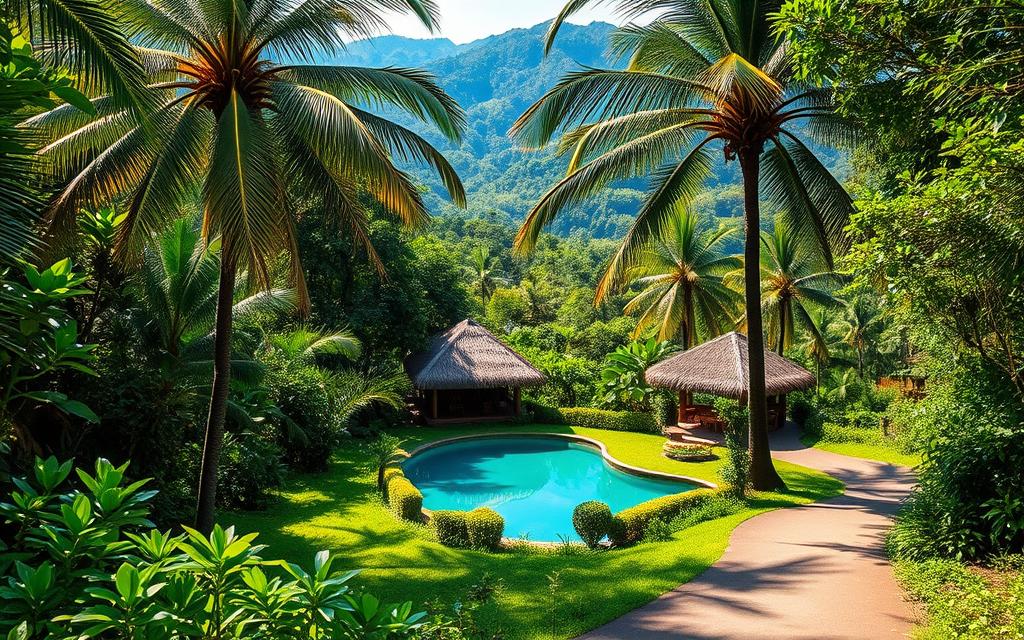
Costa Rica, with its pristine beaches and lush rainforests, is a popular destination for expatriates and digital nomads alike. The ‘Pura Vida’ lifestyle, which translates to “pure life,” embodies the country’s laid-back and nature-loving culture.
The country has attracted thousands of international visitors and residents due to its natural beauty, affordable healthcare, and lower cost of living compared to North America. As of recent estimates, around 70,000 Americans and 3,500 Canadians reside in Costa Rica as full-time residents.
This comprehensive guide will explore the pros and cons of living in Costa Rica, examining the practical realities of daily life, from stunning landscapes to infrastructure challenges, to help you make an informed decision about relocating to this Central American paradise.
Understanding the Pura Vida Lifestyle
Pura Vida, which translates to ‘pure life,’ is more than just a phrase in Costa Rica; it’s a way of living that emphasizes simplicity and happiness. This philosophy is deeply ingrained in the local culture, promoting a relaxed and stress-free lifestyle that appeals to expats and locals alike.
The Pura Vida lifestyle represents Costa Rica’s national identity, embodying a relaxed approach to life that prioritizes well-being, happiness, and appreciation for simple pleasures. It encourages individuals to slow down, reduce stress, and focus on what truly matters.
- Embracing a relaxed approach to life
- Prioritizing well-being and personal fulfillment
- Fostering strong community connections
For those considering living in Costa Rica, understanding and embracing Pura Vida is essential, as it permeates every aspect of daily life, from business practices to social gatherings and personal relationships, creating a unique and enriching experience.
Natural Beauty and Environmental Wonders
With its lush rainforests, pristine beaches, and vibrant culture, Costa Rica stands out as a paradise for those seeking an immersive natural experience. The country’s diverse ecosystems offer a wide range of activities and environments to explore.
Beaches and Coastlines
Costa Rica’s coastline boasts some of the most beautiful and diverse beaches in the world. From the popular tourist destinations like Tamarindo and Puerto Viejo to secluded coves and bays, there’s a beach to suit every preference.

Rainforests and Biodiversity
Costa Rica’s lush rainforests host an incredible diversity of plant and animal species, making it a paradise for nature lovers and outdoor enthusiasts. The rainforests are among the most biodiverse ecosystems on the planet, housing over 500,000 species.
- Costa Rica’s rainforests are home to iconic wildlife like sloths, toucans, scarlet macaws, and four species of monkeys.
- Living near these pristine forests provides residents with opportunities to experience nature in its most vibrant form.
- The country’s varied rainforest types offer different living experiences, climates, and natural attractions depending on location.
- Costa Rica’s commitment to rainforest preservation has created a network of accessible protected areas for hiking, birdwatching, and more.
- The proximity to rainforests comes with practical considerations, including higher humidity and the presence of diverse insects and wildlife.

Political Stability and Safety
The safety situation in Costa Rica varies significantly across different regions and communities. While Costa Rica is generally considered a safe country, some areas are considered safer than others, and some areas are best avoided.
For individuals considering living in Costa Rica, understanding the safety landscape is crucial. Various factors, including tourism, expat communities, and socio-economic conditions, influence the country’s safety profile.
Low Crime Areas vs. High Risk Zones
The Central Valley communities of Escazú, Santa Ana, and Ciudad Colón are generally considered safe and are popular among expats for their lower crime rates and better security infrastructure.
In contrast, coastal tourist destinations like Tamarindo, Jacó, and Puerto Viejo experience higher rates of petty theft and property crime, particularly during peak tourist seasons.
- Costa Rica exhibits significant regional variations in safety.
- Coastal tourist destinations experience higher rates of petty theft and property crime.
- Urban areas like parts of San José present higher safety concerns.
- Rural communities often enjoy lower crime rates but may have less police presence.
- Expats who research location-specific safety information make more informed decisions.
Cost of Living Reality Check
When considering Costa Rica as a potential destination, understanding the cost of living is crucial.
The cost of living in Costa Rica varies significantly depending on lifestyle choices and location. Housing is one of the primary expenses to consider.
Housing Costs
Costa Rica real estate prices can be quite varied, depending on factors such as location, size, and amenities. The cost of housing in popular expat areas like Tamarindo, Puerto Viejo, and San José can be relatively high.
Daily Expenses and Utilities
Daily expenses, including utilities, can add up quickly. The cost of basic utilities in Costa Rica, particularly electricity, can be surprisingly high, with rates among the highest in Central America.
- Utility costs in Costa Rica can be high, with electricity rates at approximately $0.20-0.24 per kilowatt-hour.
- Water service is generally affordable at $10-25 monthly for most households.
- Internet connectivity has improved, with fiber optic service available in many urban areas, though costs remain higher than in North America.
- Grocery expenses depend on shopping habits, with locally grown produce being quite affordable.
- Transportation costs vary based on lifestyle choices, with public bus service being extremely affordable.
Understanding these costs is essential to making an informed decision about living in Costa Rica.
Healthcare System Benefits
One of the key advantages of living in Costa Rica is its comprehensive healthcare system. Costa Rica’s healthcare benefits are a significant draw for expats considering relocation. The country offers both public and private healthcare options, catering to different needs and preferences.
The public healthcare system, known as Caja Costarricense de Seguro Social (CCSS), provides universal coverage to legal residents. It offers comprehensive services, including preventive care, surgeries, and medications, at a fraction of North American costs.
Public vs. Private Healthcare Options

While the public healthcare system is robust, it also presents challenges, including longer wait times and bureaucratic processes. Private healthcare options, on the other hand, offer shorter wait times and state-of-the-art facilities, with major private hospitals like CIMA and Clínica Bíblica.
Many expatriates opt for private healthcare due to its flexibility and quality of service. Private health insurance premiums range from $60 to $250 per month, depending on the level of coverage.
Infrastructure Challenges
Understanding Costa Rica’s infrastructure is crucial for a smooth transition to living there. While the country has made significant strides in improving its infrastructure, there are still challenges to be aware of, particularly for those planning to live and work in Costa Rica.

Road Conditions and Transportation
Road conditions in Costa Rica vary significantly, from well-maintained highways to rough, unpaved rural roads. The country’s transportation network is continually being improved, with major highways connecting key cities and tourist areas. However, traffic congestion in urban areas like San José can be a challenge, and rural areas often have limited public transportation options.
Internet and Utilities Reliability
Costa Rica has made significant improvements to its internet infrastructure, with fiber-optic connections available in many urban areas and popular expatriate communities. However, internet reliability can vary, especially in rural areas where slower DSL or wireless options may be affected by weather conditions. Power outages can occur, particularly during the rainy season, making backup power solutions important. Water service is generally reliable, though seasonal shortages can occur, and many expatriates choose to filter their drinking water.
Residency Options for Expats
Costa Rica offers various residency options for expats, each with its unique benefits and requirements. The country has designed these programs to attract foreign investment and talent, making it easier for individuals to make Costa Rica their home.
Pensionado and Rentista Programs
The Pensionado and Rentista programs are two popular residency options for expats. The Pensionado program is designed for retirees, requiring a minimum monthly income of $1,000 from a pension. The Rentista program, on the other hand, requires a minimum monthly income of $2,500 from a reliable source. For more information on these programs, including the Costa Rica pensionado visa requirements, expats can visit the provided link.
Investor and Digital Nomad Visas
For those looking to invest in Costa Rica, the Inversionista (Investor) Visa is an attractive option. This visa requires a minimum investment of $150,000 in a Costa Rican business or property. The Digital Nomad Visa, introduced in 2021, allows remote workers to live in Costa Rica while working for foreign employers. To apply, individuals must demonstrate a monthly income of at least $3,000 (or $4,000 with a family) and have health insurance. For more details on the Costa Rica digital nomad visa application process, please visit the provided link.
The Investor Visa allows holders to engage in their investment activities and apply for permanent residency after three years. In contrast, the Digital Nomad Visa is valid for one year, with the possibility of extension, but does not lead to permanent residency.
Language Barriers and Communication
As you consider making Costa Rica your home, it’s essential to grasp the language dynamics that will impact your daily life. While many locals in tourist areas and professionals in the Central Valley possess some English proficiency, venturing beyond these zones often means diving into communities where English is scarce.
Living in Costa Rica as an expat can be a rewarding experience, but it requires a certain level of Spanish communication skills to navigate everyday tasks, from grocery shopping to setting up utilities. The language barrier can present significant challenges, particularly when dealing with government offices, healthcare facilities, and local businesses.
- Spanish is the official language, and while English is common in tourist areas, many day-to-day interactions require basic Spanish skills.
- Costa Rican Spanish has its unique accent and vocabulary, including expressions like “pura vida” that are distinct from standard Spanish.
- Expatriates who learn Spanish report richer experiences and deeper community integration.
- Language schools and private tutors are available throughout Costa Rica, facilitating language acquisition for expats.

Weather Patterns and Climate Considerations
Understanding Costa Rica’s weather patterns is essential for anyone considering a move to this tropical paradise. The country’s climate varies significantly from one region to another, making it essential to research the specific weather conditions of the area you plan to live in. Costa Rica’s climate is generally warm and tropical, characterized by two distinct seasons: the dry season and the rainy season.
Living in Costa Rica means experiencing a climate that can be both beautiful and challenging. The increased frequency and intensity of storms are noteworthy, with hurricanes and tropical storms becoming more common. This can lead to overflowing rivers, landslides, and damage to infrastructure, disrupting daily life.

Rainy Season Challenges
The Costa Rican rainy season, which runs from May to November, presents unique challenges for residents. The heaviest rainfall typically occurs in September and October, with some areas receiving 15-30 inches of precipitation monthly. Daily life adapts to the predictable pattern of morning sunshine followed by afternoon downpours.
- Residents schedule outdoor activities and errands according to avoid the heaviest rains.
- Infrastructure vulnerabilities become more apparent during the rainy season, with road washouts, landslides, power outages, and internet disruptions occurring more frequently.
- Humidity levels rise significantly during the rainy months, creating challenges for preventing mold growth in homes and maintaining comfort without excessive air conditioning use.
The intensity of the rainy season varies by region, with the Caribbean coast experiencing a distinct pattern compared to the Pacific side. Regional research is particularly important for those who are sensitive to prolonged rainy periods.
Tax Implications for Expats
Costa Rica’s tax system can be complex for expats, requiring a thorough understanding to navigate effectively. The country operates on a territorial tax system, meaning residents are only taxed on income earned within Costa Rica.
This territorial taxation creates significant advantages for expatriates compared to countries with worldwide taxation systems. However, U.S. citizens remain subject to U.S. tax filing requirements regardless of residency status abroad.
The tax residency threshold in Costa Rica is 183 days of physical presence within a calendar year. A 13% value-added tax (VAT) applies to most goods and services, while import duties on vehicles and luxury items can be extremely high.
Property taxes are relatively low at approximately 0.25% of the registered property value annually. A luxury home tax applies to properties valued above approximately $230,000, with progressive rates for higher valuations.
Costa Rica Pros and Cons for Different Lifestyles
Living in Costa Rica offers a distinct experience for retirees, digital nomads, and families alike. The country’s relaxed atmosphere and rich biodiversity make it an attractive destination for various lifestyles.

Retirees
Retirees often find Costa Rica appealing due to its low cost of living and pleasant climate. The “Pura Vida” philosophy aligns with the relaxed pace of life that many retirees seek. Costa Rica offers a range of housing options, from affordable apartments to luxury homes, making it easy for retirees to find a home that suits their needs.
Digital Nomads
Digital nomads are drawn to Costa Rica’s modern infrastructure and vibrant expat communities. With reliable internet and a variety of coworking spaces, Costa Rica provides an ideal environment for remote workers. The country’s natural beauty and outdoor activities also offer an outstanding work-life balance.
Families with Children
Families relocating to Costa Rica appreciate the country’s emphasis on family values and outdoor lifestyle. Educational options range from public schools to private international schools, offering a variety of curricula. While challenges include potentially high costs for quality education and adjustments to different educational standards, many families find that the benefits of raising their children in a multicultural environment outweigh these challenges.
- Families can benefit from Costa Rica’s safe environment and outdoor lifestyle.
- Educational options are varied, including public and private international schools.
- Children can quickly adapt to life in Costa Rica, learning Spanish and appreciating cultural diversity.
Cultural Integration and Social Life
Costa Rica’s expat communities offer a welcoming environment for newcomers. With around 70,000 Americans and 3,500 Canadians residing in the country, these communities provide essential support networks for adjusting to life in Costa Rica.
The Central Valley, particularly areas like Escazú and Santa Ana, coastal regions of Guanacaste, and the Southern Zone, host numerous well-established expatriate communities. These communities organize regular social events, charitable activities, interest groups, and information-sharing forums, helping new arrivals navigate practical aspects of life while building connections.
Expat Communities
Expatriate concentrations vary by nationality and demographics, attracting retirees, digital nomads, families, and multinational populations. While these communities provide valuable support, those who exclusively socialize within them may miss authentic cultural experiences. Successful long-term expatriates strike a balance between maintaining connections with fellow expatriates and developing meaningful relationships with local Costa Rican communities.
The diversity within expat communities in Costa Rica allows individuals to find like-minded groups while also engaging with the local culture, creating a rich and fulfilling social life.
Banking and Financial Considerations

Opening a bank account in Costa Rica can be challenging for newcomers, as most banks require a valid residency status. However, some institutions like Banco de Costa Rica and Scotiabank offer limited accounts for non-residents with proper documentation.
The banking system operates differently in Asia, with extensive paperwork requirements and in-person verification processes designed to prevent fraud and money laundering. Many expatriates maintain accounts both in Costa Rica and their home countries, utilizing services like Wise for international transactions.
Bill payment systems are increasingly moving online, but many Costa Ricans still pay utilities in person at banks or through third-party services, creating long lines. Financial planning should account for currency exchange considerations, as fluctuations between the U.S. dollar and the Costa Rican colón can impact purchasing power.
Environmental Challenges and Natural Disasters

Living in Costa Rica means embracing its natural beauty, but also understanding the environmental hurdles it faces. The country’s unique geography makes it prone to various natural disasters, including volcanic activity, earthquakes, and hurricanes.
Costa Rica’s location on the Pacific Ring of Fire makes it susceptible to seismic activity, with several active volcanoes that can affect air quality and require evacuations. The tropical location also exposes the country to hurricane impacts, primarily on the Caribbean coast, and flooding during the rainy season.
Climate change has intensified weather patterns, resulting in more severe droughts and intense rainfall events, which in turn affect water availability and infrastructure. Despite its environmental reputation, Costa Rica faces challenges such as deforestation, water pollution, and pressures from coastal development.
To live in harmony with Costa Rica’s environment, residents must adapt, including proper home construction for earthquake safety and adequate drainage systems for heavy rainfall.
Bureaucracy and Government Processes
Understanding Costa Rica’s government processes is crucial for a smooth transition when living in Costa Rica. The country’s bureaucratic system can be complex and time-consuming, often requiring multiple visits to government offices and a good understanding of Spanish.
Government processes in Costa Rica often move at a significantly slower pace than many expatriates are accustomed to. For instance, tasks such as obtaining residency, setting up utilities, or dealing with government offices may take longer than expected.
- The concept of “tramitología” (excessive paperwork and procedures) is a recognized challenge in Costa Rican bureaucracy.
- Language barriers can compound bureaucratic challenges, making assistance from a bilingual friend or attorney invaluable.
- Costa Rica’s legal system operates under civil law, with procedures and expectations that can differ significantly from those in North America.
To navigate these challenges, it’s essential to develop patience, plan for longer timeframes, and maintain complete documentation. Building relationships with helpful officials and sometimes engaging professional assistance can also be beneficial. For more information on the benefits of residency in Costa Rica, you can visit https://crie.cr/benefits-of-costa-rica-residency/.

Conclusion
For those considering Costa Rica, the key is understanding how the country’s strengths and weaknesses align with personal goals. Costa Rica offers a unique blend of natural beauty, political stability, and quality of life that continues to attract expatriates. The country’s extraordinary biodiversity, pleasant climate options, and high-quality healthcare are significant advantages. However, potential drawbacks include higher-than-expected costs, infrastructure limitations, and bureaucratic complexities.
The suitability of Costa Rica as a destination varies based on individual priorities, financial resources, and lifestyle preferences. For those who align with Costa Rica’s values and appreciate its natural environment, the country can offer a profoundly rewarding way of life. By approaching the transition with realistic expectations and flexibility, expatriates can find living in Costa Rica to be a transformative and enriching experience. Ultimately, weighing the pros and cons carefully will help determine if Costa Rica is the right choice for you.
Article by Glenn Tellier (Founder of CRIE and Grupo Gap)
Don't wait, contact us right now!
Call or WhatsApp Costa Rica +506 8373 2085 or +506 8706 3888
Call USA/Canada +1 305-906-6784