

Welcome to Costa Rica! As you settle into the “Pura Vida” lifestyle, one of the first practical steps you’ll need to take is getting connected to a local mobile network. Whether you’re a tourist on a short-term visit, a digital nomad taking advantage of the new visa, or a new resident, understanding the mobile provider landscape is essential. The good news is that Costa Rica’s telecommunications market has evolved, offering excellent coverage, competitive pricing, and modern services like 5G and eSIM technology.
The Major Mobile Providers in Costa Rica for 2025
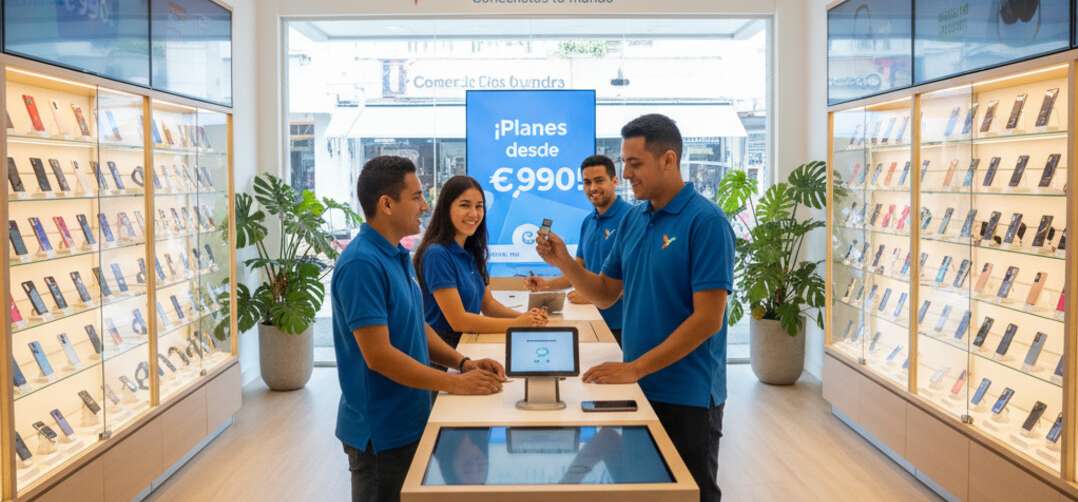
Costa Rica’s mobile market is dominated by three main providers. Here’s a breakdown of each to help you choose the best fit for your needs:
1. Kolbi (ICE)
Kolbi, the brand name for the state-owned Instituto Costarricense de Electricidad (ICE), is the largest and most established provider in the country, controlling approximately 60% of the market.
- Strengths: Kolbi boasts the most extensive and reliable coverage nationwide, making it the undisputed champion in rural and remote areas. If you plan to travel extensively or live outside of the Central Valley, Kolbi is your safest bet.
- Weaknesses: While competitive, Kolbi’s prices may be slightly higher than its competitors’ for certain data packages.
2. Liberty (formerly Movistar)
Liberty has emerged as a strong competitor, offering a modern network and attractive plans, particularly in urban areas.
- Strengths: Liberty is known for its competitive pricing on data-heavy plans and was one of the first to secure spectrum in the 2025 5G auction. They often have aggressive promotions for new customers.
- Weaknesses: While their network is excellent in cities and larger towns, coverage can be less reliable in more remote parts of the country.
3. Claro
Claro, a major player throughout Latin America, is the third major provider in Costa Rica, offering a solid balance of coverage and value.
- Strengths: Claro is a great option for those who need to make frequent international calls, as they often have the best rates and packages for connecting with other countries. They also have strong coverage in most populated areas.
- Weaknesses: Similar to Liberty, Claro’s coverage may not be as robust as Kolbi’s in the most rural regions.
Comparing the Providers: A 2025 Snapshot
| Provider | Best For | 5G Status (2025) | eSIM Support |
|---|---|---|---|
| Kolbi | Nationwide Coverage | Rolling out | Yes |
| Liberty | Data-Heavy Users & Promotions | Rolling out | Yes |
| Claro | International Calling | Rolling out | Yes |
Prepaid vs. Postpaid Plans: What’s the Difference?

As an expat or visitor, you’ll have two main options for mobile service:
- Prepaid (Prepago): This is the easiest and most common option for tourists and new residents. You simply buy a SIM card and add credit (“recargar”) as you go. You can purchase data packages that last for a certain number of days or weeks. No contract or residency is required.
- Postpaid (Postpago): This is a contract-based plan where you pay a fixed monthly fee for a set amount of data, minutes, and texts. Postpaid plans often offer better value for heavy users, but they require legal residency status (a DIMEX card) and a credit check.
How to Get a SIM Card in Costa Rica
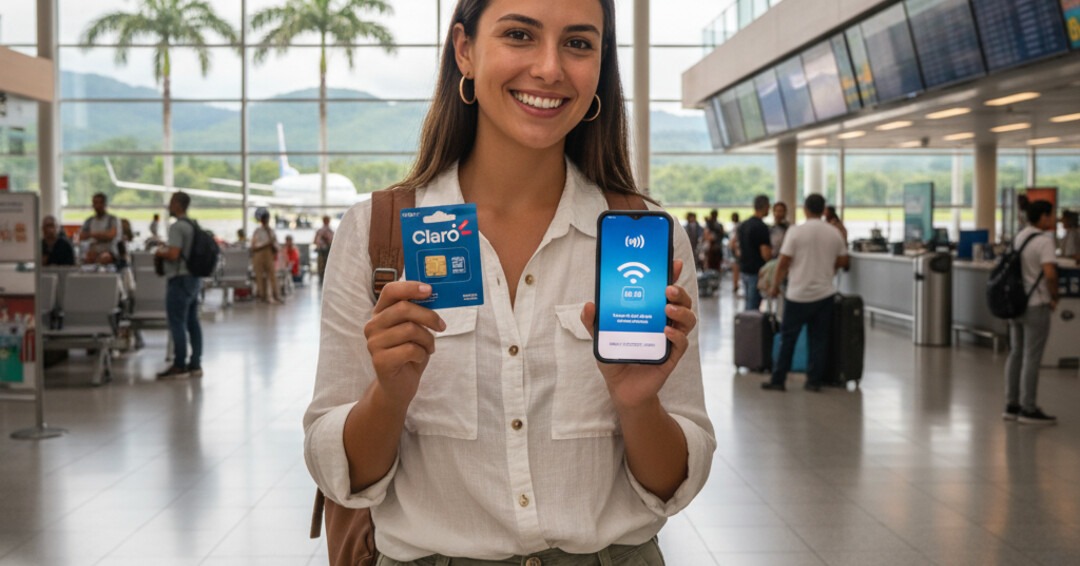
Getting a prepaid SIM card is a straightforward process. You can purchase one at:
- Juan Santamaría International Airport (SJO): There are kiosks for the major providers right in the baggage claim area.
- Official Provider Stores: Each provider has retail stores in most towns and shopping malls.
- Supermarkets and Electronics Stores: Many larger supermarkets and electronics stores also sell SIM cards.
To register your prepaid SIM card, you will need to present your original passport. You can typically purchase up to five SIM cards per person.
FAQ: Your Questions About Mobile Service in Costa Rica

Will my phone from home work in Costa Rica?
Most modern smartphones from North America and Europe will work in Costa Rica, but your phone must be unlocked to use a local SIM card. If your phone is locked to your home carrier, you will need to contact them to have it unlocked before you travel.
What is an eSIM, and can I use one in Costa Rica?
An eSIM is a digital SIM that allows you to activate a cellular plan without having to use a physical SIM card. As of 2025, all three major providers in Costa Rica (Kolbi, Liberty, and Claro) offer eSIM support for compatible devices. This is a great option for tourists who want to get connected quickly without swapping out their physical SIM.
How much does mobile data cost in Costa Rica?
Data prices are very reasonable. A prepaid SIM card itself costs around 1,000-2,000 colones ($2-4 USD). After that, you can purchase data packages. For example, a 5GB data package typically costs around $11-15 USD and will last for 30 days.
How do I add credit to my prepaid SIM card?
You can “recargar” (recharge) your prepaid plan at any official provider store, most supermarkets, and many small convenience stores (pulperías) across the country. You can also recharge online through the provider’s website or app.
Is 5G available in Costa Rica?
Yes. The 5G auction was completed in early 2025, and Kolbi, Liberty, and Claro are all in the process of rolling out their 5G networks. As of late 2025, 5G coverage is primarily available in major urban areas like San José, but it is expanding rapidly.
Can I use my US or Canadian phone plan in Costa Rica?
Many US and Canadian carriers, such as T-Mobile and AT&T, offer international roaming plans that include Latin America. While this can be a convenient option for short trips, it is almost always more expensive than using a local Costa Rican SIM card for longer stays.
What do I need to get a postpaid plan?
To sign up for a postpaid plan, you will need to be a legal resident of Costa Rica and have a DIMEX card. You will also need to provide proof of income and undergo a credit check. Postpaid plans are a great option for long-term residents who want the convenience of a monthly bill and often get more data for their money.
Which provider has the best coverage in remote beach towns?
For the best coverage in rural and remote areas, including many of the popular beach towns, Kolbi is the clear winner. Their network is the most extensive in the country, and they are often the only provider with a strong signal in more isolated locations.
Need Help with Residency? Contact CRIE!
While we can’t sell you a phone plan, we can help you with the most important step in your journey: securing your legal residency in Costa Rica. Contact the experts at CRIE today for a consultation on your residency options.
- Email: info@crie.cr
- Website: crie.cr
Article by Glenn Tellier (Founder of CRIE and Grupo Gap)
Don't wait, contact us right now!
Call or WhatsApp Costa Rica +506 8373 2085 or +506 8706 3888
Call USA/Canada +1 305-906-6784