
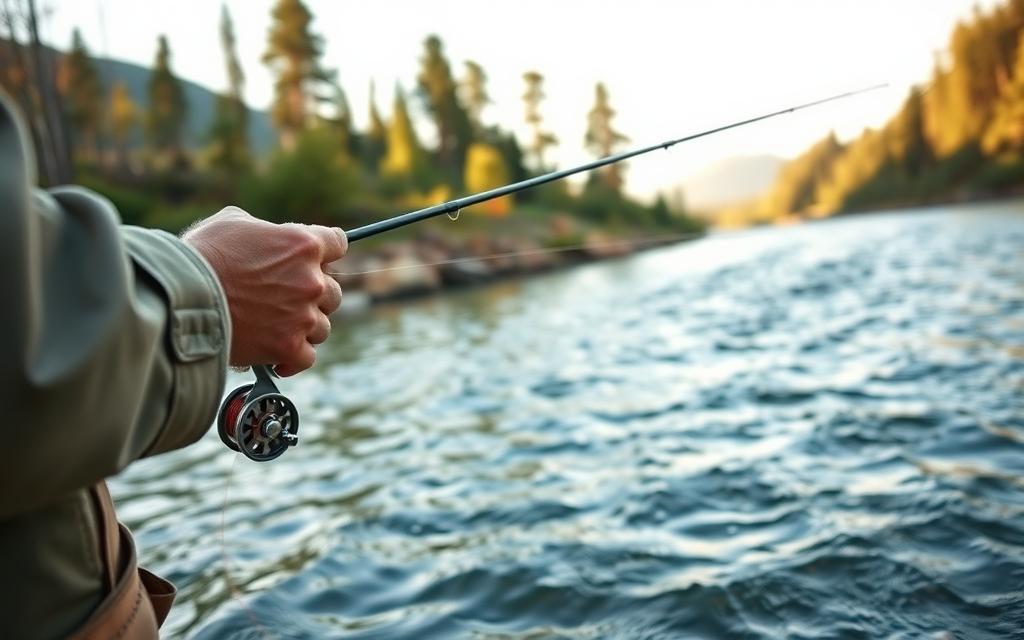
Costa Rica is renowned for its exceptional natural beauty and rich biodiversity, making it a paradise for anglers. The country’s diverse water resources offer an unparalleled fly fishing experience for passionate fishermen.
The unique geography of Costa Rica provides access to both Pacific and Caribbean coastlines, as well as numerous inland rivers and Lake Arenal, creating a vibrant underwater world teeming with colorful species. This diversity translates to a wide range of fishing opportunities, from freshwater to saltwater, and a variety of fish species to catch.
With its established fishing infrastructure, experienced guides, and year-round fishing opportunities, Costa Rica stands out as a premier destination for international anglers seeking a memorable experience in the world of fly fishing.
The Allure of Costa Rica for Fly Anglers
With its rich biodiversity and stunning landscapes, Costa Rica stands out as a premier destination for fly fishing enthusiasts. The country’s attractiveness as a fly fishing destination for both beginners and experienced fly fishermen is rooted in several compelling reasons.
Costa Rica’s extensive coastlines, spanning over 800 miles combined, offer access to vastly different fishing environments and species within a single country. The Pacific coastline, stretching over 600 miles, and the Caribbean coast, with its 125 miles of shoreline, provide diverse fishing experiences.
The country’s commitment to conservation, with over 25% of its land protected, has helped maintain healthy fish populations, making it a sustainable fishing destination. Costa Rica’s tropical climate allows for year-round fishing opportunities, although different regions and species have optimal seasons.
- The established tourism infrastructure in Costa Rica makes it more accessible than many other world-class fishing destinations.
- English-speaking guides, quality accommodations, and reliable transportation enhance the overall fishing experience.
- Costa Rica’s natural beauty, featuring volcanic mountains, rainforests, and pristine beaches, complements the angling experience.
Costa Rica has been a popular international fishing destination for over 40 years, allowing guides and operations to refine their services to world-class standards. This blend of natural beauty, diverse fishing opportunities, and professional services makes Costa Rica an ideal destination for fly anglers.
Understanding Fly Fishing Basics
The art of fly fishing combines skill, patience, and a deep understanding of the water and its inhabitants. Fly fishing is a specialized fishing technique that primarily utilizes artificial baits known as “flies” to catch fish. Unlike traditional fishing methods, fly fishing relies on the weight of the line to carry the nearly weightless fly to the target.
To engage in fly fishing, one must be familiar with the specialized equipment required, including fly rods, reels, weighted lines, leaders, tippets, and artificial flies. The technique of casting in fly fishing involves a distinct back-and-forth motion to load the rod with energy before delivering the fly to the target area. Presentation is crucial; the goal is to make the fly appear as natural as possible to entice fish to strike.
Fly fishing has evolved from its freshwater origins, where it was used to catch species like trout, to include saltwater applications for larger species. This evolution makes destinations like Costa Rica ideal for diverse fly fishing experiences. Adapting traditional techniques to tropical conditions and species can present exciting challenges for anglers of all experience levels.
- Fly fishing requires a significant level of angling skill and knowledge of the water.
- The technique involves using artificial flies that mimic the natural prey of fish.
- Casting is a critical skill, involving a back-and-forth motion to deliver the fly.
- Presentation is key to enticing fish to strike.
Top Costa Rica Fly Fishing Destinations
With its unique geography, Costa Rica provides a multitude of fly fishing opportunities, from ocean species to freshwater fish.

Pacific Coast Hotspots
The Pacific Coast of Costa Rica is home to some of the most renowned fly fishing destinations. Places like Quepos/Manuel Antonio offer exceptional sailfish and marlin fly fishing opportunities.
The Nicoya Peninsula and Guanacaste beaches are excellent for inshore fishing, targeting species such as roosterfish and snook.
Caribbean Coast Treasures
The Caribbean Coast, particularly areas like Tortuguero and Barra del Colorado, is famous for its giant tarpon fishing. Anglers can expect to catch tarpon exceeding 100 pounds.
The region’s unique ecosystem provides a challenging yet rewarding experience for fly anglers.
Freshwater Paradises
Costa Rica’s freshwater destinations, such as Lake Arenal and the Sarapiqui River, offer exciting opportunities for fly anglers. Lake Arenal is known for its rainbow bass (guapote) and machaca, set against the backdrop of the Arenal Volcano.
The jungle rivers provide a pristine setting for targeting exotic species.
Costa Rica’s diverse geography allows anglers to experience multiple fishing environments in a single trip, making it an ideal destination for fly fishing enthusiasts.
Prized Fish Species in Costa Rica’s Waters
The rich marine life and freshwater bodies in Costa Rica create an ideal environment for numerous prized fish species. Costa Rica’s diverse ecosystems support a wide range of fish, making it a haven for fly fishing enthusiasts.
Saltwater Giants
Costa Rica’s Pacific waters are renowned for hosting an array of prized gamefish, including sailfish, marlin, roosterfish, dorado (mahi-mahi), and cubera snapper. These species can be targeted using fly fishing techniques, offering a thrilling experience for anglers. The Caribbean coast is particularly famous for its massive tarpon, often exceeding 100 pounds, as well as snook, which present challenging yet rewarding targets for fly anglers. For more information on marlin fishing in Costa Rica, visit https://crie.cr/marlin-fishing-in-costa-rica/.
The saltwater environments of Costa Rica are home to a variety of species that can be caught using fly fishing. The diversity of fish species in these waters allows anglers to employ various techniques, from surface poppers for roosterfish to deep sinking lines for larger species.
Freshwater Challenges
In addition to its saltwater giants, Costa Rica’s freshwater bodies offer exciting opportunities for fly fishing. Freshwater species include the hard-fighting rainbow bass (guapote), the acrobatic machaca, and various cichlids. The cooler mountain streams of the central highlands even offer rainbow trout fishing, although these fish tend to be smaller than their North American counterparts.
The variety of freshwater fish species in Costa Rica allows anglers to hone their skills using different fly fishing techniques. Conservation efforts are increasingly important for many of these species, with catch-and-release practices strongly encouraged for billfish, roosterfish, and tarpon to ensure sustainable fishing for future generations.
Seasonal Guide to Costa Rica Fly Fishing

Costa Rica’s diverse waters offer a fly fishing experience throughout the year, but understanding the seasonal patterns is key to a successful trip. The country’s tropical climate means that the ideal time for fly fishing can vary significantly depending on the region and the species you’re targeting.
The dry season, which spans from December to April, generally provides the most stable weather conditions for fly fishing. During this period, the Pacific coast experiences less rainfall and calmer seas, making it ideal for targeting species like roosterfish and sailfish. In contrast, the green season, from May to November, brings more rain but offers excellent opportunities for tarpon fishing on the Caribbean coast, particularly from July to October.
Understanding these seasonal variations is crucial. For instance, billfish seasons vary, with sailfish peaking on the Central and Northern Pacific from December through April, while marlin are more prevalent from May through November. Roosterfish can be targeted year-round on the Pacific coast, but the dry season typically offers better conditions for sight fishing.
The weather patterns between the Pacific and Caribbean coasts can differ significantly, allowing for year-round fishing opportunities somewhere in the country. By planning your trip according to these seasonal patterns, you can maximize your chances of a successful fly fishing adventure in Costa Rica.
Essential Gear for Costa Rica Fly Fishing

Costa Rica’s diverse fish species and varied fishing environments demand a thoughtful approach to selecting fly fishing gear. The fundamental gear required for fly fishing generally includes a fly line, fly reel, and fly rod, along with a leader and tippet, and a selection of flies.
Rod selection varies by target species: 7-8 weight rods are suitable for freshwater species, 9-10 weight rods for inshore saltwater fishing, and 12-14 weight rods for offshore billfish and tarpon. Reels should have smooth, reliable drag systems and sufficient capacity to hold backing, particularly for larger saltwater species.
Fly lines should include floating options for freshwater and some inshore applications, as well as intermediate and sinking lines for deeper water situations. A variety of flies is crucial, including poppers and streamers for freshwater species, large, durable saltwater patterns for offshore species, and a mix of baitfish imitations for inshore fishing.
Additional essential gear includes polarized sunglasses, sun protection (such as lightweight long-sleeve shirts, a buff, hat, and sunscreen), and rain gear during the green season months. Specialized items like stripping gloves, pliers for hook removal, and waterproof bags to protect electronics are also highly recommended for the tropical conditions encountered in Costa Rica.
Offshore Fly Fishing Techniques
Offshore fly fishing in Costa Rica is a thrilling experience that requires skill, strategy, and the right techniques. Anglers venturing into these waters are often targeting species like billfish, dorado, and tuna, which demand a deep understanding of both the fish and the techniques used to catch them.

Billfish Tactics
One of the most effective methods for catching billfish is the “bait and switch” technique. This involves using conventional teasers, such as plastic squids or squid daisy chains, to attract fish to the boat. As a billfish approaches the teaser, the mate rips it away, and the angler presents the fly to the now-agitated fish. Successful billfish fly fishing requires precise teamwork between the captain, mate, and angler, with the timing of the teaser removal and fly presentation being crucial.
For sailfish, 12-14 weight rods are standard, while marlin require 14-16 weight equipment with strong, reliable drag systems. Unlike conventional fishing, setting the hook when fly fishing for billfish involves several strong pulls in the opposite direction of the fish’s movement.
Pelagic Species Strategies
When targeting pelagic species like dorado (mahi-mahi) and tuna, anglers often cast to feeding frenzies or fish attracted to floating debris. Leaders for these species typically consist of a heavy butt section (80lb), class tippet (16-20lb), and shock tippet (80-100lb) to withstand their powerful runs.
Effective fly fishing for these species involves understanding their behavior and habitats, as well as selecting the right flies and tackle. By mastering these techniques, anglers can enjoy a successful and exciting offshore fly fishing experience in Costa Rica.
Inshore Fly Fishing Methods
Costa Rica’s inshore waters are a paradise for fly anglers, with numerous species to target using different methods. Inshore fly fishing along the Pacific Coast of Costa Rica involves a lot of blind casting, as opposed to the saltwater flats of the Caribbean, where sight casting is more common.
Coastal Approaches
Inshore fly fishing on the Pacific coast typically means very little sight casting to fish that you or your guide have picked out. You need to be prepared to blind cast the majority of the day, as either your boat and/or the fish you are casting to will be moving 100% of the time. Quick, long, and accurate casts are crucial to present your fly into the small window the fish gives you.
When targeting species like roosterfish, the ability to make long casts (60-80 feet) with large flies is essential, as these fish often patrol the surf zone where boats cannot venture too close. Fishing in Costa Rica offers an exciting experience with its diverse marine life.

Mangrove and Estuary Tactics
In mangrove and estuary environments, particularly on the Caribbean coast, shorter, more precise casts are needed to present flies into tight openings where snook and juvenile tarpon often hold. Surface poppers and noisy flies can be extremely effective for aggressive species like jacks and roosterfish.
Intermediate sinking lines are versatile for inshore fishing, allowing flies to get down in the water column while still enabling relatively quick retrieves when fish are spotted on the surface. This technique is particularly useful in the complex structures of mangroves and estuaries.
Freshwater Fly Fishing Strategies
Freshwater fly fishing in Costa Rica is characterized by its unique techniques and diverse fish species. The country’s freshwater bodies, including rivers and lakes, offer a variety of fishing experiences that cater to different angling strategies.
River Techniques
River fishing in Costa Rica often involves navigating jungle rivers, where anglers use float trips to cast to structure and make surface presentations. In rivers with limited visibility, especially during the green season, making a “splat” on the surface with the fly can trigger reaction strikes from aggressive species like machaca.
- Float trips down jungle rivers allow anglers to access prime fishing spots.
- Surface presentations are effective for targeting aggressive species.
- Noisy flies that “splat” on the water’s surface can elicit bites.
Lake Tactics
Lake Arenal is a prime destination for freshwater fly fishing, with trophy-sized rainbow bass often found in deeper water. Anglers should identify underwater structure and make blind casts, varying their strip patterns based on the fly used.

- Deeper presentations are necessary for targeting trophy rainbow bass.
- Identifying underwater structure is crucial for successful lake fishing.
- Varying strip patterns can improve the chances of eliciting bites.
Successful freshwater fly fishing in Costa Rica involves adapting techniques to the specific water body and species. Using the right tackle and understanding the behavior of the target species are key to a successful fishing trip.
Booking a Costa Rica Fly Fishing Charter
For a seamless and successful fly fishing experience in Costa Rica, booking a professional charter is essential. The success and smoothness of a fishing charter in Costa Rica depend on various qualities, including professional fishing guides who are well-versed in local waters, fish behavior, and the best fishing spots in the region.
When booking a Costa Rica fly fishing charter, several factors should be considered to ensure a successful experience. Working with experienced outfitters who specialize in fly fishing is crucial. Private charters are recommended over shared boats, as fly fishing requires specific boat positioning and techniques that differ from conventional fishing methods.
- Verify that potential charter operators have experience with fly anglers and carry appropriate equipment, including fly rods, reels, and flies if you’re not bringing your own gear.
- Consider booking multi-day packages that include accommodations, as these often provide better value and ensure consistent quality across your fishing experience.
- Fishing licenses in Costa Rica cost approximately $15 for one week or $30 for one month and must be purchased before your first day on the water.
- Standard tipping practice for fishing guides in Costa Rica is 15-20% of the charter cost, with the captain typically distributing tips among the crew.
By choosing a reputable and experienced fly fishing charter, you can enhance your overall experience in Costa Rica, ensuring a memorable and productive fishing trip.
Conservation and Regulations
Costa Rica’s commitment to conservation is reflected in its fishing regulations and practices. The country promotes sustainable fishing and environmental conservation through various local and national fishing policies.
One of the key conservation measures implemented in Costa Rica is the “catch and release” practice for many species. By law, all billfish in Costa Rica are strictly catch and release. Additionally, releasing prized inshore species like roosterfish, tarpon, and cubera snapper is strongly encouraged to ensure sustainable populations.

Some species, such as tuna, dorado (mahi-mahi), wahoo, snappers, groupers, corvina, and snook, can be kept for consumption. However, size limits may apply to certain species, and anglers are advised to check the local regulations before harvesting any fish.
Costa Rica’s commitment to conservation is also evident in its extensive marine protected areas and seasonal fishing restrictions. These measures are designed to protect spawning aggregations and ensure the long-term sustainability of the country’s fish populations.
- Costa Rica has implemented strong conservation measures, including mandatory catch-and-release for billfish species.
- Catch-and-release is encouraged for other prized gamefish to ensure sustainable populations.
- Species that can be harvested for consumption include dorado, tuna, wahoo, and smaller snapper species.
Responsible guides and charter operations in Costa Rica promote sustainable fishing practices, including proper fish handling techniques to maximize survival rates of released fish. Anglers planning to bring fish home should be aware of potential restrictions on exporting certain fish species.
Planning Your Complete Costa Rica Fly Fishing Adventure
To maximize your fly fishing experience in Costa Rica, it’s crucial to plan your trip with precision, considering the country’s varied ecosystems. Costa Rica has been attracting anglers for decades, offering a wide range of quality accommodations for your fly fishing vacation. From exclusive boutique hotels and luxury beach resorts to exotic eco-lodges, all-inclusive fishing lodges, and fully furnished private condos and villas, there’s something for every group size and budget.
A complete Costa Rica fly fishing adventure typically encompasses multiple fishing experiences, including offshore, inshore, and freshwater opportunities, all within a single trip. The ideal duration for such a trip is between 7 to 10 days. This timeframe allows anglers to experience different fishing environments while also accounting for potential weather disruptions and travel between destinations.
- Consider dividing your time between the Pacific and Caribbean coasts to experience the unique fishing environments and target species of each region.
- Include non-fishing activities in your itinerary, such as exploring national parks, visiting volcanoes, relaxing in hot springs, and wildlife viewing opportunities.
- Accommodations range from all-inclusive fishing lodges to luxury resorts and private villas, catering to various budgets and group sizes.
- Working with experienced guides who can tailor your itinerary based on seasonal patterns, weather conditions, and your fishing preferences is key to maximizing your chances of success.

By carefully planning your trip and considering these factors, you can ensure a well-rounded and memorable Costa Rica fly fishing adventure.
Conclusion
For anglers seeking adventure, Costa Rica is a paradise that combines breathtaking natural beauty with exceptional fishing opportunities. Costa Rica stands as one of the world’s most diverse fly fishing destinations, offering anglers the chance to target a wide variety of species, from massive billfish and tarpon to exotic freshwater fish.
The country’s established fishing infrastructure, coupled with experienced guides and year-round fishing opportunities, makes it an accessible destination for anglers of all skill levels. Whether you’re a seasoned fly angler or a novice, Costa Rica’s varied climate ensures that there’s always a productive spot to fish, regardless of the time of year or season.
Conservation efforts are crucial to maintaining the productivity of Costa Rica’s waters for future generations. Practicing catch-and-release fishing is strongly encouraged for most game fish, contributing to the sustainability of the sport. Beyond the thrill of fishing, Costa Rica offers visitors an unparalleled experience with its stunning natural beauty, abundant wildlife, and friendly culture.
Costa Rica’s fly fishing experiences create lasting memories and often inspire return trips. With its unique blend of adventure, natural beauty, and cultural richness, Costa Rica is a destination that beckons anglers to return year after year, exploring its diverse fishing spots and enjoying the country’s beauty.
Article by Glenn Tellier (Founder of CRIE and Grupo Gap)
Don't wait, contact us right now!
Call or WhatsApp Costa Rica +506 8373 2085 or +506 8706 3888
Call USA/Canada +1 305-906-6784