
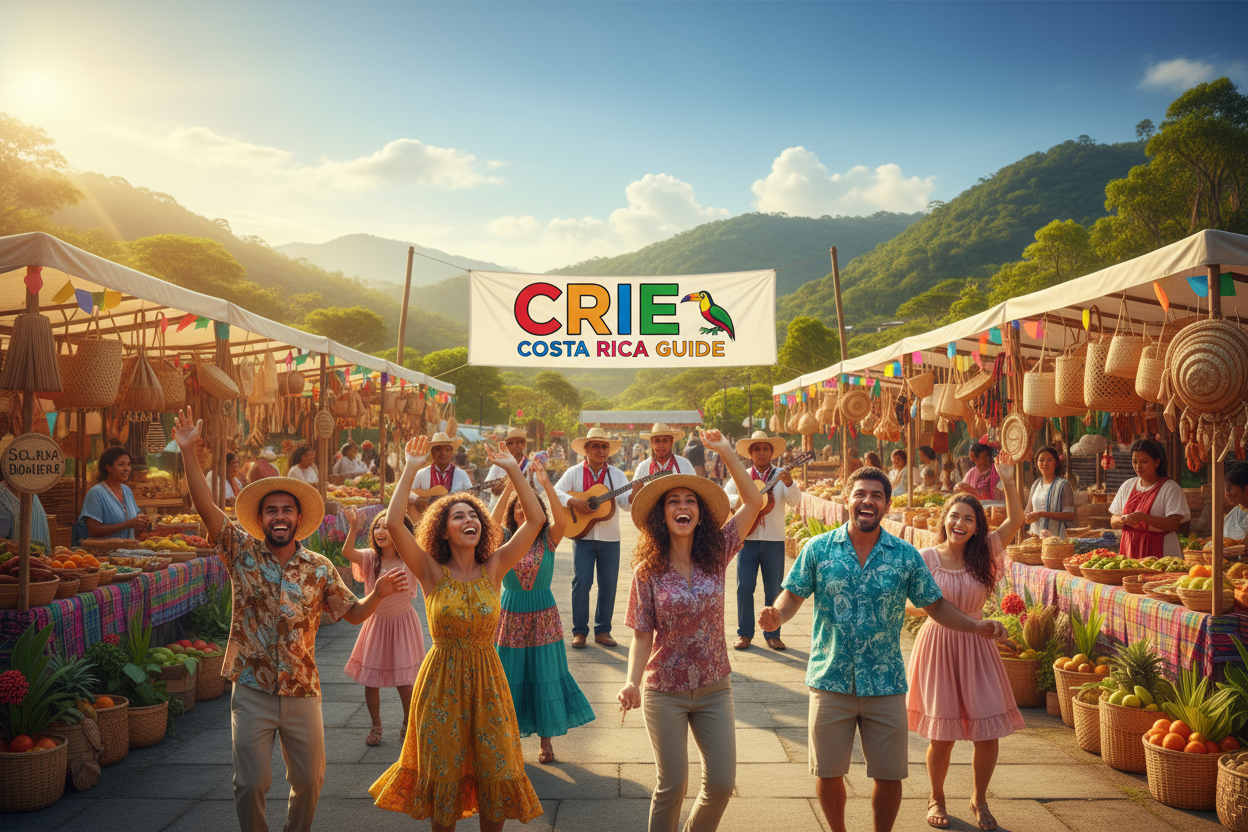
Travelers will find a month-friendly, travel-ready overview of the most famous costa-rica-festivals and smaller local gatherings here. This short guide shows what to expect, from big parades in San José to regional fiestas like Palmares and Limón Carnival.
The country hosts celebrations across the year, so “festival season” is not one season. You will learn to spot the difference between traditional cultural ceremonies—patron-saint days and indigenous rites—and modern music events and concerts.
Use this guide to plan dates, pick a base (San José, Guanacaste, Caribbean coast), and build safe day trips. Expect crowds, street closures, and traffic; practical do’s and don’ts and safety tips are included to help you navigate them.
Festivals reveal local traditions, food, and music in ways beaches and rainforests cannot. The article closes with a quick checklist and FAQ so a reader from the United States can save time and plan fast.
Why Costa Rica’s festival culture is worth planning around
When you plan trips around regional events, you see neighborhoods come alive in ways guidebooks miss. Local celebrations mix food, music, and community life. That makes a visit feel immediate and memorable.
What a typical fiesta looks and feels like
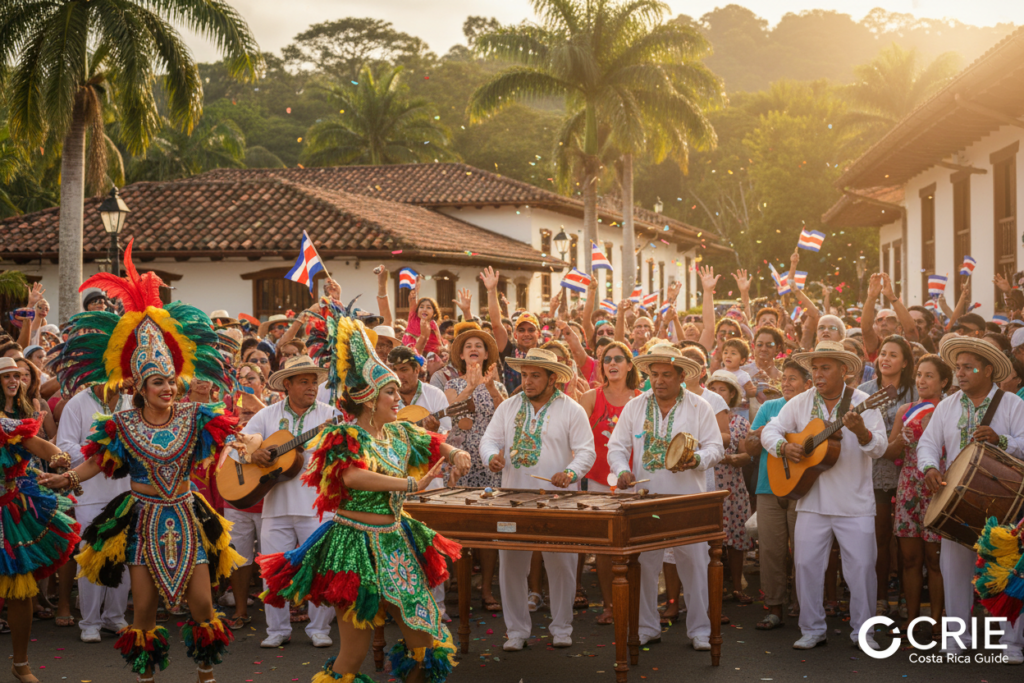
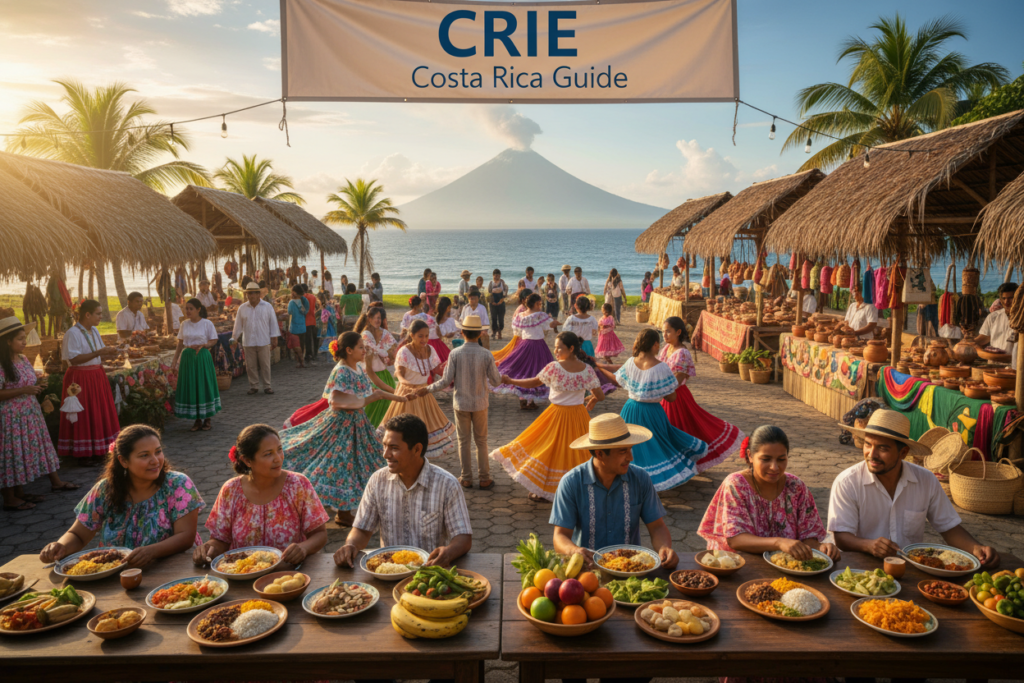
A typical fiesta spreads from a central town square. Expect street food booths, live bands, early family zones, then louder partying as night falls. Small vendors sell snacks and crafts, and fireworks may finish the night.
What a tope looks like on the ground
A tope is a horseback parade, like Palmares or the Tope Nacional. Riders in cowboy hats guide horses down main streets while spectators line sidewalks. Traffic detours are common, so walking the last mile is normal.
Parade snapshots, timing, and crowd myths
Parades feature marching bands, dancers, floats, and long stretches of standing in heat. Not all events are single-day—some run a week or two (Palmares lasts two weeks). Major holidays such as Semana Santa and Christmas bring heavy domestic travel and full hotels.
- Do arrive early, carry small bills, and set a meetup point.
- Don’t expect to park next to the action; plan to walk and use public transit.
- Rule: for big national days or famed city events, book lodging and transport well in advance.
costa-rica-festivals to put on your calendar
These standout events make planning easy: they show what each place feels like and how to prepare. Below are short snapshots—where they happen, what to expect, and quick do’s and don’ts for visitors.
Fiestas of Palmares (January)
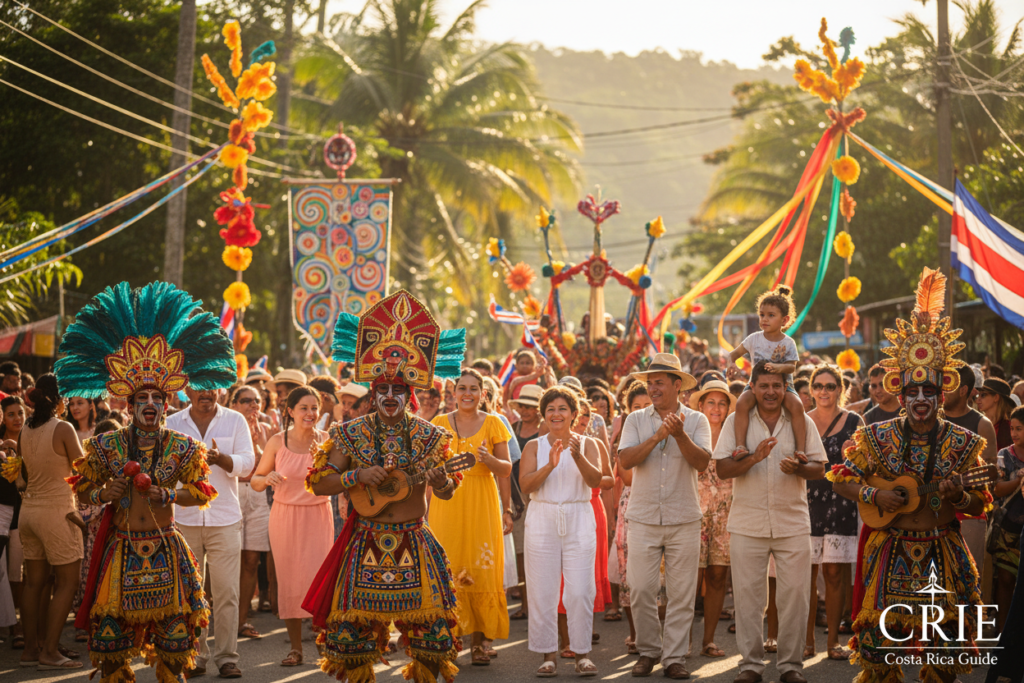
One of the biggest parties of the year runs the first two weeks of January. Expect a famous tope, concerts, food booths, carnival rides, fireworks, and traditional (non-bloody) bull events.
Do arrive early for the tope and plan a sober driver if staying late. Don’t leave valuables unattended in dense crowds.
Fiestas of Santa Cruz (January)
Mid-January in Guanacaste features marimba, folk dancing, and lively plazas like Plaza de los Mangos. Food stalls and fireworks are central.
Bring sun protection and cash for vendors; watch where you stand during fireworks.
Fiesta de los Diablitos (Boruca / Rey Curre)
An indigenous ritual with hand-carved masks and a “bull” character that represents colonial history. Boruca runs Dec 30–Jan 2; Rey Curre is the first weekend of February.
Ask before close-up photos—some communities charge for portraits—and respect ritual space.
Día del Boyero (March, Escazú)
The painted oxcart parade is family-friendly and often includes a blessing. Stand along the route early for the best views.
Keep clear aisles for processions and arrive before crowds swell.
Semana Santa (week before Easter)
Nationwide religious processions and heavy beach travel mark this week. Many stores and offices alter hours.
Book lodging early and plan low-driving days to avoid congested routes.
Other key dates to note
- Juan Santamaría Day (Apr 11, Alajuela): parades and concerts—pair with a Central Valley day trip.
- Virgin of the Sea (mid-July, Puntarenas/Playas del Coco): decorated boats and coastal views.
- Guanacaste Day (Jul 25, Liberia): rodeos, topes, and folk dancing—wear dust-ready shoes.
- Virgen de Los Ángeles (Aug 2, Cartago): pilgrimage—watch or visit the basilica; keep walkways clear.
- Independence Day (Sep 15): student parades across towns—check local start times.
- Limón Carnival (Oct): long week of Afro-Caribbean costumes, music, and food—book hotels early.
- Festival de la Luz, Tope Nacional, Carnaval Nacional, and Zapote (Dec): back-to-back parades, lighted floats, horse displays, rides, and late-night crowds—choose meeting points and set a return plan.
For official dates and public holidays when many events and closures occur, consult the public holidays guide: public holidays guide.
Music festivals and concerts travelers can realistically catch
From jungle stages to city theaters, travelers can catch both long-running festivals and one-off concerts. Planning around each type helps set realistic expectations for time, cost, and transport.
Destination-style multi-day events
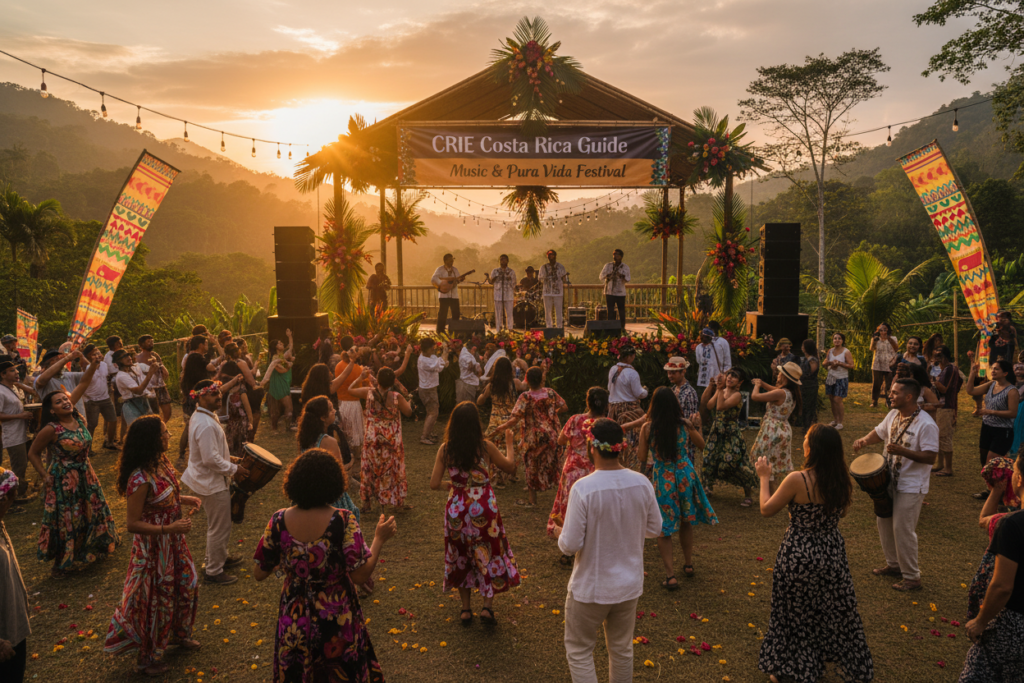
These draw international crowds and mix music with wellness, art, and camping. Examples: Envision Festival and Jungle Jam. Book lodging early. Arrange daytime transport so nobody drives late after shows.
Big-name and one-night events
Major concerts like Festival Imperial or Life in Color often change venues and dates. Confirm announcements close to travel dates rather than relying on old posts. Festival Ocaso and Festival Internacional de Calypso Walter Ferguson highlight regional sounds and are good cultural picks.
Where to find live music
San José is the high-confidence option for scheduled concerts. The National Philharmonic Orchestra runs themed programs (Beatles, Rolling Stones nights) that suit travelers seeking a set plan.
Smaller beach towns—Tamarindo, Santa Teresa, and Jacó—offer nightly gigs and local bands for casual evenings.
| Event Type | Sample Names | Typical Format | Traveler Tip |
|---|---|---|---|
| Destination-style | Envision, Jungle Jam | Multi-day shows + wellness workshops | Book lodging and shuttle in advance |
| Big-name concerts | Festival Imperial, Life in Color | Single-night headline shows | Confirm dates near the trip |
| Regional/folk | Festival Ocaso, Calypso Walter Ferguson | Local bands, cultural performances | Arrive early for best seats |
Safety basics: travel with a group when possible, keep phones charged, and pre-plan rides back to the hotel.
Holiday travel realities: closures, bookings, and the busiest weeks
Holiday weeks in the country reshape daily life, so planning matters more than usual.
What typically closes and why it matters
On major holidays many banks, government offices, and some local businesses close. Travelers should handle paperwork and banking before a holiday.
Closures matter even on vacation. Fewer services open means limited transport options and longer waits at popular spots.
Peak crowd times: Christmas and Holy Week
Two periods fill roads and hotels: the Christmas week and Holy Week around Easter. Millions of people travel to beaches and hometowns, so expect crowded highways and busy lodging.
Secure hotels early and confirm any activities that need reservations to avoid disappointment.
- Common closures: banks, post offices, and many municipal services — plan errands ahead.
- Booking tip: reserve hotels and must-do events well before peak weeks.
- Plan B: choose a nearby town or alternate coast if the first-choice beach is packed.
- Road closures: parades and topes can block streets outside peak holiday times — ask the hotel for local alerts.
Realistic expectation: during busy weeks a traveler trades spontaneity for a richer cultural experience. Decide which matters more for your trip and plan accordingly.
What to eat, wear, and do at Costa Rican celebrations
Plan what to eat, what to wear, and how to behave so a single day at a parade or party feels smooth and fun.
Street food and festival snacks to look for
Try holiday staples like tamales and Tres Leches cake when you see them. Festival food is part of the experience.
Choose busy vendors with high turnover; that usually means fresher items. Carry napkins and hand wipes for messy treats.
What to wear for heat, rain, dust, and long parade days
Wear breathable layers, a hat, and closed-toe shoes for lots of standing and walking. Bring a light rain layer for sudden showers.
If a fairground is dusty, wear shoes you don’t mind getting dirty and sunglasses for wind and grit.
Respectful photo and etiquette tips at cultural and religious events
Ask before close-up photos—some rituals, like the Diablitos, may require a photo fee. Don’t block participants or aisles.
Do clap and enjoy the dancing. Don’t treat sacred moments as a show; lower voices near churches and processions. Admire costumes without touching them.
- Family tip: attend earlier family-friendly hours for milder noise and better spaces for kids.
- Set a clear meetup point in crowded streets before the day begins.
Safety tips for festivals, parades, fireworks, and late nights out
Simple street-smart habits dramatically improve the experience at crowded events. A few clear practices help people enjoy music, food, and community without stress.
Street-smart habits for crowded areas and nighttime events
Keep belongings zipped and close. Use a crossbody bag and carry only what is needed.
Move with the flow of the crowd instead of pushing. Stick to well-lit routes after concerts and street parties.
- Avoid flashing expensive gear and keep a digital copy of ID separate from the original.
- Set a meetup point and share the lodging address offline before the activity starts.
Fireworks, alcohol, and family-zone do’s and don’ts
Watch fireworks from marked viewing areas and obey barriers. Events like Festival de la Luz and Palmares stage large shows; family zones are safer for kids.
- Keep children further back from launch areas and hold hands in crowds.
- If drinking, pace yourself, eat first, and pre-plan your ride home.
- Don’t accept open drinks from strangers and avoid stepping into the parade route for photos.
Getting back safely after concerts and street parties
Pre-book transportation or note reliable taxi apps. Leaving slightly before the final act often yields an easier exit.
- Stay with your group; avoid quieter blocks alone at night.
- For horse topes and parades, keep a buffer around animals to prevent spooking.
- Plan a clear fallback—if public transit fills, know nearby safe pickup points.
How to build a festival-focused trip across beaches, towns, and cities
Build a travel plan that links city parades, coastal parties, and quiet beach days into a single, easy-to-follow trip.
Easy pairing ideas
City holiday circuit: base in San José in December and stack Festival de la Luz, Tope Nacional, Carnaval Nacional, and an evening at Zapote. This keeps drives short and maximizes night events in one place.
Guanacaste culture + beach: attend Santa Cruz or Guanacaste Day in Liberia, then add a few days at nearby beaches. It balances lively town nights with restful shore time for recovery.
Caribbean carnival trip: plan Limón Carnival week on the Caribbean coast, then follow with a calm beach stay to recover from late nights and street parties.
What to book early vs. keep flexible
| Reserve early | Can stay flexible |
|---|---|
| Hotels during Christmas and Holy Week | Daytime markets and casual live music |
| Inter-coast transport and long-distance shuttles | Beach time and short local activities |
| Tickets for major parades or headline shows | Restaurant choices and neighborhood strolls |
Residency and longer-stay questions
If planning an extended stay or exploring residency categories, CRIE can help with accurate options and next steps. Contact WhatsApp +506 8706 3888 | info@crie.cr | www.crie.cr for guidance—this is informational, not legal advice.
Final tip: avoid over-packing the schedule. One major event day followed by a slow day keeps the trip enjoyable and reduces burnout.
Make it easy on yourself: quick checklist for enjoying festivals in Costa Rica
Wrap your trip with a short checklist so you can enjoy parades, music, and street food without stress.
Pack light: a rain layer, sun protection, comfy shoes, and a small zipped bag. Confirm start times and expect road closures on big holiday weeks like Christmas and Semana Santa.
Food game plan: eat before drinking, choose busy stalls, and carry water. For music and dancing nights, plan your ride home, keep your group together, and leave a bit early for an easier exit.
Fireworks are common at major events—watch from family zones, keep kids back from barriers, and set a clear meeting point.
Do ask before photos at cultural rituals, and check official dates and closures on the official dates.
.
FAQ
Do you need tickets? Many parades are free; some concerts and venues sell tickets—check event pages close to travel time.
Fiesta vs tope vs carnival? A fiesta is a town celebration (Palmares), a tope is a horseback parade, and a carnival is a Caribbean-style street party (Limón).
Busiest times? Christmas week and Holy Week—book early and expect traffic.
Photos at Diablitos/religious events? Ask first, don’t interrupt, and expect possible photo fees.
Where to hear live music off-season? Try San José venues, Tamarindo, Santa Teresa, Jacó, or Philharmonic concerts.
Longer stay help? Contact CRIE: WhatsApp +506 8706 3888 | info@crie.cr | www.crie.cr.
FAQ
What are the best months to plan a trip around national celebrations and parades?
How should visitors dress for outdoor parades, beach carnivals, and weeklong fiestas?
Are events family-friendly, and what activities suit kids?
Where can travelers find live music and big-name concerts versus smaller community performances?
What street foods and snacks should visitors try at celebrations?
How crowded and noisy do parades, fireworks, and carnival nights get? Is it safe?
What should travelers know about closures and services on public holidays?
Are fireworks and alcohol regulated at public events? Any local rules to follow?
How can travelers combine city parades, Guanacaste fiestas, and Caribbean carnival on one trip?
Where do visitors buy tickets or learn exact dates for major music festivals and cultural events?
What etiquette tips apply when photographing religious processions, indigenous ceremonies, or traditional dances?
Are there organized ways to attend topes and horse parades safely?
How should travelers handle transport after late-night concerts or street parties?
What accommodations are best for festival trips—hotels, small inns, or vacation rentals?
Do travelers need any special permits or residency documents to attend public celebrations?
Article by Glenn Tellier (Founder of CRIE and Grupo Gap)
Don't wait, contact us right now!
Call or WhatsApp Costa Rica +506 8373 2085 or +506 8706 3888
Call USA/Canada +1 305-906-6784