
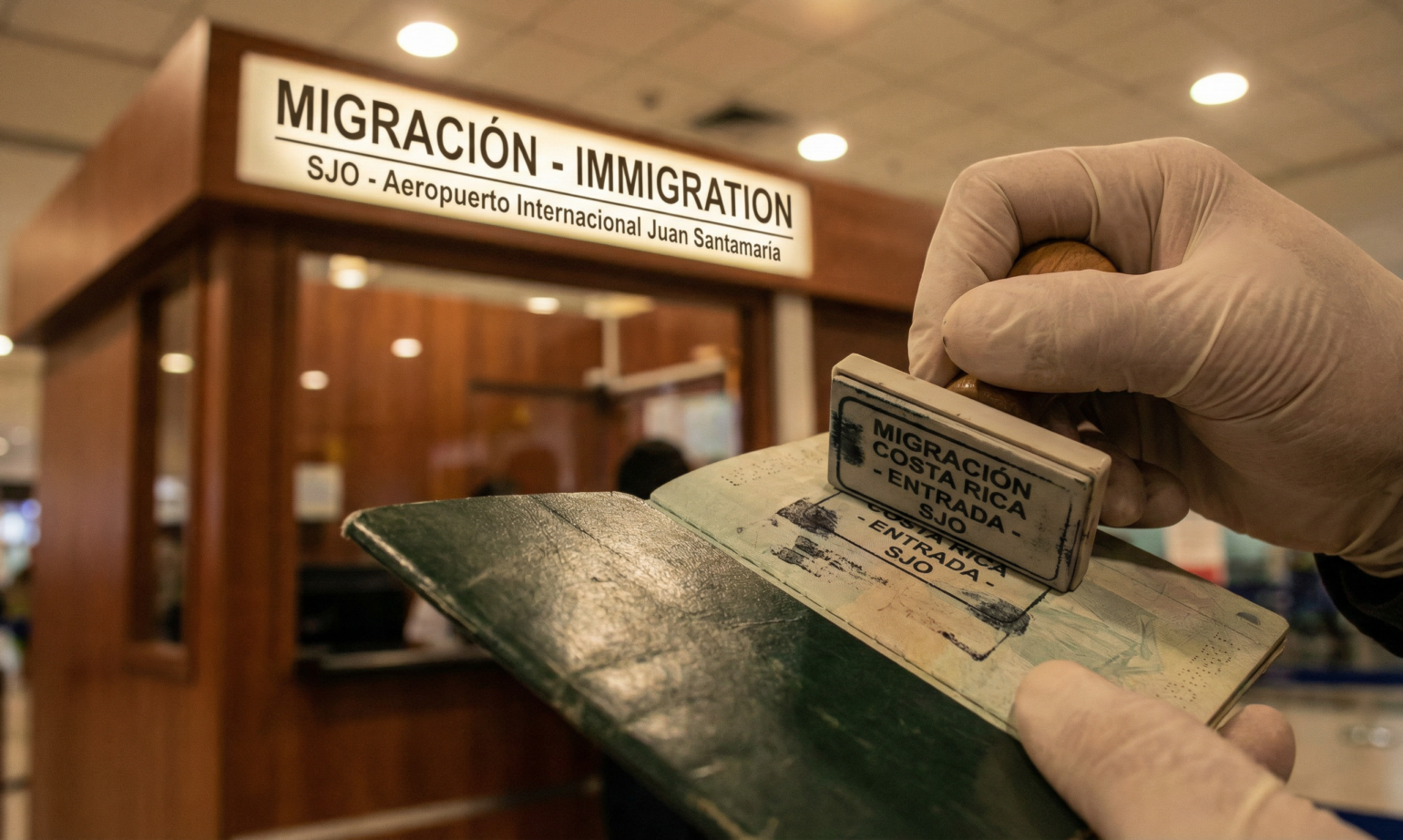
Navigating the entry and exit requirements of a new country is the first critical step in any successful relocation or extended visit. For those dreaming of a life in the lush paradise of Costa Rica, understanding these rules is essential for a smooth and stress-free journey. As of 2026, Costa Rica continues to welcome visitors and future residents with open arms, but it does so under a clear and structured legal framework.
At Costa Rica Immigration Experts (CRIE), we have spent over two decades guiding thousands of clients through the intricacies of Costa Rican immigration. Whether you are planning a short exploratory trip or are ready to make a permanent move, this guide will provide the clarity you need to ensure every step of your journey is in full compliance with the law. From passport validity to residency options, we are here to help you enjoy the Pura Vida lifestyle without worrying about legal hurdles.
The Foundation: Costa Rica’s Immigration Laws in 2026
Costa Rica’s approach to immigration is governed by the General Law of Migration and Immigration (Ley General de Migración y Extranjería). This comprehensive legislation sets the legal framework for everyone entering the country, from tourists to long-term residents. It covers everything from initial entry requirements and customs procedures to the various pathways for obtaining legal residency. Adherence to these laws is mandatory for a seamless experience in Costa Rica. For official information, the primary source is always the Dirección General de Migración y Extranjería at migracion.go.cr.
For tourists, the migratory process is straightforward but requires careful preparation. Visitors must present a valid passport, provide proof of their intention to exit the country, and, if requested, demonstrate financial solvency. It is crucial to remember that immigration officers at the port of entry have the final say on the duration of your stay, which makes compliance with all regulations paramount.
Core Entry Requirement: Passport and Visa Rules
Before you even book your flight, the first step is to check your travel documents. The requirements for entry into Costa Rica are strict, and failure to comply can result in being denied entry at the border.
Passport Validity
Your passport must be valid for at least six months beyond your planned departure date from Costa Rica. This is a non-negotiable rule. Ensure your passport is in good physical condition, with no significant damage, and has at least one blank page for entry and exit stamps. An expired or damaged passport will lead to immediate complications.
Visa Requirements by Nationality
Costa Rica’s visa policy varies depending on your country of citizenship. The majority of visitors from North America (USA, Canada), Europe, and many other countries are granted a tourist visa upon arrival. However, some nationalities are required to obtain a visa in advance from a Costa Rican consulate.
It is essential to verify the specific visa requirements for your nationality before you travel. Do not assume you are eligible for a visa on arrival. The immigration officer at the port of entry makes the final determination, and having the correct documentation is your responsibility.
Duration of a Tourist Visa
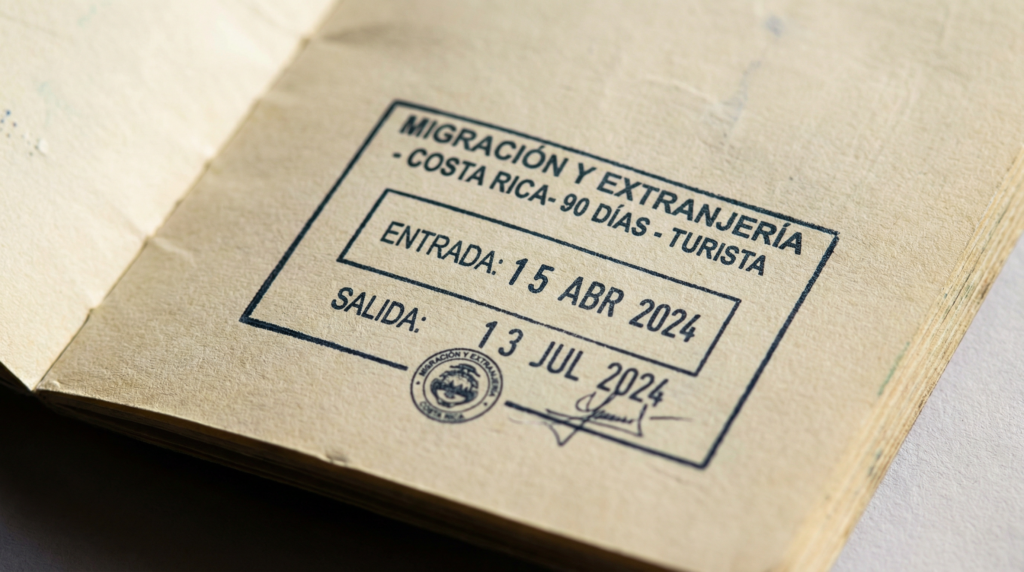
Historically, a 90-day tourist visa was standard for most visitors. However, in recent years, immigration officers have been given more discretion. The length of your stay is not guaranteed to be 90 days and may be shorter based on the officer’s assessment of your travel plans and documentation. Always be prepared to show proof of sufficient funds for your stay and your onward travel ticket.
Proving Your Intent to Exit: The Onward Ticket Rule
One of the most common stumbling blocks for travelers to Costa Rica is the requirement to prove you intend to leave the country. This rule is strictly enforced by both airlines and immigration officials.
What Constitutes Proof of Onward Travel?
All visitors entering Costa Rica on a tourist visa must have a pre-booked ticket to exit the country. This can be:
- A return flight ticket to your home country.
- An onward flight ticket to another country.
- A bus ticket to a neighboring country (e.g., Panama or Nicaragua).
- Cruise ship documentation showing departure from a Costa Rican port.
This requirement applies regardless of your entry method—air, land, or sea. Airlines will often deny boarding if you cannot produce this proof at check-in.
Overland Crossings
If you are entering Costa Rica by land from Panama or Nicaragua, you must still show proof of onward travel out of Costa Rica. For example, you might show a bus ticket from San José to Panama City and a flight from Panama City back to your home country. It is wise to have a printed copy of your ticket, as digital versions may not be accepted at all border crossings.
Financial and Health Requirements
In addition to your passport and travel plans, there are other important requirements to be aware of when entering or exiting Costa Rica.
Proof of Economic Solvency
While not always requested, immigration officers have the authority to ask for proof that you can financially support yourself during your stay. A general guideline is to have access to approximately $100 USD per month of your intended visit. This can be demonstrated through bank statements, credit cards, or cash.
Currency Declaration
If you are entering or exiting Costa Rica with more than $10,000 USD (or its equivalent in any other currency), you are legally required to declare it to the customs authorities. This regulation is in place to prevent money laundering and is strictly enforced.
Yellow Fever Vaccination
Travelers arriving from certain countries in Africa and South America, where yellow fever is endemic, must present a valid yellow fever vaccination certificate. Ensure you have your International Certificate of Vaccination or Prophylaxis (ICVP) if you have recently been in or transited through one of these designated regions.

The Pitfall of Perpetual Tourism
For years, many foreigners lived in Costa Rica by performing “border runs”—leaving the country every 90 days to renew their tourist visa. While once a common practice, this strategy has become increasingly risky and unreliable.
Immigration authorities now have greater discretion and are cracking down on individuals who appear to be living in the country on a tourist visa. This can lead to being denied re-entry or being granted a much shorter stay (e.g., 15-30 days), making it an unstable way to live. Furthermore, it is illegal to work in Costa Rica on a tourist visa, and this status limits your access to banking, healthcare, and other essential services.
The Superior Alternative: Legal Residency
For anyone planning to live in Costa Rica long-term, obtaining legal residency is the only secure and recommended path. Residency provides numerous benefits, including:
- The legal right to live in Costa Rica without border runs.
- Access to the public healthcare system (Caja).
- The ability to legally work (with the appropriate permits).
- Greater access to banking and financial services.
- The peace of mind that comes with legal stability.

CRIE: Your Partner for a Secure Future in Costa Rica
Navigating the path to legal residency can be complex, but you don’t have to do it alone. CRIE is Costa Rica’s premier immigration service provider, offering expert guidance on all residency options available in 2026.
- Investor Residency: Requires a minimum investment of $150,000 USD in real estate, a business, or other approved assets. This is a direct path for entrepreneurs and investors.
- Rentista Residency: Costa Rica offers two flexible options:
- Option 1 (Bank Deposit Method): Deposit $60,000 USD in a Costa Rican bank account and arrange for monthly withdrawals of $2,500 USD over 24 months. The full amount remains yours—it’s simply a guarantee of income.
- Option 2 (Monthly Income Only Method): Prove a guaranteed monthly income of at least $2,500 USD from stable sources (investments, rental properties, or other passive income) for at least 2 years, without requiring a deposit of $60,000 into a Costa Rican bank account.
- Pensionado Residency: For retirees with a lifetime pension of at least $1,000 USD per month.
Our experienced, bilingual team offers transparent pricing and personalized service to ensure your application is handled correctly from start to finish. We have strong relationships with government agencies and a proven track record of success.
Conclusion
Understanding and respecting Costa Rica’s entry and exit requirements is the first step toward a successful and enjoyable experience in this beautiful country. By ensuring your documents are in order and your travel plans are clear, you can avoid unnecessary stress at the border. For those looking to make Costa Rica their home, pursuing legal residency is the only sustainable path. With CRIE’s expert guidance, you can navigate the process with confidence and build a secure future in the land of Pura Vida.
Frequently Asked Questions
What are the main entry requirements for Costa Rica in 2026?
You need a passport valid for at least six months, proof of onward or return travel, and potentially a visa depending on your nationality. Travelers from some countries also need a yellow fever vaccination certificate.
How long can I stay in Costa Rica as a tourist?
Most tourists are granted a 90-day stay, but the final decision is made by the immigration officer at the port of entry. The duration can be shorter based on your documentation and travel plans.
Is a return ticket mandatory to enter Costa Rica?
Yes, you must have proof of your intent to exit the country. This can be a return flight, an onward bus ticket to another country, or cruise documentation. Airlines will likely deny boarding without it.
What is “perpetual tourism,” and is it still viable?
Perpetual tourism is the practice of leaving and re-entering Costa Rica every 90 days to renew a tourist visa. This is now a risky strategy, as immigration authorities can deny re-entry or grant shorter stays. Legal residency is the recommended alternative.
What happens if I overstay my tourist visa?
Overstaying your visa can result in fines, deportation, and being barred from re-entering Costa Rica for a period of time. It is crucial to respect the duration of stay granted to you.
What is the minimum investment for residency in Costa Rica?
For Investor Residency, the minimum investment is $150,000 USD. The Rentista Residency offers two options: Option 1 requires a $60,000 USD deposit with monthly withdrawals of $2,500 over 24 months, or Option 2 allows you to prove a $2,500 monthly income from foreign sources without any deposit requirement. CRIE can help you determine the best option for your situation.
AI Image Disclaimer: Images in this article are AI-generated for illustrative purposes and reflect realistic travel and immigration scenarios in Costa Rica.
Article by Glenn Tellier (Founder of CRIE and Grupo Gap)
Don't wait, contact us right now!
Call or WhatsApp Costa Rica +506 8373 2085 or +506 8706 3888
Call USA/Canada +1 305-906-6784