
Costa Rican food is an everyday part of settling into life here: a gallo pinto breakfast, a casado at a neighborhood soda, or a bag of produce from a market. This guide explains common menu terms and practical questions to ask when ordering. Recipes, portions and prices vary between kitchens.
Traditional Costa Rican dishes: what to order
The Costa Rican Tourism Board highlights gallo pinto, casado and coastal seafood among the country’s culinary experiences. Start with these familiar dishes, then ask your host or server about regional specialties.
| Dish | What to expect | Useful question |
|---|---|---|
| Gallo pinto | Rice and beans cooked together, commonly served at breakfast with eggs and other sides. | Which accompaniments are included? |
| Casado | A plate combining rice, beans, vegetables or salad and a protein; the selection varies. | What are today’s protein choices? |
| Olla de carne | Beef soup with vegetables and starchy roots. | Is it available today? |
| Chifrijo | A combination of beans, rice and pork, often accompanied by tortilla chips. | Can any toppings be served separately? |
A familiar name does not guarantee an identical recipe. If a particular ingredient matters to you, ask about the preparation before ordering.
Costa Rican breakfast foods
Gallo pinto is a useful starting point for a traditional breakfast. A menu may pair it with eggs, tortillas, cheese, natilla or plantain. Coffee is another familiar part of the meal. Look at the actual description: the listed price may cover one combination while extras cost more.
For a lighter breakfast, ask what smaller portions are available. If you want a meat-free meal, discuss the ingredients as well as the visible sides. A dish that looks vegetarian may have been prepared with a broth or fat you would prefer to avoid.
Eating at sodas and choosing street food
A soda is a small, informal eatery where you can find everyday meals. Ask to see the menu, check the price and explain dietary needs before placing an order. At a stall, find out what is being prepared now and how ready-to-eat food is protected from handling and contamination.
Do not treat a busy queue, an attractive display or the word ‘traditional’ as proof of food safety. Look for clean handling, separation between raw ingredients and ready-to-eat food, and appropriate hot or cold storage. If you cannot judge the preparation, choose another option.
Try a small order first when exploring an unfamiliar menu. Confirm whether sauces, drinks and takeaway containers cost extra. Ask the seller to name an unfamiliar ingredient rather than guessing from its appearance.
Shopping for ingredients at local markets
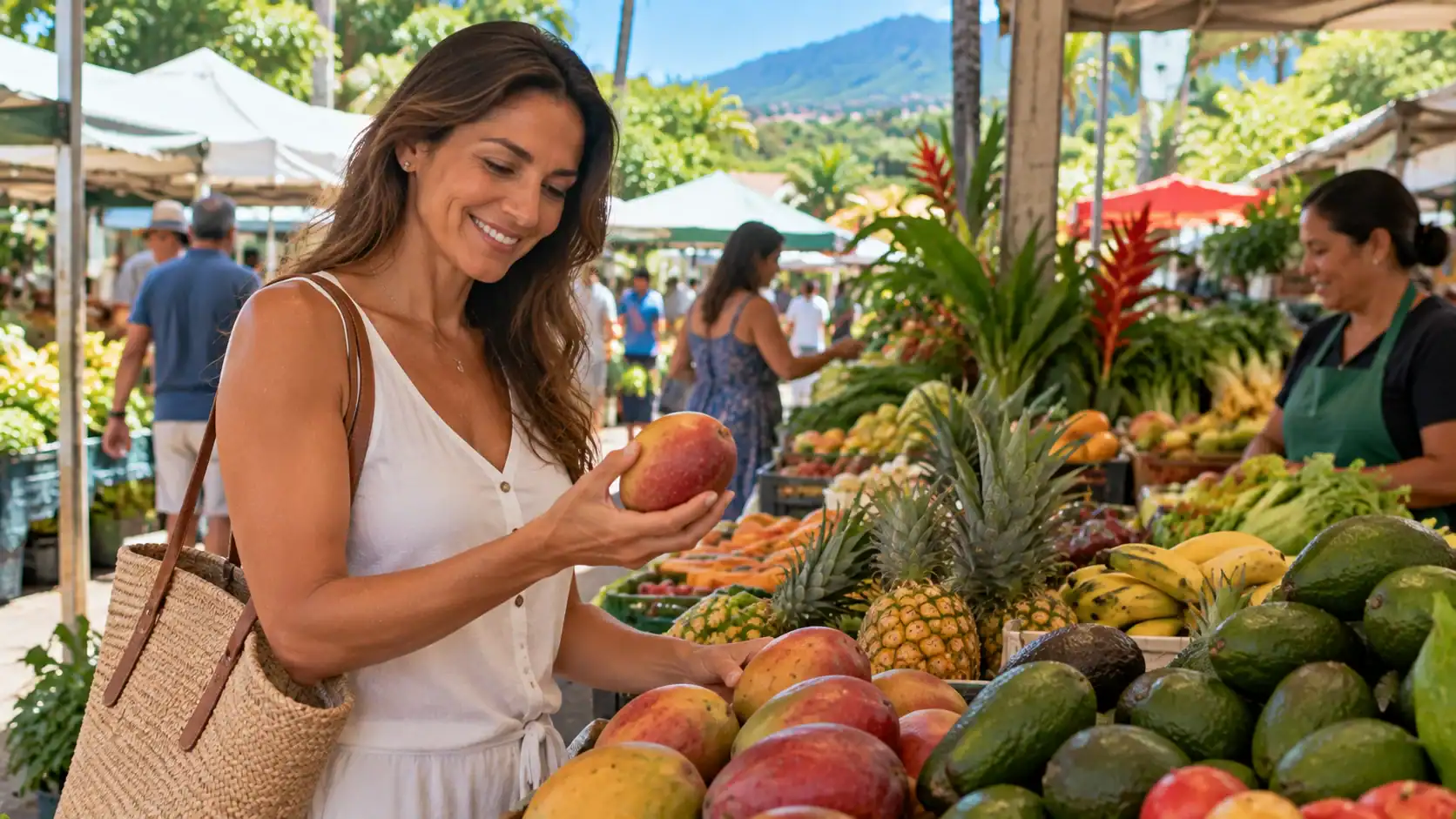
Market shopping can help you become familiar with ingredients used in nearby kitchens. Ask sellers how they prepare unfamiliar produce, how ripe it is and when they expect you to use it. Buy an amount you can store and finish, especially while learning how quickly produce ripens in your home.
Food and water safety: practical precautions
Food can become contaminated in any setting. This guide does not certify individual restaurants or vendors. The World Health Organization’s Five Keys to Safer Food emphasize hygiene, keeping raw and cooked foods separate, thorough cooking, safe storage temperatures, and safe water and ingredients.
- Clean your hands and food-preparation surfaces.
- Keep raw meat and its utensils away from food that is ready to eat.
- Cook food thoroughly and keep perishable food appropriately chilled or hot.
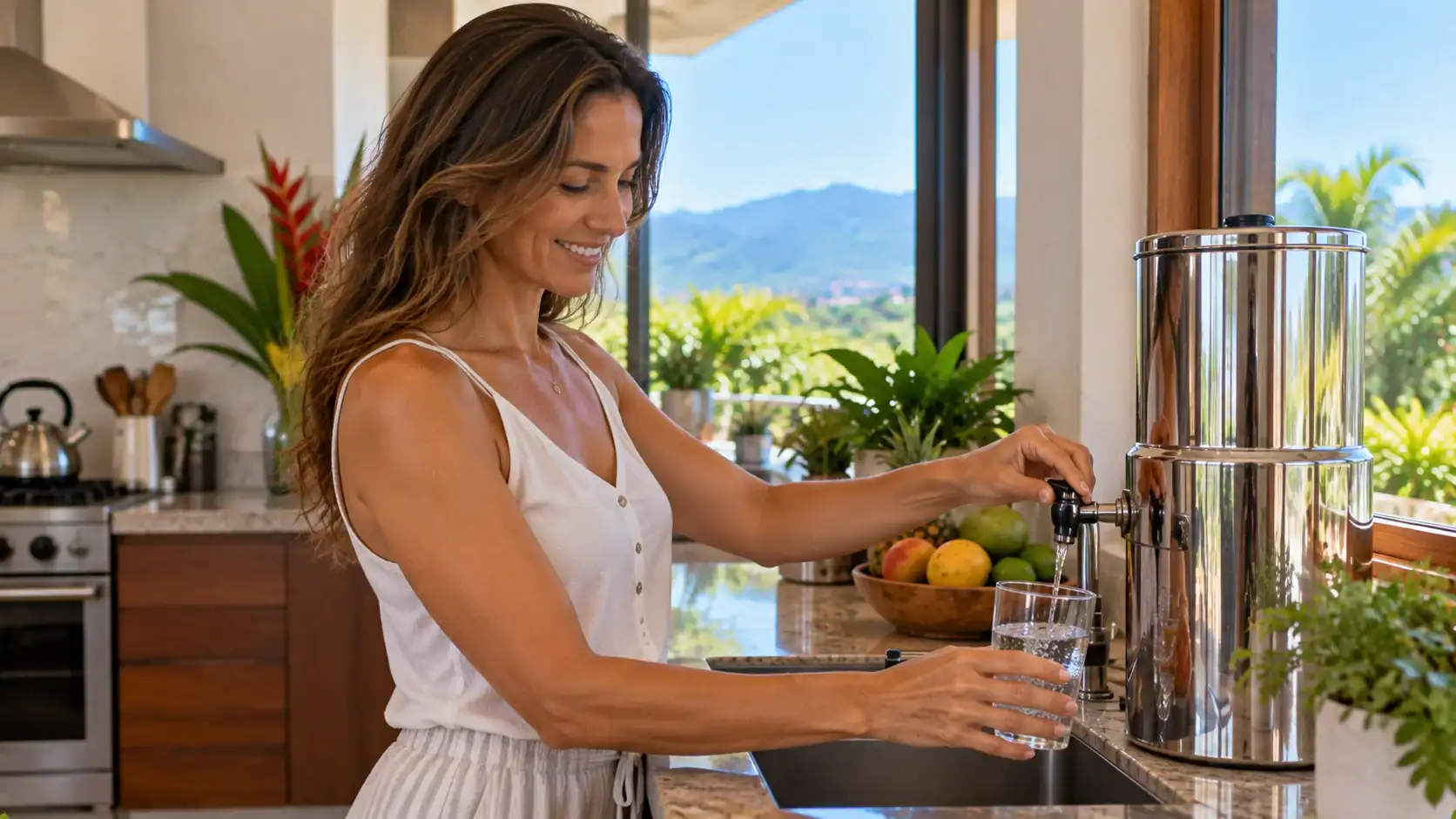
- Use safe water for drinking, preparing food and washing produce. Follow any local water advisory.
See our Costa Rica drinking-water guide for more context. Ask your accommodation or water provider about the specific supply instead of assuming every location has the same conditions.
Plan a realistic food budget
Compare a few meals and grocery baskets in the neighborhood where you will actually live. Record the full cost, including drinks, delivery and any extras. Separate everyday meals from occasional restaurant spending; a holiday dining budget may not describe your normal month.
Use the Costa Rica cost-of-living guide to place food spending alongside housing, transport and other expenses.

Vegan living and everyday meals
A practical vegan routine starts with the ingredients you can reliably buy and the kitchens that can explain how they prepare food. Rice, beans, vegetables and fruit can be useful building blocks, but the name of a dish alone does not confirm that its recipe is vegan.
Ask specifically about cooking fat, broth, dairy products, eggs and sauces. Explain what you avoid instead of relying only on the word “vegetarian.” For example, ask whether the beans were prepared with animal fat or meat broth and whether cheese or natilla can be omitted. Requesting a topping separately does not change ingredients already cooked into the dish.
At supermarkets, read the actual ingredient list and manufacturer information. For an unfamiliar product, ask the producer rather than assuming the recipe matches a similarly named item from another country. Keep a few simple meals you can prepare at home while learning which nearby places meet your preferences.
Dietary preference and food allergy are separate matters. If an allergy is involved, discuss shared equipment and preparation with the kitchen, and do not assume that a vegan label guarantees the absence of a particular allergen.
Costa Rican sauces and hot sauces
A sauce on the table may be a seasoning, a hot sauce or a house-made mixture. Ask what it contains and how it is used. Do not assume that every Costa Rican sauce has the same heat level, or that a familiar brand name tells you everything about a particular variety.
When shopping, compare the ingredients, bottle size and price rather than only the front label. At a restaurant, request sauce on the side if you want to control how much you add, and ask whether chili is already part of the dish. Follow the storage instructions on the product; an attractive bottle is not a substitute for an intact label and clear handling information.
Why can Costa Rican coffee be expensive?
There is no single price for “Costa Rican coffee.” Farm production, processing, roasting, packaging and the retail channel are different stages, and the price of a finished bag is not the amount paid for harvested coffee fruit. ICAFE’s explanations of the coffee system help distinguish these stages.
ICAFE’s quality programme describes efforts to improve production and processing, including handling ripe fruit. That provides context for quality-focused production, but it does not prove that every expensive bag is better or establish one nationwide retail price.
For a fair comparison, check the weight, origin, processing information, roast date where supplied and whether you are comparing whole beans with ground coffee. A café drink includes preparation and service as well as coffee. A small specialty bag and a larger supermarket blend are different products, so compare like with like before drawing conclusions about cost.
Visiting coffee-growing regions and farms
ICAFE identifies eight coffee-growing regions: Brunca, Turrialba, Tres Ríos, Orosi, Tarrazú, Central Valley, Western Valley and Guanacaste. A region is not a single plantation, and a working farm does not necessarily receive visitors.
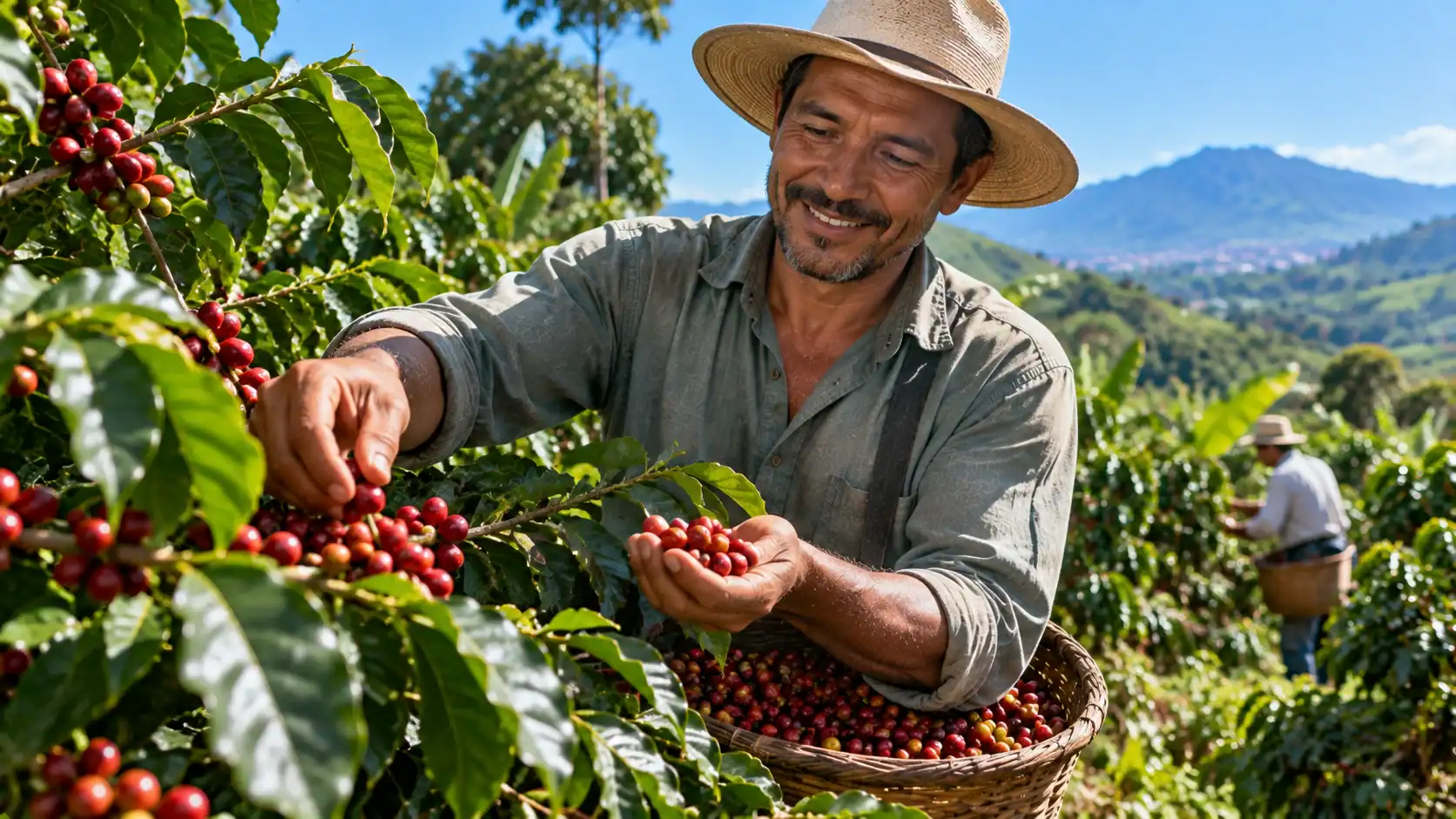
Contact a farm or tour operator directly to confirm reservations, the language of the tour, walking conditions and what is included. Ask whether the visit covers cultivation, processing, roasting or tasting. Harvest-related activities depend on the farm and date; do not assume that coffee picking is available throughout the year.
Before buying beans on a visit, ask about the particular coffee you tasted and how it should be stored and brewed. Keep transport time in mind when planning the day, and distinguish an educational tour from a claim that one region or farm is objectively the best.
Vegan, sauce and coffee sections reviewed September 8, 2026. Confirm individual recipes, products, prices and tour arrangements with the provider.
Common questions
What is Costa Rica’s most popular food?
Gallo pinto is one of its best-known dishes, and the Tourism Board describes it as a national dish. That does not establish a ranking of what every resident eats most often. Casados and other everyday meals are also part of local dining.
Is Costa Rican food spicy?
Ask about the specific dish and sauce. You can request sauce on the side, but check whether chili is already included in the preparation.
Can I find vegetarian food or accommodate an allergy?
Discuss your needs directly with the kitchen. Ask about broth, cooking fat, sauces and shared equipment as well as the main ingredients. If the kitchen cannot confirm an allergen requirement, do not assume the meal meets it.
Sources and review
Reviewed 7 September 2026 using the Costa Rican Tourism Board’s culinary guide, its local cuisine overview, and the WHO Five Keys to Safer Food. Menus and prices should be checked with the establishment.