

In recent years, the Costa Rican colón has experienced a significant surge against the US dollar. This shift has caught the attention of investors, tourists, and locals alike. Understanding the dynamics between these two currencies is crucial for anyone engaging in financial transactions in Costa Rica.
The exchange rate plays a vital role in the country’s economy. As the colón strengthens, it impacts everything from daily purchases to import and export activities. This article will delve into the key differences between the Costa Rican colón and the US dollar, providing valuable insights for those navigating the currency market.
Historical context is essential to grasp the current situation. The colón has a rich history, dating back to its adoption in 1896. Over the decades, it has undergone various changes, influenced by both local and global economic factors. The Central Bank of Costa Rica plays a pivotal role in managing these fluctuations, ensuring stability in the market.
For consumers and investors, understanding these currency dynamics is key to making informed decisions. Whether planning a trip or managing investments, knowing the implications of the exchange rate can lead to better financial outcomes. Stay tuned as we explore these aspects in detail.
Analyzing Currency Trends: How does the Costa Rica colony compare to the US dollar?
Currency fluctuations in Costa Rica have drawn attention due to their impact on tourism and trade. The colón’s performance against the dollar reflects both local and global economic forces. Understanding these trends is essential for anyone engaging in financial transactions in the region.
Overview of Currency Dynamics in Costa Rica
The exchange rate between the colón and the dollar has evolved significantly over time. Increased foreign investment and tourism have played a key role in shaping these trends. The Central Bank of Costa Rica manages the currency’s stability, ensuring it remains reliable for daily transactions.
Tourism, a major contributor to the economy, has boosted demand for the colón. This surge has influenced the currency’s value, making it a focal point for investors and travelers alike. The free-floating exchange rate system allows for flexibility, adapting to market conditions.
Historical Background of the Costa Rican Colón
The colón was introduced in 1896, replacing the Costa Rican peso. Named after Christopher Columbus, it initially circulated as gold coins and centimos. Over the years, the currency has undergone several transformations to meet economic needs.
Modern banknotes feature designs inspired by local wildlife, showcasing the country’s rich biodiversity. Security features, such as polypropylene and cotton materials, enhance the currency’s reliability. The Central Bank’s management ensures the colón remains a stable medium of exchange.
Understanding the historical context of the colón provides valuable insights into its current dynamics. From its origins to modern-day management, the currency’s evolution reflects Costa Rica’s economic journey.
Economic Impact and Market Dynamics
The economic landscape in Costa Rica is heavily influenced by the performance of its currency, the colón, against the US dollar. Recent fluctuations have created ripple effects across key sectors, shaping the country’s financial stability and growth prospects.
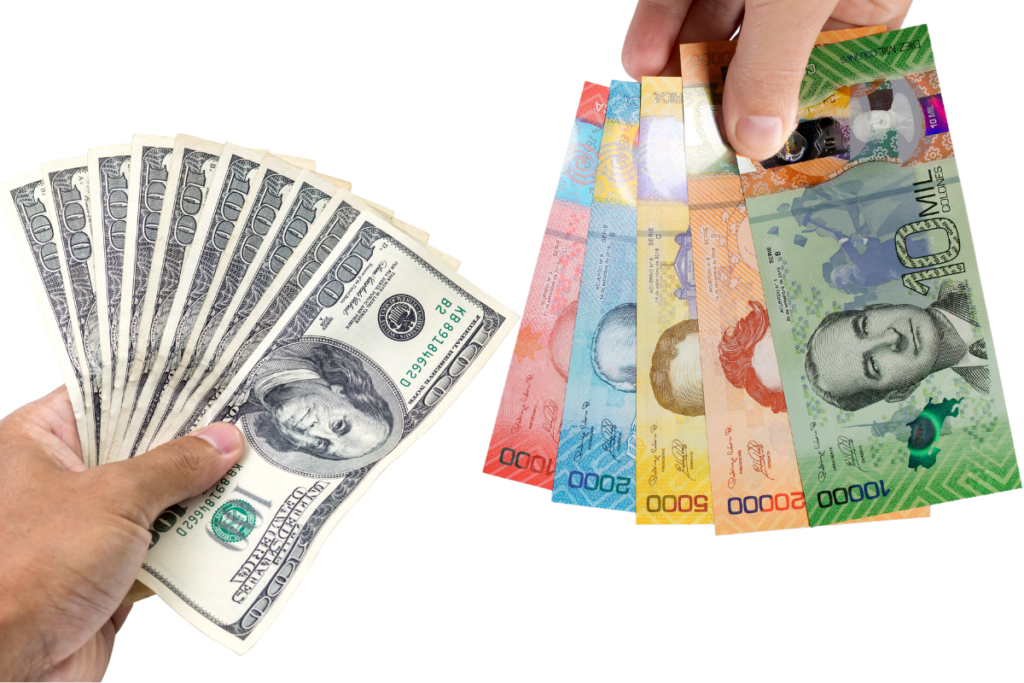
Effects on Tourism, Real Estate, and Trade
Tourism, a cornerstone of the economy, has seen significant shifts due to the colón’s strength. With the exchange rate dropping from 700 to 500 colones per dollar, foreign visitors now face higher costs for local goods and services. For instance, a beer that cost $1.8 in 2022 now costs nearly $3, impacting spending habits.
Real estate has also felt the impact. A stronger colón makes property investments more attractive to locals but less affordable for foreign buyers. This dynamic has created a competitive market, with demand fluctuating based on currency trends.
Trade is another area affected. While imports become cheaper, exporters face challenges. Coffee producers, for example, have seen a 13% drop in sales value, with each bushel fetching 27,000 colones less than the previous year. This highlights the complex relationship between currency strength and export competitiveness.
Central Bank Interventions and Inflation Trends
The Central Bank of Costa Rica plays a crucial role in managing currency volatility. Through adjustments to interest rates and direct interventions, it aims to stabilize the exchange rate and curb inflation. Currently, Costa Rica boasts the lowest inflation rate among OECD countries at -1.8%, a testament to effective monetary policies.
Increased foreign investment has further influenced the market. The GDP grew by 5.1% in 2023, reflecting the economy’s resilience. However, managing these surges requires careful planning to ensure long-term stability.
Understanding these dynamics is essential for anyone involved in financial transactions in the region. For more insights on currency conversion, check out how much is 5 mil colones in US.
Practical Tips for Currency Exchange in Costa Rica
Exchanging USD to colones efficiently can save travelers time and money. With the right strategies, you can maximize the value of your dollars and avoid unnecessary fees. Here’s how to navigate the process smoothly.
Smart Strategies for Exchanging USD to Colones
Research and compare rates from banks, exchange kiosks, and online platforms like Western Union. Airport and hotel kiosks often offer poor rates due to high fees. Instead, opt for reputable exchange services to ensure fair transactions.
Notify your bank before traveling to avoid card issues. Withdraw local currency directly from ATMs for better rates. Be cautious of tourist areas where fees might be higher. Planning ahead can help you secure the best value for your money.
Understanding Fees, ATMs, and Bank Services
Fees can significantly impact your exchange value. Watch out for transaction, commission, processing, and Dynamic Currency Conversion (DCC) fees. Using ATMs affiliated with major banks can minimize these costs.
Local bank services in Costa Rica are reliable and widely available. Many ATMs allow withdrawals of up to $500 per transaction, with a small fee. For more details on currency conversion, check out how much is 100 in Costa Rica money.
By understanding these factors, you can make informed decisions and enjoy a hassle-free experience with currency exchange in Costa Rica.
Conclusion
The relationship between the Costa Rican colón and the US dollar continues to shape the country’s economic landscape. Over the past decade, the currency’s strength has influenced sectors like tourism, real estate, and trade. Central bank interventions have played a key role in maintaining stability, ensuring the colón remains a reliable medium of exchange.
For travelers and residents, understanding the exchange rate is crucial. Practical tips, such as comparing rates and avoiding high-fee kiosks, can maximize the value of transactions. These strategies help navigate the market effectively, whether for daily purchases or long-term investments.
Looking ahead, the colón’s performance will likely continue to impact the economy. Its strength reflects both local growth and global trends, offering insights into the country’s financial future. By staying informed, individuals can make better decisions in this dynamic currency environment.
Article by Glenn Tellier (Founder of CRIE and Grupo Gap)
Don't wait, contact us right now!
Call or WhatsApp Costa Rica +506 8373 2085 or +506 8706 3888
Call USA/Canada +1 305-906-6784