
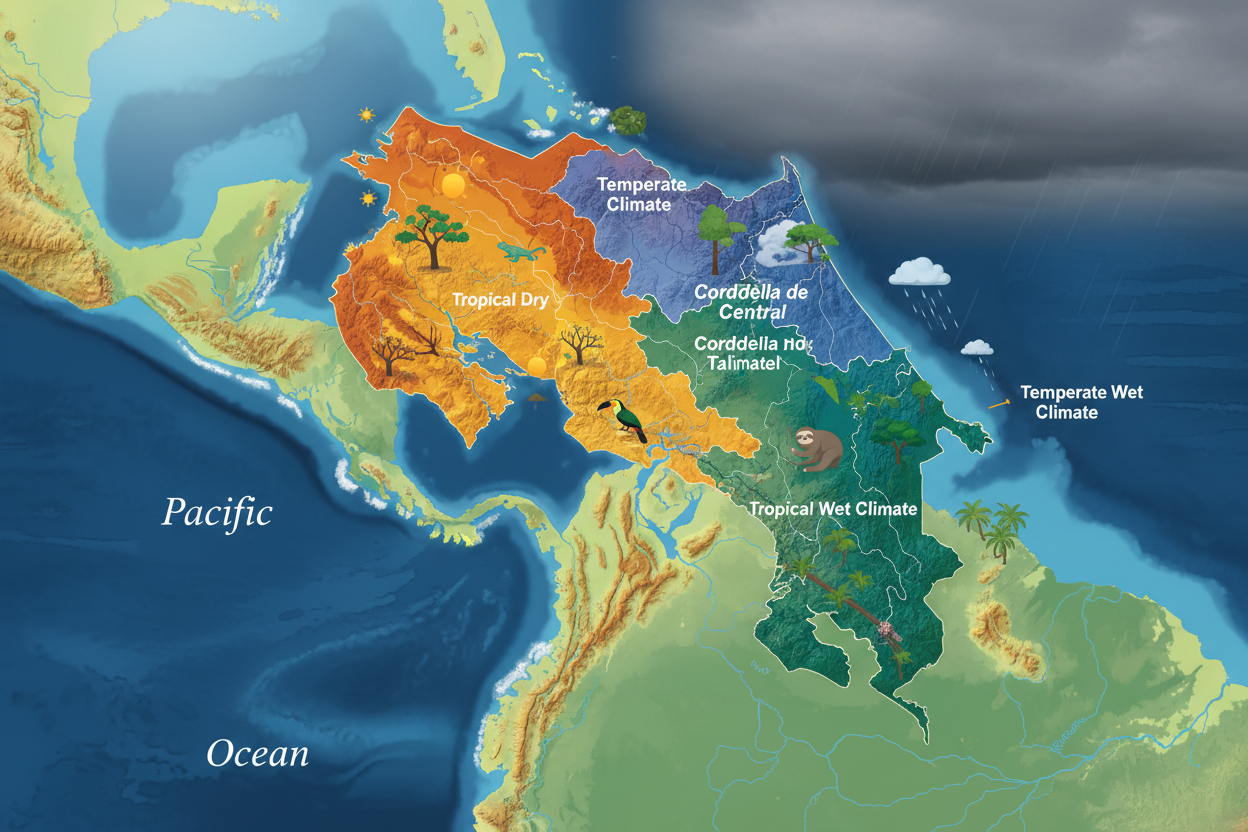
This Central American nation is a study in contrasts. Despite being entirely tropical, the country boasts remarkable climate diversity. Its land area is about twice the size of Massachusetts, yet it packs an incredible variety of environments.
This variety stems from unique geography. Elevation changes, proximity to two different coastlines, and mountain ranges create distinct microclimates. In fact, experts recognize 12 primary climatic zones within its borders.
Understanding these zones is key for any traveler. It helps you pack the right gear and plan activities based on regional weather patterns. This practical knowledge is as valuable as understanding the cost of living comparison between US and Costa for an extended stay.
From hot, humid lowlands to cool, misty highlands, the climate spectrum is vast. This guide will explore what makes each region unique. With proper preparation, this diversity makes a trip to Costa Rica more enriching.
Discovering Costa Rica’s Unique Climate Landscape
Travelers are often amazed to find they need a jacket just hours after swimming in the ocean. This country’s compact size creates dramatic weather contrasts over short distances.
Real Examples of Varying Weather Patterns
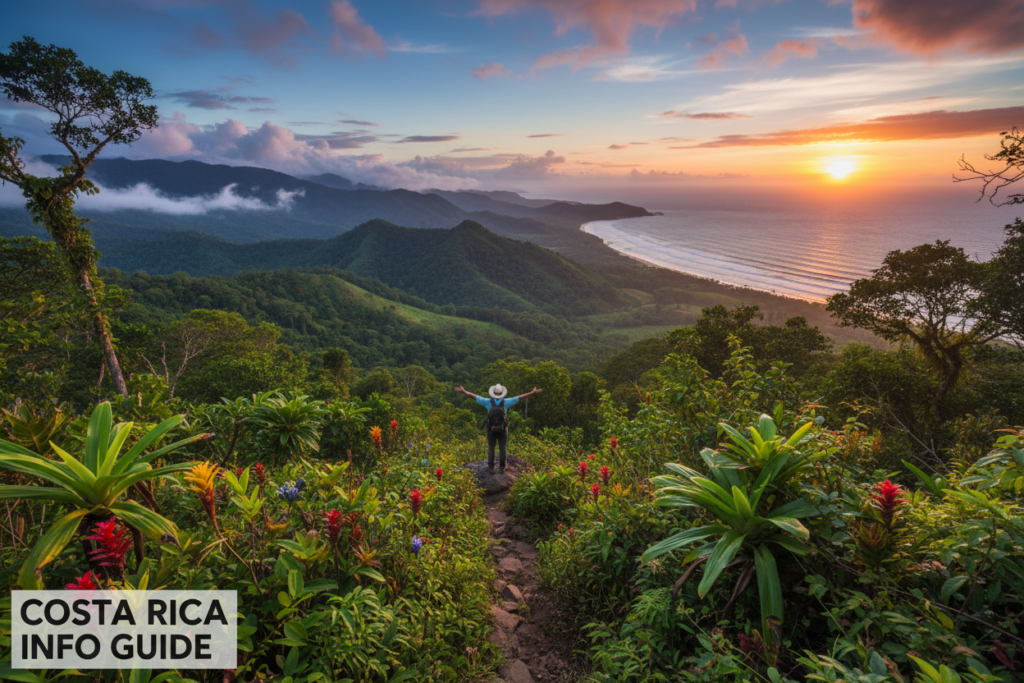
The famous El Camino trail shows this perfectly. Hikers pass through seven distinct climate zones on one journey.
They experience humid rainforests and cool, breezy highlands. Pacific beaches can be sunny and hot while the central valleys are misty and cool at the same time.
Weather here is often unpredictable. Sunny mornings frequently give way to afternoon showers, even outside the official rainy season.
Do’s and Don’ts for Weather Planning
Smart planning makes any trip more enjoyable. Follow these simple tips for dealing with the local variety.
- DO research the specific climate zone for each location on your itinerary.
- DO check separate forecasts for the coast, highlands, and rainforest.
- DO build flexibility into your schedule for spontaneous discoveries.
- DON’T assume all of Costa Rica has the same weather at one time.
- DON’T pack for only one type of climate. Bring versatile layers.
- DON’T avoid the rainy season. Mornings are often clear and landscapes are lush.
Understanding Costa Rica’s costa-rica-climate-zones
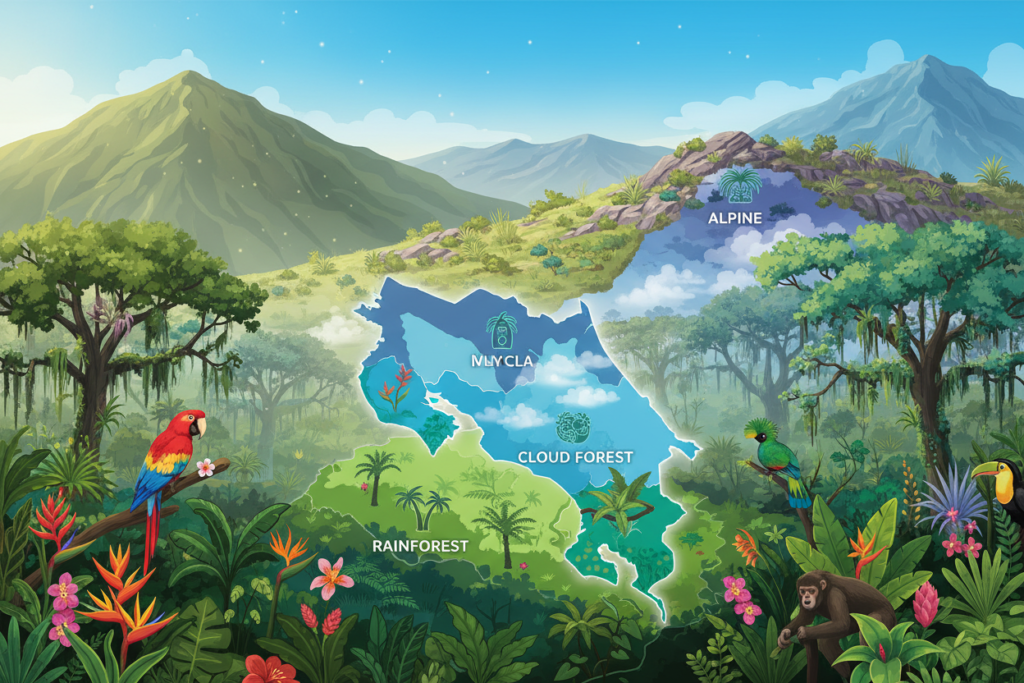
Forget latitude; in this tropical country, elevation dictates the daily forecast. The land is divided into three primary bands based on altitude. This creates vastly different temperatures and conditions across short distances.
Climate Conditions Determined by Elevation
The lowest band is the hot zone, from sea level to about 500 meters. Coastal and northern plain areas here are warm and humid year-round. Daytime temperatures often reach between 77 and 90 degrees Fahrenheit.
The temperate zone sits between 500 and 1,500 meters in elevation. This includes the popular Central Valley. Visitors enjoy moderate temperatures here, typically from 73 to 84 degrees, with less humidity.
Mountainous areas above 1,500 meters form the cold zone. Daytime feels pleasant, but nights can cool down to 50-55 degrees. Frost occurs at the highest elevations, though snow is very rare.
Understanding these elevations helps travelers pick destinations. A beach hotel and a mountain lodge can have completely different weather. Always check the altitude of your accommodation when planning.
Navigating the Dry and Rainy Seasons
The rhythm of life in Costa Rica is shaped by two primary seasons. The dry season runs from December to April. The rainy season lasts from May to November.
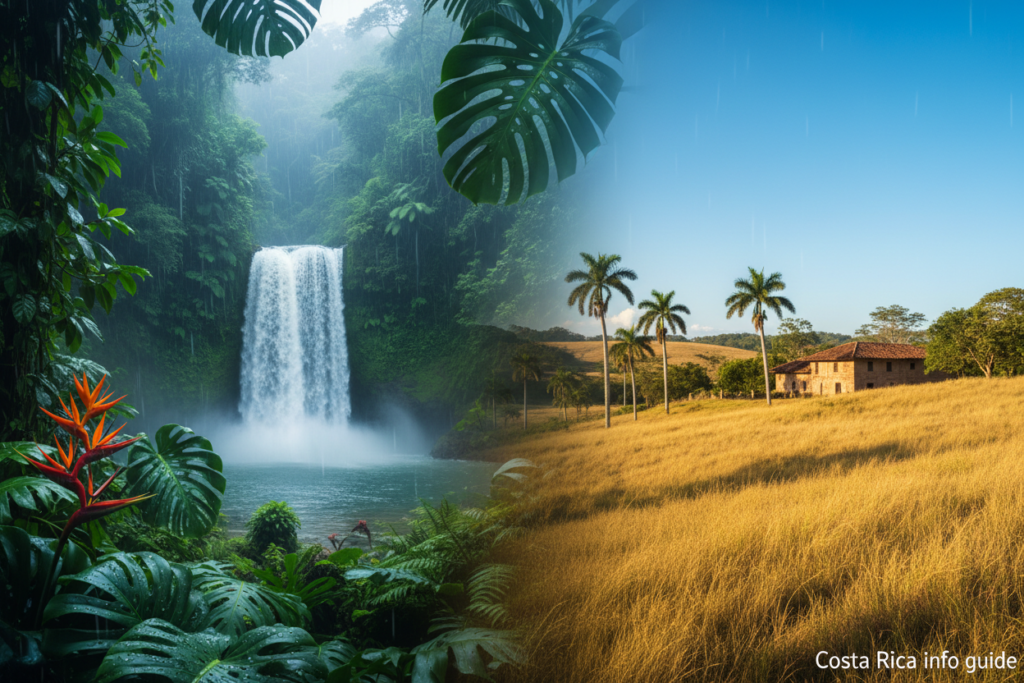
During the dry season, Pacific areas see minimal rainfall. Days are warm and sunny, perfect for beach trips. The rainy season brings lush greenery and afternoon showers.
The Caribbean coast is different. It gets rainfall all year, even in the dry season.
Safety Tips for Sudden Rainfall and Showers
Sudden rain is common. Follow these tips to stay safe.
- Always pack a lightweight rain jacket. Showers can happen any time of year.
- If heavy rain starts while hiking, find shelter. Wait for it to pass before continuing.
- Never cross rivers during or right after a downpour. Water levels rise fast.
- Check road conditions in the rainy season. Some dirt roads can become muddy and difficult.
Adapting to Seasonal Variability
Smart planning makes every season enjoyable. Schedule outdoor adventures for the morning during the rainy season. Afternoons are for relaxation.
Book hotels with covered patios or common areas. This gives you a dry space to unwind.
Remember, the rainy season has perks. You’ll find lower prices, fewer crowds, and vibrant landscapes. Animals are more active, making for great wildlife viewing.
The shift between seasons can be unpredictable. Months like April, May, November, and December often have mixed weather.
A Detailed Look at Costa Rica’s Climatic Regions
The heat, humidity, and rainfall you’ll experience depend entirely on which part of Costa Rica you visit. The country is neatly divided into three main bands: the hot lowlands, the temperate middle elevations, and the cool highlands.
Tierra Caliente: Hot, Humid, and Rain-Heavy Areas
This zone includes coastal areas and northern plains. The Pacific coast, like Quepos, sees average highs near 90°F. It gets heavy annual rainfall but ocean breezes ease the heat.
The Caribbean coast around Limón is just as warm. It receives consistent rainfall all year with no true dry season. The northern lowlands are the driest area in the country.
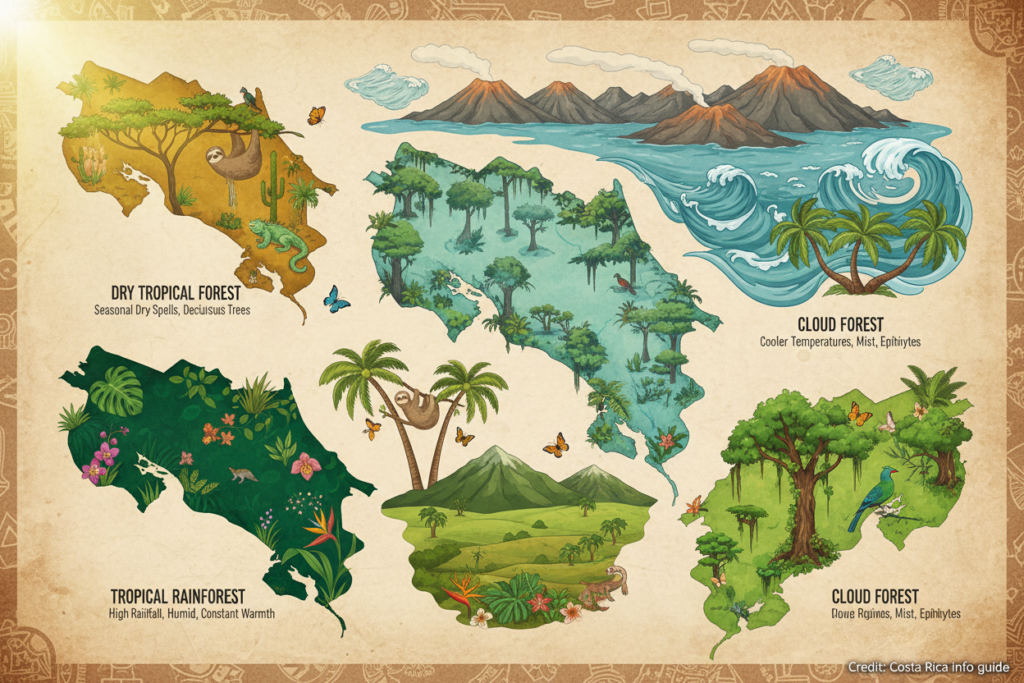
Tierra Templada and Tierra Fría: Cooler and Moderate Climates
The temperate zone is home to San José in the Central Valley. Days are pleasant, averaging 83°F, with cooler nights near 66°F. Rainfall is moderate and mostly seasonal.
Above 1,500 meters lies the cold zone. Cloud forests here are misty and cool. Daytime temperatures are comfortable, but nights can drop to the 50s. These highlands are less rainy but often windier.
This variety creates distinct environments. A single hike can pass through dry forests, rainforests, and mystical cloud forests.
Preparing for Your Weather Experience in Costa Rica
Smart packing is the secret to enjoying Costa Rica’s diverse weather. The right gear lets you adapt quickly between sunny beaches, misty forests, and cool highlands.
Always check the forecast for your exact location and time of year. Conditions can change in just a few hours.
Essential Packing and Layering Advice
Layering is your most important strategy. Use a three-part system for comfort.
Start with a moisture-wicking base layer. Add a light fleece for cooler areas. Always have a waterproof outer shell ready.
Choose quick-dry fabrics over heavy cotton. They are essential for humid conditions. Don’t forget sun protection like a wide-brim hat and high-SPF sunscreen.
| Climate Zone | Key Clothing | Footwear | Must-Have Accessories |
|---|---|---|---|
| Coastal/Hot Lowlands | Lightweight, breathable shirts & pants; quick-dry fabrics | Waterproof sandals; light shoes | Wide-brim hat, high-SPF sunscreen, refillable water bottle |
| Central Valley/Temperate | Moisture-wicking base layer; light fleece or jacket | Comfortable walking shoes; hiking boots | Sunglasses, compact rain shell, buff |
| Highlands/Cloud Forests | Insulating mid-layer; waterproof/windproof outer shell | Waterproof hiking boots with grip | Warm hat, gloves, extra socks |
Practical Tips for Hikers and Travelers
Carry plenty of water and drink before you feel thirsty. The heat in some areas causes fast dehydration.
Start hikes early to avoid afternoon rain and intense sun. Pack high-energy snacks and electrolyte packets.
Even in the dry season, keep a compact rain jacket in your daypack. This is also wise if you are traveling with a dog to Costa.
Do bring a small first-aid kit. Don’t underestimate the sun’s strength, even on cloudy days.
Bringing It All Together: Your Quick Checklist for Weather Readiness
Your ultimate tool for navigating the country’s weather is a simple, actionable checklist. Use it to pack smart and adapt to any region in Costa Rica.
- Zone Check: Research your destination’s specific climate among the 12 distinct zones.
- Season Savvy: Identify your travel season (Dry: Dec-Apr, Rainy: May-Nov). Remember the Caribbean coast gets rain year-round.
- Elevation Matters: Check the altitude of your lodgings. It dictates temperature more than the season.
- Layer Up: Pack a three-part system: moisture-wicking base, insulating mid-layer, and waterproof shell.
- Dual Defense: Bring both sun protection (hat, reef-safe sunscreen) and rain gear, regardless of season.
- Smart Footwear: Include waterproof hiking boots and water shoes for versatility.
- Stay Hydrated: Carry a refillable water bottle, especially in hot coastal areas.
- Morning Focus: Plan key outdoor activities for mornings during the rainy season.
- Stay Flexible: Build adaptability into your schedule for regional weather changes.
- Embrace Variety: View the climate diversity as a chance to choose coastal warmth or mountain coolness.
If you love the pleasant climate and consider a longer stay, CRIE can guide you through residency options. Contact them for expert advice: WhatsApp +506 8706 3888 | info@crie.cr | www.crie.cr
FAQ:
What is the best time to visit Costa Rica? The dry season offers sunny beach weather. The rainy season has lush landscapes and fewer crowds.
Is it cold in the mountains? Yes, highland areas can be cool, especially at night. A jacket is recommended.
Does it rain all day in the rainy season? Typically no. Rain often falls in intense afternoon showers, with sunny mornings.
FAQ
What is the best time of year to visit for sunny weather?
Does it rain all day during the rainy season?
How does elevation affect the weather in different areas?
Is the Caribbean Coast weather different from the Pacific side?
What essential items should I pack for the varying conditions?
Are there any safety concerns related to the weather?
Article by Glenn Tellier (Founder of CRIE and Grupo Gap)
Don't wait, contact us right now!
Call or WhatsApp Costa Rica +506 8373 2085 or +506 8706 3888
Call USA/Canada +1 305-906-6784