

Many people dream of a life filled with natural beauty and vibrant culture. Costa Rica makes this dream surprisingly affordable. This guide explores how to achieve a comfortable lifestyle without a huge budget.
Daily expenses here are often much lower than in the United States or Canada. A single person can live well on $1,600 to $2,000 monthly. Retired couples often manage on $2,000 to $3,000.
The country attracts a diverse group of people. Retirees, expats, and remote workers all seek a better quality of life. They find it in the welcoming communities and stunning landscapes.
Understanding expenses goes beyond just housing costs. Your lifestyle choices and location greatly impact your budget. This guide offers practical insights for planning your move.
Exploring Affordable Living in Costa Rica
Real-life examples show how residents keep their expenses low while enjoying a rich lifestyle.
Adopting local habits is key to managing your budget in this beautiful country.
Real-life examples of everyday living
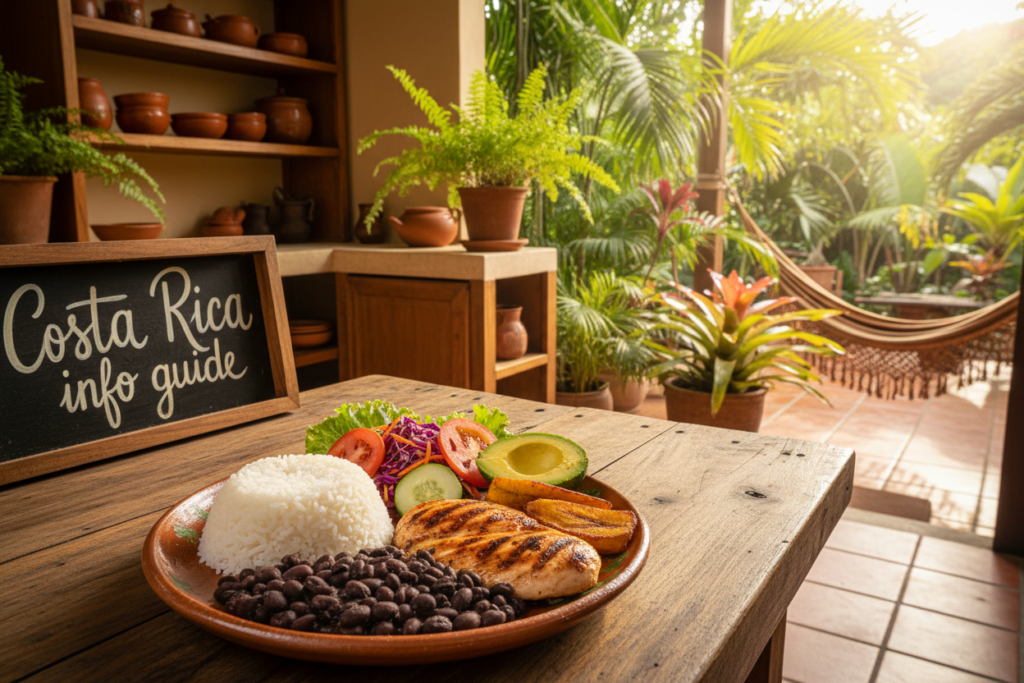
Local family-run restaurants, called sodas, serve hearty meals at low prices.
The classic casado plate includes rice, beans, plantains, salad, and a protein choice. It costs just $6 to $8.
Each soda adds its own touch. Rancho Nelson in Grecia offers fresh avocado and savory casserole.
Instead of soda pop, try a refresco natural. These are fresh fruit blends with water or milk.
Flavors like pineapple, mango, or guanabana are common. They are refreshing and cheap.
How local lifestyle influences your budget
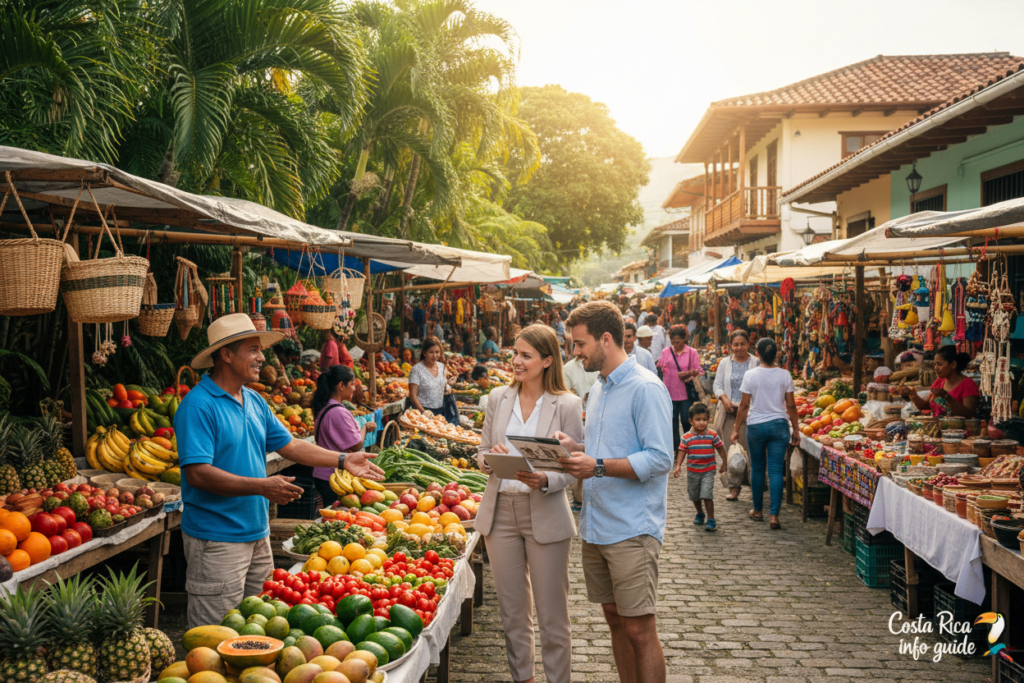
Weekly farmers’ markets, or ferias, are where locals shop. They offer fresh produce at great prices.
You can find pineapples for $1.50 and lettuce for 50 cents. A couple can fill their fridge for $40 to $50 per week.
Embracing these shopping and eating patterns cuts costs significantly. It also connects you to the community.
| Item | Local Option (Cost) | Tourist Option (Cost) | Approximate Savings |
|---|---|---|---|
| Lunch Meal | Casado at Soda ($6-$8) | International Restaurant ($15-$25) | $9-$17 |
| Fruit Drink | Refresco Natural ($2-$3) | Imported Soft Drink ($4-$5) | $2-$3 |
| Weekly Groceries | Feria Market ($40-$50) | Supermarket ($80-$100) | $40-$50 |
| Pineapple | Feria ($1.50) | Tourist Store ($4) | $2.50 |
Breaking Down cost-of-housing-in-costa-rica
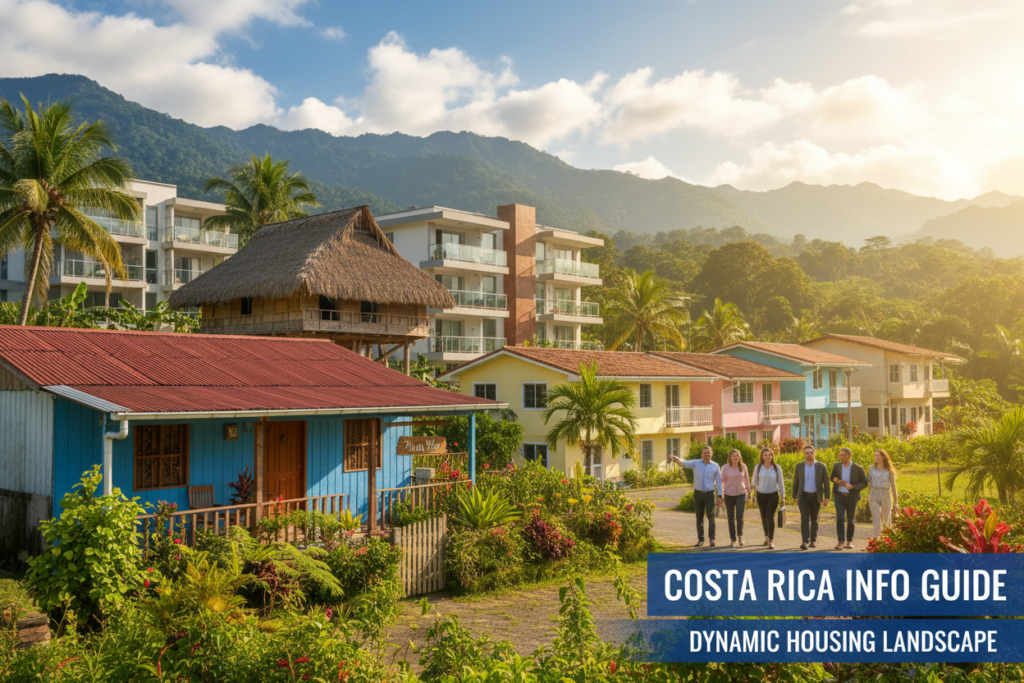
The housing landscape in Costa Rica offers diverse choices for every budget. Your first decision is whether to rent or purchase a property.
Renting provides flexibility and is a popular first step for newcomers. Buying a home is a long-term investment in the local real estate market.
Understanding Rental and Purchase Options
Overall housing costs here are significantly lower than in many Western countries. This makes both renting and buying attractive options.
The rental market has a wide range. You can find small furnished houses or compact apartments at modest prices.
Luxury properties and spacious units are also available for a higher cost. Your choice depends on your lifestyle and financial plans.
Comparing Different Regions and Communities
Location dramatically affects price. Properties in popular coastal towns often cost more than similar ones inland.
Urban centers like San Jose have their own price ranges. More budget-friendly cities exist in the Central Valley.
Coastal areas may see prices 10-25% higher due to tourist demand. The Central Valley often provides more value.
Remember to budget for extra costs. Basic utilities and internet service add to your monthly total.
Understanding these regional differences is key to finding a home that fits your budget in Costa Rica.
Practical Tips for Finding Affordable Homes
Smart house hunters in Costa Rica know that the best deals often come from local sources. Finding a great property requires a mix of online research and real-world networking. The real estate market offers many options, but your strategy matters.
Do’s and Don’ts for House Hunting
Follow these simple guidelines to navigate your search.
- Do research multiple areas. Visit towns at different times of day and week. This shows true traffic and community feel.
- Don’t decide based on a short vacation. A tourist visit doesn’t reflect year-round living costs or neighborhood dynamics.
- Do check local community boards and Facebook groups. These often list rentals and homes for sale before they hit major websites.
- Don’t forget extra costs. Always budget for property maintenance, fees, and utilities. They impact your total cost.
Using Local Markets and Fairs to Search for Deals
Weekly ferias and community events are perfect for networking. Chat with residents. They often know about available homes before they are advertised.
This local approach reveals affordable prices. It builds connections that lead to great finds. Patience and community engagement are key to finding value in Costa Rica.
Managing Monthly Expenses in Costa Rica
Life in Costa Rica involves managing several key expense categories beyond just your rent or mortgage. Creating a clear monthly budget brings financial clarity and peace of mind.

Budgeting for utilities, food, and transportation
Typical monthly expenses for a single person range from $1,600 to $2,000. Retired couples often live well on $2,000 to $3,000. These figures cover all major living costs.
Your core monthly expenses fall into three main areas:
- Utilities: Electricity is your most variable cost, from $30 to over $500 monthly. This depends heavily on air conditioning use. The mild climate means you save significantly on heating fuel.
- Food: Grocery costs hinge on where you shop. A couple can spend $40-$50 weekly at a local feria. Eating at a soda costs just $6-$8 for a full meal.
- Transportation: Public bus rides cost under $1. A monthly pass is around $35. Car ownership adds costs for purchase, gas, and maintenance.
Your personal lifestyle and location will determine your final monthly expenses. Use these figures as a practical starting point for your own detailed cost guide.
Navigating Costa Rican Neighborhoods and Locations
Coastal towns, urban centers, and rural villages present three distinct ways of life here. Your location choice defines your daily rhythm and connection to the community.
Differences between coastal, urban, and rural areas
Urban areas like San Jose offer maximum convenience. This city provides international healthcare, shopping malls, and cultural events. Suburbs such as Escazu add modern amenities and expat-friendly services.
Coastal communities range from bustling tourist hubs to quiet beach towns. Popular spots like Tamarindo often have prices 10-25% higher than inland cities. More relaxed areas like Samara or Playa Carrillo offer affordable living amidst tropical beauty.
Rural zones provide the most budget-friendly property options. Life moves slower here, deeply connected to nature. Residents trade immediate access to specialty stores for lower costs and serene landscapes.
Each type of area supports a different lifestyle:
- Urban: Best for convenience, services, and a faster pace.
- Coastal: Ideal for ocean access and a relaxed vibe, with cost varying by tourist traffic.
- Rural: Perfect for solitude, nature, and the lowest living costs.
Finding your place in Costa Rica is about balancing priorities. Consider what you value most: beach proximity, city amenities, or peaceful countryside.
Local Lifestyle and Cost Saving Strategies
The true secret to managing your budget in Costa Rica lies not in cutting corners, but in wholeheartedly embracing the local way of life. This approach naturally lowers expenses while deepening your connection to the culture.
Embracing local dining and community experiences
Family-run sodas are the heart of community dining. For $6 to $8, a casado plate provides a hearty, nutritious meal. Regulars are often greeted by name, turning a simple lunch into a social event.
Skip imported sodas and try a refresco natural. These fresh fruit blends are a delicious and affordable staple. They showcase the fantastic local produce.
Weekly farmers’ markets, or ferias, are where residents shop. Vibrant stalls offer pineapples, lettuce, and other staples at very low prices. A couple can stock their kitchen for about $40 to $50 weekly.
Choosing local food options over tourist restaurants makes a big difference. A meal at a soda costs a fraction of the price at an international spot. This simple shift is a major key to affordable living in Costa Rica.
For many people, this lifestyle integration is not about sacrifice. It’s about discovering richer, more authentic daily experiences.
Safety Tips and Practical Advice in Costa Rica
Navigating daily life safely in Costa Rica requires a blend of common sense and local knowledge. The country is generally safe and welcoming. A practical approach helps residents enjoy their homes with confidence.
Staying safe while renting and living locally
Always get a written rental agreement. Verify the landlord’s credentials and your tenant rights. Document the property’s condition with photos when you move in.
This protects your deposit and prevents disputes. Visit neighborhoods at different times before choosing a home. Talk to current residents to understand the area’s feel.
Use basic prevention strategies. Secure doors and windows properly. Be discreet with valuables and build good relationships with neighbors.
What to do if you face unexpected challenges
Remain calm and communicate clearly if a problem arises. For housing disputes, refer to your written contract first. Seek advice from trusted local contacts or expat community members.
Build a support network of reliable handymen, honest agents, and helpful neighbors. For serious issues like maintenance emergencies or safety concerns, know when to contact local authorities or seek legal help.
| Common Challenge | Prevention Strategy | Recommended Action |
|---|---|---|
| Property Dispute | Signed contract & move-in photos | Calm discussion, then mediator or lawyer |
| Utility Problem | Know provider contacts & payment schedule | Call service company, ask neighbor for help |
| Neighborhood Issue | Build rapport with local residents | Discuss respectfully, involve community leader if needed |
| Safety Concern | Basic home security, discreet habits | Contact local police (911), inform trusted neighbors |
Most challenges in Costa Rica are logistical. The pura vida culture means people are often helpful. Patience and local knowledge usually resolve issues smoothly.
Understanding Residency and How CRIE Can Help
Residency status in Costa Rica affects access to healthcare, property rights, and long-term stability. For those planning to live here, understanding the legal framework is important.
This guide offers lifestyle insights, not legal advice. Professional guidance is essential for residency matters.
Brief Overview of Residency Options
Costa Rica provides several pathways for legal residency. Categories include options for retirees, investors, and professionals.
Legal resident expats can join the government-run universal healthcare system, known as the Caja. This is a key benefit for long-term residents.
You can apply for permanent resident status after three years of temporary residency. Choosing the correct category requires a personalized assessment.
| Residency Pathway | Main Requirement | Primary Benefit |
|---|---|---|
| Pensionado (Retiree) | Guaranteed lifetime pension income | Full access to the Caja healthcare system |
| Rentista (Fixed Income) | Proof of stable external income | Temporary residency for several years |
| Inversionista (Investor) | Significant capital investment in the country | Pathway to permanent residency status |
Contact Information for Guidance
CRIE specializes in helping people navigate residency questions. Their experts provide guidance on which options align with individual goals.
For detailed support, contact them directly.
WhatsApp: +506 8706 3888
Email: info@crie.cr
Website: www.crie.cr
Understanding your options early helps with long-term planning in Costa Rica.
Quick Checklist for Affordable Living in Costa Rica
Planning your move is easier with a clear, actionable checklist. This summary highlights key steps for managing your budget and lifestyle.
- Budget First: Plan for $1,600-$2,000 monthly for a single person. Couples often need $2,000-$3,000. Your final expenses vary depending on location.
- Choose Location Wisely: Coastal and tourist areas can cost 10-25% more than the Central Valley. Visit neighborhoods at different times before deciding.
- Embrace Local Living: Shop at weekly ferias for fresh, affordable produce. Eat at family-run sodas for hearty $6-$8 meals.
- Factor In All Costs: Remember utilities, internet, property taxes, and transportation. Public buses are very economical.
- Research Healthcare: Residents can access the Caja system. Many expats and retirees also use private insurance for extra coverage.
- Plan for Residency: Explore your options early. For guidance, contact CRIE.
Common Questions: Is it really affordable? Yes, with smart planning. Can I find a nice home? Absolutely, from $550 monthly. Will I need a car? Not necessarily; buses serve most areas.
For personalized help with residency, reach out to CRIE: WhatsApp +506 8706 3888 | info@crie.cr | www.crie.cr.
FAQ
Is it better to rent or buy a home in Costa Rica?
How do housing prices vary between different regions?
What are some effective tips for finding affordable rentals?
What monthly expenses should I budget for beyond rent or a mortgage?
How does the local lifestyle help reduce living costs?
What should I know about safety when renting a property?
Can CRIE help with residency and legal questions about moving?
Article by Glenn Tellier (Founder of CRIE and Grupo Gap)
Don't wait, contact us right now!
Call or WhatsApp Costa Rica +506 8373 2085 or +506 8706 3888
Call USA/Canada +1 305-906-6784