

Starting or formalizing a business in Costa Rica is usually manageable when you understand the order of steps and which institution controls which requirement. This guide explains the most common business structures, the typical registrations you’ll face (tax, municipality, social security, health permits), and the practical compliance items that surprise new business owners. It is general information for planning purposes only and is not legal, tax, or accounting advice.
What are “business regulations” in Costa Rica, in plain English?
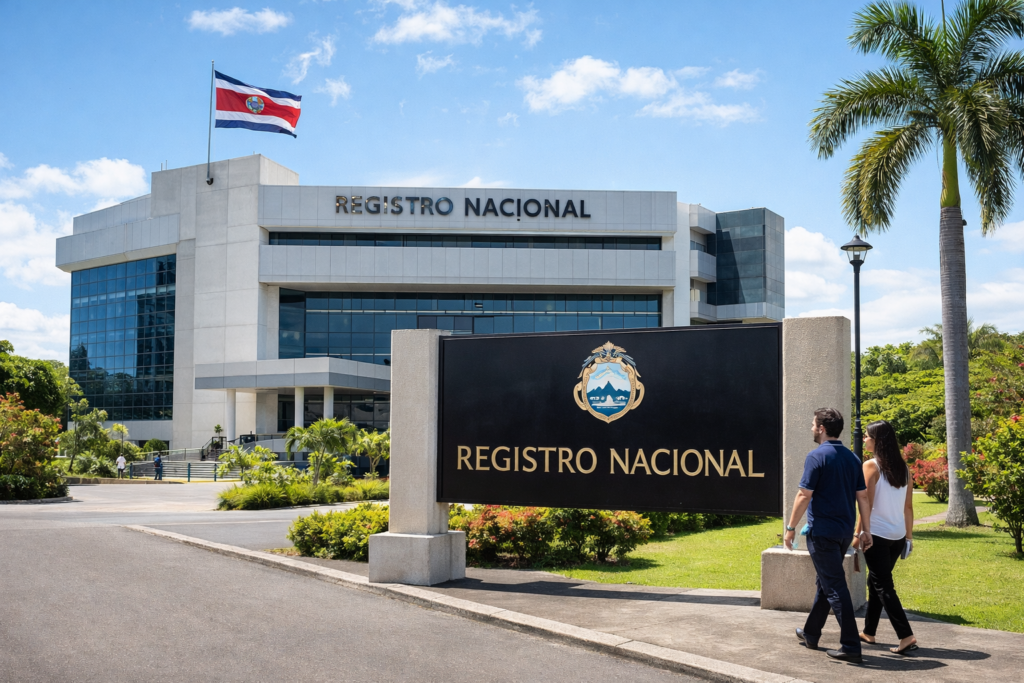
In Costa Rica, “business regulations” usually means the combination of (1) how your business is legally formed and registered, (2) how you register and report for taxes, (3) which permits you need to operate in a specific location and activity, and (4) your obligations if you hire workers. In practice, most businesses touch several institutions: the National Registry (Registro Nacional) for company registration, the Ministry of Finance (Ministerio de Hacienda) for tax registration and electronic invoicing, your local municipality for a business license (patente municipal), the Ministry of Health for the sanitary operating permit (permiso sanitario) for many activities, and the Costa Rican Social Security Fund (CCSS) if you have employees or register as an employer.
Before you start: two quick “big picture” checks
1) What activity are you actually doing?
Most permits and compliance requirements depend on what your business does (restaurant, retail, consulting, construction, tourism services, rentals, etc.) and where it operates. Two businesses can have the same legal structure but completely different permit requirements because of activity risk level, location, and municipal rules.
2) Will you have a physical location?
A home-office service business often has fewer permits than a storefront or a business serving the public. If you will have a physical location, you usually need municipal approval (and often land-use confirmation) before you can operate legally in that canton.
Common business structures in Costa Rica
Costa Rica offers several ways to operate. The best fit depends on ownership, liability preferences, whether you need partners, and your compliance goals. The most common formal entities for small and mid-sized businesses are corporations and limited liability companies.
Sociedad Anónima (S.A.)
An S.A. is a common corporate structure used for many types of businesses. It is often used when owners prefer a share-based structure. Like other corporate forms, it must be constituted by a Costa Rican notary and registered in the National Registry. In practice, many business owners choose this for flexibility in shareholding and governance, but the best choice depends on your specific situation and advice from your legal and accounting professionals.
Sociedad de Responsabilidad Limitada (S.R.L.)
An S.R.L. is another common structure, often chosen for smaller businesses with fewer owners, and is structured around “cuotas” (ownership quotas) rather than shares. It is also created through a Costa Rican notary and registered in the National Registry.
Sole proprietor (persona física)
Some people operate as an individual (persona física) for certain activities, registering with the tax authority accordingly. This can be simpler in some cases, but it may not be ideal for liability and long-term planning. Professional guidance matters here.
Branches and foreign entities
Foreign companies can sometimes register or operate through Costa Rican structures depending on what they need to do locally. This area can be more complex, and it’s common to get local legal guidance to ensure compliance.
Step-by-step: the typical compliance path to open a business
The order below reflects how many businesses approach setup in real life. Your exact path may differ based on activity, municipality, and whether you are taking over an existing business or starting from scratch.
Step 1: Form the legal entity (if you’re incorporating)
If you choose an S.A. or S.R.L., a Costa Rican notary typically drafts the constitutive deed (escritura) and registers it with the National Registry. Once registered, your entity receives its corporate identification (cédula jurídica), which is used across most government systems.
Step 2: Register for taxes with the Ministry of Finance (Hacienda)
Most formal businesses must register with the tax authority and keep tax information updated. This includes selecting economic activity codes and setting up the ability to issue compliant electronic receipts/invoices (comprobantes electrónicos). If you will invoice clients in Costa Rica, electronic invoicing is a core compliance requirement for most taxpayers, and the technical version in use matters because updates occur over time.
Step 3: Set up electronic invoicing (comprobantes electrónicos)
Electronic invoicing in Costa Rica is based on issuing and receiving XML documents under Hacienda’s standards. Many businesses use authorized software providers to generate, sign, and transmit electronic documents properly. If your invoicing system is out of date or not compatible with the current required version, you can run into operational problems quickly. Your accountant or provider should confirm the current required version and any migration deadlines.
Step 4: Municipal requirements (patente municipal and related approvals)
If you operate from a physical location, you usually need a municipal business license (patente). Many municipalities also require land-use compatibility (uso de suelo) confirmation or similar zoning compatibility checks. Requirements vary by canton, and timelines can vary as well, so verify your municipality’s process early.
Step 5: Health and operational permits (when required)
Many commercial and service activities require a sanitary operating permit from the Ministry of Health (permiso sanitario de funcionamiento). Requirements depend on the type of activity and risk classification. Even businesses that feel “low risk” can be required to hold the permit depending on what they do and whether the public enters the premises.
Step 6: Employer registration and worker compliance (CCSS and labor obligations)
If you hire employees, you typically must register as an employer with the CCSS and comply with payroll-related obligations. Labor compliance also includes statutory benefits such as the aguinaldo (year-end bonus) rules and payment obligations. Even small businesses are affected once they employ staff, so plan payroll compliance from day one.

Key permits and registrations, explained
Patente municipal (municipal business license)
The patente is a local license to operate a business in a canton. Municipalities can request documentation such as corporate documents, identification, proof of tax registration, land-use compatibility, and sometimes proof of other permits depending on the activity. The exact checklist varies by municipality, so treat any generic checklist as a starting point, not a final answer.
Uso de suelo (land-use / zoning compatibility)
Many municipalities require confirmation that your activity is allowed in that location under local zoning plans. This can be critical for restaurants, retail, and higher-traffic businesses. If zoning does not allow your activity, you may need to change location or adjust the activity description.
Permiso sanitario de funcionamiento (Ministry of Health)
The Ministry of Health issues sanitary operating permits for many establishments engaged in industrial, commercial, and service activities. Typically, you submit a request along with required forms and declarations, and you may need to pay fees depending on classification. The exact requirement depends heavily on the activity classification and risk level, so confirm your category before assuming you are exempt.
Tax compliance basics (IVA and income tax)
Costa Rica’s VAT (IVA) general rate is 13% for many taxable transactions, with reduced rates and exemptions for certain goods and services. Separate from IVA, businesses may also have income tax obligations depending on their structure and activity. Your accountant should confirm which taxes apply, what filing frequency you have, and what must be reported based on your activity code.

Electronic invoicing compliance
Electronic invoicing rules are set by the tax authority, and taxpayers are generally required to issue and receive electronic documents using the required technical specifications. Because the required version can change, keep your invoicing system aligned with the current standard and transition deadlines.
RTBF (beneficial ownership transparency reporting)
Costa Rica requires certain entities to report beneficial ownership information through the RTBF system managed through Banco Central channels. This is an annual compliance item for many entities, and it commonly has a defined reporting window. If you have a Costa Rican entity, confirm your obligation and deadlines with your professional advisor.
CCSS employer registration and payroll obligations
When you hire employees, you generally need to register as an employer and comply with payroll reporting and payment obligations. Your payroll setup should be coordinated with your accountant or payroll provider so that reporting and payments are handled correctly from the beginning.
Labor rules that affect most employers
Labor rules can affect your business immediately once you hire staff. A well-known example is the aguinaldo, which is calculated based on wages earned during a defined 12-month period and must be paid according to Costa Rican rules. The Ministry of Labor provides official guidance and tools to help employers and workers understand calculation and obligations.
Using VUI (Ventanilla Única de Inversión) to streamline permits
Costa Rica has centralized tools intended to simplify certain business-related procedures. The VUI platform is designed to centralize multiple procedures linked to opening, expanding, and formalizing businesses. Depending on your activity, VUI may help you track certain steps and reduce back-and-forth, but you still must meet the underlying requirements for each institution involved.
Operating realities: what usually slows people down
Municipal variability
Municipal processes can differ meaningfully from canton to canton. The same business concept can face different requirements and timelines depending on local processes and staffing.
Activity classification and “risk level” assumptions
People often assume they do not need a sanitary permit because they are not “food” or “medical.” In reality, many services and establishments still require a permit based on classification, customer access, or operational characteristics.
Accounting and invoicing setup
Businesses commonly underestimate the importance of setting up tax registration and e-invoicing correctly from day one. If you plan to invoice locally, confirm your invoicing system, certificates (as applicable), and the correct technical standard.
Corporate compliance and annual obligations
Beyond formation, corporations can have ongoing obligations such as maintaining updated corporate information, keeping records, and meeting reporting requirements like RTBF (when applicable). Plan for ongoing compliance, not just opening day.
What foreign owners should understand about immigration and working legally
Owning a business and working in that business are not the same thing. In many cases, foreigners can own shares or quotas in a Costa Rican entity, but performing day-to-day work in Costa Rica may require an appropriate immigration status. If you plan to relocate and actively work in Costa Rica (even in your own business), confirm what status is required for your situation with a qualified immigration professional.
Digital Nomad is not residency
The Digital Nomad option does not count toward Costa Rica residency. If your goal is long-term residency, you should consider residency categories that can lead toward that path and choose the option that fits your profile.
Common residency alternatives (overview)
Depending on your background and goals, common pathways people explore include Pensionado (at least one thousand US dollars monthly pension), Rentista (income-only, at least two thousand five hundred US dollars per month guaranteed foreign income), and Investor (one hundred fifty thousand US dollars minimum qualifying investment). The right path depends on your situation and documentation.
How CRIE fits in (and what CRIE does not do)
CRIE focuses on Costa Rica immigration and residency matters only. If your business plans include relocating to Costa Rica and you need the correct immigration pathway to live here long-term (and potentially work legally, depending on your role), CRIE can help you understand residency categories, documentation, and process strategy. For company formation, municipal permits, tax strategy, and accounting setup, you should work with qualified Costa Rican professionals in those specialties.
Frequently Asked Questions (FAQ)
Do I need to form a Costa Rican corporation to start a business?
Not always. Some activities can be done as an individual (persona física), while others are commonly done through an S.A. or S.R.L. The right choice depends on liability, ownership, and operational needs, so it’s best confirmed with local legal and accounting guidance.
Is a municipal business license (patente) required everywhere?
If you operate from a physical location and conduct commercial activity in a canton, a patente is commonly required. The exact requirements and process depend on the municipality, so verify with the local government where the business is located.
When is a sanitary operating permit required?
Many industrial, commercial, and service establishments must have a sanitary operating permit, and the requirement depends on the activity classification and risk level. Confirm your category before assuming you are exempt.
Is electronic invoicing mandatory in Costa Rica?
For most taxpayers who issue invoices or receipts, electronic invoicing is a core compliance requirement and must follow the tax authority’s technical standards. Your accountant or invoicing provider should confirm the current required version and setup.
What is the VAT rate (IVA) in Costa Rica?
The general VAT (IVA) rate is 13% for many taxable transactions, with reduced rates or exemptions for specific items. Whether IVA applies to your transaction depends on the nature of the good or service.
What is RTBF and does my company need to file it?
RTBF is the beneficial ownership transparency reporting system. Many legal entities are required to file annual declarations within a defined reporting window. If you have a Costa Rican entity, confirm your obligation and deadlines with your professional advisor.
If I own a Costa Rican company, can I work in it as a foreigner?
Owning a company and working in Costa Rica are not the same thing. In many cases, foreigners can own a business, but performing day-to-day work may require an appropriate immigration status. Get immigration advice specific to your role and plans.
Does the Digital Nomad visa count toward residency in Costa Rica?
No. The Digital Nomad visa does not count toward Costa Rica residency. If your goal is residency, you should consider Pensionado (at least one thousand US dollars monthly pension), Rentista (income-only, at least two thousand five hundred US dollars per month guaranteed foreign income), or Investor (one hundred fifty thousand US dollars minimum qualifying investment), depending on your profile.
How long does it take to open a business legally?
Timelines vary widely based on the activity type, municipality, and permit requirements. Some steps can move quickly, while others depend on inspections or municipal processing. Planning the sequence early helps reduce delays.
What should I do first if I want to relocate and start a business?
Start by separating the business setup path (entity, tax, permits) from the immigration path (your legal status to live long-term and, if needed, work). Coordinating both tracks early prevents costly rework and delays.
Professional Disclaimer
This article is provided for general informational purposes only and does not constitute legal, tax, accounting, or investment advice. Business requirements can vary by activity type, location, and changes in regulations. You should consult qualified Costa Rican legal, accounting, and licensing professionals for advice tailored to your specific situation. CRIE provides immigration and residency services only.
Article by Glenn Tellier (Founder of CRIE and Grupo Gap)
Don't wait, contact us right now!
Call or WhatsApp Costa Rica +506 8373 2085 or +506 8706 3888
Call USA/Canada +1 305-906-6784