

When considering health and medication, many people wonder about the similarities and differences in pharmacy products across countries. This article explores whether medications found in Costa Rica are equivalent to those available in the United States and Canada. Understanding how these drugs are sourced and regulated can provide valuable insights.
In the U.S., the FDA ensures that medications meet strict safety and efficacy standards. Similarly, Health Canada oversees the drugs sold within its borders. Notably, major pharmaceutical manufacturers distribute their products globally, often from the same facilities. This raises questions about the version of prescription drugs available abroad.
We aim to clarify why prices and packaging might differ, even when the drugs themselves are identical. By comparing these systems, we provide essential information about obtaining prescriptions in a new country. Our guide helps you navigate the complexities of pharmacies, ensuring you receive the quality care you expect.
Navigating Pharmacy Standards in Costa Rica
Understanding the regulatory framework surrounding pharmacies in Costa Rica plays a vital role in ensuring medication safety. Each country has its own authorities responsible for the safety and efficacy of the medications available to the public. In Costa Rica, local regulatory practices ensure that medications meet specific safety standards for human use.
When relocating from your home country, grasping how local pharmacies operate is essential for maintaining your health. We examine how different countries manage their pharmacy supply to guarantee that every prescription drug is safe for those who need it. Manufacturers must adhere to strict guidelines, and the version of a medication you receive should always be verified for quality.
By checking the information provided by local authorities, you can better understand the price and availability of necessary medications. Managing your costs becomes easier when you know that pharmacies in your new country uphold high professional standards.
Differences in Medication Packaging and Labeling
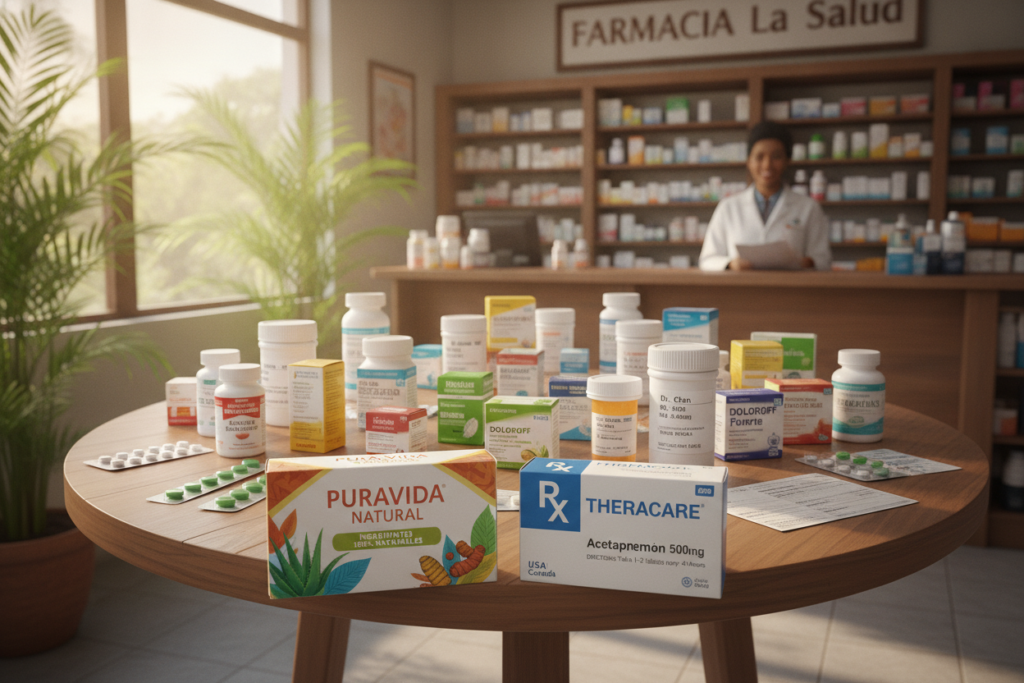
When we explore pharmacy products, we often notice significant differences in how medications are packaged and labeled across different nations. Each country has unique regulations that dictate how prescription drugs must be presented. This means that even if the medication inside is the same, the outer packaging can look quite different.
Labeling requirements for medications are not uniform. For instance, products sold in Canada often have different labeling than those in the United States. Some medications, like Synthroid, may even have foreign versions that differ from what is available in the U.S. market. These variations can arise because foreign drugs might be produced in facilities not registered with the FDA.
Despite these differences, it’s important to note that foreign versions of drugs can be just as safe and effective as those sold domestically. Understanding these distinctions can help people feel more confident when filling prescriptions at local pharmacies in Costa Rica.
How Medications Compare: USA, Canada, and Costa Rica
The comparison of medications across various countries raises interesting questions for consumers. While the quality and purity of drugs are generally consistent, pricing can vary significantly. For instance, prescription medications often cost less in Canada than in many U.S. pharmacies.
Some pharmacies in Costa Rica source their medications from wholesalers in Malta, allowing them to offer lower prices on essential drugs. Major pharmaceutical companies like Eli Lilly and Pfizer distribute their products globally, affecting the prices you encounter.
Many Americans choose international pharmacies when their prescriptions are no longer covered by Medicare Part D. Research shows that consumers can save up to 90% on brand-name drugs through reputable international sources.
Insights on are-pharmacy-products-the-same-in-costa-rica-as-usa-canada
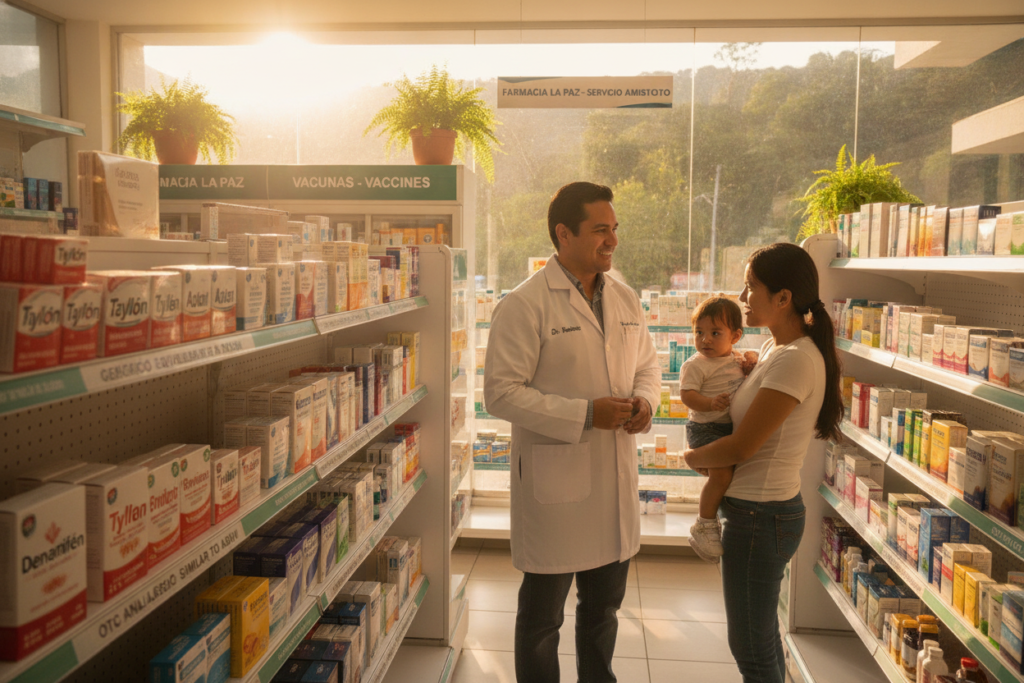
The journey of medications from manufacturers to pharmacies is complex and often varies by country. Understanding this process can shed light on the equivalence of products available in different locations.
Pharmacies typically do not purchase medications directly from manufacturers. Instead, they source their products through established pharmaceutical wholesalers. These wholesalers operate on a global scale, meaning that the same drugs used by people in the U.S. are often available in other countries.
Approximately 150 countries have FDA-registered establishments, ensuring that many pharmaceutical products meet international standards. This global supply chain helps clarify why the medications you receive may be identical to those sold in your home country.
Insights into product equivalence show that medications sourced abroad are often from the same manufacturers. This understanding can help maintain your health while living in a new country.
Implications for Residents and Immigrants in Costa Rica
Accessing medications in a new country involves navigating various systems and regulations. For those living in Costa Rica, understanding how to obtain necessary medications is crucial for maintaining health.
CRIE has provided professional assistance to individuals and families with Costa Rica residency and immigration for over 20 years. Each case is unique, depending on nationality, family situation, and immigration history.
It’s essential to grasp how residency status impacts your ability to access health services. Navigating the pharmacy system is just one part of the transition. Having the right legal status ensures long-term access to necessary medications.
We recommend consulting with our experts to understand how your specific situation affects your ability to live comfortably and access healthcare in Costa Rica. For more information on residency risk factors, visit this link.
Final Thoughts and Next Steps
Knowing how medications differ across borders is vital for maintaining your health. Understanding whether pharmacy products align with those from your home country is essential for your long-term well-being.
While packaging and prices may vary, the quality of the medication you receive is often identical to what you used back home. We hope this guide has provided the information you need to feel confident about managing your prescriptions in your new country.
For personalized guidance on your residency journey, please speak with Johanna Alvarez, our CRIE immigration expert. You can reach out for pricing and next steps via WhatsApp at +506 8706 3888, email info@crie.cr, or visit our website at crie.cr.
FAQ
Are medications in Costa Rica as effective as those in the USA and Canada?
How do I know if a pharmacy in Costa Rica is reputable?
Are prescription drugs in Costa Rica cheaper than in the USA and Canada?
Can I use my prescription from the USA or Canada in Costa Rica?
What should I know about medication packaging in Costa Rica?
Are there differences in medication labeling requirements between countries?
How do the quality and safety of medications compare across these countries?
What factors influence the price of medications in Costa Rica?
How can I access medications while living in Costa Rica?
What should I do if I have issues with my prescription in Costa Rica?
Article by Glenn Tellier (Founder of CRIE and Grupo Gap)
Don't wait, contact us right now!
Call or WhatsApp Costa Rica +506 8373 2085 or +506 8706 3888
Call USA/Canada +1 305-906-6784