
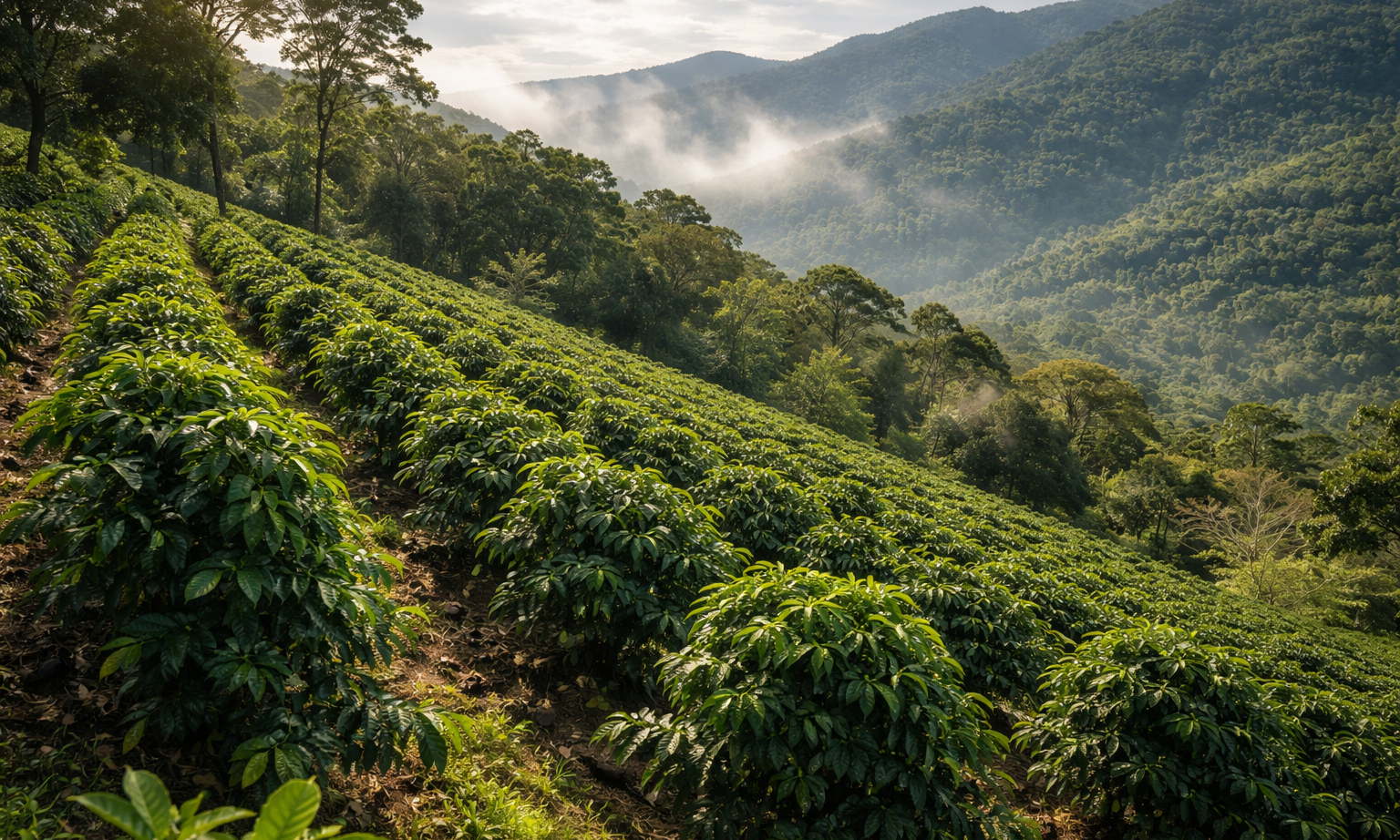
Costa Rica is widely known for its coffee, and many people researching a move to the country come across articles and tours focused on coffee plantations. This often leads to questions about whether coffee production has any connection to residency, investment-based immigration, or long-term legal stay.
This article explains what Costa Rican coffee plantations are, where they are commonly located, and how they relate—or do not relate—to Costa Rica’s residency and immigration system.
A Brief Overview of Coffee Production in Costa Rica
Coffee has been cultivated in Costa Rica for generations and remains an important part of the country’s agricultural history. Most coffee grown in Costa Rica is Arabica, and production is regulated by quality standards rather than volume.
Coffee plantations range from small family-owned farms to larger operations, many of which are located in higher-altitude regions where climate conditions support coffee cultivation.
Where Coffee Plantations Are Commonly Located
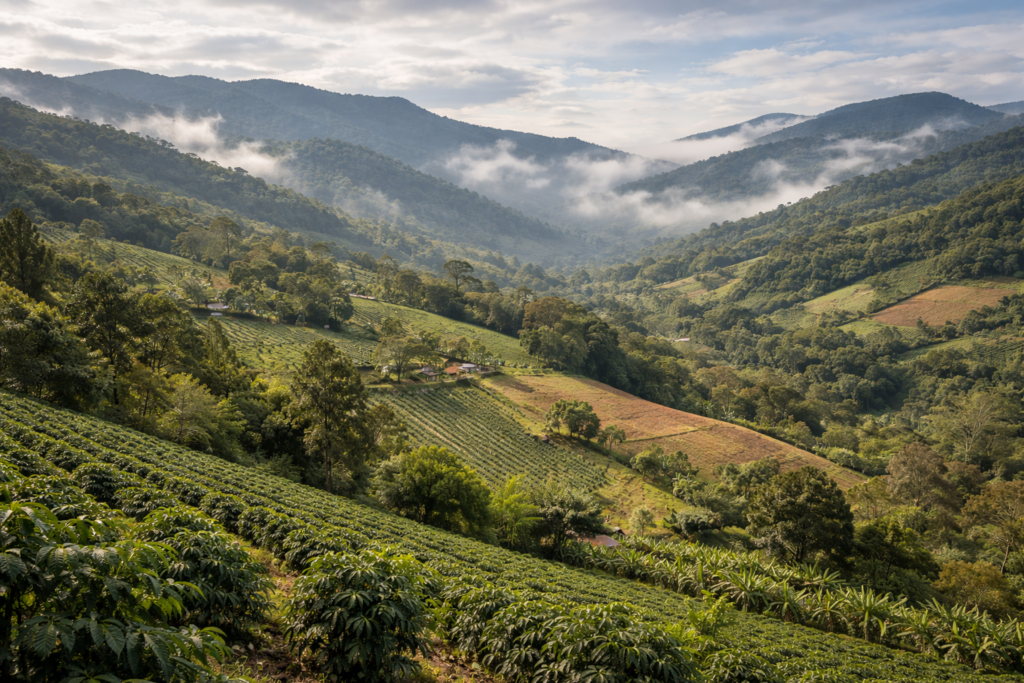
Coffee-growing regions in Costa Rica are typically found in the Central Valley and surrounding highland areas. These regions include communities near San José and other inland areas with cooler temperatures and fertile volcanic soil.
While these areas are popular for tours and local commerce, they are not designated special zones under immigration or residency law.
Do Coffee Plantations Have Any Immigration or Residency Status?

No. Coffee plantations do not carry any legal or immigration status.
Living near a coffee-growing region does not provide:
• residency eligibility
• visa advantages
• priority processing
• special legal status
Costa Rica residency is granted only through established immigration categories, regardless of where someone lives or what industries operate nearby.
Why Residency Applicants Ask About Coffee Plantations
People exploring long-term living in Costa Rica often research lifestyle topics such as agriculture, local culture, and rural living. Coffee plantations are frequently highlighted in travel content, which can create the impression that they play a role in residency or economic participation.
From an immigration perspective, coffee plantations are simply part of Costa Rica’s agricultural landscape and have no bearing on residency approval.
Residency Options for Those Interested in Living in Coffee-Growing Regions
If someone is drawn to Costa Rica because of its rural areas or agricultural communities, they must still qualify under a recognized residency category.
Common residency pathways include Pensionado residency (residency-for-retirees), Rentista residency for those with qualifying foreign income, Investor residency based on a qualifying personal investment, and Family Ties residency for those with close Costa Rican relatives.
The choice of where to live—urban, rural, or agricultural—does not change the legal requirements for any residency category.
Does the Digital Nomad Visa Apply to Living Near Coffee Plantations?
The Digital Nomad visa allows qualifying foreign nationals to remain in Costa Rica for a limited period while working remotely. It is important to understand that the Digital Nomad visa does not count toward legal residency.
Someone staying near a coffee-growing region under a Digital Nomad visa does not accumulate residency time and must later apply under a formal residency category for long-term or permanent stay.
Working on or Owning a Coffee Farm and Residency
Foreign nationals cannot work in Costa Rica without proper legal authorization. Owning or operating a business, including agricultural activity, does not automatically grant residency.
Any activity involving work, management, or income generation must align with Costa Rica’s immigration and labor laws and be supported by the appropriate residency status.
Frequently Asked Questions
Does owning a coffee plantation qualify someone for residency?
No. Residency is based on immigration categories and requirements, not the type or location of property.
Can I live on a coffee farm while waiting for residency approval?
Living location does not affect the residency process, but legal stay rules must always be respected while an application is pending.
Do coffee regions have special visas or programs?
No. There are no immigration programs tied specifically to coffee-growing regions.
Is coffee farming considered an investment for residency purposes?
Residency qualification depends on meeting immigration requirements, not on agricultural activity alone. Each case must be evaluated under existing residency categories.
Lifestyle Interest Versus Legal Residency
Costa Rican coffee plantations are an important part of the country’s history and culture, and they often attract interest from people considering a move. However, lifestyle preferences and agricultural settings do not influence immigration approval.
If you’d like to better understand which residency category may apply to your situation and how location choices fit within Costa Rica’s immigration framework, speaking directly with an immigration expert can help clarify the options.
Article by Glenn Tellier (Founder of CRIE and Grupo Gap)
Don't wait, contact us right now!
Call or WhatsApp Costa Rica +506 8373 2085 or +506 8706 3888
Call USA/Canada +1 305-906-6784