
Barrio Amón is a historic neighborhood in San José where architecture, cultural spaces and everyday city life meet. For someone considering a move to Costa Rica, a visit offers a different perspective from a beach town or a purpose-built residential development: this is an established part of the capital with a history worth understanding.
Where is Barrio Amón?
The Tecnológico de Costa Rica (TEC) places Barrio Amón in the Carmen district of central San José. Plan your visit around specific addresses rather than treating all of downtown as one neighborhood. Nearby places may be in adjoining districts or neighborhoods, even when a tour groups them together.
Before leaving, save the address of your first stop and your return destination. Check the route from your accommodation and decide where you will meet your transport afterward.
How coffee wealth shaped the neighborhood
TEC’s Amón_RA research project describes a historic urban landscape shaped by the coffee economy and prosperous families of the late nineteenth and early twentieth centuries. The neighborhood has continued to change, combining residences, institutions, businesses and cultural activity.
That history helps explain why a walk here is about more than individual attractive buildings. Look at how houses meet the street, the relationship between gardens and entrances, and the contrast between older buildings and later additions.
Architecture to look for
TEC’s architectural research identifies a mixture of Victorian, eclectic, neo-Mudéjar and vernacular styles. Avoid assuming every old-looking house is colonial or that every historic building is a museum.
One documented example is Casa Verde, also called the Saborío González residence. TEC’s account of its heritage designation describes a wooden house built in 1915 with Victorian characteristics. Consult the institution for any access arrangements; its historic status does not by itself mean visitors can enter.
Include a cultural stop
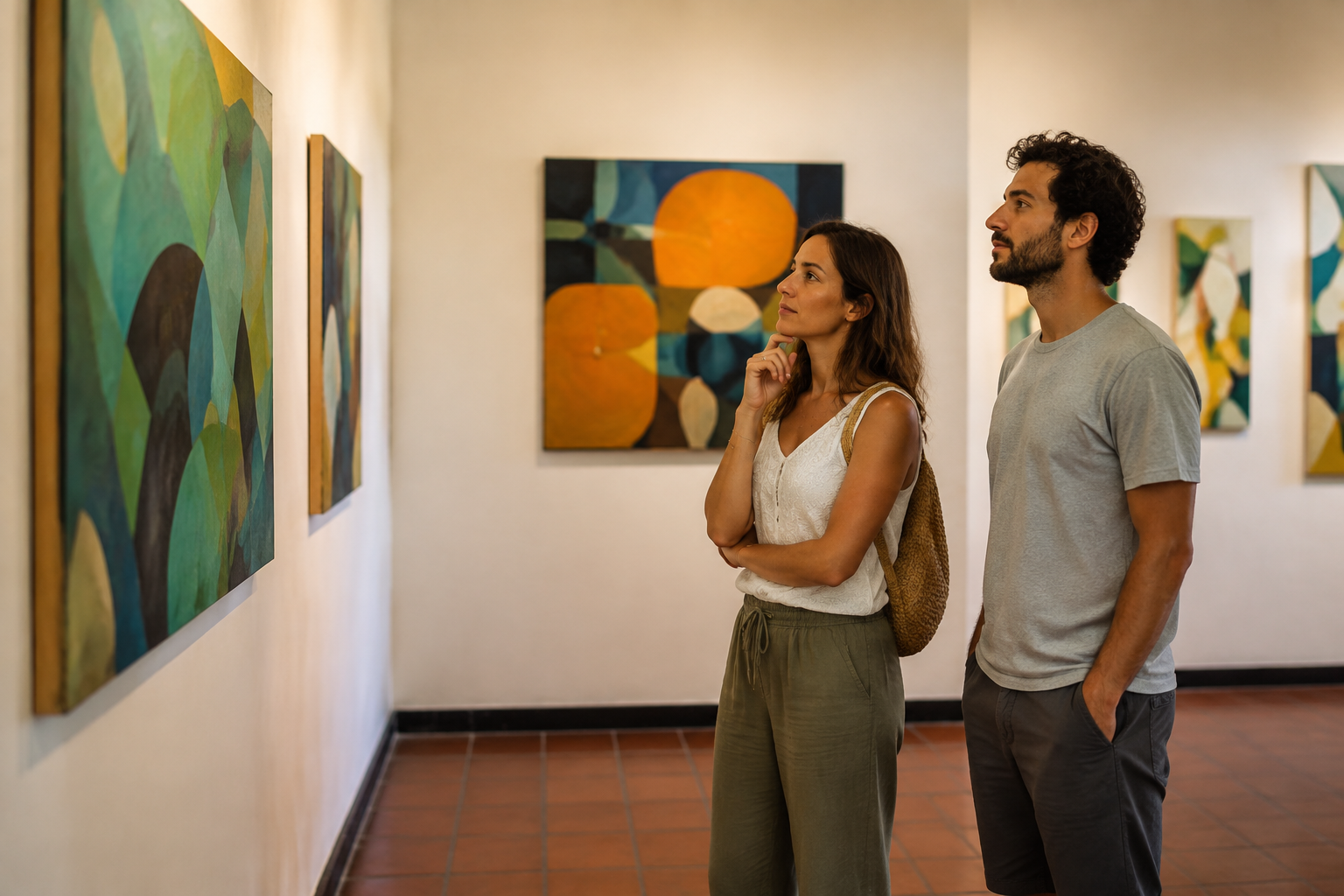
Amón Cultural provides a useful introduction to the cultural and architectural heritage of Amón and neighboring Otoya. Check current programming directly before planning around a workshop, exhibition or festival. An old event announcement is historical information, not a current invitation.
For a wider day in the capital, consult our Costa Rica art galleries and museums guide. Choose one or two confirmed stops rather than rushing between venues whose opening hours you have not checked.
Prepare for a comfortable walk
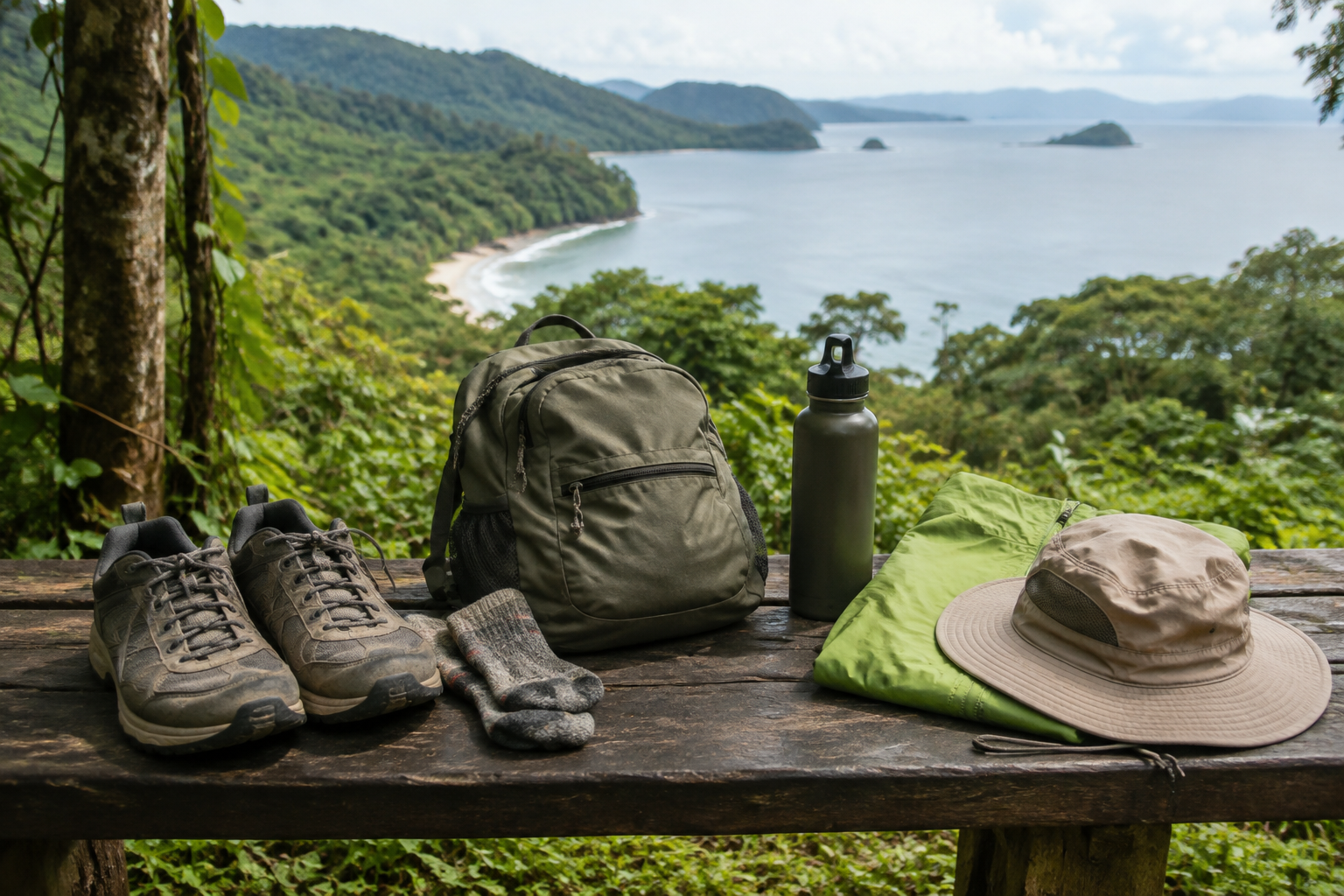
Wear comfortable shoes and carry rain protection. Check the forecast, assess the pavement as you go and ask about step-free access if stairs or uneven surfaces would be a problem. Plan the visit in daylight, keep valuables discreet and arrange transport if you are unfamiliar with the route after dark.
There is no need to turn the outing into a checklist of every historic property. A slower visit leaves time to notice architectural details and spend money at a business you have chosen after checking its current menu or offering.
Respect the people who live and work here
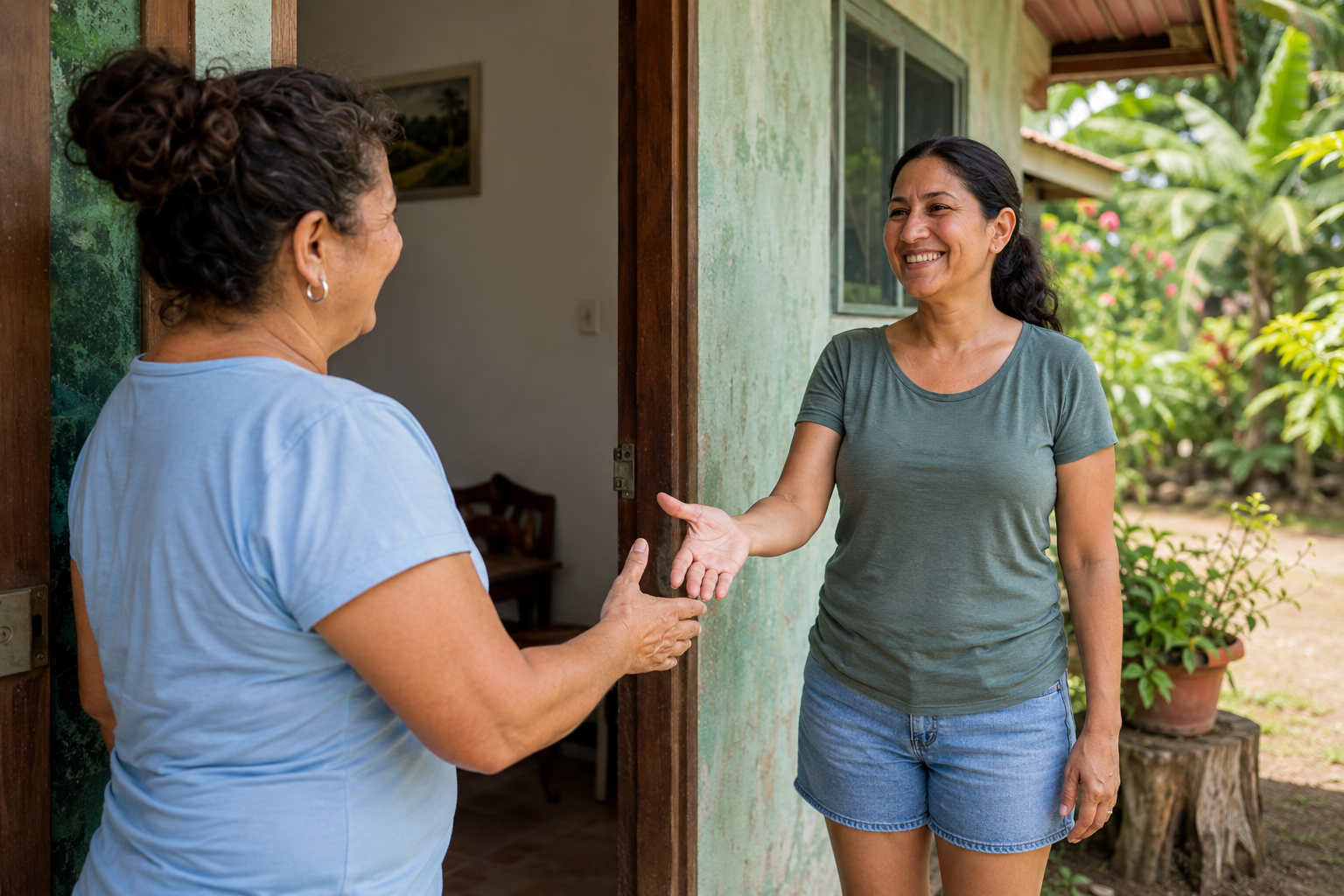
Stay on public paths unless invited onto a property. Ask before photographing people or entering a courtyard, and avoid blocking doors while taking pictures. A welcoming conversation can add to a visit, but residents are not part of an attraction. Our cultural etiquette guide offers more practical pointers.
Considering living nearby?
Visit a potential home at different times, test your actual commute and check noise, access, internet availability and the services you would use. Do not choose a rental from a neighborhood reputation alone. Ask the owner about the building’s condition and any restrictions before committing.
Sources reviewed September 7, 2026: TEC’s research and institutional heritage accounts linked above. Historical publications support the architectural background; current opening hours and event dates should be checked with the venue. The images are contextual illustrations, not photographs of specific Barrio Amón buildings.