
About 120,000 private US citizens live in Costa Rica, many of them retirees, according to the US State Department’s fact sheet on US relations with Costa Rica. Americans are also by far the largest group of foreign visitors. Many Canadians also live here or spend the northern winter here. This guide explains what that number means, where most Americans and Canadians live, and how to plan your own move.
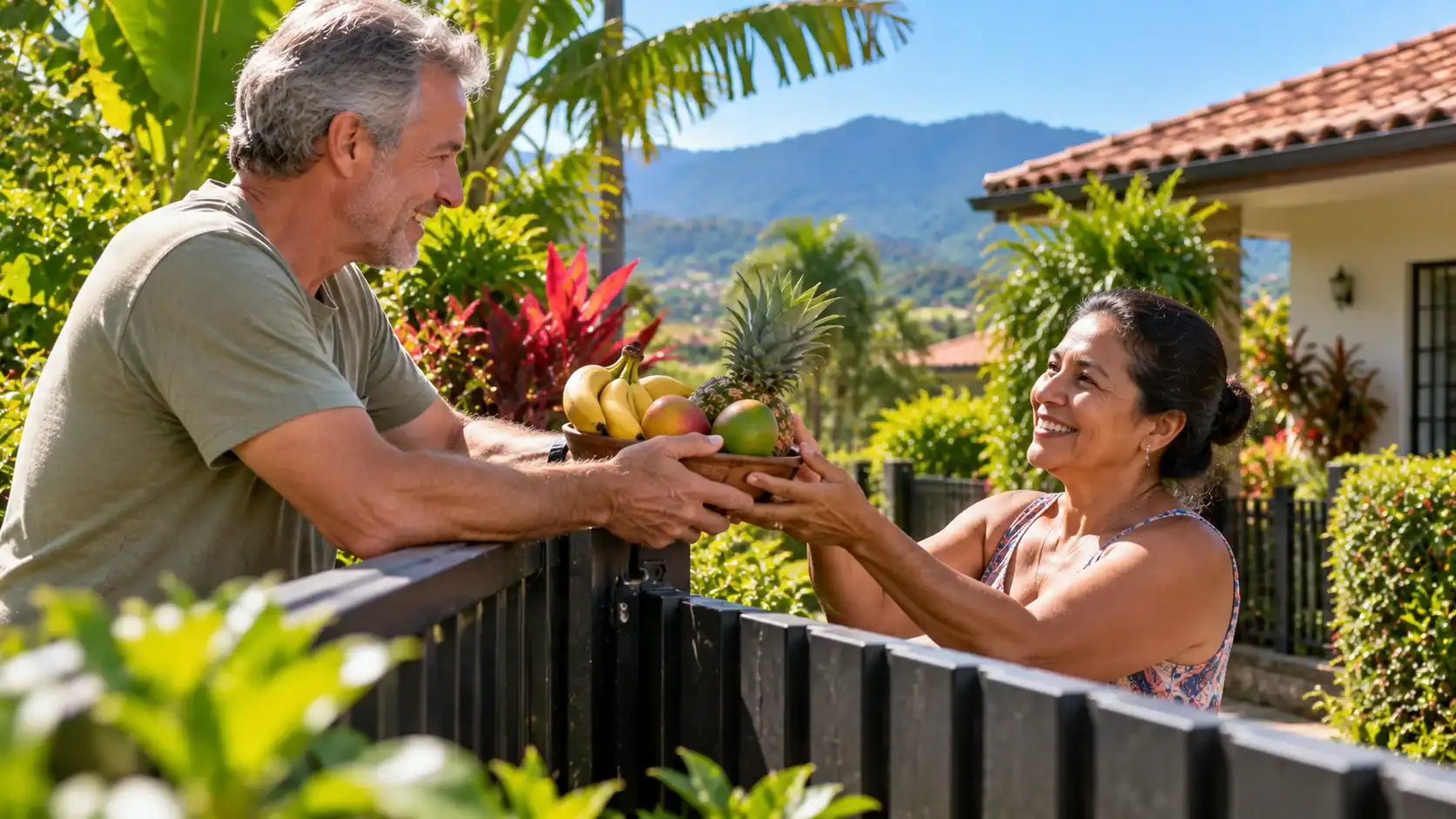
How many Americans live in Costa Rica?
The State Department puts the figure at approximately 120,000 private US citizens residing in the country. It is an estimate, not a census. It counts US citizens, including people who also hold Costa Rican nationality, rather than holders of a particular residency category, and it does not capture the many Americans who spend part of the year here as visitors.
For official population data, Costa Rica’s statistics institute publishes statistical tables. Check the reference year and definition used, because a count of people born in the United States is not the same as a count of US citizens.
How many Canadians live in Costa Rica?
We have not found a current official figure for Canadians living in Costa Rica that we can verify. What is clear on the ground is that many Canadians spend the winter months here, and a smaller number live here year-round on residency.
Where do most Americans live in Costa Rica?
Most North Americans settle in a handful of areas, each with a different lifestyle:
- The Central Valley: Escazú, Santa Ana, Heredia, Atenas and Grecia, for a spring-like climate and quick access to hospitals, shopping and the international airport.
- Guanacaste: Tamarindo, Playas del Coco and Nosara, for dry-season sunshine, beaches and the Liberia airport. See our guide to Playas del Coco.
- The Central and Southern Pacific: Jacó, Dominical and Uvita, for surf, jungle and ocean views.
- The Caribbean: Puerto Viejo and Cahuita, for a laid-back Afro-Caribbean culture.
- Mountain towns: cooler, quieter places in the hills. See our guide to Costa Rica’s mountain towns.
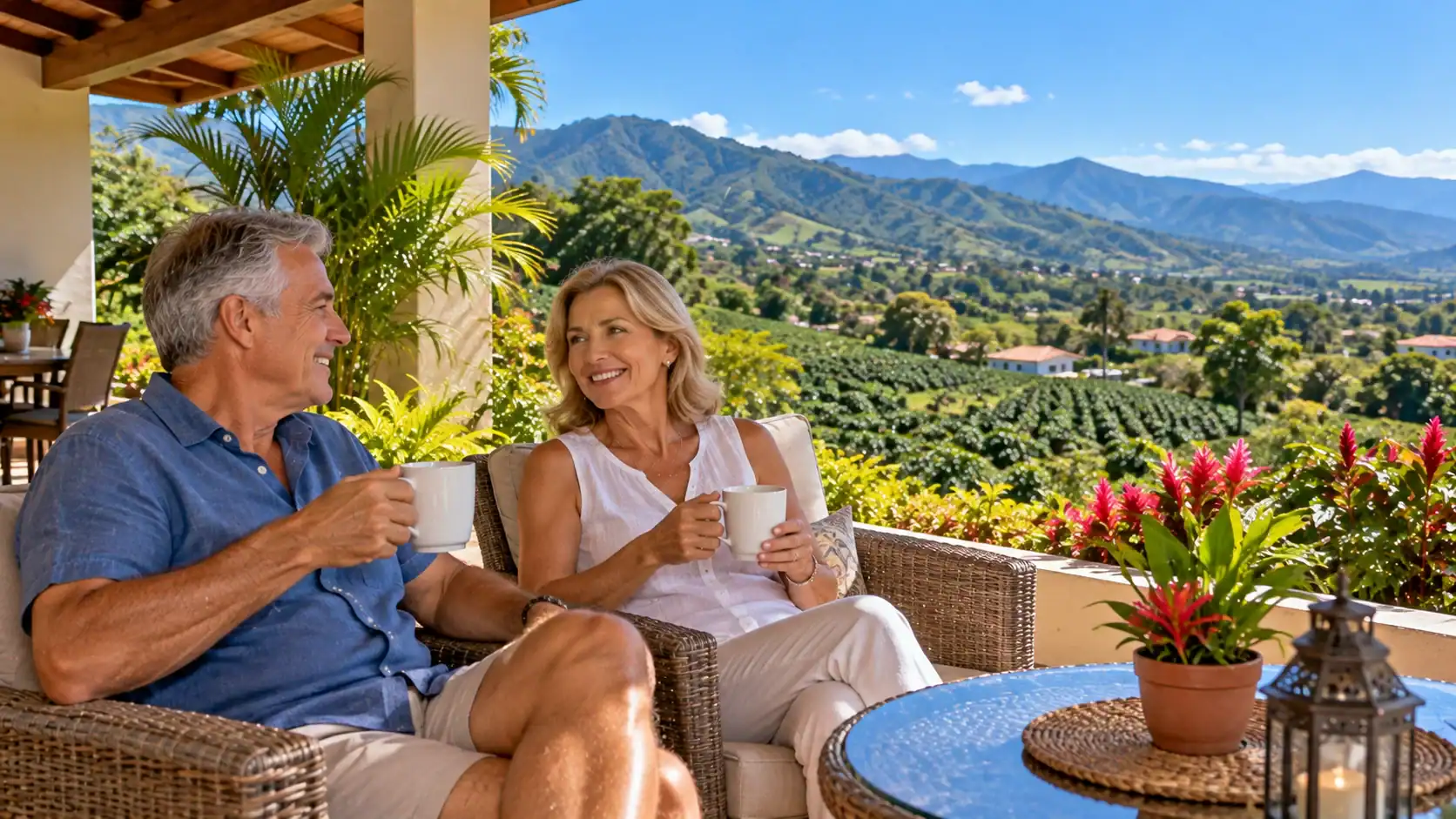
Choosing a place to live
Build a shortlist around everyday needs rather than a town’s reputation. Test the journey to medical care, groceries and schools, ask about internet service at the exact address, and visit at different times of day. A comfortable holiday rental is not automatically the right year-round home.
- On the coast: compare heat, road access, transport and the cost of cooling a home.
- In the mountains: check the elevation, road conditions and travel time to services.
- In a city or suburb: try your expected commute and walk the immediate neighbourhood.
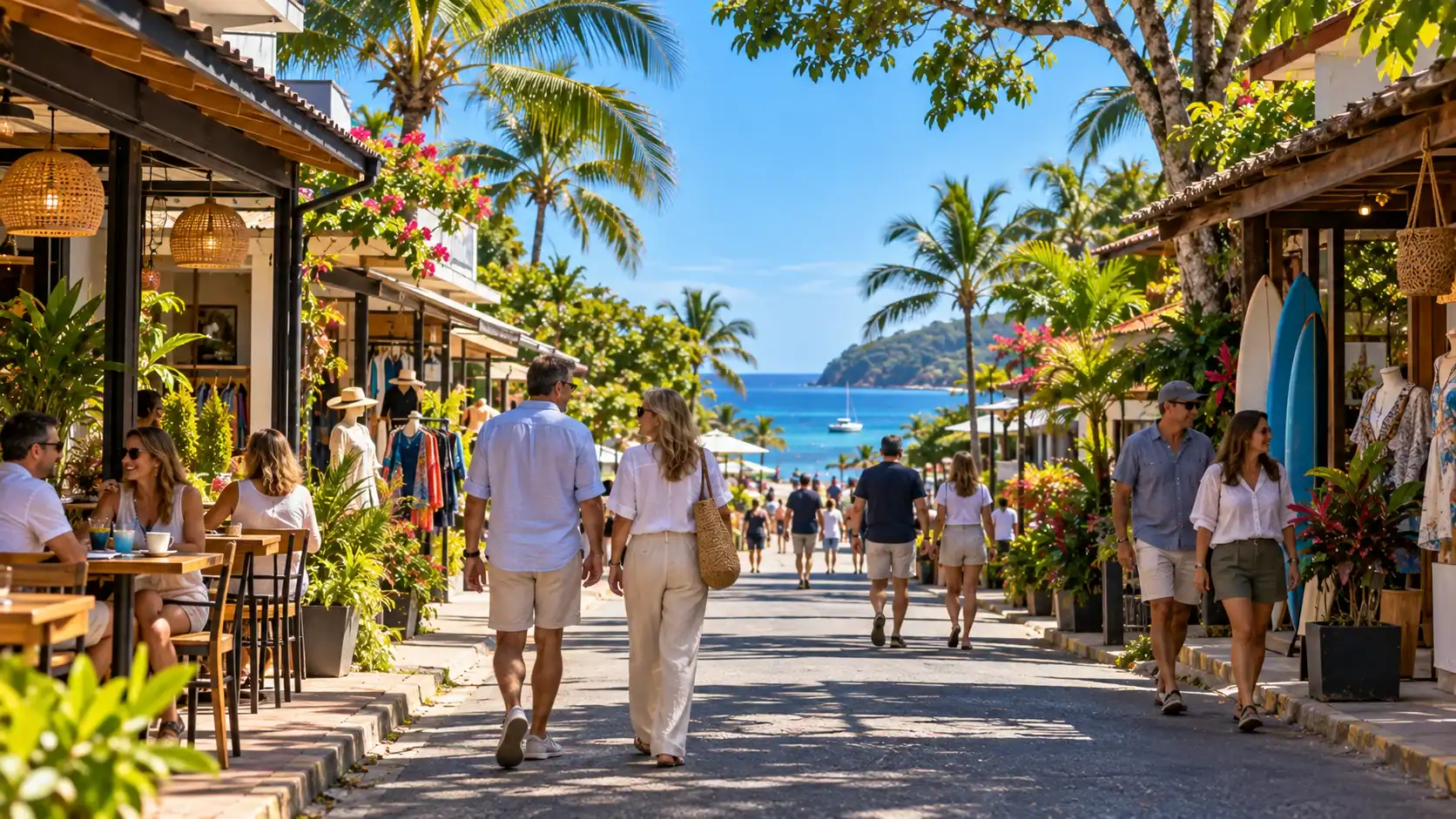
Making friends with Costa Rican neighbours
Learn practical Spanish for appointments, shopping and conversation. Join activities that interest you, introduce yourself to neighbours, and be patient while you learn how things work here. English-speaking groups offer support, while local classes and community activities help you meet a wider circle. A 2024 Universidad Nacional study looked at how Costa Ricans view migrants from the United States, Canada and Europe, and it is worth reading before you arrive.
Budgeting for an ordinary month
Price the life you actually intend to lead: rent, utilities, transport, food, medical care, insurance, school fees where relevant, and trips home to see family. Keep one-time moving costs separate from monthly expenses, and ask which currency each contract uses. A lower rent can come with longer journeys or the need for a car, so spend time in an area before committing to a long lease or a purchase.

Residency for Americans and Canadians
Living here full time means getting legal residency. The categories most North Americans use are:
- Pensionado residency, for people with a qualifying lifetime pension.
- Rentista residency, for people with stable income who are not yet retired.
- Investor residency, for people investing in Costa Rica.
The current requirements come from Costa Rica’s immigration authority, the Dirección General de Migración y Extranjería. Find out which category fits your situation and get the official document list before making financial arrangements. For an overview, see our guide to Costa Rica residency.

LGBTQ+ Americans and Canadians in Costa Rica
Costa Rica recognises same-sex marriage: the Tribunal Supremo de Elecciones records that the Civil Registry has processed and registered these marriages since May 26, 2020. Marriage registration is a specific legal matter and does not by itself settle every question about immigration, parentage or documents issued abroad, so ask the relevant authority how your existing documents will be recognised before making irreversible plans. For local perspectives and rights information, CIPAC is a Costa Rican civil-society starting point.
Frequently asked questions
How many Americans live in Costa Rica?
About 120,000 private US citizens, according to the US State Department, many of them retirees.
Where do most Americans live in Costa Rica?
Mainly in the Central Valley (Escazú, Santa Ana, Atenas, Grecia) and the Guanacaste beach towns (Tamarindo, Playas del Coco, Nosara), with smaller communities on the Central and Southern Pacific and the Caribbean coast.
Can Americans live in Costa Rica permanently?
Yes, with residency. Most retirees start with temporary residency as a pensionado or rentista, and many later move to permanent residency.
CRIE helps Americans and Canadians apply for Costa Rica residency. If you want to know which category fits you, message us on WhatsApp at +506 8373 2085 or email [email protected].