
Kissing bugs, also called chinches picudas, are blood-feeding insects that can transmit the parasite responsible for Chagas disease. Finding a suspected bug does not by itself mean you are infected, but possible exposure deserves attention.
If you are moving to Costa Rica, especially to an older house or a rural property, the kissing bug is worth knowing about. Simple home care makes a real difference.
WhatsApp Johanna: +506 8373 2085
What is a kissing bug?
These insects belong to the triatomine group. Triatoma dimidiata is documented in Costa Rica, including university research in domestic and wild settings. Similar-looking insects can be confused with kissing bugs, so a photograph or illustration should not be treated as a definitive identification.
How Chagas infection happens
Chagas disease is caused by Trypanosoma cruzi. In the usual insect-associated route, infected bug droppings enter broken skin, a bite wound, the eyes or the mouth. The bug does not simply inject the parasite with its bite. Avoid touching or crushing a suspected bug with bare hands.
Other routes include transmission during pregnancy or birth, contaminated food or drink, transfusions, organ transplantation and laboratory accidents. Housing conditions are relevant to insect exposure, but they do not describe every route of infection.
Where bugs may shelter
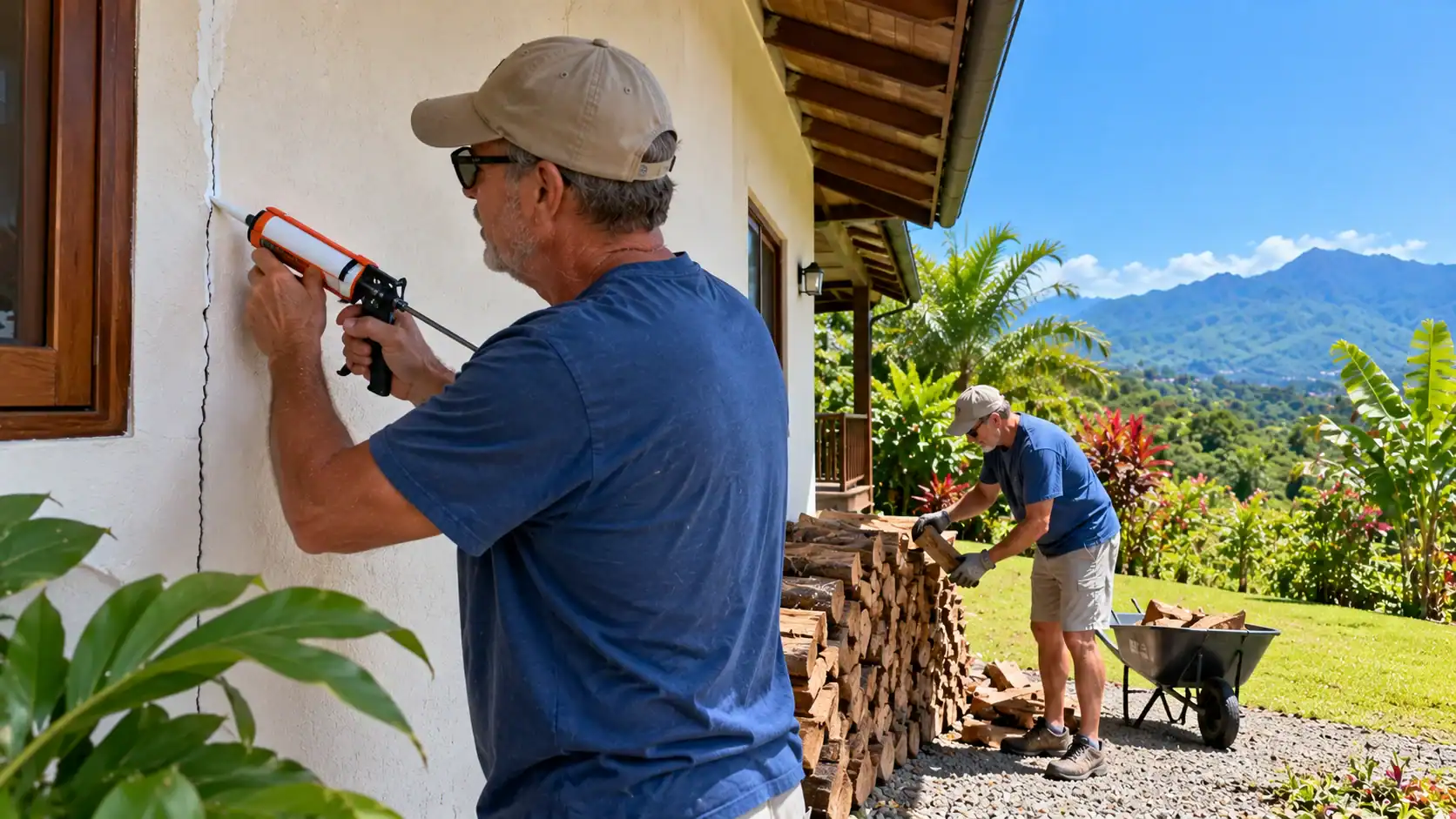
Triatomine bugs can shelter in wall or roof gaps and in nearby animal sleeping areas, woodpiles or rodent nests. They generally hide during the day and feed at night. A building’s condition matters more than whether it is called a hotel, lodge or private home.

Reducing exposure around your home
- Maintain screened windows and doors, and repair gaps that allow insects inside.
- Keep sleeping areas clean and reduce nearby hiding places such as accumulated timber and debris.
- Use an appropriate bed net where sleeping conditions expose you to insects.
- Seek professional pest-control or public-health advice if you suspect an infestation.
- Practise good hygiene when preparing, storing and serving food and drinks.
What to do after a suspected exposure
Do not handle or crush the insect with bare hands. A photograph taken without contact may help a professional identify it. Contact a healthcare professional or local health service for advice about the exposure and whether the insect should be collected.
Washing does not rule out infection and is not the whole intervention. Explain what happened, when it happened and whether droppings could have contacted broken skin or your eyes or mouth. Do not wait for unmistakable symptoms before seeking advice.
Symptoms, testing and treatment
Early Chagas infection may cause no symptoms or nonspecific illness. Later complications can affect the heart and digestive system. The absence of symptoms is not a reliable way to exclude infection.
Testing depends on the stage of infection. CDC describes parasite detection for acute infection and antibody testing for chronic infection; chronic diagnosis generally needs more than one antibody test. A clinician should select the tests and interpret them alongside your exposure history.
Antiparasitic treatment uses benznidazole or nifurtimox. Treatment decisions depend on age, infection stage, medical history and other factors. Early diagnosis is valuable; do not self-medicate or assume that a single immediate test answers every question.

Putting the Costa Rica risk in context
We do not present a national infection percentage or a claim that Costa Rica has eliminated transmission here. An insect study from a particular place cannot establish a nationwide risk for every visitor. Use practical prevention and seek individual advice after a credible exposure.
What this means if you are moving to Costa Rica
Living here full time means thinking about your home, not just a hotel room. The good news is that prevention is mostly simple maintenance.
- Inspect before you rent or buy. Look for cracks in walls, gaps under the roof and old wood stacked nearby. Ask the owner to repair them before you move in.
- Keep animal areas away from bedrooms. Dog beds, chicken coops and woodpiles can shelter bugs. Keep them clean and away from where people sleep.
- Fit good screens. Screens on windows and doors keep many insects out at night. Check them for holes each season.
- Know where to get advice. If you find a suspected kissing bug, take a photo without touching it. Your local EBAIS clinic or doctor can tell you what to do next.
Once you are a resident, you can join the Caja and use your local EBAIS for advice like this. Starting your move with the right residency means you have that support close to home.
Sources
Reviewed September 6, 2026 using the sources below. This article provides general information and does not diagnose an exposure.
- UCR: research on Triatoma dimidiata in Costa Rica
- CDC: transmission and insect habitats
- CDC: prevention
- CDC: clinical testing
- CDC: clinical care
- WHO: Chagas disease fact sheet, April 8, 2026
Planning a move to Costa Rica?
Explore Costa Rica residency options or contact CRIE about your plans.
Thinking of moving to Costa Rica?
Get a free residency assessment. Tell Johanna, our immigration expert, about your situation, and she will tell you which residency fits you and what you need.
WhatsApp Johanna: +506 8373 2085Free assessment
Or email [email protected]
WhatsApp Johanna: +506 8373 2085