
Fer-de-Lance Snakes in Costa Rica: Risks, Safety Tips and What to Do After a Bite
In Costa Rica, the snake most people take seriously is the terciopelo, commonly called the fer-de-lance in English. Its scientific name is Bothrops asper. It is one of Costa Rica’s most important venomous snakes because it is common in wet lowland areas and adapts well to farms, gardens, pasture edges and other places where people live and work. It does not hunt people. Most bites happen when someone steps near one, reaches into vegetation or debris, or walks outdoors after dark without proper footwear or a light. For visitors, the risk is generally low when you stay on marked trails and follow normal outdoor precautions. For people clearing brush, working on rural property or walking around wet lowland areas at night, the risk is more real.What Costa Ricans call it
In Costa Rica, the usual name is terciopelo, meaning “velvet,” a reference to the appearance of its scales. You may also hear barba amarilla or equis, referring to the markings often seen along its back. “Fer-de-lance” is widely used in English across Central America, but terciopelo is the most useful name to know locally.How to recognise a terciopelo
An adult terciopelo can be large and heavy-bodied. It often has a broad, triangular head that is clearly narrower at the neck, with brown, grey or olive colouring and dark markings along the body. Its appearance varies considerably, however, and leaf litter can make it almost disappear. Do not rely on colour, markings, head shape or eye shape to decide whether a snake is safe. Many harmless snakes can resemble venomous species, and getting close enough to inspect a snake is never worth the risk. The safe rule is simple: if you see a snake and are not completely sure what it is, keep your distance. Do not touch it, move it or try to kill it. Juvenile terciopelos can be especially easy to miss. They may be thin, well camouflaged and found in low vegetation. This is one reason hands and forearms can be injured when people reach into plants, woodpiles, leaf litter or gaps beneath rocks.Where terciopelos live in Costa Rica
Terciopelos are most common in warm, wet lowland areas on both the Caribbean and Pacific sides of Costa Rica. This includes parts of Limón, Sarapiquí, San Carlos, the Central Pacific, the South Pacific, the Osa Peninsula and the Térraba-Sierpe area. They are less associated with the driest parts of Guanacaste and higher, cooler areas. Most of the Central Valley and cloud-forest destinations such as Monteverde are not typical terciopelo habitat. The important point is that terciopelos do well in disturbed habitat. They are not limited to remote primary forest. They can be found near banana and plantain farms, oil-palm areas, pasture edges, drainage ditches, riverbanks, overgrown lots and rural homes.
Why this snake causes so many bites
The terciopelo is responsible for a large share of Costa Rica’s venomous snakebites because several factors come together:- It is common in wet rural areas where people work and walk.
- Its camouflage in leaves and vegetation is excellent.
- It is often active in the evening and at night.
- It may remain still rather than moving away when a person approaches.
- People are most vulnerable when they step where they cannot see or put their hands into hidden areas.
What a terciopelo bite can do
Terciopelo venom can cause serious local injury and affect the body’s ability to clot blood. A significant bite may cause severe pain, swelling, bruising, blistering and bleeding. Without prompt medical treatment, it can also lead to major tissue damage and other serious complications. A suspected snakebite is a medical emergency. Do not wait to see whether swelling develops or whether the person feels worse. The correct treatment is prompt medical evaluation and antivenom when doctors determine it is needed.What to do if someone is bitten by a snake in Costa Rica
Keep this part simple. The job is not to identify the snake or attempt home treatment. The job is to get the person to professional medical care as quickly and safely as possible.Do this
- Call 9-1-1 immediately.
- Keep the person calm and at rest.
- Clean the bite area gently with soap and water.
- Remove rings, watches, boots or tight clothing near the bite before swelling increases.
- If someone has applied a tourniquet, remove it.
- Keep the affected limb still and supported.
- Take the person to the nearest hospital or health centre without delay.
Do not do this
- Do not cut the wound.
- Do not apply a tourniquet.
- Do not apply ice or cold packs.
- Do not try to suck out the venom.
- Do not give alcohol, herbs, chemicals or home remedies.
- Do not try to catch, kill or bring the snake to the hospital.
- Do not wait to see how symptoms develop.
How to avoid snakebites
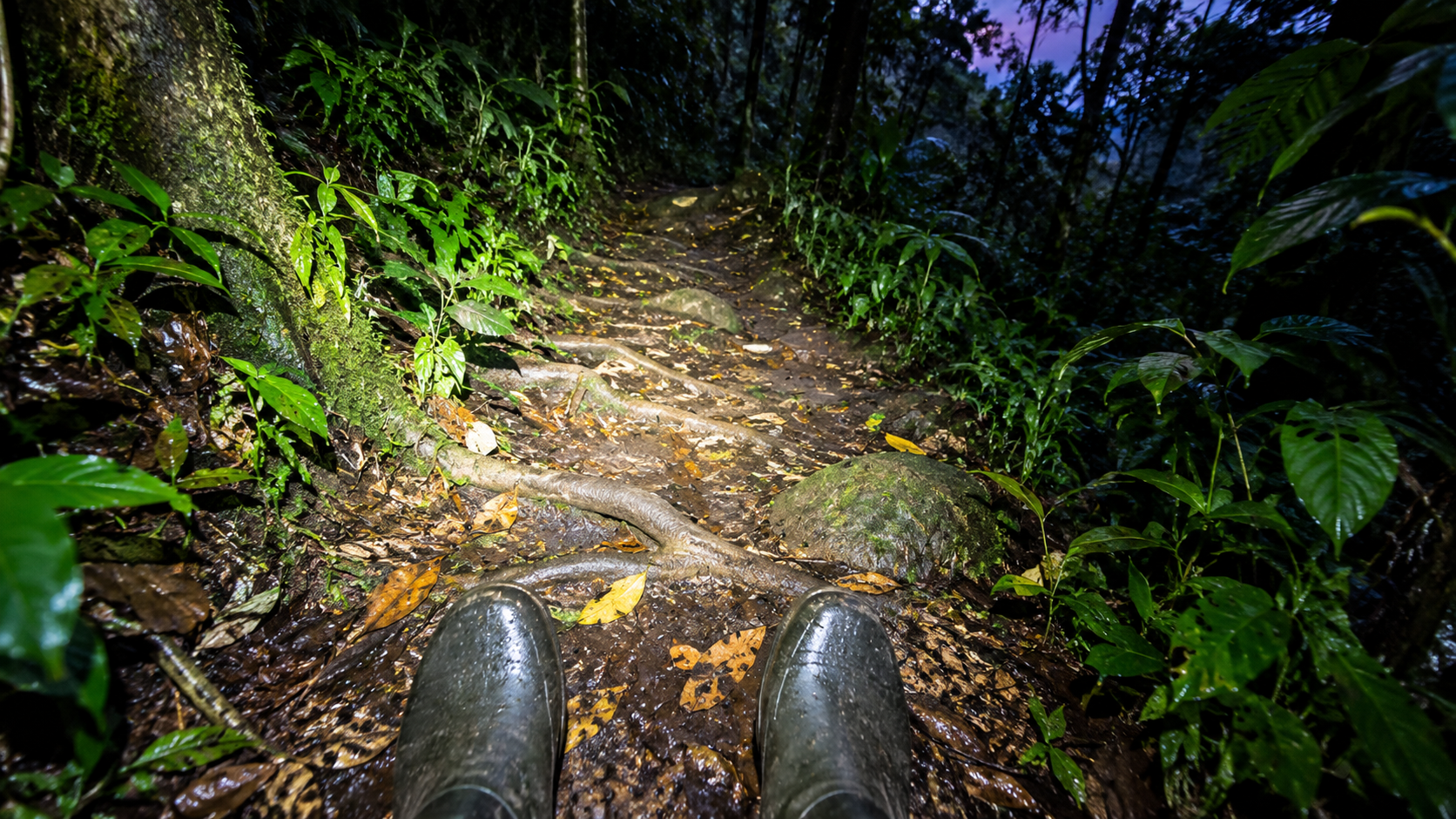
Most snakebite prevention is straightforward and practical.- Use a flashlight or headlamp after dark. This matters around rural homes, gardens, trails and farm areas.
- Wear proper footwear. Closed shoes are better than sandals, and high rubber boots are sensible for wet fields, brush and plantation work.
- Wear long trousers when walking through tall grass, brush or leaf litter.
- Never put your hands where you cannot see. Be careful around logs, rocks, stacked materials, woodpiles, drainage areas and dense plants.
- Do not step blindly over logs or rocks. Step onto them first, look down, then step off carefully.
- Keep areas around rural homes tidy. Short grass and less clutter can reduce places where rodents and snakes shelter.
- Do not handle snakes. Trying to move, photograph closely, capture or kill one is an easy way to turn a sighting into an emergency.
- Stay on marked trails and use a qualified guide in areas where you are unfamiliar with the terrain.
Costa Rica’s antivenom expertise
Costa Rica has an important advantage when it comes to snakebite treatment: the country produces antivenom through the Instituto Clodomiro Picado at the University of Costa Rica. The institute has long been a major centre for snake-venom research, antivenom production and public education. Its guidance is clear: fast transport to a hospital or health centre is what matters. Home treatment wastes time and can make injuries worse.
Should snakebite concerns stop you from enjoying Costa Rica?
No. Costa Rica is a country where people hike, farm, garden, camp and live outdoors every day. A terciopelo is a real hazard in the right habitat, but it is manageable with basic awareness and sensible habits. If you are visiting Costa Rica, stay on trails, wear appropriate footwear and use a light after dark. If you own or work on rural property, be more careful around brush, leaf litter, stacked materials and wet ground. Respect the snake, give it space, and never reach or step where you cannot see. Those habits will prevent most avoidable encounters.Thinking about making Costa Rica home?
Understanding everyday life in Costa Rica is part of planning a successful move. CRIE — Costa Rica Immigration Experts helps people with Costa Rica residency applications, renewals and citizenship. Start with our guide to the types of residency in Costa Rica, or contact our team to discuss your situation.Sources
- Instituto Clodomiro Picado: Bothrops asper (terciopelo)
- Instituto Clodomiro Picado: Snakebite first-aid guidance
Thinking About Making Costa Rica Home?
Thousands of expats, retirees, and investors have made Costa Rica their permanent home. If you are considering residency, CRIE’s licensed immigration attorneys can walk you through your options — Pensionado, Rentista, Investor, or family-based — and handle every step of the process.